
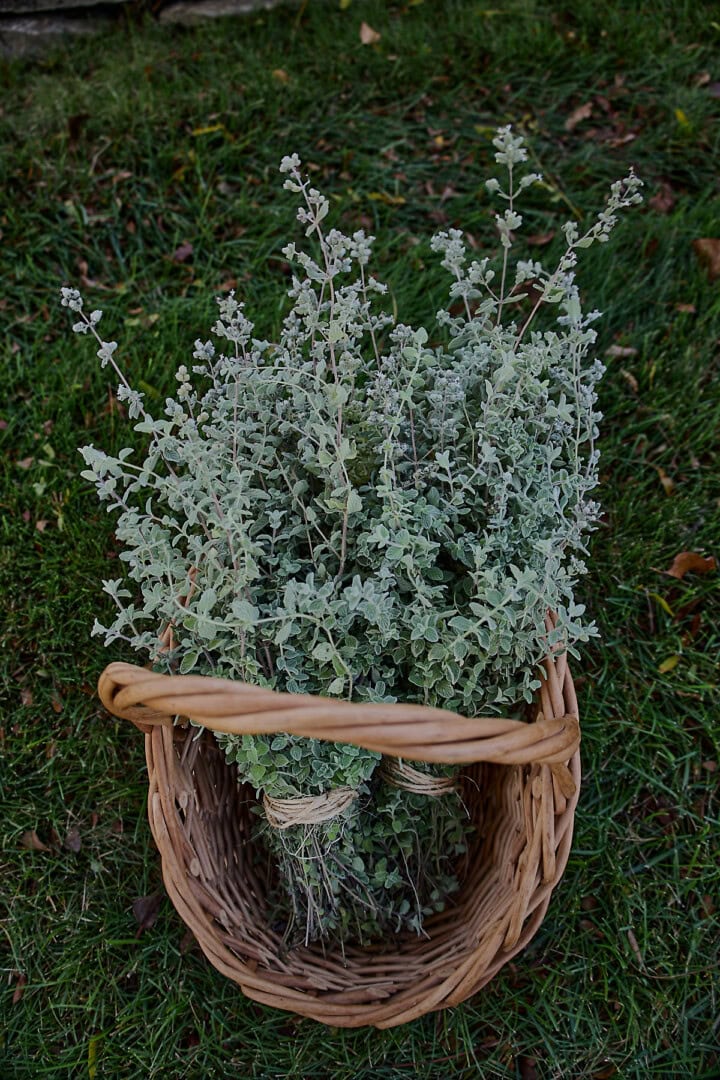
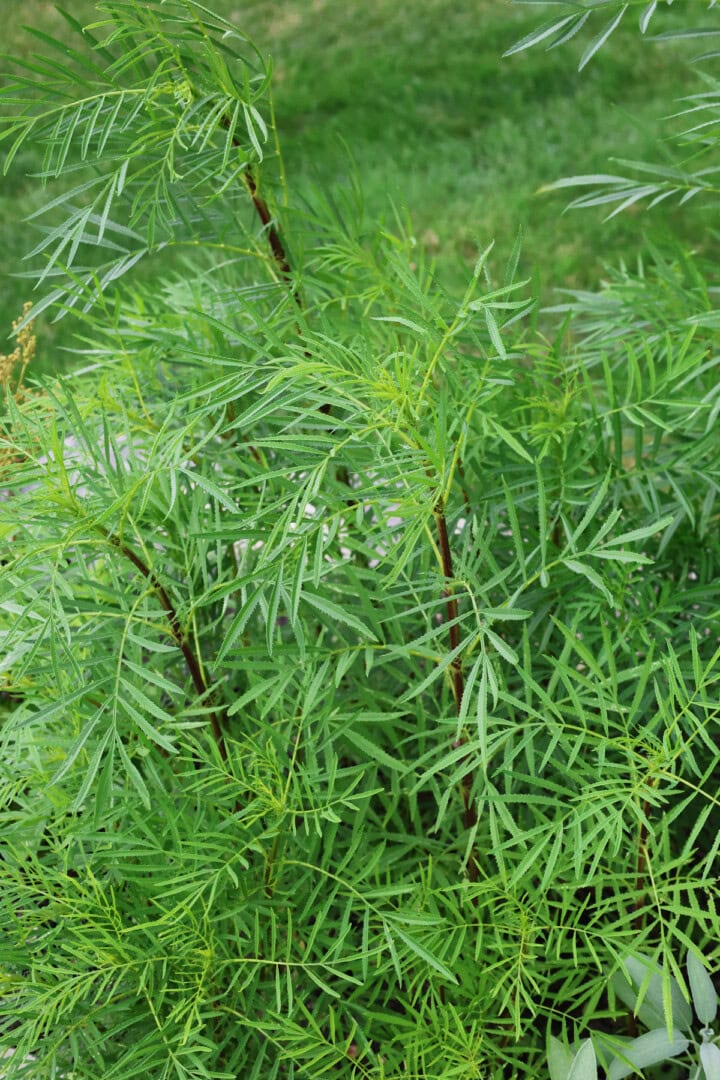
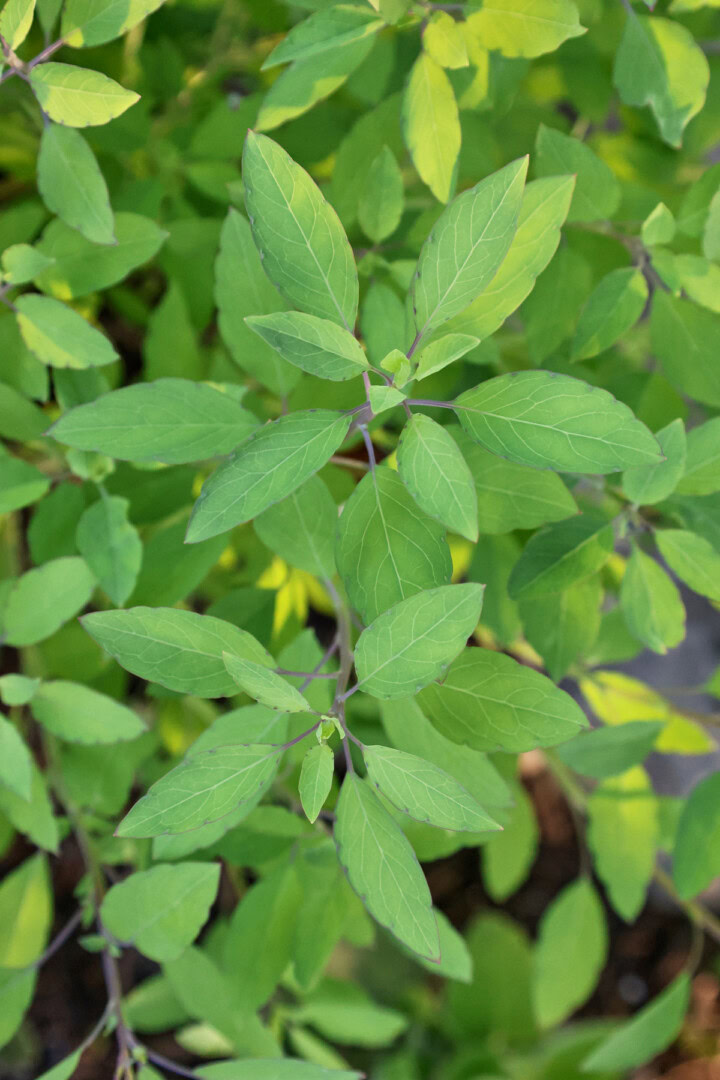

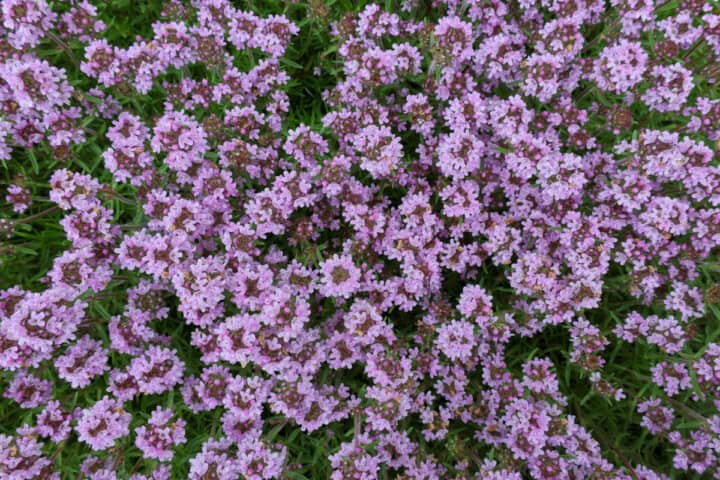
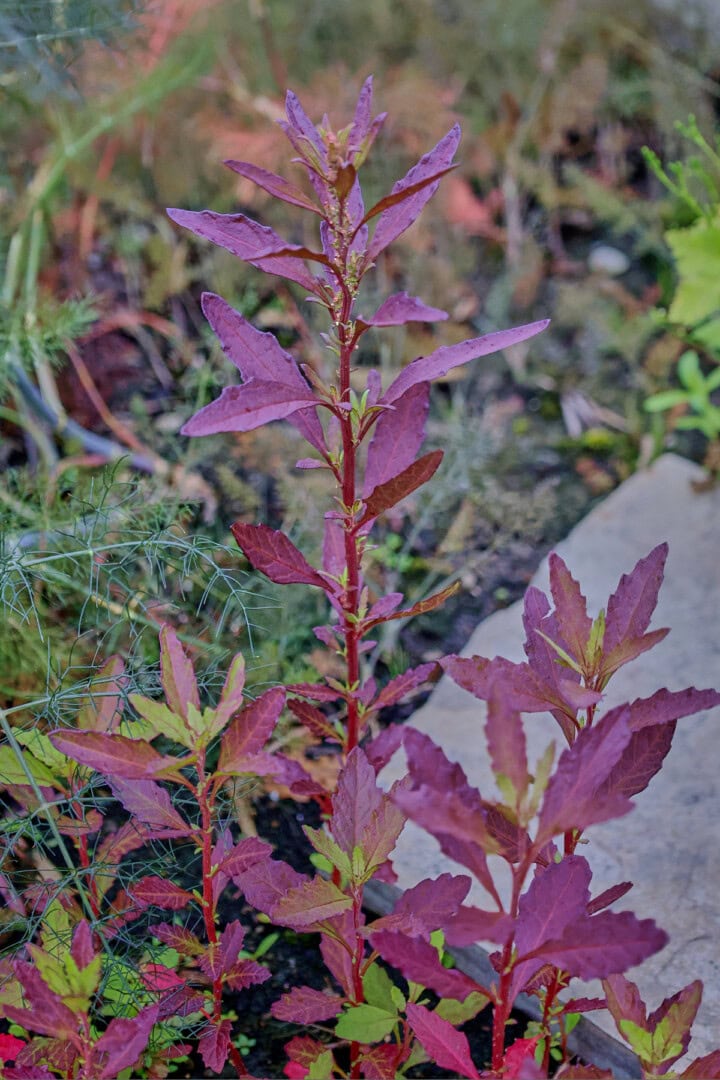
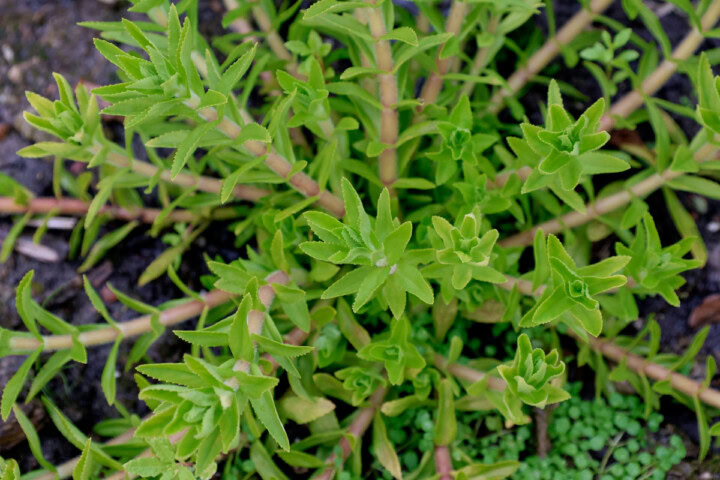
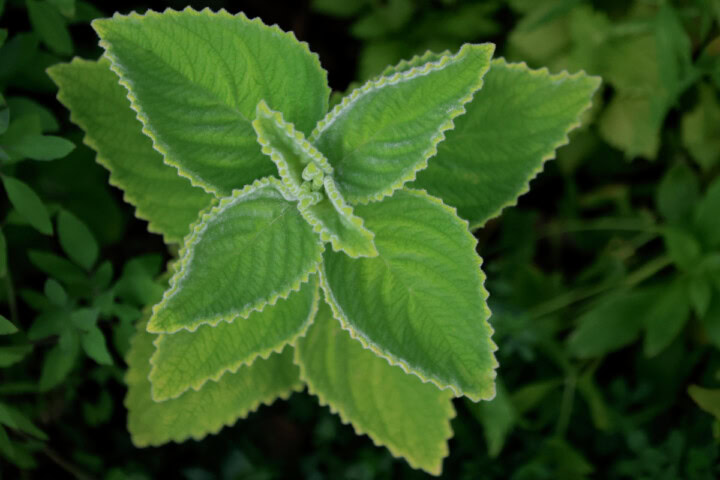
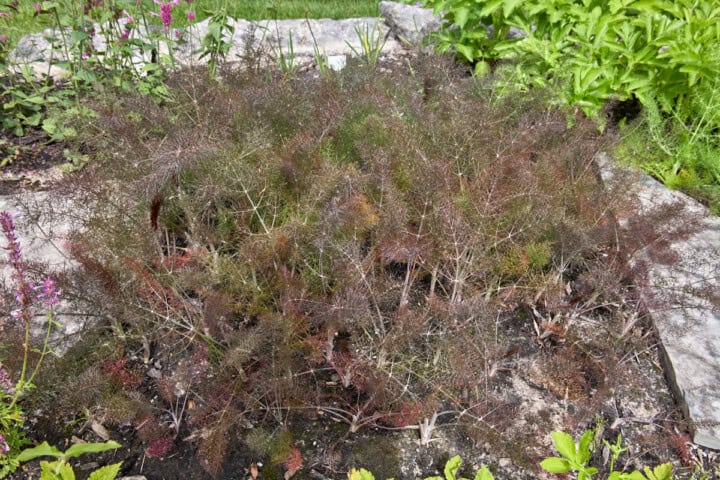


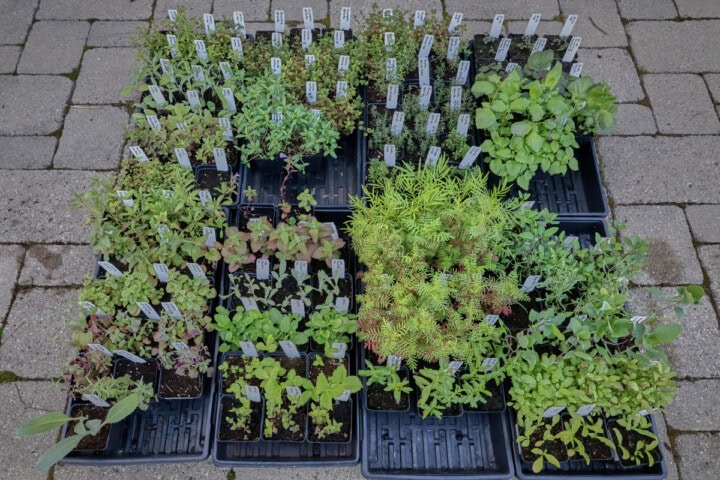
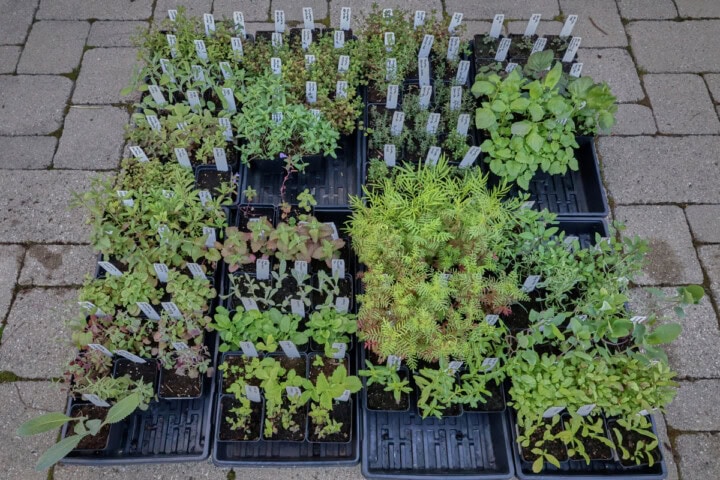



This year I'll be growing nearly 300 varieties of culinary herbs from around the world in my garden. They include returning perennials, new plants, cuttings, and seeds. Many are rare, and all have exciting culinary potential to discover.
This is going to be a fantastic year in the herb garden. Among my largest categories this year are 44 new basils, 51 mints, 26 scented geraniums, and many more, including both common and rare types of global culinary herbs. I'm excited to share their incredible flavors and uses with you! All of the photos in this post are from my garden.
Jump to:
- 📅Why plan an herb garden in advance?
- 🕰️How long until they're ready to go outside?
- 📊This year's master herb chart
- 🌱Seedlings I've started under my grow lights
- 💎Annual and perennial herbs that are hard to find
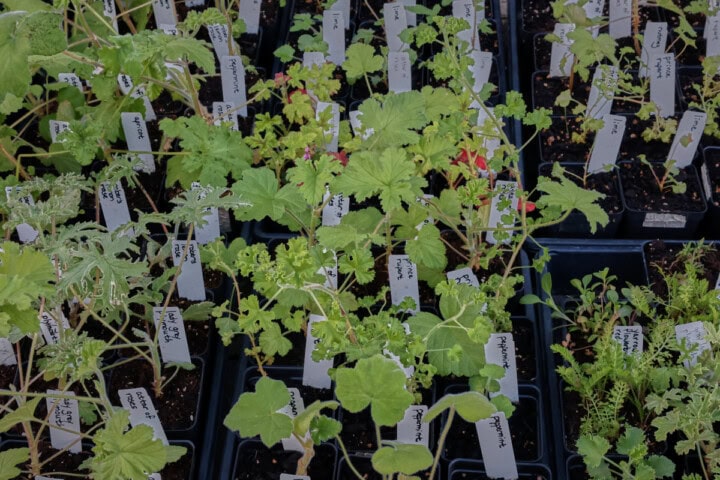
- 🌺Cuttings of last year's scented geraniums to create new plants for spring
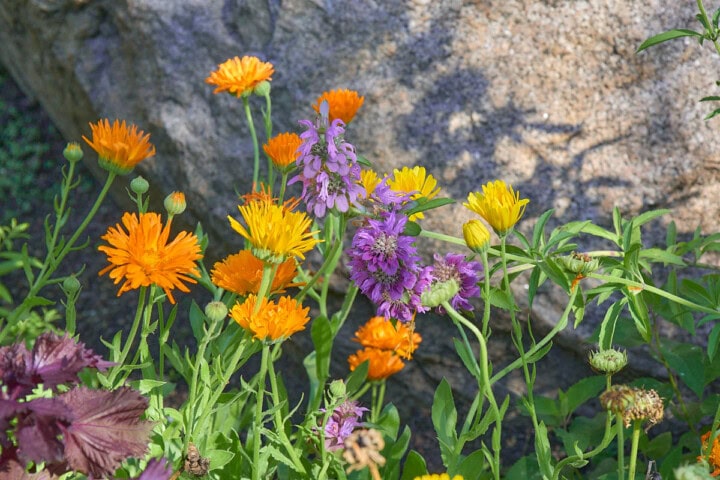
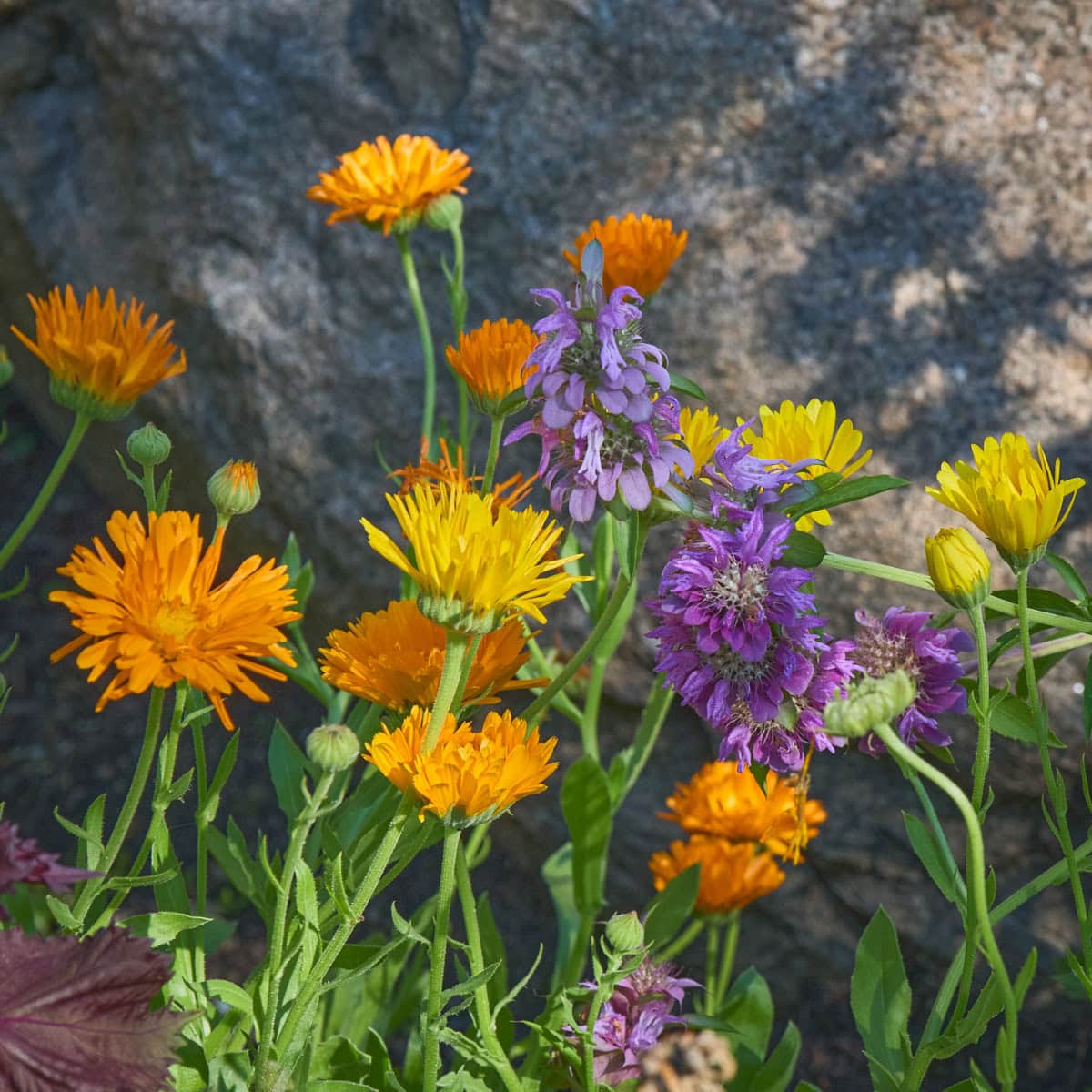
- 💐Flowers, many of them edible
- 🌿More herb posts you'll love, straight from the garden
- 📋This year's master herb list
- ✨More heirloom gardening and recipe posts to enjoy
- ✏️Have you grown your own herbs?
📅Why plan an herb garden in advance?
I'm always thrilled when the warm weather returns each spring, so I can get my hands back into the soil. But my herb garden planning starts much earlier, when the fall arrives and the next year's plans begin. I start compiling lists in multiple spreadsheets in September. Each year I maintain separate ones for herbs, veggies, flowers, and fruit. It takes months to research rare and exciting new varieties, compare prices and vendors, and to place my orders.
I generally start the seeds under my grow lights in late winter, adjusting the timing based on the needs of each herb, vegetable, or flower variety. There's no better way for me to beat the winter blues than to tend and nurture these priceless vibrant tiny seedlings while they await spring planting.

🕰️How long until they're ready to go outside?
After months of growing under the lights this winter and spring, my new seedlings, along with cuttings from some of last year's plants, will be ready to be planted. I'll harden them off, which means spending about a week gradually acclimating them to the real sun, wind, and outdoor temperatures. Or if I have several fully cloudy days in a row, I find that three days can often suffice. Most of the hardened-off herbs need to wait until after the last spring frost for planting, but some cold-loving types can go in the ground a bit earlier.
It's difficult to determine an accurate count of the herbs I'll be growing each year. It depends on how I decide to use them. Herbs are generally plants whose leaves or stems are eaten, while spices typically come from other parts of plants, such as roots, bark, seeds, or fruit.

For some herb types, I make sure to list each variety that I'm growing. I do this especially with types of herbs that are less familiar to me, so I really want to understand the differences among the varieties. This includes herbs like calendula or echinacea. Or there are some like dill or chervil where the differences are to me not as striking. So I'll just lump those varieties all together and count them as one.
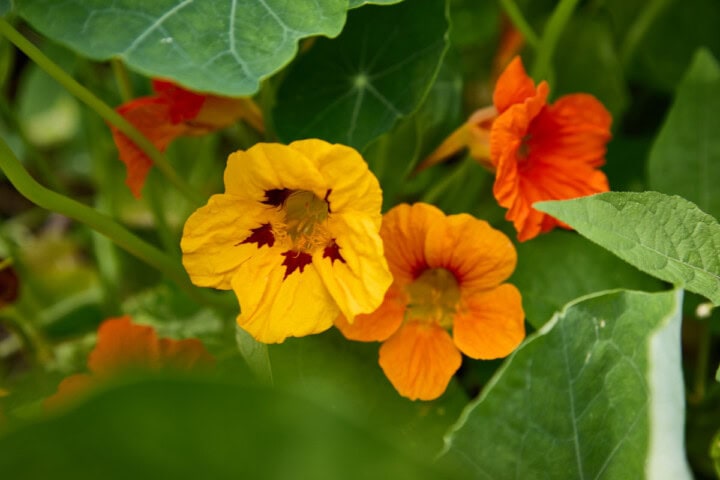
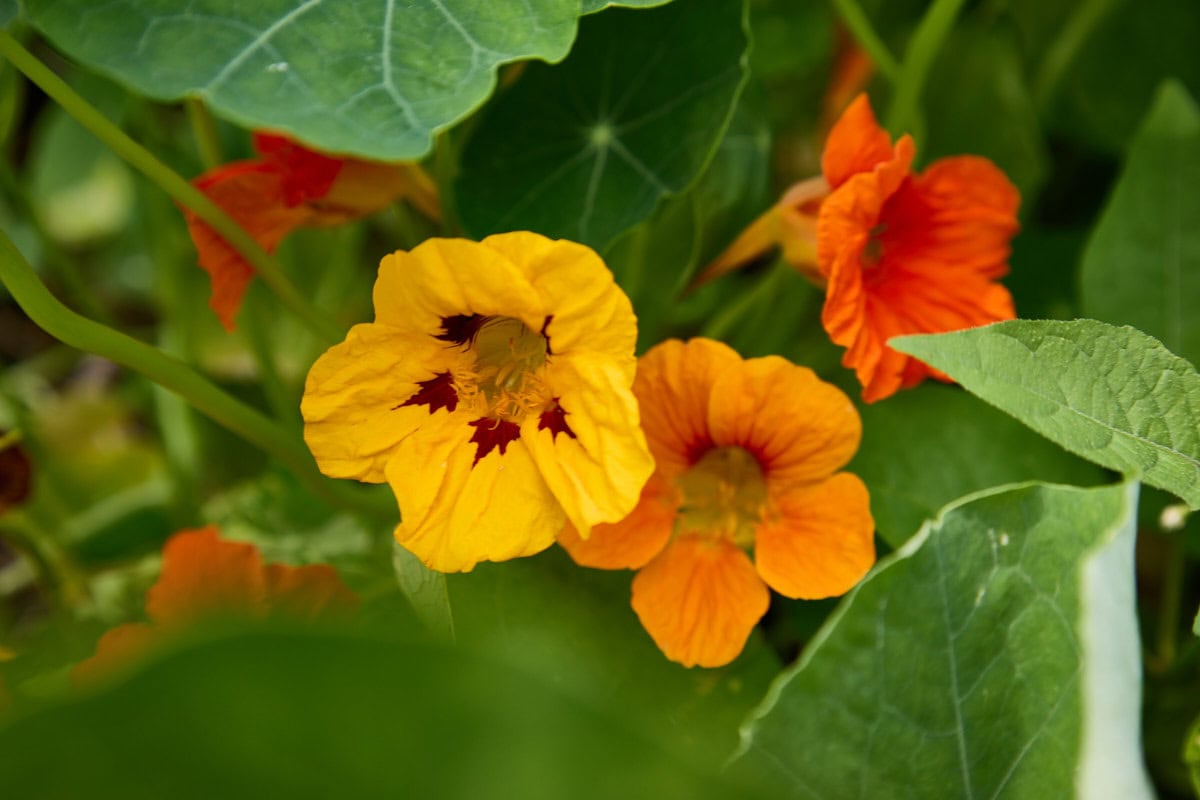
Some plants on my list can fit both categories, such as nasturtiums. I use both the flowers and the leaves for the delicious peppery flavor they can lend to a salad. Plus, the flowers make such a beautiful presentation.
📊This year's master herb chart
Here's my master list this year. It's likely too small to read here, but this illustrates how I manage the delightful insanity of it all. (If you're interested in seeing this entire list in a more legible format, I've also included it below at the bottom of the post.)

I use color coding to show which plants I'm growing in the main ways I include herbs in my garden each year.
Perennials/biennials that resprout
These ones will survive the winter and return to my herb garden from the previous year.
Starting from seed under my grow lights
I have 2 shelving units with six T5 grow light fixtures, one on each shelf. This gives me room for 24 flats of 18 starter pots each, for a total of 432 herb, flower, and veggie plants. Every year I create a huge self-imposed, sweaty spreadsheet battle with the numbers to fit in as many of my varieties here as I can.
And then I get really greedy by adding more cold-weather varieties (like lettuce) that can go outside quickly, and will allow me to get more flats in with quick succession. Then my plant greed escalates even further when I spread out the seedlings into multiple additional flats, which I start to hoard on the floor around the light fixtures.
This year I'm planning an additional round of veggie seeds under the lights for the fall, which I normally sow directly in the ground. I don't have a long enough growing season in my cold climate for this to be really successful for most varieties. I'll try to get these fall seeds planted under the lights as soon as I get my spring crops in the ground. What I really need is a greenhouse!
Buying as plants
This includes varieties that may not grow from seed (like many mints, French tarragon, etc), or because I've run out of room under my grow lights. Sigh.
Direct sowing
Herbs that grow well when sown directly into the garden.
Cuttings
I take cuttings from some of my plants in the fall and bring inside to root over the winter and plant again in the spring.
Wait-and-see varieties
These haven't sprouted yet, but may still appear in the garden or under the lights.
Varieties that don't sprout, are canceled in my orders, or don't survive the season
These are some of the ways I'll need to wait another year to grow some of my varieties. This is such a challenging and humbling life lesson each year! It certainly makes me appreciate the herbs that I have even more.
🌱Seedlings I've started under my grow lights
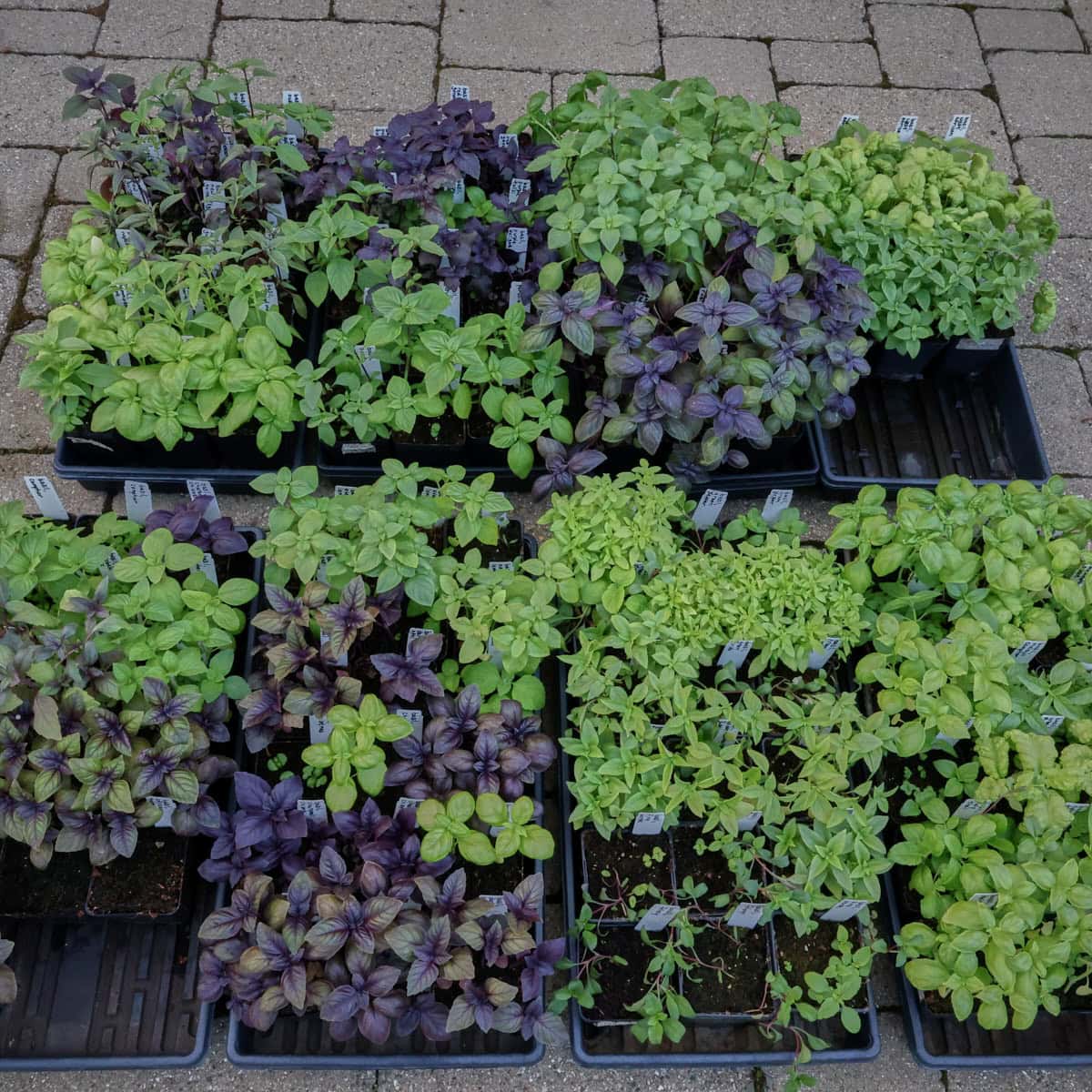
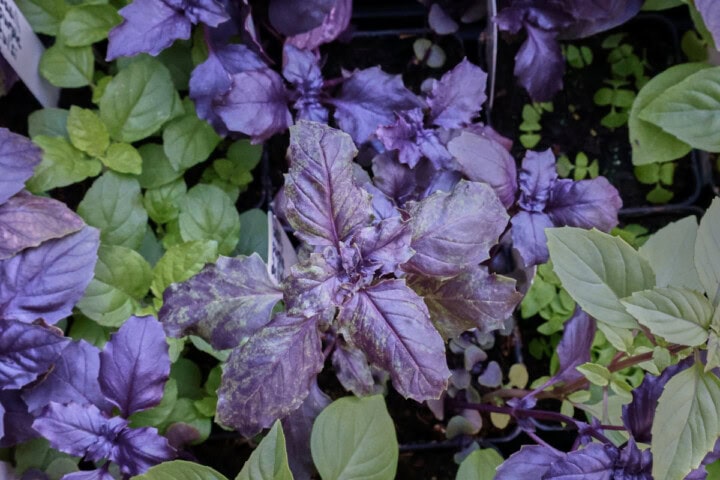
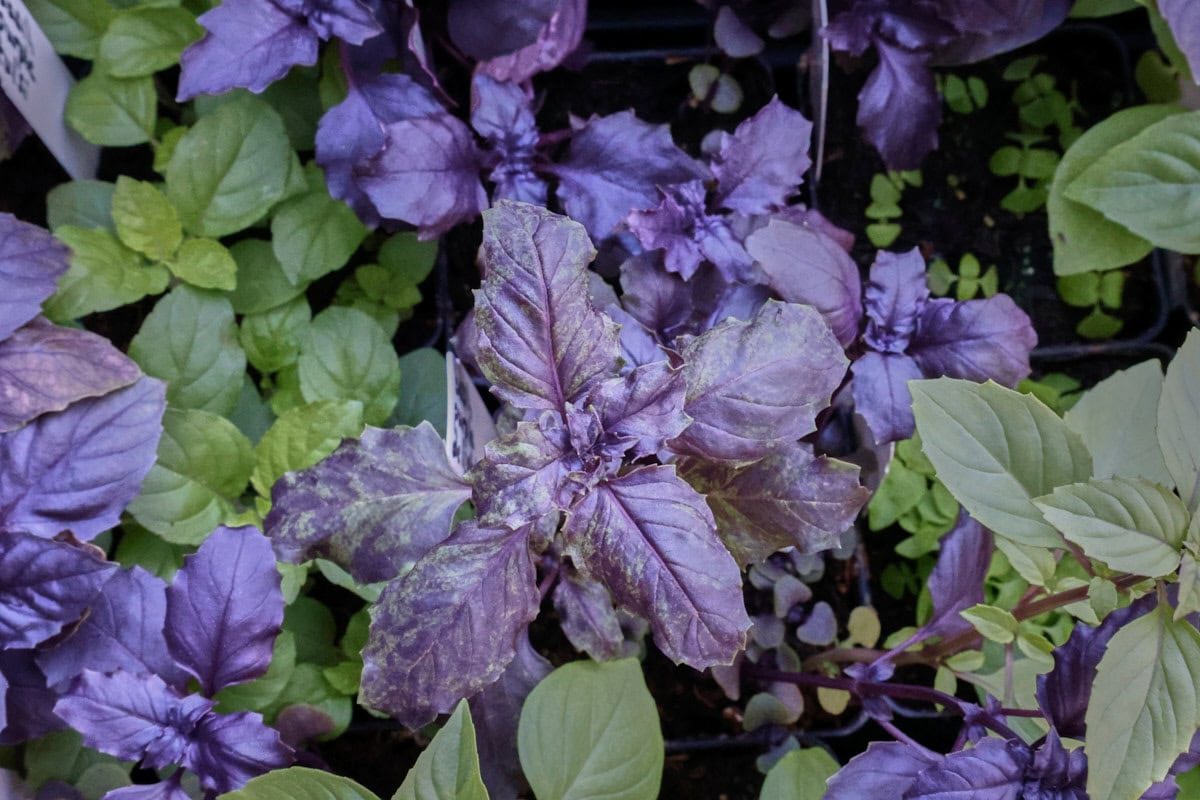
Here are many types of basil seedlings I've grown from seed this year under my lights. These varieties come from all over the world and are completely different from the ones I grew last year: 38 Types of Basil to Grow in Your Herb Garden, Part 1. And using those basil varieties, here's my own Vegan Tulsi Masala Chai Recipe with Garden Holy Basil that I hope you'll find as special as we do!
This year, I'm thrilled to introduce even more basil varieties, each with unique flavors and uses in my recipes. I've updated this post to also include the basils I've grown this year: 45 Types of Basil to Grow in Your Herb Garden, Part 2.
💎Annual and perennial herbs that are hard to find

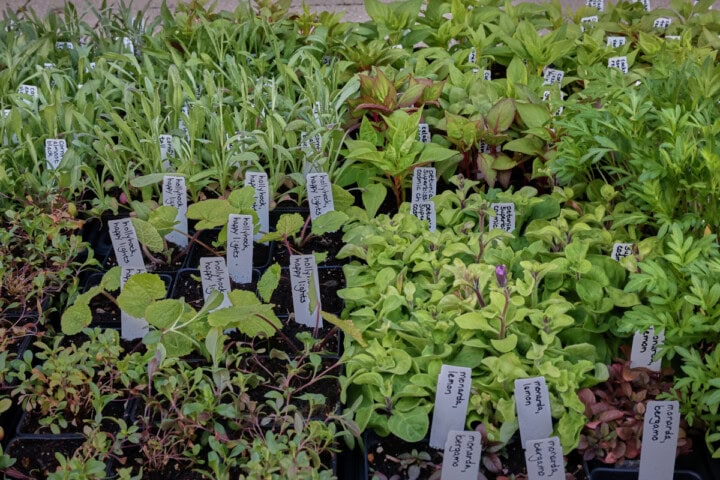
Every year I seek out rare and exciting types of herbs that are generally hard to find as seedlings in nurseries or at farmer's markets. When possible, I order and start them from seed. This is so much more economical than buying them as plants. And it's the only way some of them are available. It's such a delight to watch them sprout and grow under my lights during the freezing winter months.
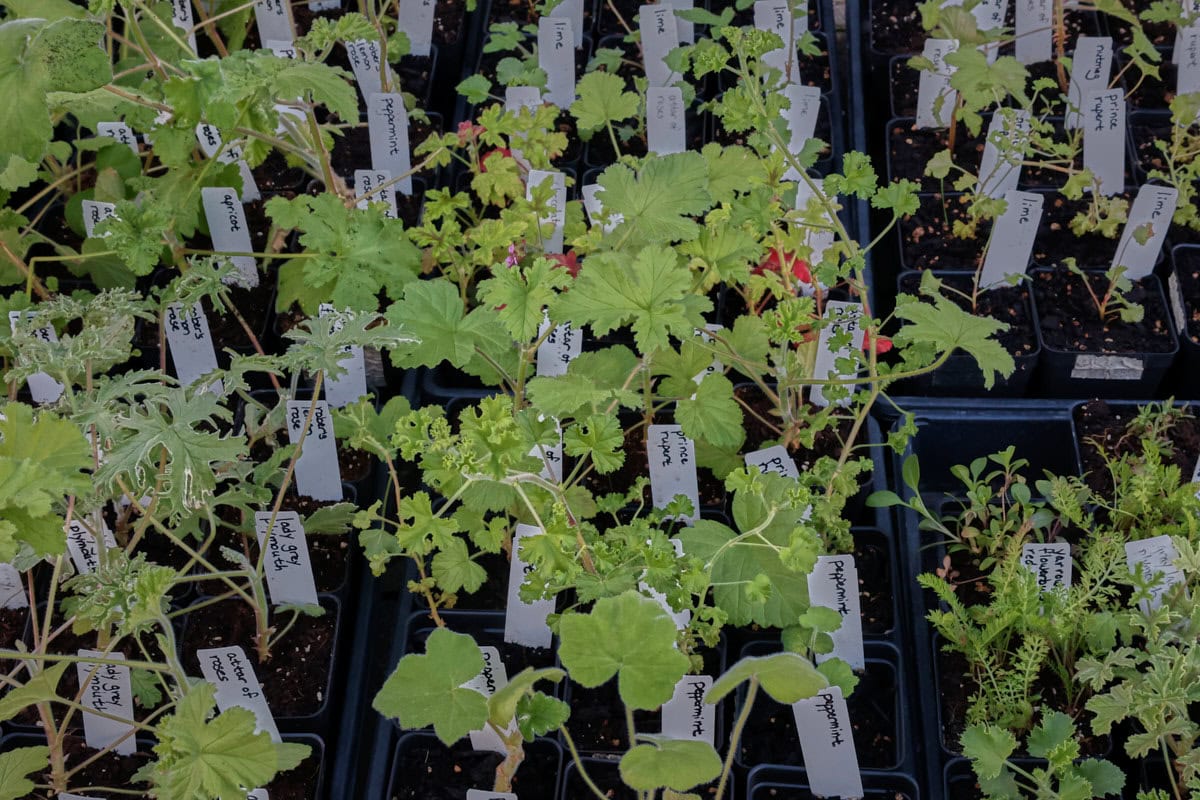
🌺Cuttings of last year's scented geraniums to create new plants for spring
This can really save money on plants that don't grow reliably from seed, and really help to multiply the quantities of plants.
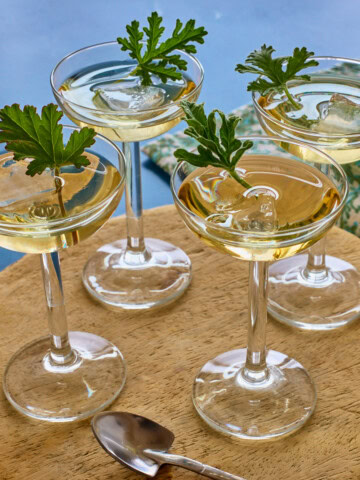
I also have a post about how to create scented geranium cuttings like the ones below, as well as scent notes on 26 delightfully fragrant varieties.
26 scented geranium varieties to grow: culinary scents and cuttings
💐Flowers, many of them edible
These may or may not be included in my herb list (depending on their level of culinary potential).

🌿More herb posts you'll love, straight from the garden
Here are some updated posts with herbs that I've grown, many of which using the ones from this post!
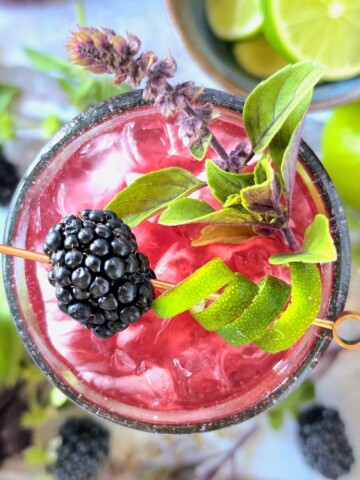
- Best guide to 54 types of mint to grow with scent profiles
- Homemade Crème de Menthe Guide: 6 Versions Reviewed
- 9 Homemade Vin d'Orange Versions with Herbs, 30 Taste Tests
- Homemade Lemon Verbena Liqueur (Liqueur de Verveine)
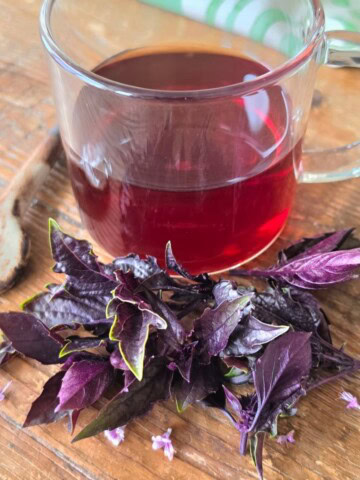
- White Balsamic Basil Vinaigrette with Green or Purple Basil
- Lavender Liqueur Recipe - Liqueur de Lavande Recette
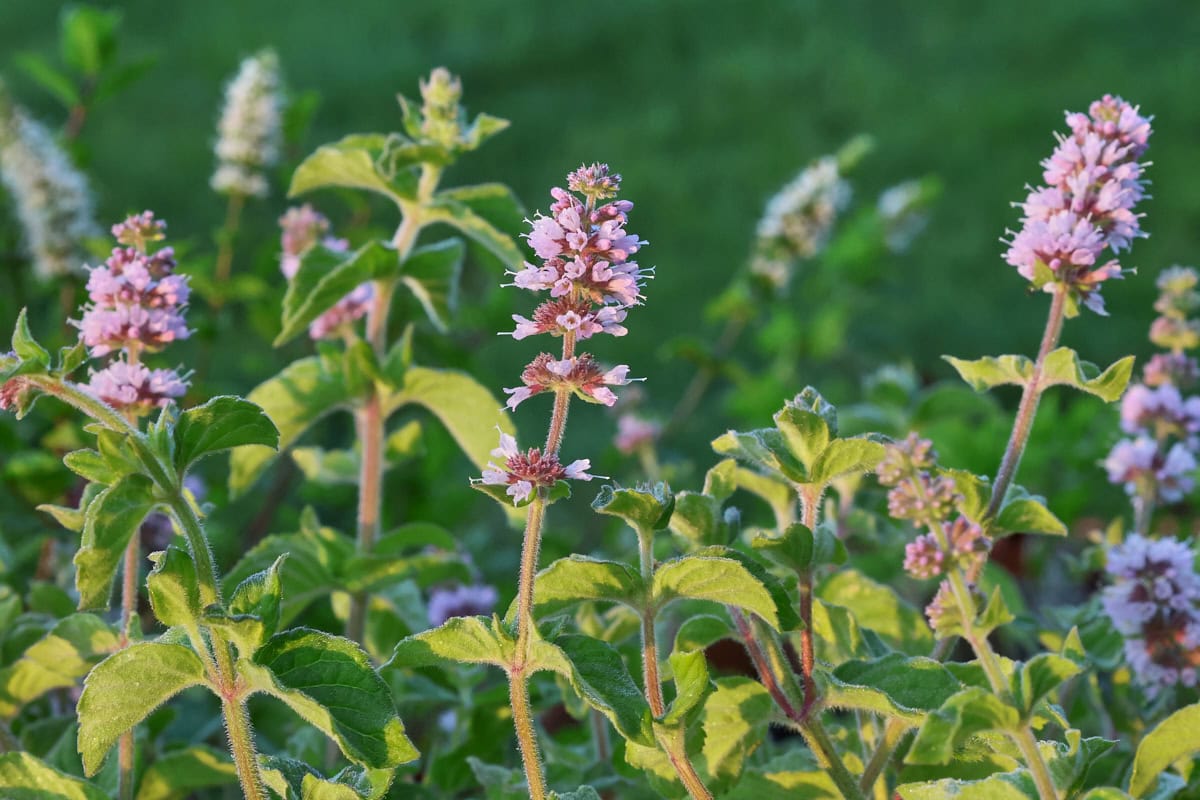
Here's some flowering wintergreen mint in the photo below.
📋This year's master herb list
Ok, if you've made it this far, I'm beyond grateful for you bearing with me! And if you're a glutton for punishment, here's the entire list of herbs I'll be growing this year from the color-coded spreadsheet above. It's going to be a thrilling year in the herb garden!
The varieties with an asterisk are varieties I'm growing for the first time this year.
Agastache
- Anise hyssop
- Apache sunset
- Arcado pink
- Korean green
- Raspberry daiquiri
- Rose mint
- Texas hummingbird mint
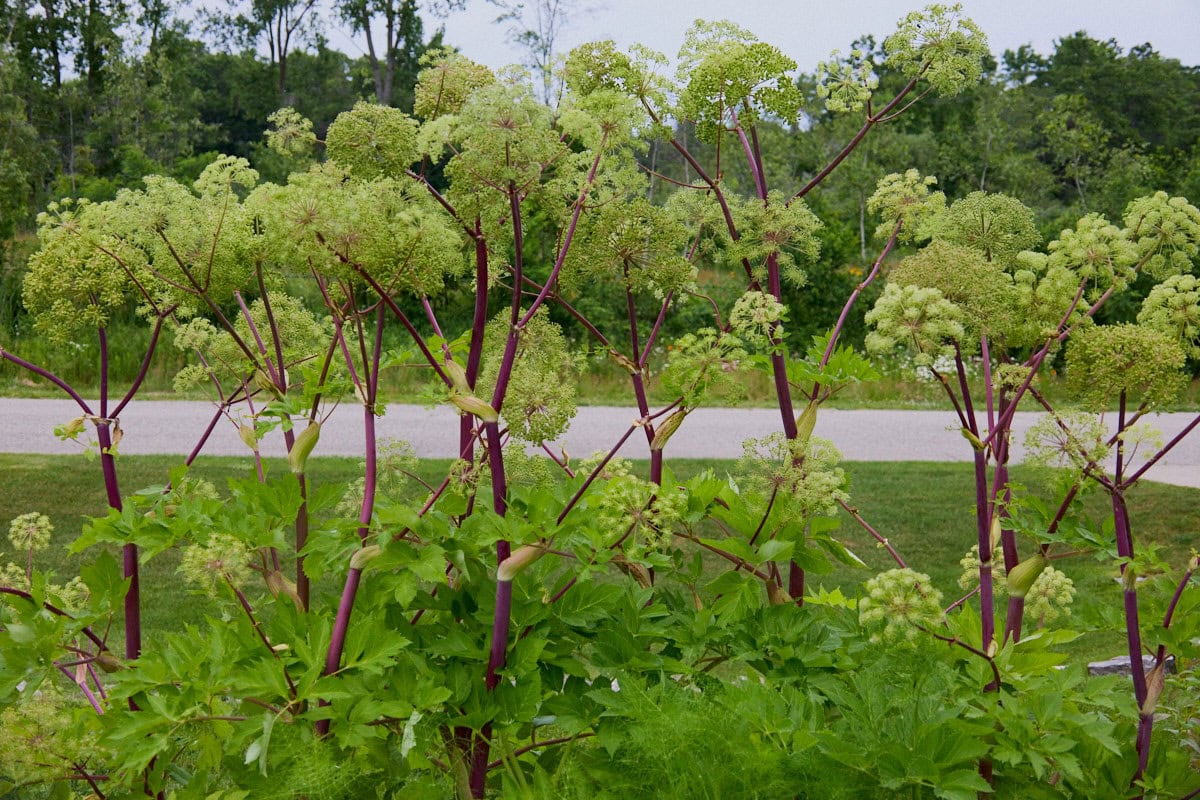
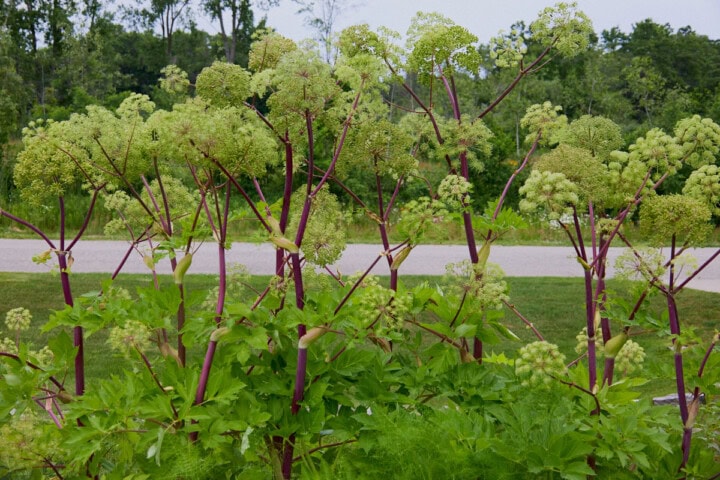
Angelica
(In the photo above)
Balm
- Lemon limoncello
- Lemon Quedlinburger Niederliegende*
- Lime
- Orange
- Variegated lemon
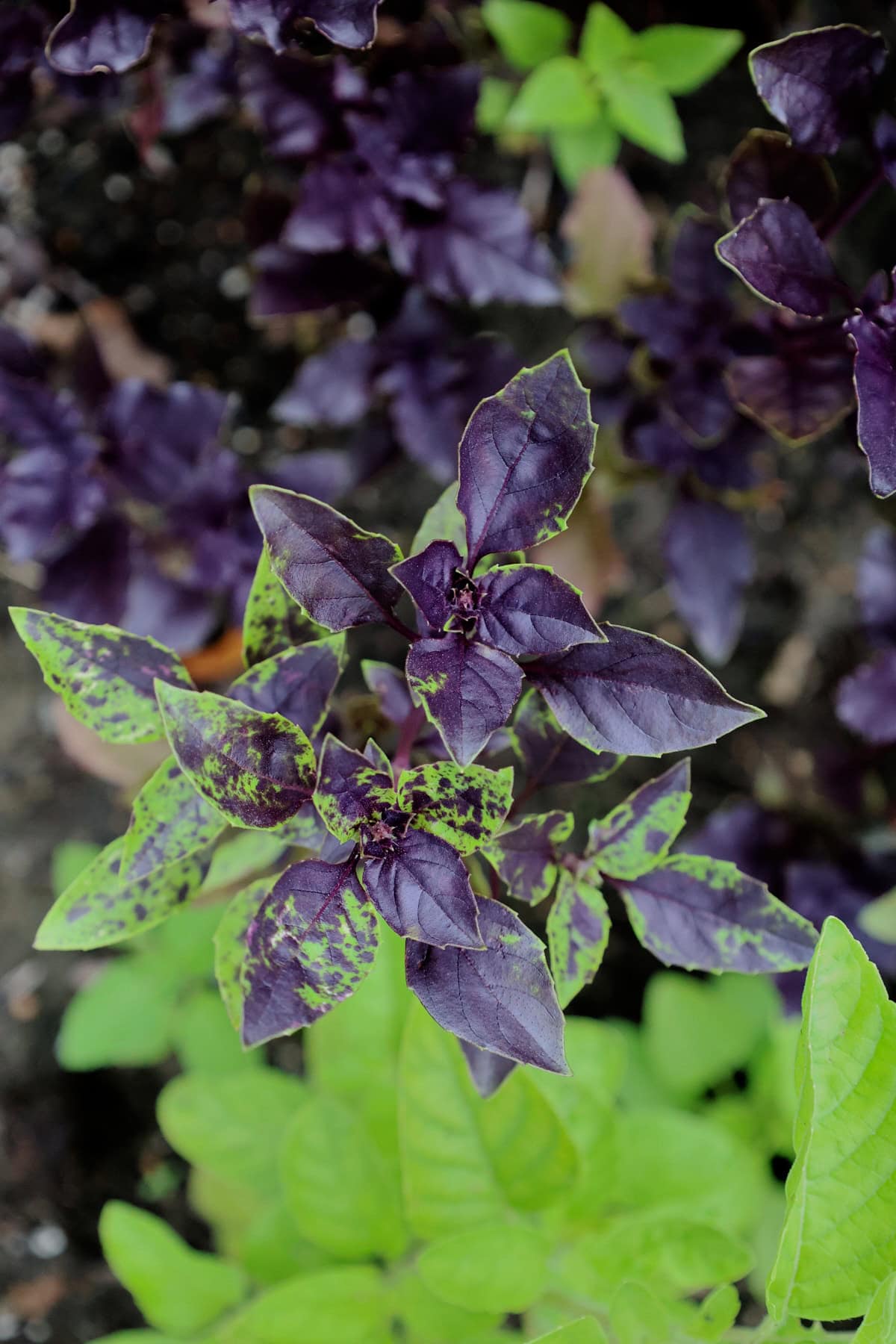
Basil
- African nunum*
- Amethyst improved*
- Ararat*
- Besobela coarse*
- Camphor kapoor*
- Charamel chianti*
- Christmas*
- Crimson king*
- Dark opal
- East Indian (tree basil)*
- Everleaf lemon*
- Feleny*
- Fino verde*
- Floral spires*
- Golden mountain sweet Thai*
- Green (viride)*
- Green globe
- Green pepper*
- Green ruffles*
- Holy (This is so vague that I'm intrigued as to which one this is compared to my previously-grown specific holy ones from both India and Thailand.)*
- Italian mountain sweet*
- Keira*
- Malawi camphor*
- Mammoth sweet*
- Married man pork*
- Napoletano
- New Guinea (from 2 separate vendors with photos that look like different varieties; it'll be fun to compare them!)*
- Opalescent*
- Ouzo*
- Peruvian*
- Punsch*
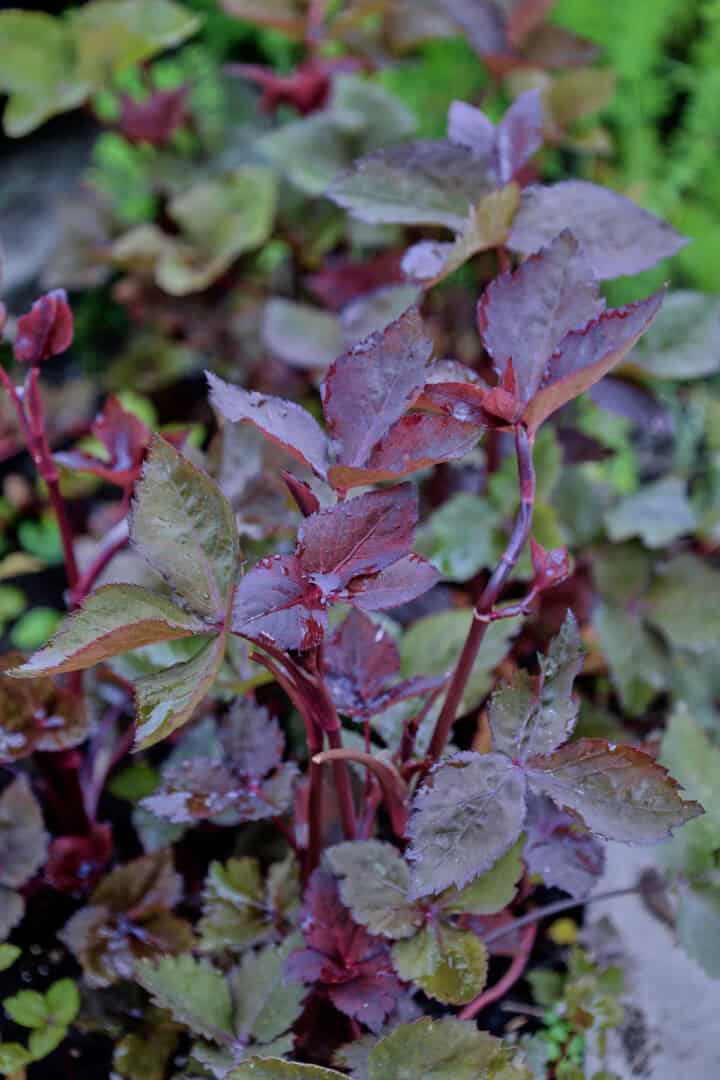
- Purple delight* (In the photo above, with some beautiful color variegation.)
- Purple tulsi*
- Red Freddy genovese*
- Red Rubin
- Reyhan Sabz*
- Sacred purple (It'll be interesting to compare to purple tulsi above, as well as my previously-grown tulsi varieties.)*
- Scent leaf*
- Siracusa*
- Snowball*
- Toscano*
- Valentino*
- West African*
Bay laurel
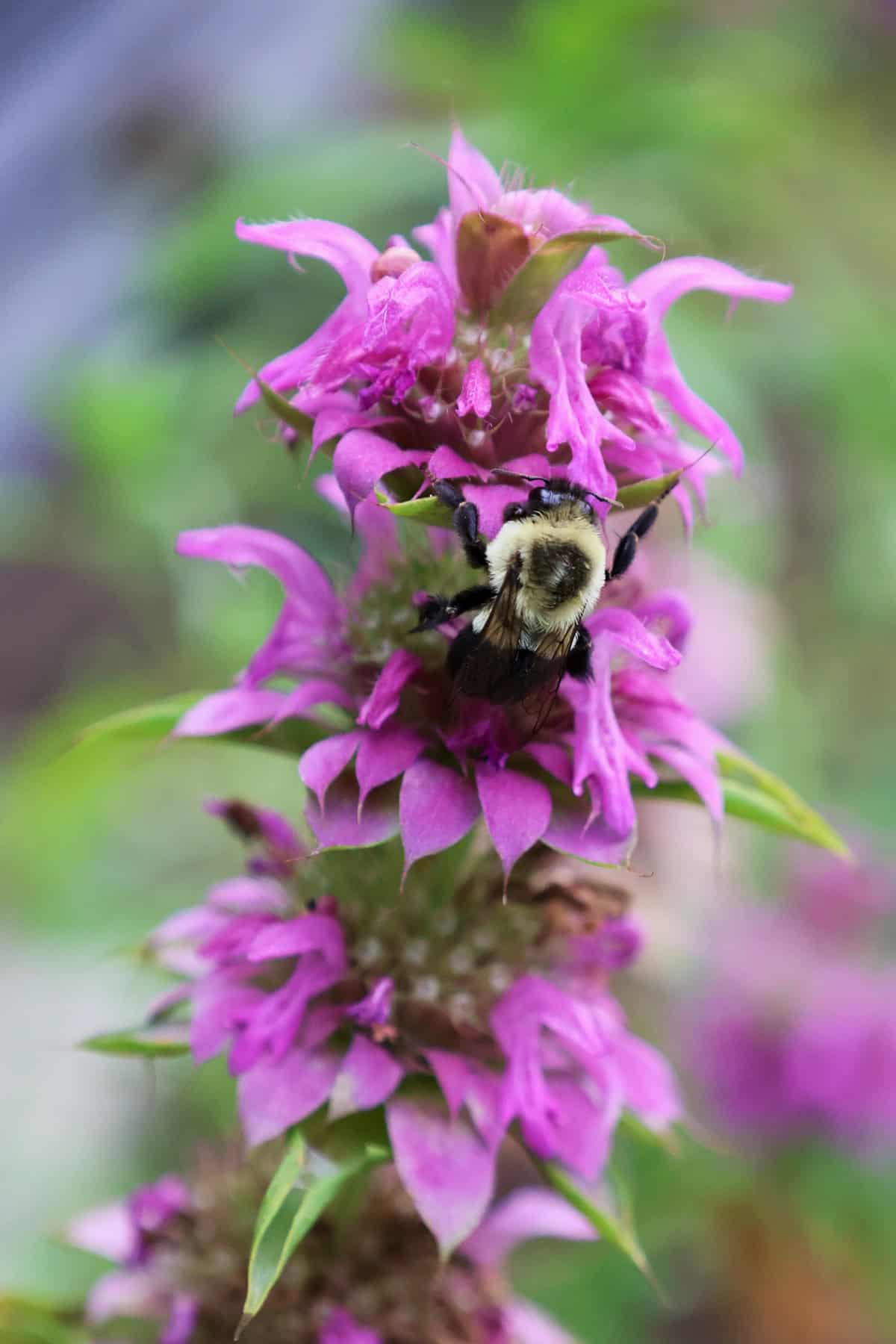
Bergamot/monarda/bee balm
(I've ripped out several beautiful but powdery mildew-prone varieties from last year. I'm so done dealing with this! Hopefully these ones will be much more resistant.)
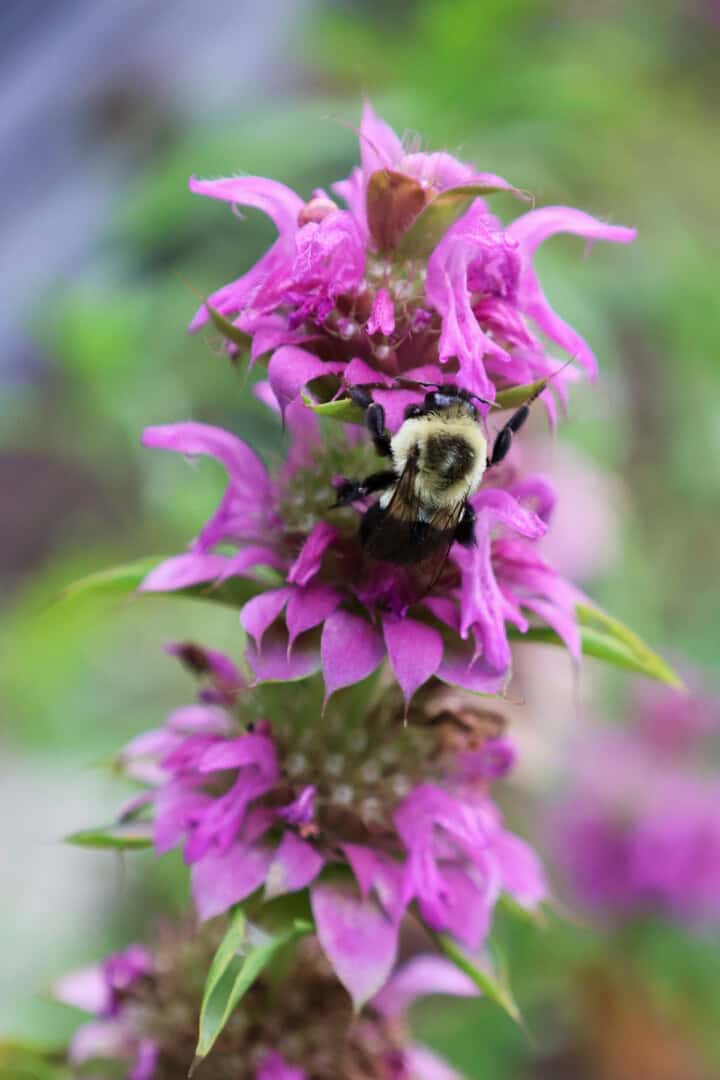
- Bergamo (In the photo above)
- Grand marshall*
- Judith's fancy fuchsia*
- Lemon mint
- Purple rooster*
Betony*
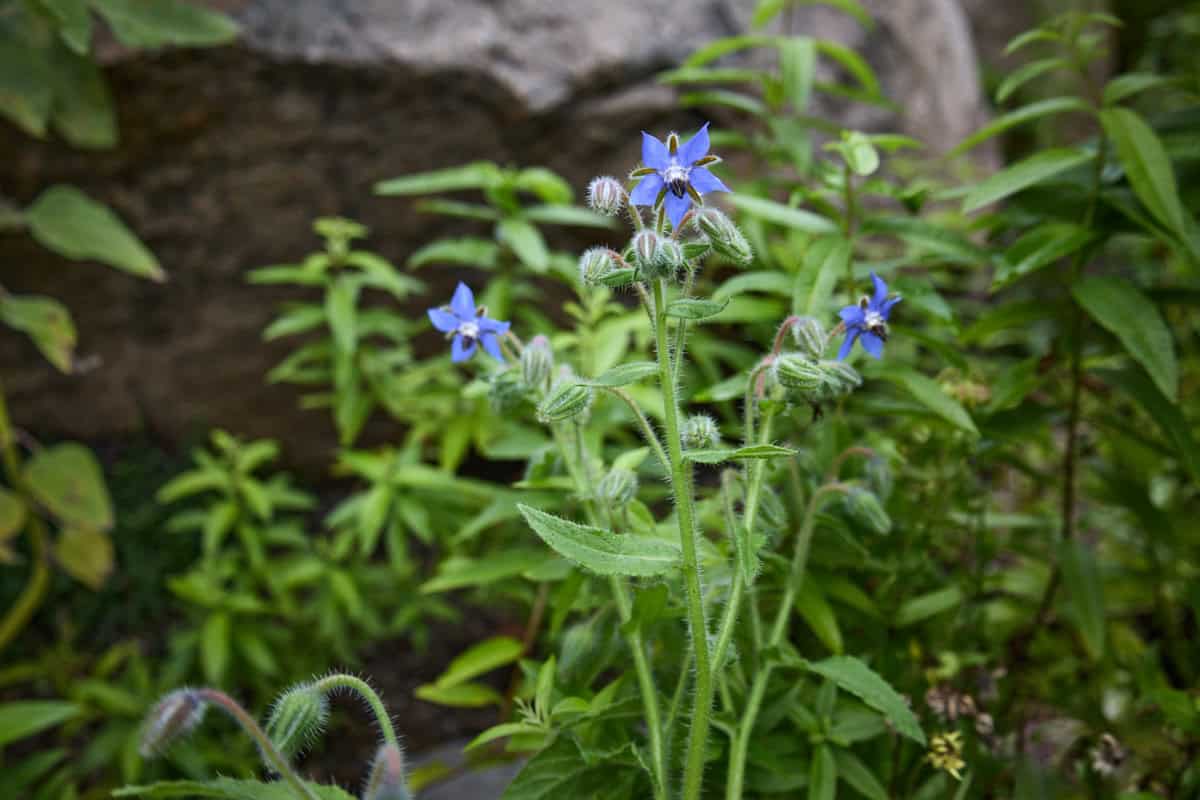
Borage
(In the photo above)
Burnet, salad
Calamintha/calamint
- Common
- Dark blue panther
- Grandview
- Marvelette blue
- Pink panther
Calendula
- Alpha
- Oopsy daisy
- Orange king
- Pacific beauty mix
- Zeolights
Catnip
- Common
- Lemon

Chamomile
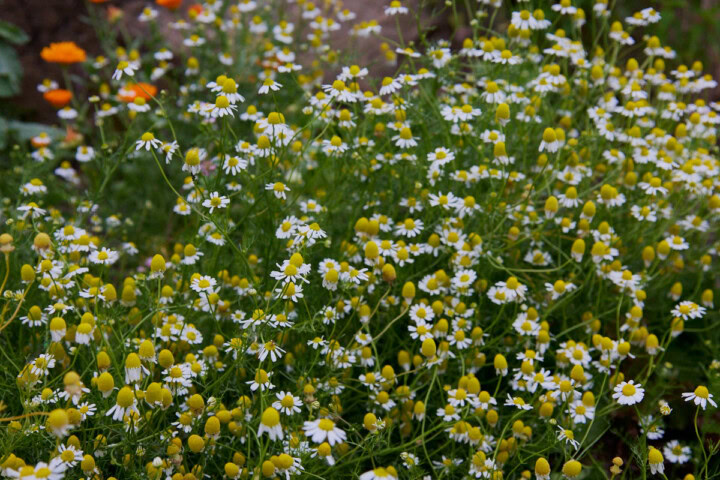
- German (In photo above)
- Roman
- Zloty Lan
Chervil
- Various types
Chives
- Common
- Garlic
- Nira
- Profusion
Cilantro/coriander
- Rak Tamachat*
- Various other types
Clove pink
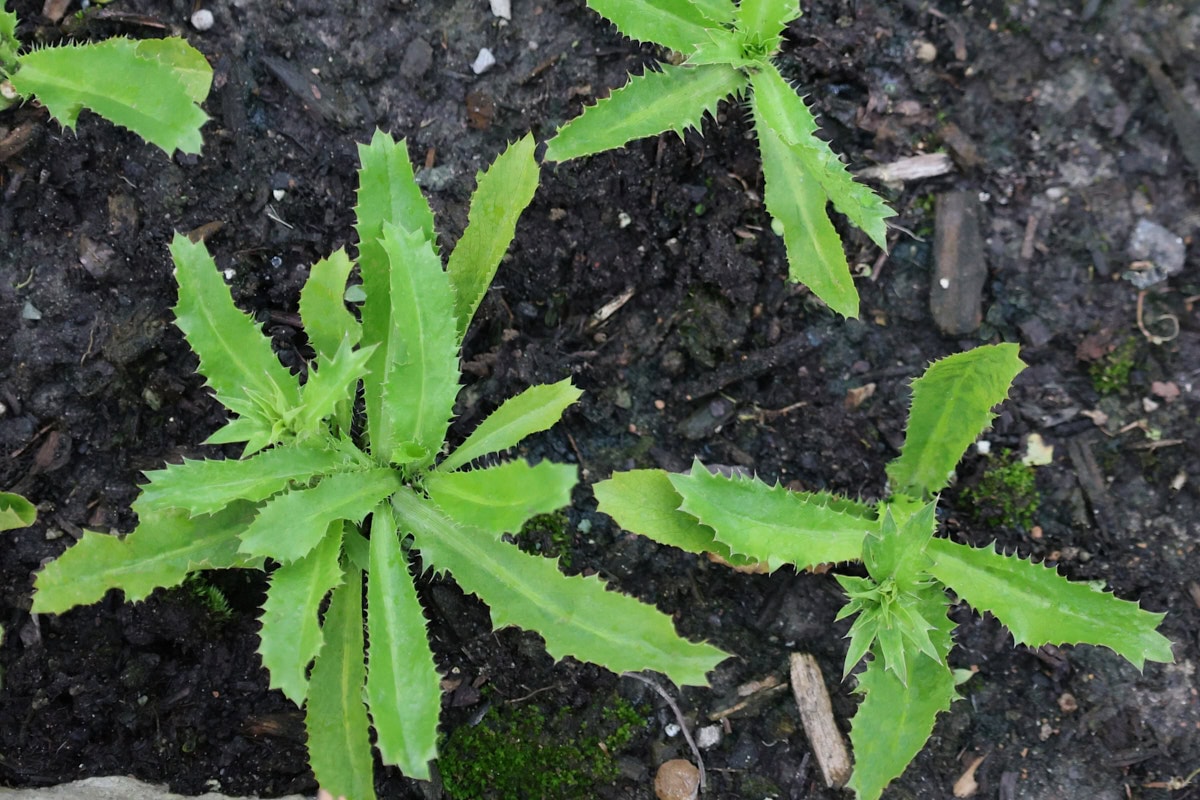
Culantro (Mexican coriander)
(In the photo above)
Dill
- Various types
Dittany, American*
Dock, bloody
Echinacea
(I planted these last year, but they haven't flowered yet; so I'm counting them as new to me. It's hard to wait for that second year for perennials like this. I'm so excited to finally see the flowers!)
- Cheyenne spirit*
- Double decker*
- Paradiso mix*
- Paradiso super duper*
- Pow wow wild berry*
- Prairie splendor deep rose*
Elecampane
- Julie's*
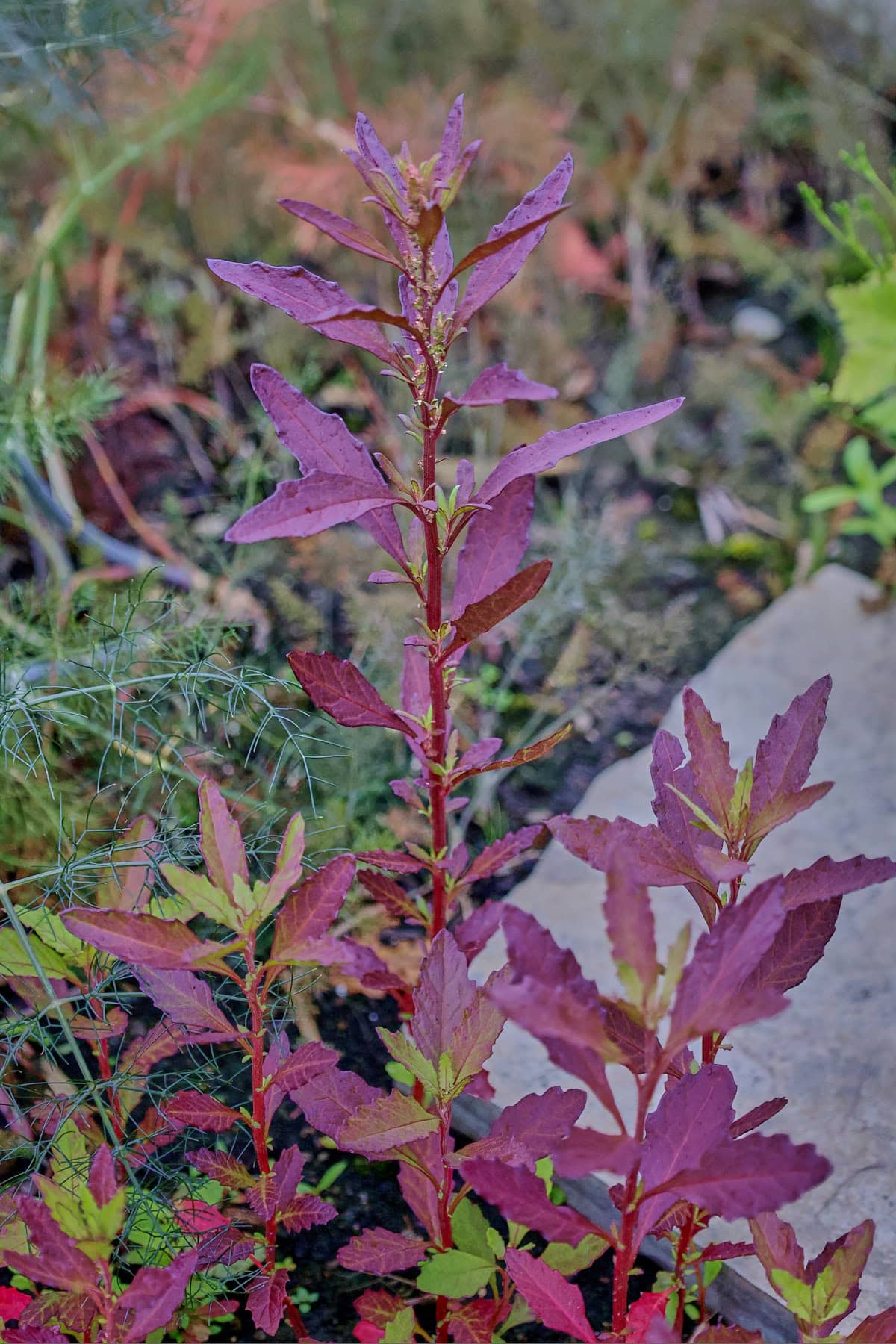
Epazote
- Common
- Oaxaca red* (In the photo above)
Fennel
- Bronze
- Sweet
Fenugreek
- Common
- Iranian Shambalileh*
Greek mountain tea*
(I tried growing this last year, but it didn't survive into the summer. So I'm counting it as new and crossing my fingers this year!)
Horehound
A beloved nickname I like to bestow on garden-savvy friends.
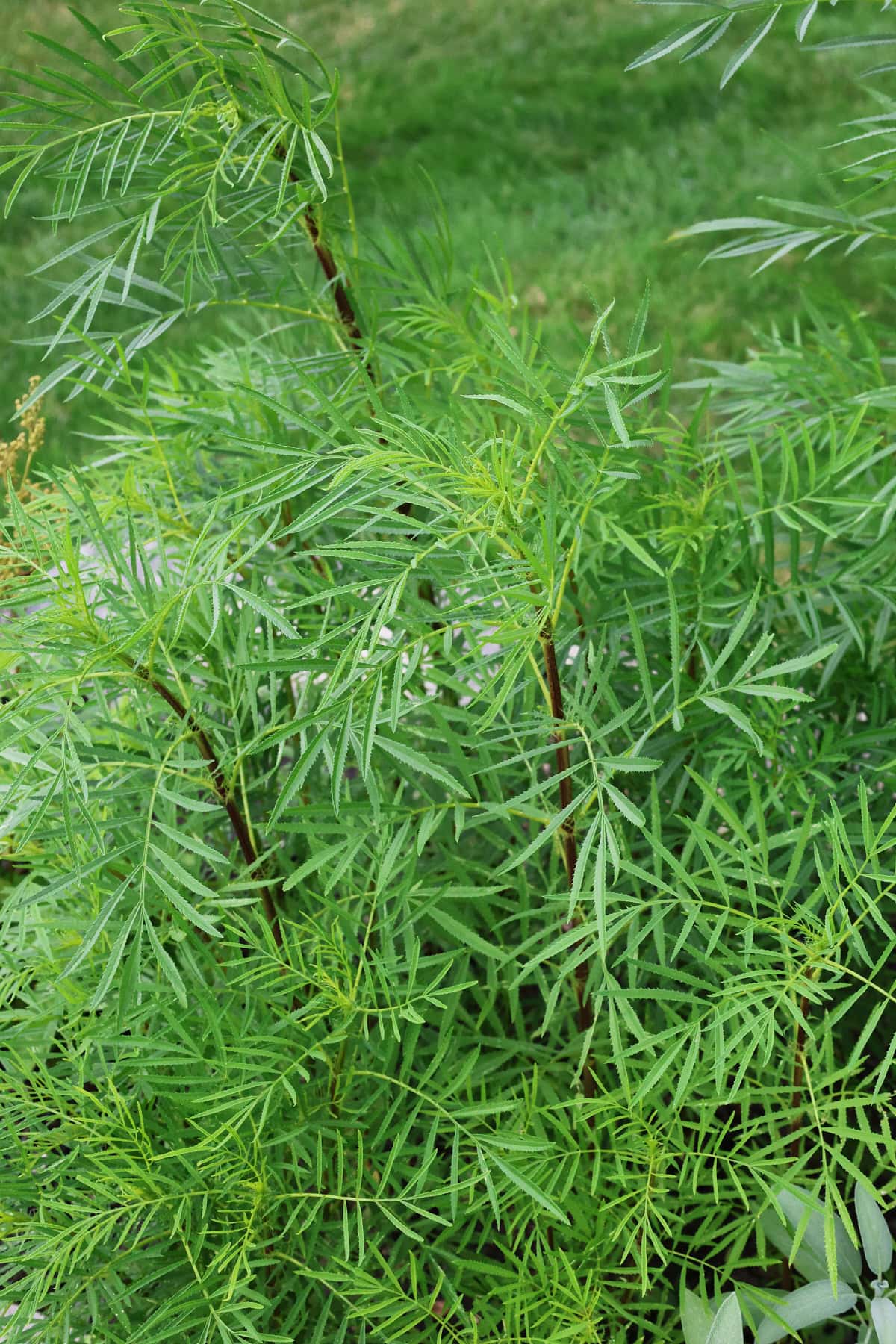
Huacatay
A culinary marigold like those below, but I like to list separately. (In the photo above)
Hyssop
- lemon* (technically an agastache, like those listed above)
- true*
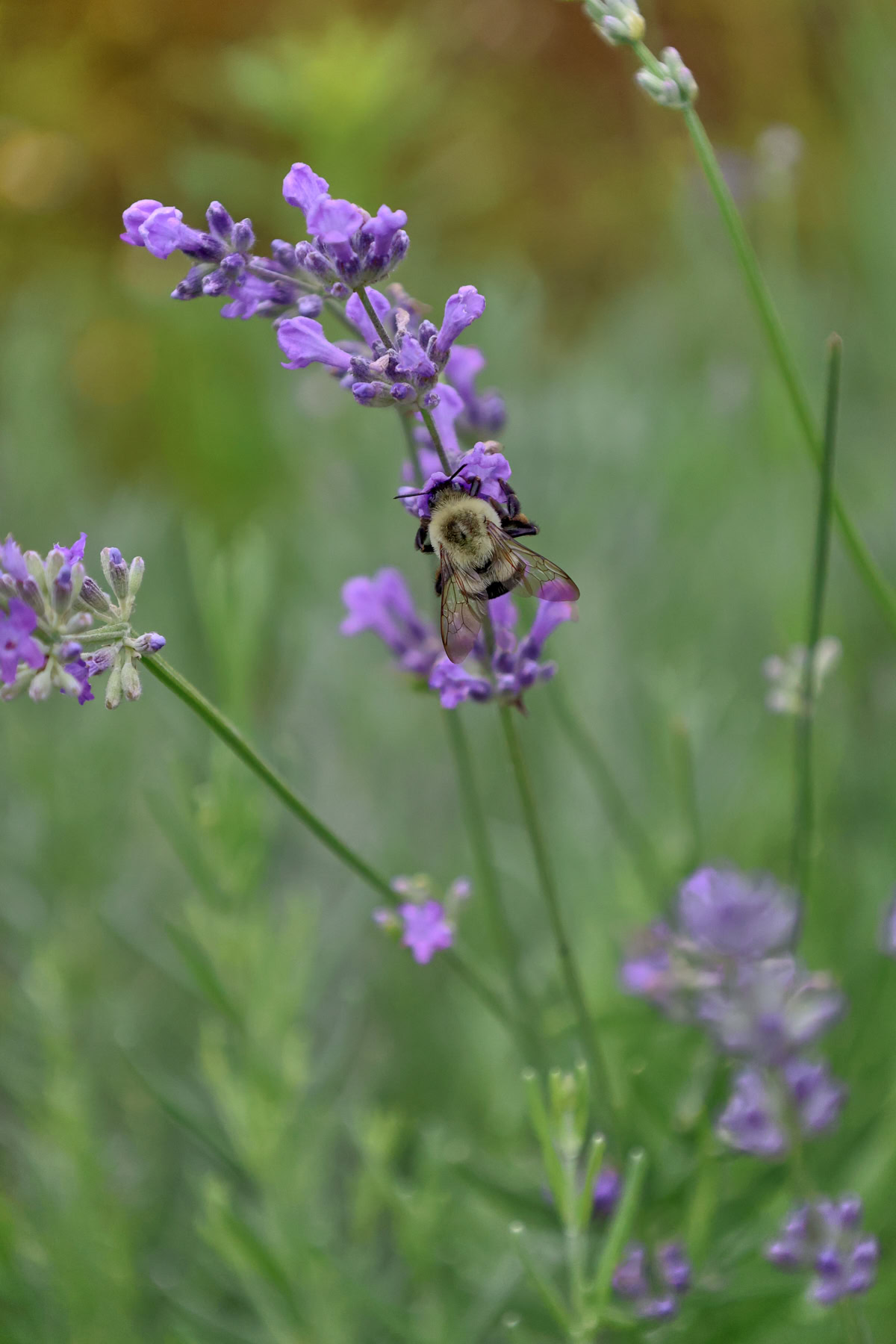
Lavender
- Ellagance pink
- Ellagance purple
- Hidcote
- Lady
- Munstead
Lemongrass
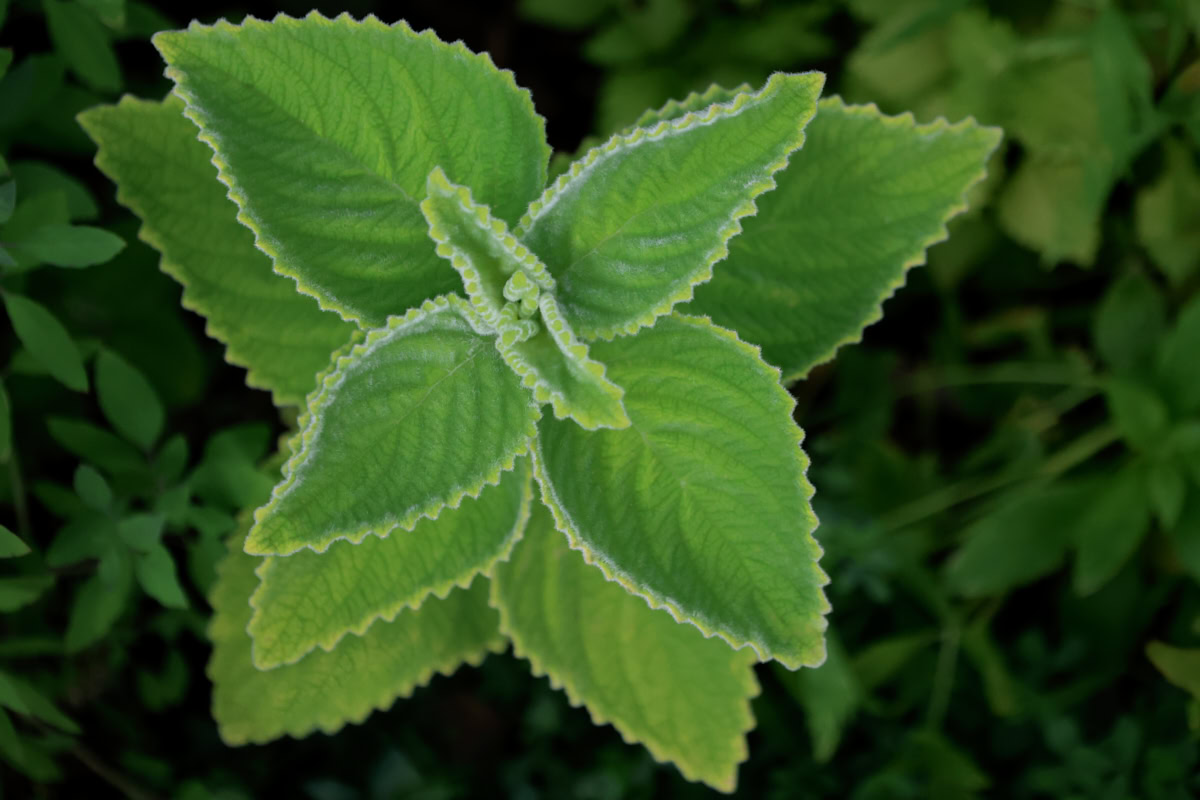
Lemon leaf*
- Mt. Carbine (In the photo above)
Lemon verbena
Lovage
Marigold
Culinary varieties; this also technically includes huacatay above.
- Lemon mint*
- Mexican mint/tarragon
- Tangerine gem
Marjoram, sweet
Meadowsweet*
This took the all of last year to really get established, so I'm counting this as new.
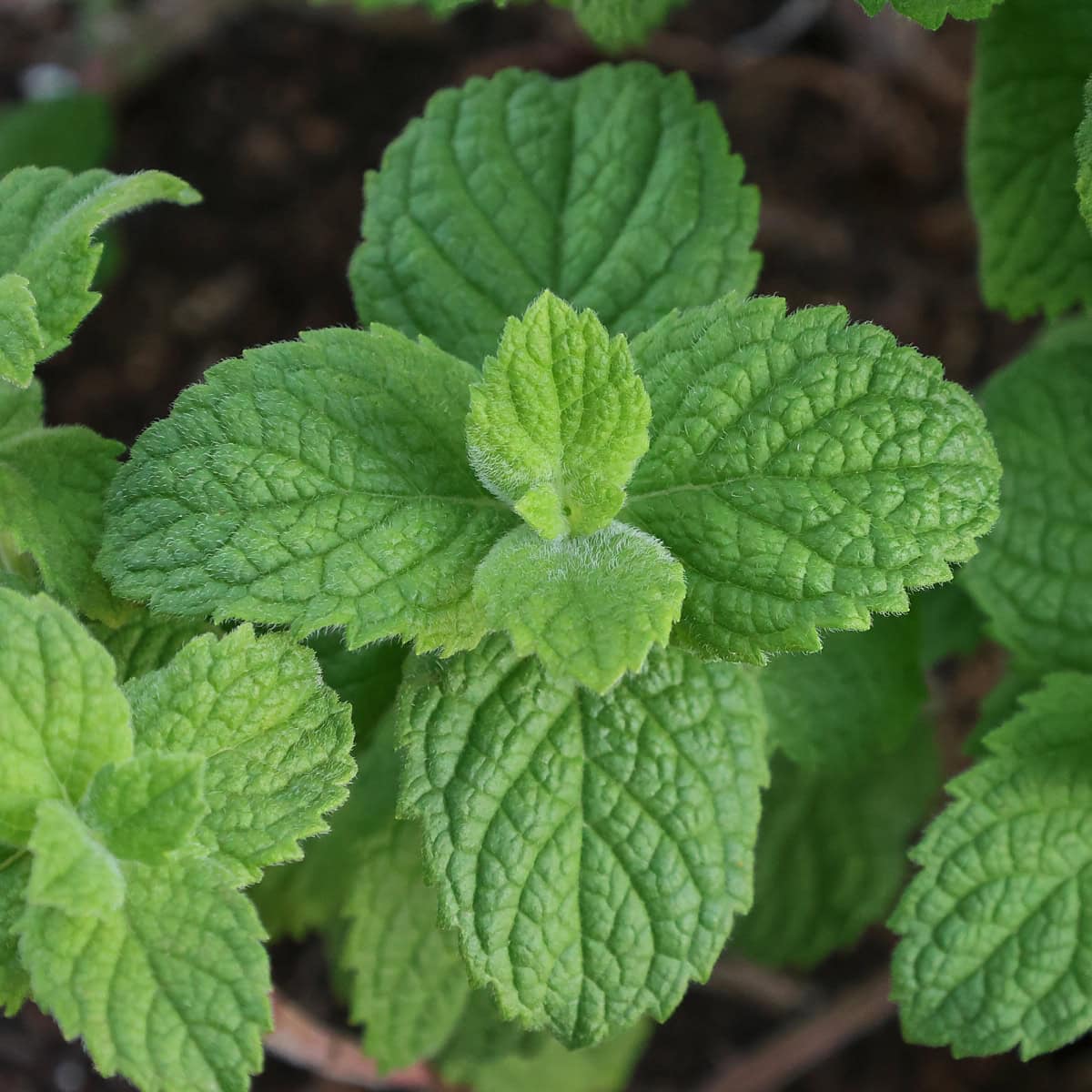
Mint
These will make a fantastic taste test this year! (Egyptian mint in the photo above)
- African potato*
- After eight chocolate*
- Amsterdam lemon*
- Apple
- Arabian
- Mint, Balkan*
- Banana
- Berries & cream
- Black mitcham peppermint*
- Blackcurrant*
- Chewing gum*
- Chinese*
- Chocolate
- Corsican
- Costa Rican/Jamaican*
- Cotton candy
- Eau de cologne*
- Egyptian*
- English
- French peppermint*
- Fruit sensations
- Fuzzy Chinese*
- Ginger
- Grapefruit
- Hillary's sweet lemon
- Iced hazelnut*
- Inguano*
- Japanese
- Julep
- Kentucky colonel
- Lavender*
- Lime
- Margarita
- Marley*
- Marshmallow*
- Mojito
- Moroccan
- Hairy mountain*
- Orange
- Orange bergamot*
- Pineapple
- Scotch
- Strawberry
- Sweet pear
- Swiss*
- Thai
- Vietnamese
- Virginia mountain*
- Water*
- Wintergreen
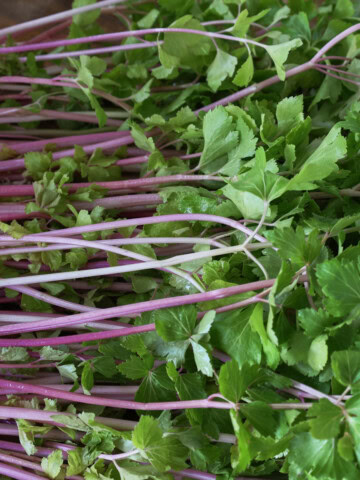
Mitsuba
- Common
- Purple
Nasturtium
- Several varieties
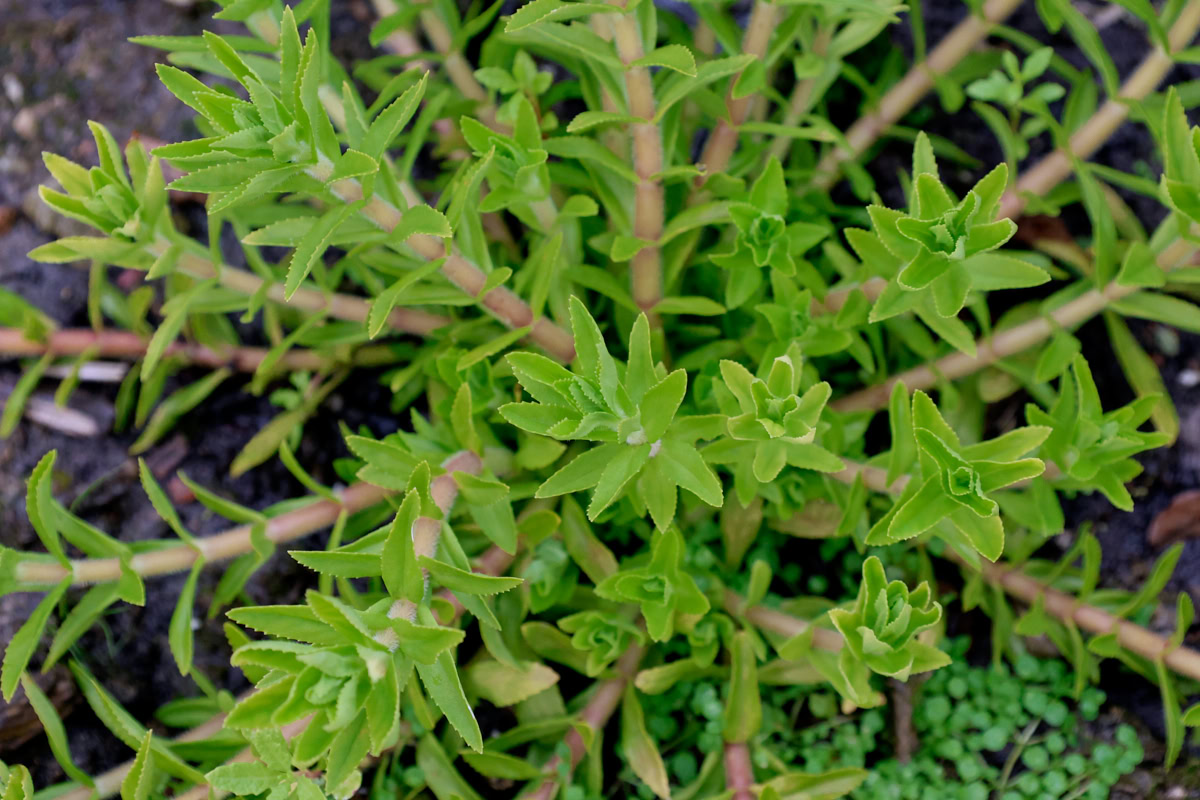
Ngo om (rice paddy plant)*
(In the photo above)
Oregano
Please also see za'atar oregano varieties, which I've listed in a separate category below.
- Golden
- Greek
- Herrenhausen
- Italian
- Mexican*
- Mexican bush*
Papalo, butterfly*
Quillquina below is also a type of papalo, listed separately.
Parsley
- Italian flat leaf
Pepicha/pipicha*
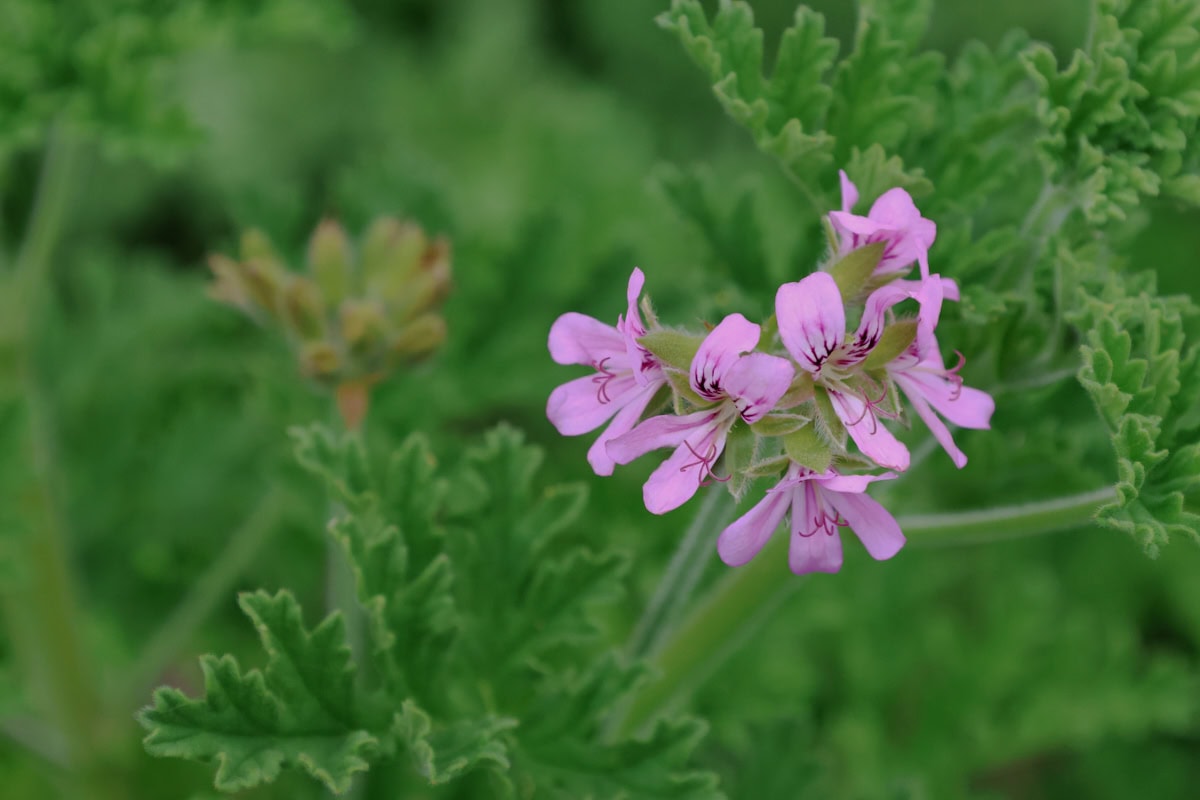
Pelargonium (scented geranium)
- Angel's perfume*
- Apple*
- Apricot
- Ardwick cinnamon*
- Attar of roses
- Chocolate mint
- Cinnamon
- Clorinda*
- Frensham lemon*
- Ginger*
- Grey lady plymouth
- Lemona*
- Lemon crispum major*
- Lime
- Mabel Grey
- Nutmeg
- Orange fizz*
- Peppermint
- Prince of orange*
- Prince Rupert*
- Quercifolia*
- Rober's lemon rose
- Scarlet unique*
- Select northern pine*
- Strawberry
- True rose* (In the photo above)
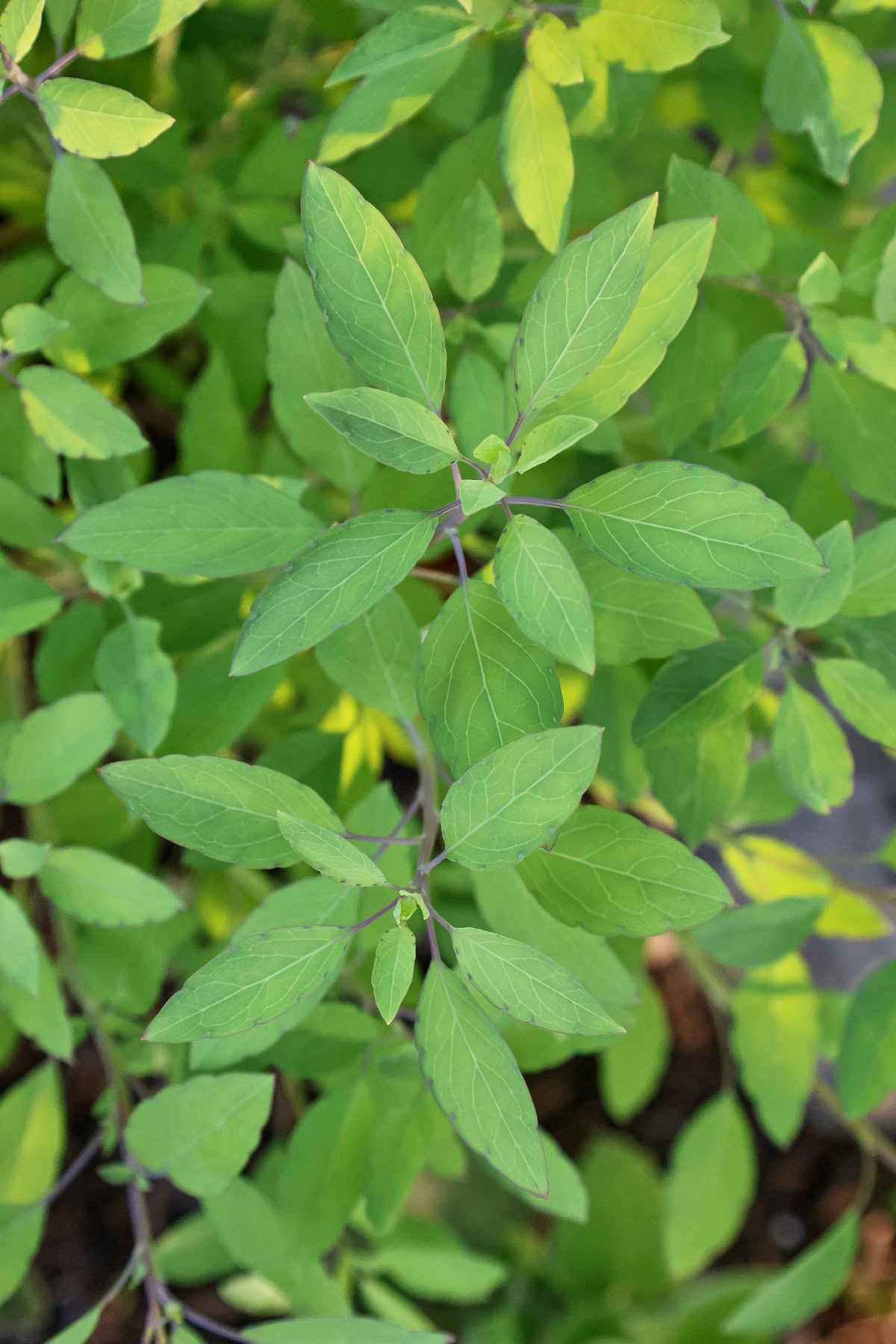
Quillquiña
A type of papalo, which I've listed separately. (Quillquiña in the photo above)
Rau ram (Vietnamese cilantro/coriander)*
Rosemary, arp
Rungia klossi (mushroom plant)*
Sage
- Clary*
- Common
- Extrakta*
- Purple
- White dalmatian

Salvia
Some have survived and are resprouting from last year, but it's too soon to know which ones these are. Time will tell!
- Amore purple
- Blue monday sage (In the photo above)
- Rose rhapsody
- Sirius blue
- Sky dance
Savory
- Lemon*
- Summer (aka Lebanese za'atar)
- Winter
- Winter lemon
Sculpit (bladder campion)*

Shiso/Perilla
- Green ohba ao
- Hojiso*
- Kkaennip Korean*
- Purple (I'm still waiting on both these and the Vietnamese ones below; they didn't sprout under my lights this year, but some may be coming up in the herb garden from last year's plants reseeding.)
- Red (In the photo above)
- Vietnamese
Shungiku (edible chrysanthemum)*
Sorrel, profusion
Stevia, common
This year I didn't also plant improved varieties like candy or sweetie star like in previous years, as there were too many other new things to try out and fit under my lights. Plus, stevia can be a finicky germinator.
Sweet cicely
Sweet william
Sweet woodruff
Tarragon, French
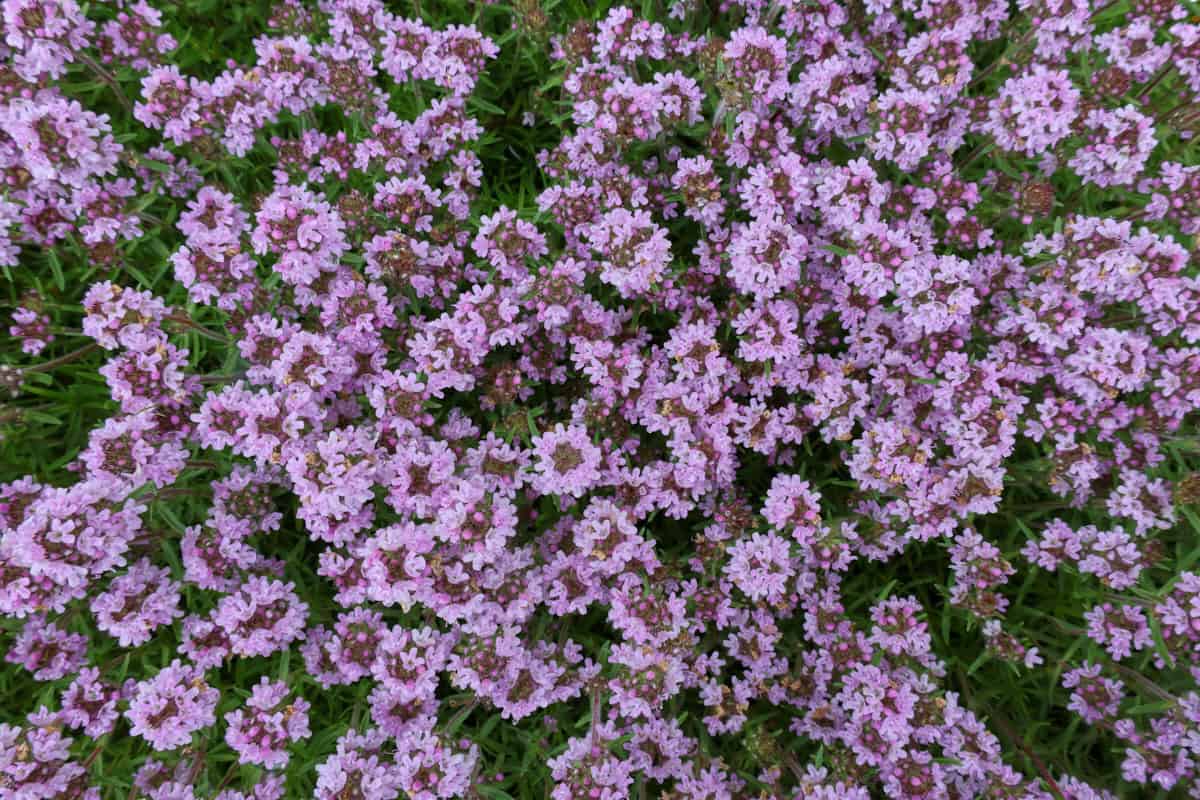
Thyme
- Caraway
- Creeping lemon
- English (German, common)
- French
- Lavender
- Lemon variegated
- Lime
- Mint
- Orange
- Orange spice (In the photo above)
- Purple carpet lemon
- Rose petal
- Royal
- Spanish*
- Spanish lemon*
- Spanish red*
- Spiked
- Wild
Watercress
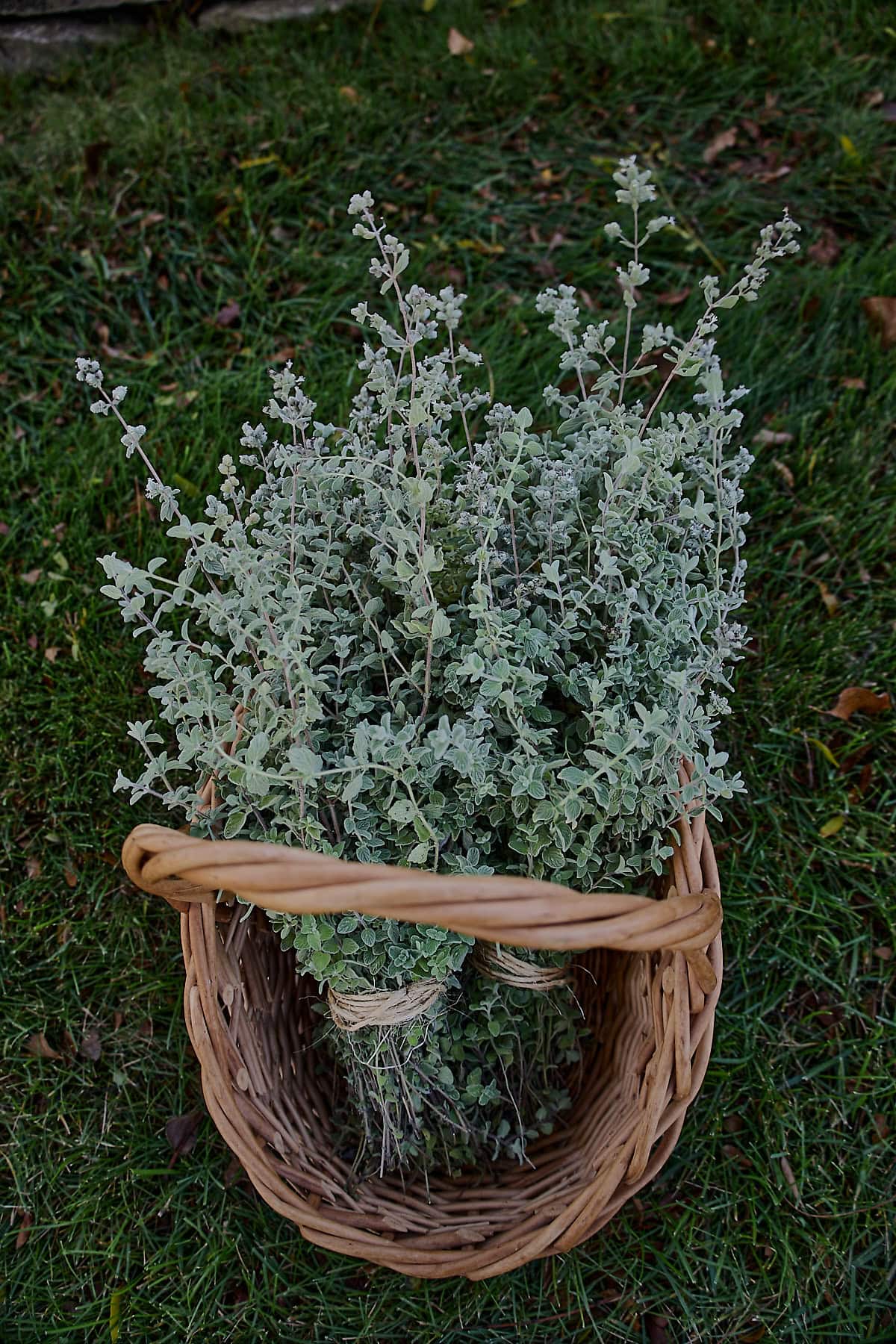
Za'atar
I'm still waiting to see if these may have reseeded/resprouted from last year's garden.
- Syrian Cleopatra oregano
- Syrian za'atar oregano (In the photo above)
Wow, thanks for making it through this huge list! I'll keep you posted on how these varieties grow, smell, and taste, with photos and recipes including them.
✨More heirloom gardening and recipe posts to enjoy
Looking for other posts like this? Try these:
✏️Have you grown your own herbs?
How do you like to use them? Please let me know in the reviews and comments below!
Leave a Reply