

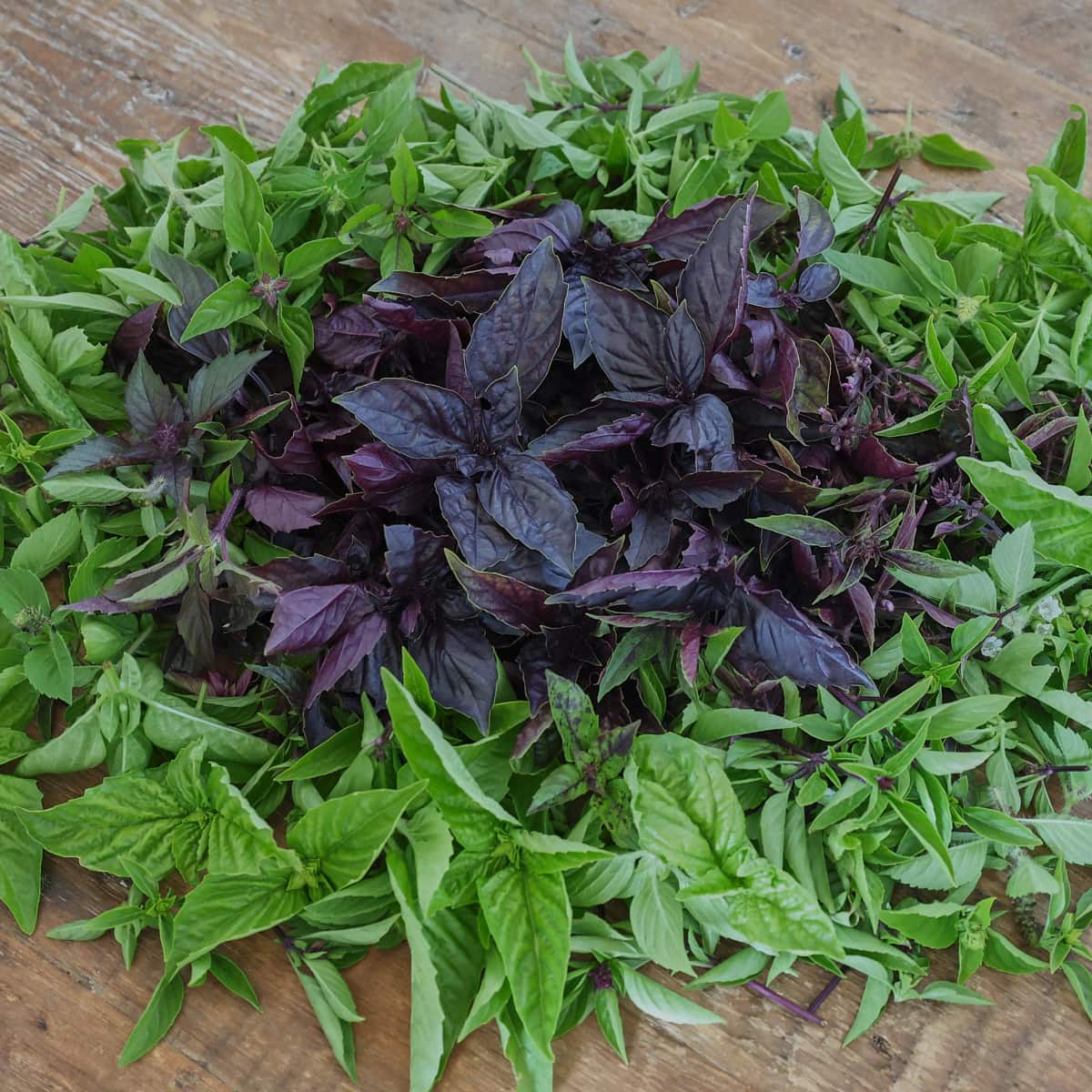
🌱Here's the second installment of basil varieties that you don't want to miss adding to your garden! This remarkable herb has so many stunning varieties that are so rewarding to grow and experience for yourself. This post is a continuation of my first one: 38 Types of Basil to Grow in Your Herb Garden, Part 1. This new post contains 45 additional varieties. Some are similar to the first 38, with a few that share a name or origin but have a different growth habit. There are always new iterations to discover. Each of these two posts has taken a year for me to plan, order the seeds, grow them under my lights, transplant into my garden, grow, tend, and adore, and then document in photos, smell tests, and flavor tests. Each post has been a real labor of love. I really hope you'll find your new favorite basils to grow here in 45 Types of Basil to Grow in Your Herb Garden, Part 2!
Jump to:
- 🌿Fascinating scent and flavor discoveries
- ❓Common Basil Questions Answered Below
- 1. African nunum basil
- 2. Amethyst improved basil
- 3. Ararat basil
- 4. Besobela coarse
- 5. Camphor kapoor tulsi basil
- 6. Charamel (caramel) chianti basil
- 7. Christmas basil
- 8. Crimson king basil
- 9. Dark opal basil
- 10. East Indian (tree basil)
- 11. Everleaf lemon basil
- 12. Feleny basil
- 13. Fino verde basil
- 14. Floral spires basil
- 15. Golden mountain sweet Thai basil
- 16. Green globe basil
- 17. Green pepper basil
- 18. Green ruffles basil
- 19. Holy basil
- 20. Italian mountain sweet basil
- 21. Keira basil
- 22. Malawi camphor basil
- 23. Mammoth sweet basil
- 24. Married man pork basil
- 25. Napoletano basil
- 26. New Guinea basil, version 1
- 27. New Guinea basil version 2
- 28. Opalescent basil
- 29. Ouzo basil
- 30. Peruvian basil
- 31. Punsch basil
- 32. Purple delight basil
- 34. Red freddy genovese basil
- 35. Red genovese basil
- 36. Red rubin basil
- 37. Reyhan sabz basil
- 38. Sacred purple basil
- 39. Scent leaf basil
- 40. Siracusa basil
- 41. Snowball basil
- 42. Toscano basil
- 43. Valentino basil
- 44. Viride basil
- 45. West African basil
- ❓FAQ
- ✨Recipes and gardening posts you'll love
- ✏️Have you grown any of these basils?
Please note, all of the photos of basil in both posts are from plants lovingly grown in my own garden.
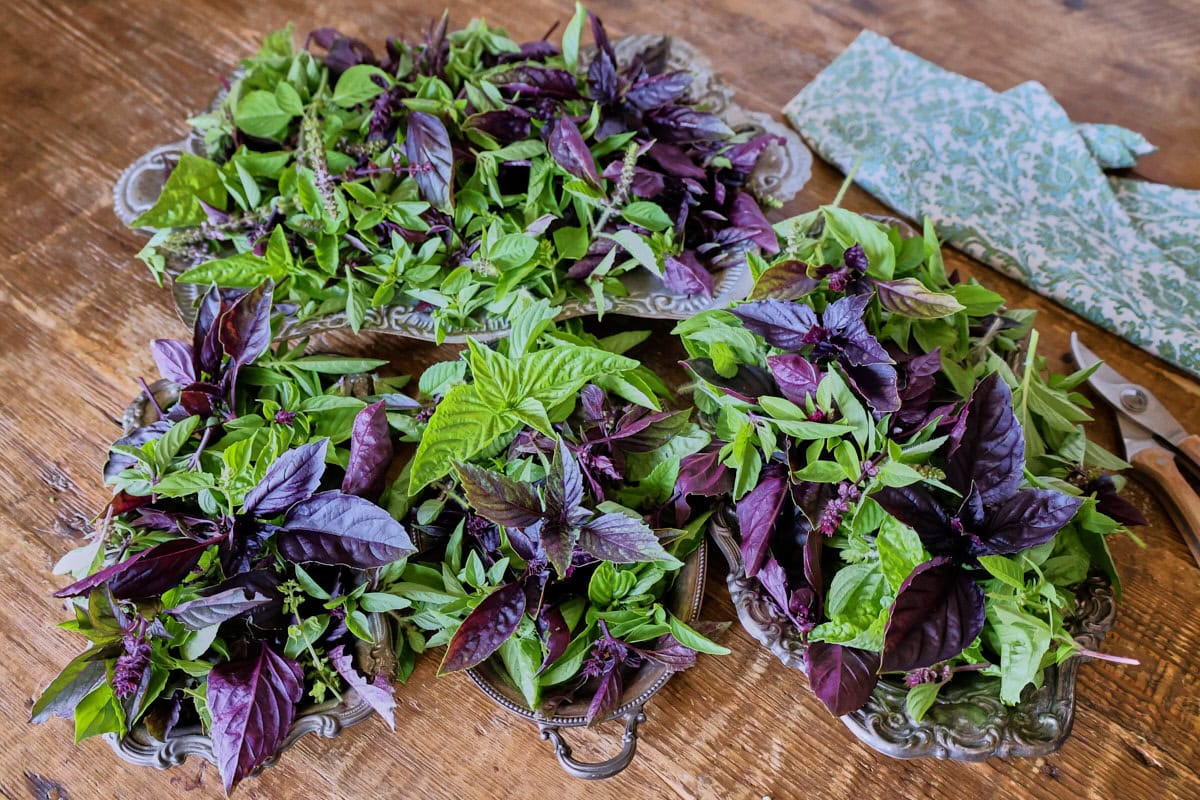
In my part 1 post, I gave general basil plant characteristics and some guidance on how to grow them. And I included a scent / flavor profile for each one. In this part 2 post, I've expanded my analysis of each variety to include intentionally independent and detailed notes on the scent and flavor of each variety. This was such a fascinating process to document!
🌿Fascinating scent and flavor discoveries
Medicinal vs culinary basils
You'll see that some of the basils below, especially those in the Ocimum gratissimum classification from Africa and South Asia, may have more medicinal applications than culinary ones. But even among the basils that are treasured for their culinary use, I had some really fascinating surprises waiting for me in my taste testing.
Scent vs flavor
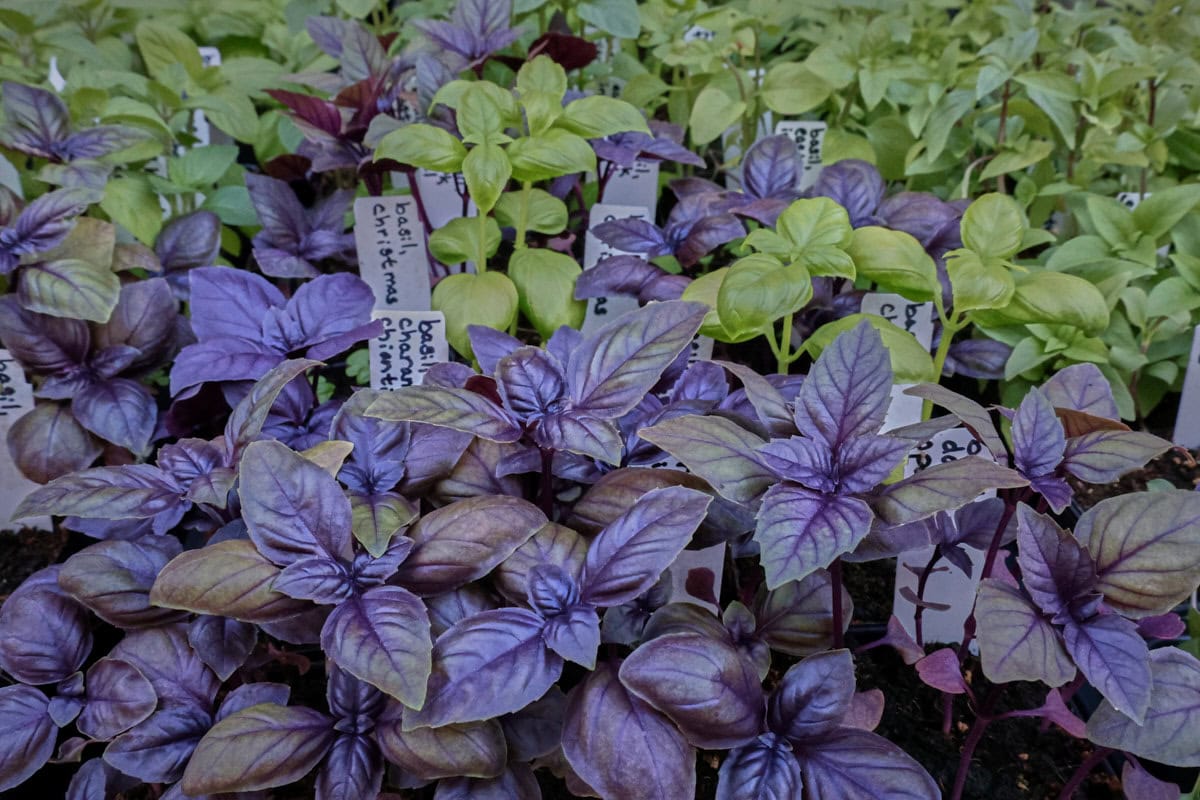
You'll see that in my taste testing, even when a basil variety had a fantastic scent profile, the raw leaf flavor was in some cases much less pleasant! I couldn't understand how this could happen. After a day of tasting most of the varieties, my teeth even turned black! It took a week of brushing and scraping to get this off. It certainly was fun to show my friends my new look with a huge smile. But I couldn't understand how a few of these renowned and phenomenally-fragrant varieties tasted so horrible!
Flavor to the rescue when combined with food
It turns out that some of the molecular compounds (phenols and terpenes) that are present in a basil leaf present themselves differently when exposed to saliva in a taste test than they do when combined with food (acid, fats, salt, seasonings) and/or heat. And that the scent is a better predictor of what you'll experience when you add these basils to your foods.
I tested this by taking some of the basils with my most unpleasant flavor notes from the list below (excluding the Ocimum gratissimum ones, which are more medicinal than culinary) and gently warming up some of their leaves in a little olive oil in a skillet. I then spooned some of these sautéed leaves over some brown rice with a sprinkle of salt. And voilà! The enticing aromas I'd encountered in the smelling test were back. Not only were they back, but the flavor was so, so fresh and inviting in this very simple preparation.
Raw food preparation transforms flavor too
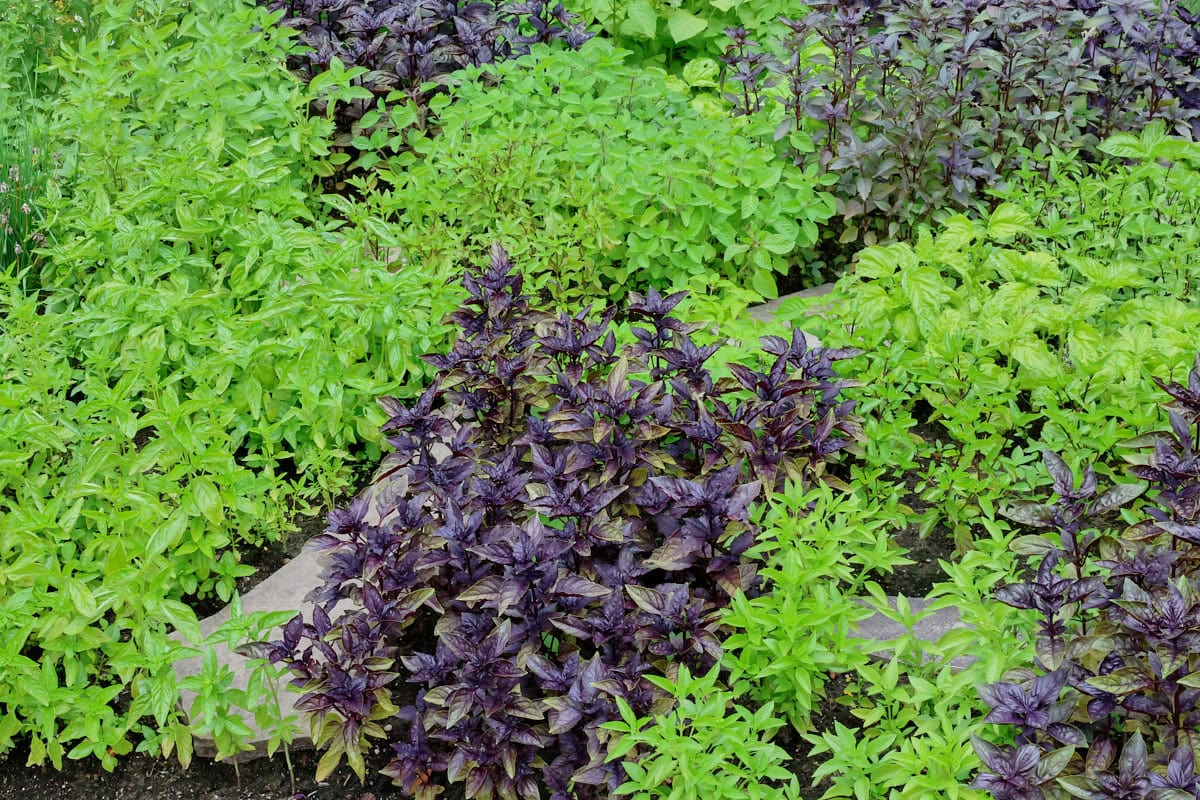
In my recipe post for White Balsamic Basil Vinaigrette with Green or Purple Basil, I included several of the same varieties below that had a wonderful fragrance but underwhelming taste test profiles. And when combined while still raw with the olive oil, balsamic vinegar, lemon juice, garlic, bouillon, salt, and pepper to make this dressing, the flavor was once again transformed into something really special. The flavor came through as enticingly aromatic as the scent did in my trials, rather than the way the individual leaves tasted. This was such an incredible revelation for me, and such a relief!
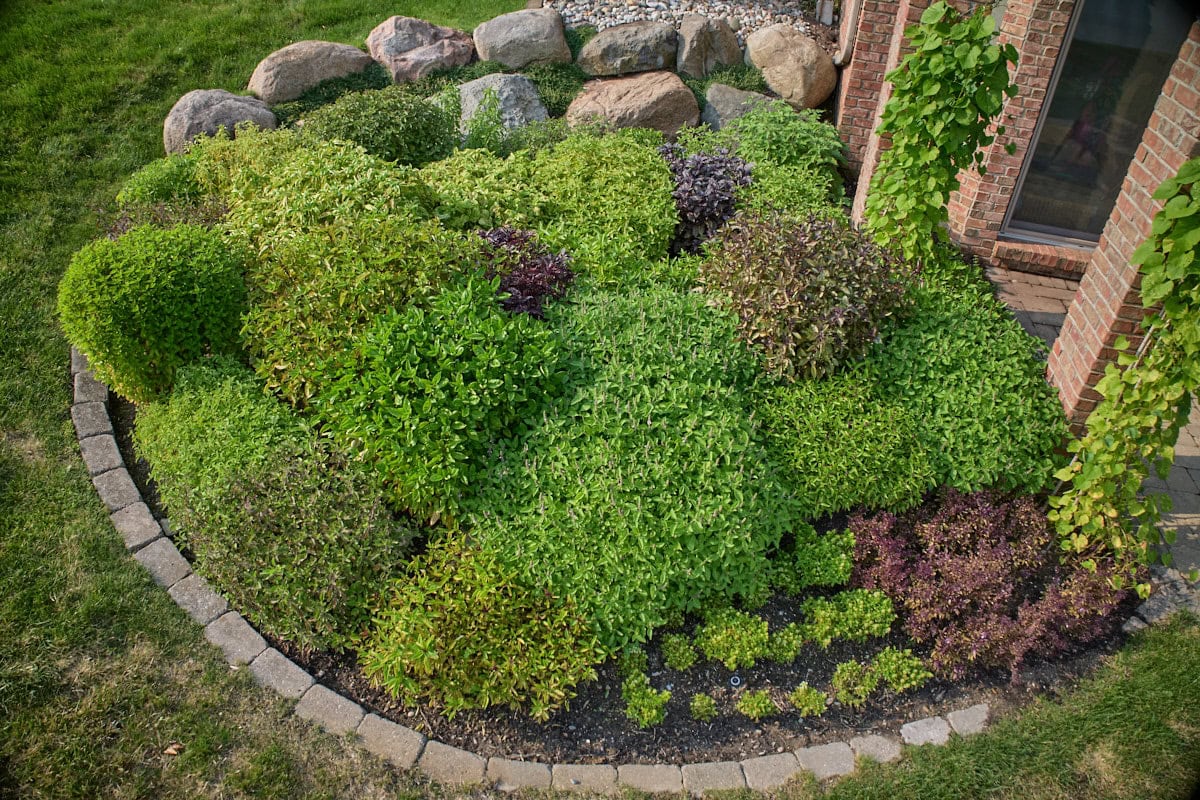
Flavor disclaimer
Per the above tasting discovery, I'm going to include the following disclaimer after my flavor notes below for each variety: "Tasting the raw leaves can be misleading. The scent is a more accurate predictor of how the basil will taste when combined with food, either raw or cooked." And from an objective testing perspective, I've found this process to be such a surprising and interesting revelation. I hope you enjoy the scent and flavor notes for each variety, and that you'll experiment to your heart's content with growing these varieties for yourself. And the part 1 varieties as well: 38 Types of Basil to Grow in Your Herb Garden, Part 1.
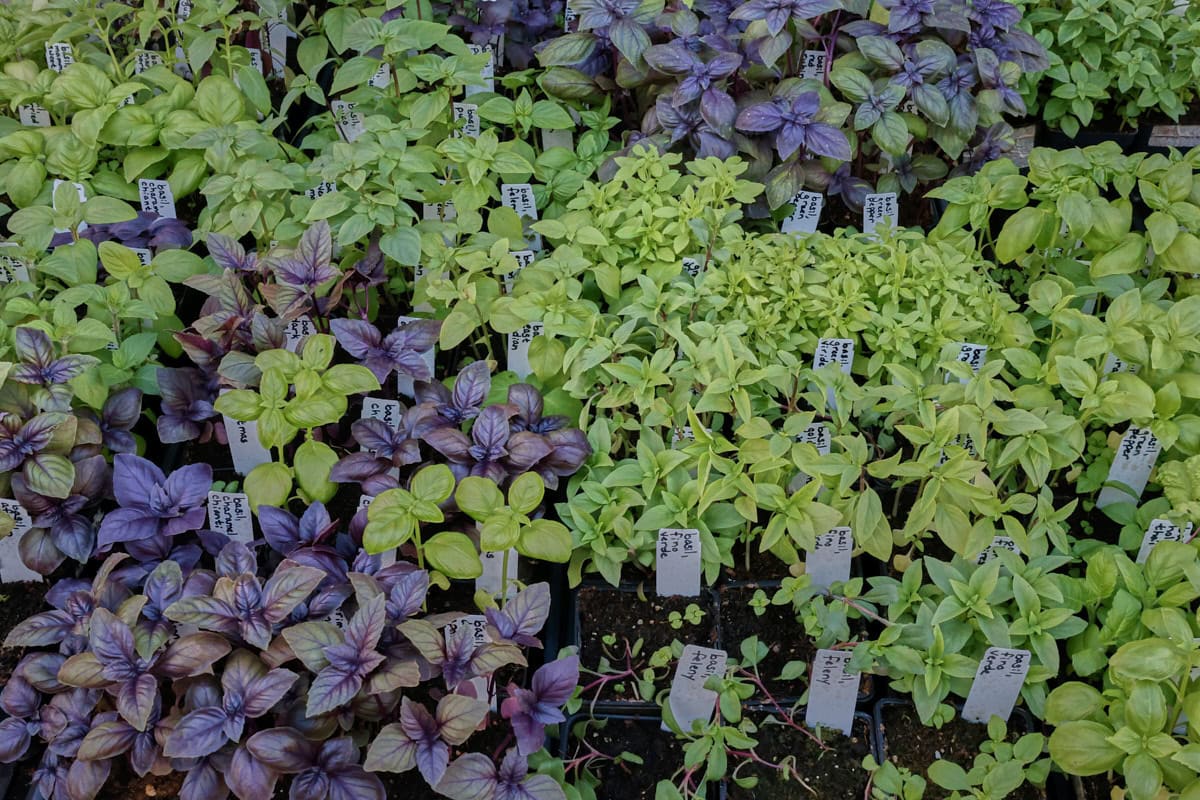
If you're searching for recipes to add some fresh homegrown basil, please try these:
- Easy Vegan Pasta with Garden Heirloom Tomato Sauce Vierge
- Vegan Tulsi Masala Chai Recipe with Garden Holy Basil
- White Balsamic Basil Vinaigrette with Green or Purple Basil
❓Common Basil Questions Answered Below
Please check out my FAQ (frequently-asked questions) about basil after the following list of varieties. I hope you'll try growing some of these captivating herbs, each with their own thrilling aromas and flavors to experience!
1. African nunum basil
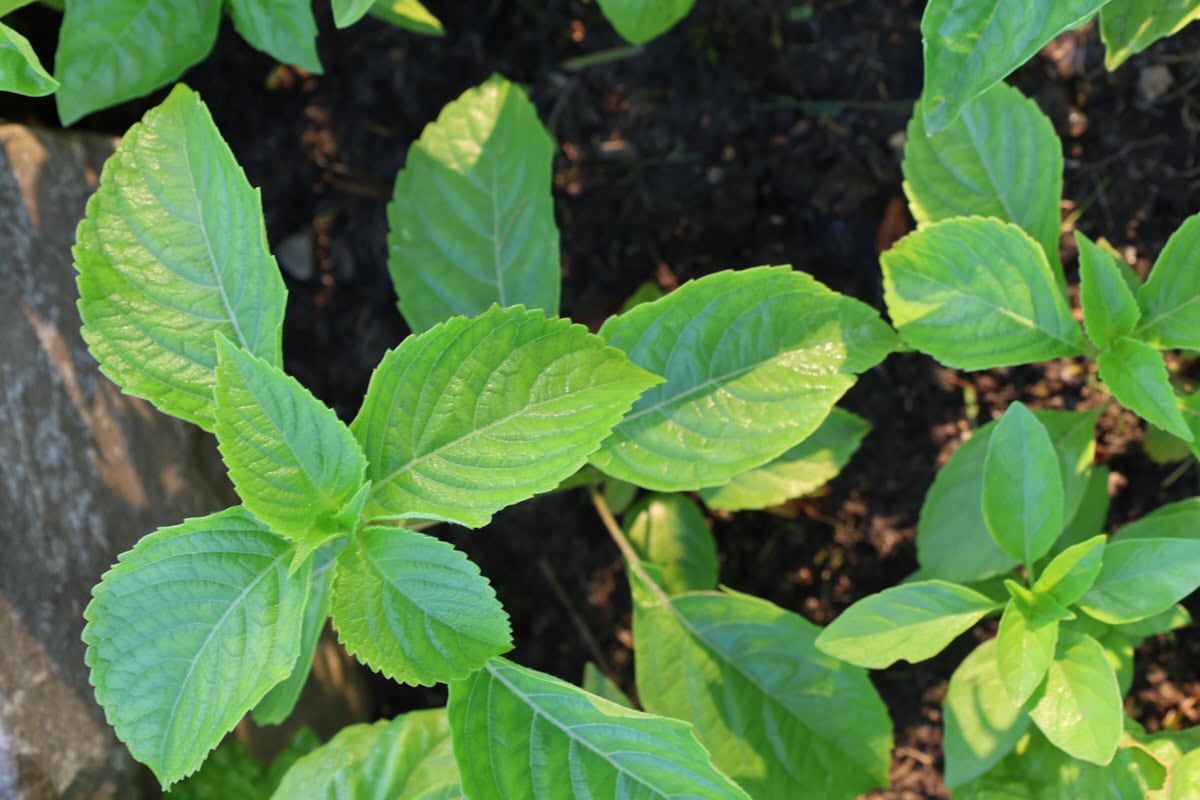
Botanical name:
Ocimum gratissimum
Origin
Ghana
Description
- Similar to East Indian tree, scent leaf, tulsi vana basil, viride, and West African basils. Shrubby, woody form. Plant is delicate and graceful. Really an adorable plant.
- Medium lime green to dark yellow opposite leaves; elliptical to ovate, coarse, cupped inward along the midrib, but also pointing downward. Strongly serrated. Veining on the leaves is somewhat purple on the midrib and more white on the rest of the leaf veins. Surface finish matte/satin; iridescent. Small downy hairs on the leaves.
- Inflorescences are white to pale purple spikes.
- Stems are light purple and hairy.
Uses
Used in both traditional medicine and in foods like soups, stews, pasta, and vinegar. Medicinal uses include antiseptic and pain relief.
Height
General height range
In favorable tropical climates, can reach 3-6 ft (0.9-1.8 m) or more.
Maximum height in my garden
22 in (56 cm)
General scent/flavor
Very pungent, often with clove (eugenol) undertones, as well as camphor/menthol undertones and sometimes thymol (thyme-like).
My scent notes
Smoky, deep, earthy, lemony, petrichor, damp grass, deeply verdant.
My flavor notes
Medicinal, pine needles, bitter, hospital corridor, black tea, newspaper ink, old vellum.
Flavor disclaimer
Tasting the raw leaves can be misleading. The scent is a more accurate predictor of how the basil will taste when combined with food, either raw or cooked.
Seed source
2. Amethyst improved basil

Botanical name:
Ocimum basilicum 'Amethyst Improved'
Origin
Bred as an improved and purple Genovese type.
Description
- A lot of variation in the height of each stem from medium to a taller height.
- Purple to dark-purple leaves , broad and slightly cupped, with upright compact habit. Flowers are are a beautiful deep fuchsia. Upper leaves are a deep dark, glossy, iridescent purple. Lower leaves are a greenish-yellowish-bronze with purple veining. There's a gorgeous greenish margin around the edge of each slightly-crenulated (serrated) leaf.
- The stems are strong. Some are a mottled greenish dark purple, which is absolutely gorgeous. I love encountering this color variegation.
Uses
Same culinary applications as sweet genovese basil. Beautiful color when adding to dishes.
Height
General height range
16-20 in (40-50 cm)
Maximum height in my garden
31 in (79 cm)
General scent/flavor
Purported to retain a "classic basil" flavor pungency; some sources mention a slight mint or clove undertone.
My scent notes
Sweet smoke, hot tin, salted candy, caraway, cumin, turmeric, blueberries, blackberries.
My flavor notes
Sharp tannins, but not bitter, clean metal, new office, bookstore, new paper, new carpet, acrylic yarn.
Flavor disclaimer
Tasting the raw leaves can be misleading. The scent is a more accurate predictor of how the basil will taste when combined with food, either raw or cooked.
Seed source
3. Ararat basil
Botanical name:
Ocimum basilicum 'Ararat'
Origin
Heirloom from Israel, named after Mount Ararat.
Description
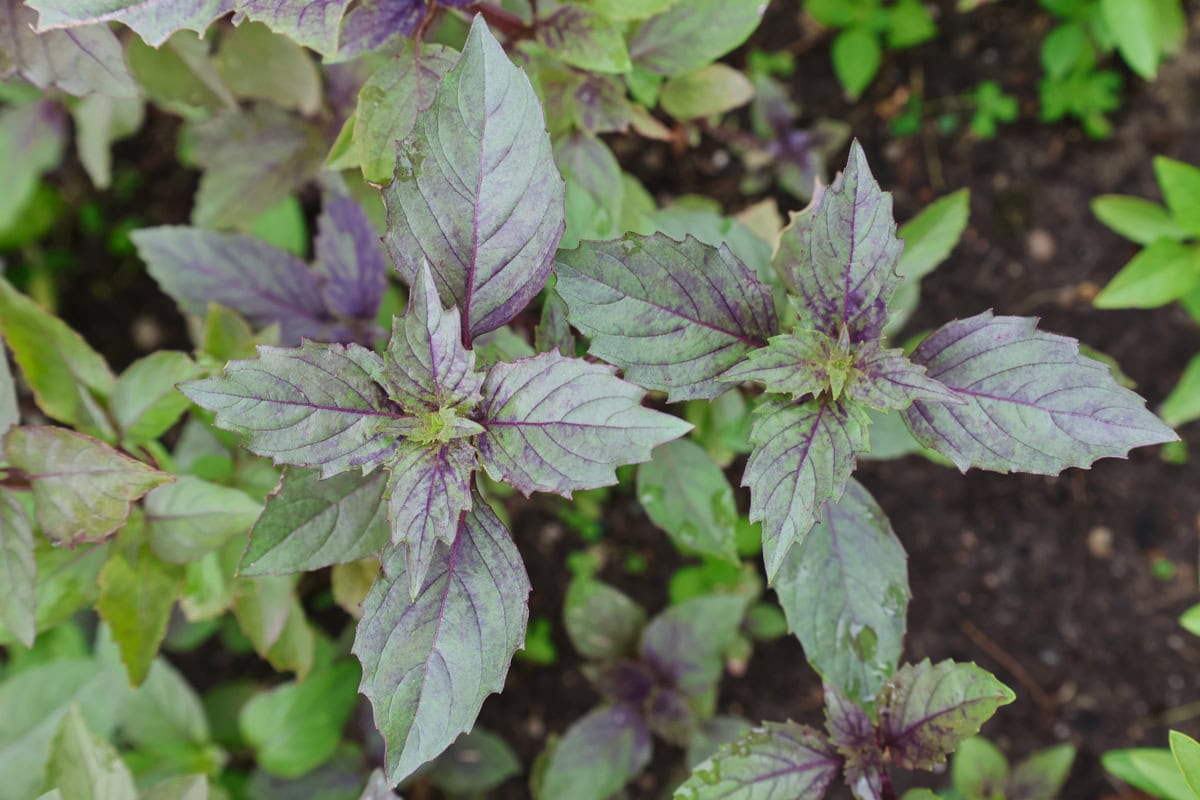
- A gorgeously stunning basil, variety Ararat basil is one of my taller varieties this year. And it sways gracefully in the wind.
- Variegated leaves of mottled purple and green. It's absolutely gorgeous. They are iridescent and satin-finished. They're cupped inward along the midrib. They're sharply crenulated with adorable purple margined points, and purple veining on the leaves.
- The abundant lavender-pink flowers have white hairs, and are on purple stalks.
- The stems are burgundy with white hairs. There are multiple variations of color on each stem, ranging from nearly solid green to a light mottling of purple to a nearly solid purple, and everything in between.
Uses
Traditionally used to make tea, season dishes, and also used medicinally for digestion and to alleviate stress.
Height
General height range
Around 18 in (~45 cm), bushy.
Maximum height in my garden
41 in (104 cm)
General scent/flavor
Has anise/licorice aroma, sweet and spicy flavor.
My scent notes
New steel, spring cleaning, ocean sand, toasted anise seeds, roasted grapes.
My flavor notes
Mildly sweet and fresh, tender spinach, light lemonade, spring greens, earthy, salads, cucumber, cloves.
Flavor disclaimer
Tasting the raw leaves can be misleading. The scent is a more accurate predictor of how the basil will taste when combined with food, either raw or cooked.
Seed source
4. Besobela coarse
Botanical name:
Ocimum gratissimum
Origin
Ethiopia
Description
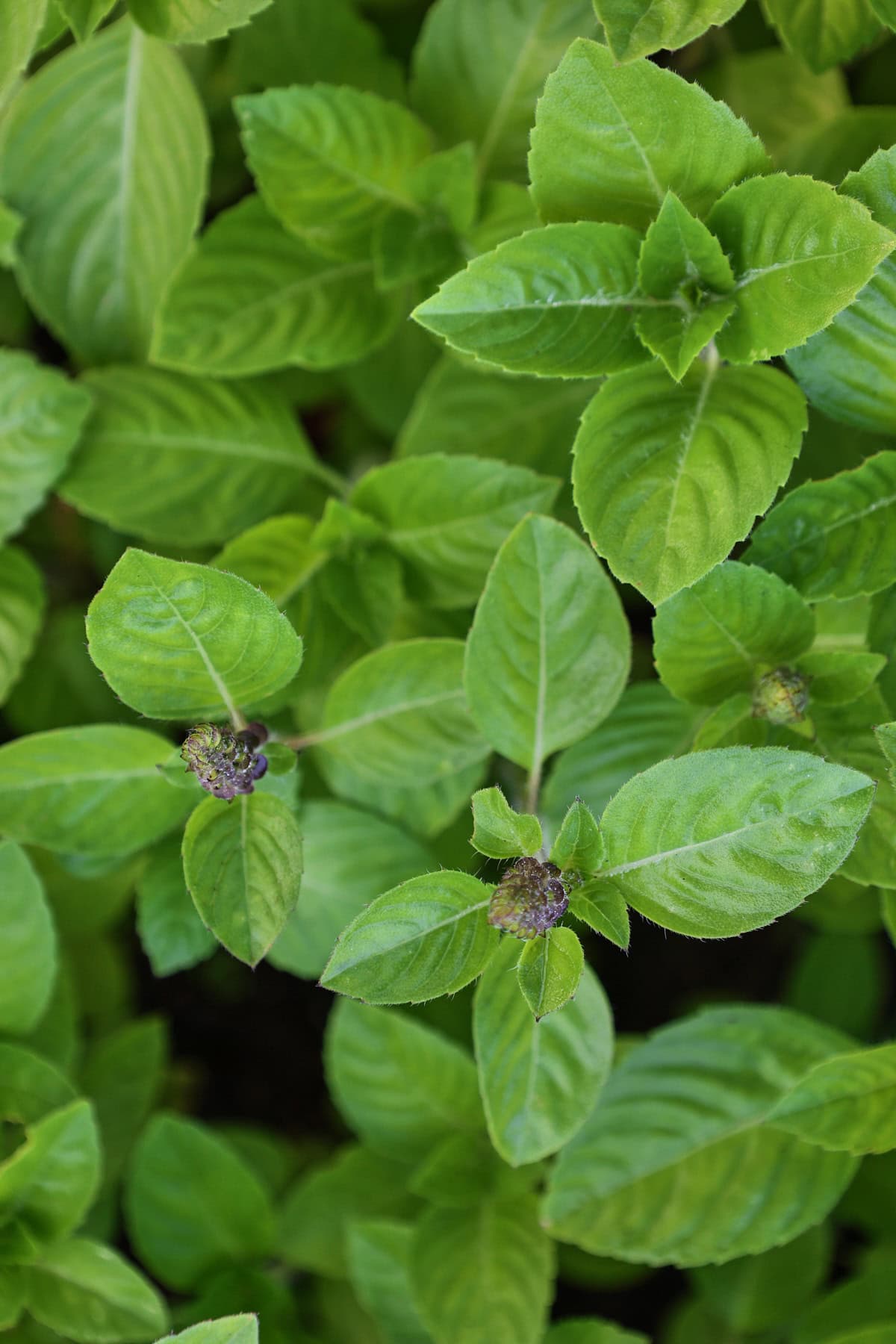
- Bushy shrub; Besobela coarse basil looks identical to both temperate Tulsi basil and blue spice basil. (But not at all like the besobela basil I grew last year.) The scent is amazing, and it's the first basil that I'm showing to people this year to illustrate how different basil can smell from the baseline normal basil scent.
- Leaves are ovate, thick, and matte, with scalloped edges. The leaf margins are purple, which is a beautiful counterpoint to the green leaves.
- Lilac-colored inflorescences and flower petals.
- The stems and flowers both have white hairs, making the whole plant look fuzzy and adorable.
Uses
"Besobela" is a common Swahili name for basil in East Africa. In Ethiopian cuisine, it's one of the herbs in the berbere spice blend. It's also used in medicinal and local folk traditions.
Height
General height range
Likely similar to other African basils, 3-5 ft (0.9-1.5 m) under favorable conditions.
Maximum height in my garden
29 in (74 cm)
General scent/flavor
Strong clove-like aroma (eugenol), possibly some camphor or thymol notes.
My scent notes
Sweet grapes, musky, jasmine, vanilla, cloves, dark cherries, dessert wine, spice drawer, black tea, ginger.
My flavor notes
Shockingly mild for such a strongly-scented basil, slightly sharp and numbing, but not overpowering in flavor; mild fennel, parsnip, young ginger, summer squash, honeydew melon, but less sweet; blackberry, black currant, gooseberry, slight muskiness.
Flavor disclaimer
Tasting the raw leaves can be misleading. The scent is a more accurate predictor of how the basil will taste when combined with food, either raw or cooked.
Seed source
5. Camphor kapoor tulsi basil
Botanical name:
Ocimum kilimandscharicum (sometimes O. kilimandscharicum or O. × kilimandscharicum)
Origin
Native to East Africa (Kenya, Tanzania). The "kapoor tulsi" name connects to its camphoraceous scent (kapoor means camphor).
Description
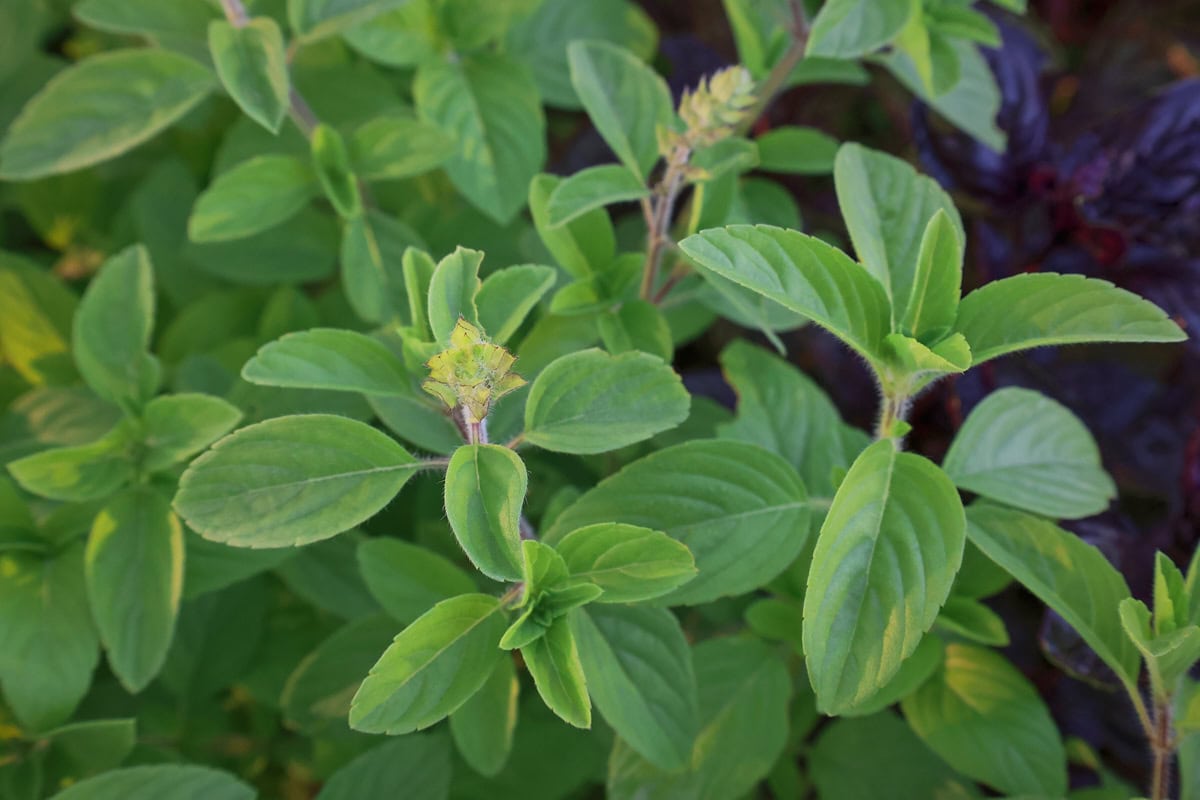
- Smoother leaves, more robust, and with more deeply-colored flowers than the tulsi camphor kapoor I grew last year. Which is why sometimes varieties of the same names from different sources can be like different varieties. This version has a denser habit than typical sweet basils. Camphor kapoor basil, along with East Indian tree basil, is one of my tallest basil varieties this year. The plant seems delicate, and yet it's very tall and voluminous. It's a very stunning plant.
- Leaves are elongated, matte, slightly serrated, smooth, and pale green. It has beautiful matte leaves that are bent inward along the midrib. They have pronounced veining in relief; such that the leaves are ruffled based on the veining patterns.
- Flowers are white or pale. The inflorescences range from a light light purple at the base to a light yellow, and graceful arching at the tip.
- Stems have white hairs.
Uses
Camphor kapoor tulsi is considered sacred, and is used for ceremonial purposes. It's also commonly used for respiratory concerns such as colds and coughs, intestinal upsets, for digestive issues, and as an insect repellent. And it has culinary applications as well, in tea and desserts.
Height
General height range
In tropical climates, can reach 1-2 m; in temperate gardens often grown as annuals at a shorter height.
Maximum height in my garden
48 in (122 cm)
General scent/flavor
Contains camphor / eucalyptol / cineole type fragrance. Strongly medicinal and less sweet. Culinary use is limited due to its medicinal strength.
My scent notes
Salted lemons, camphor, pine needles, resin, rubber glue, aged salt, eucalyptus, singed metal.
My flavor notes
Bitter, rubbing alcohol, medicinal, old, filthy bike tires, bike chain grease, metal oil, burned window cleaner, acrid old circuit boards.
Flavor disclaimer
Tasting the raw leaves can be misleading. The scent is a more accurate predictor of how the basil will taste when combined with food, either raw or cooked.
Seed source
6. Charamel (caramel) chianti basil
Botanical name:
Ocimum basilicum 'Charamel Chianti' (or 'Caramel Chianti')
Origin
Italian specialty variety; the "caramel" in its name suggests a sweet, warm fragrant note.
Description
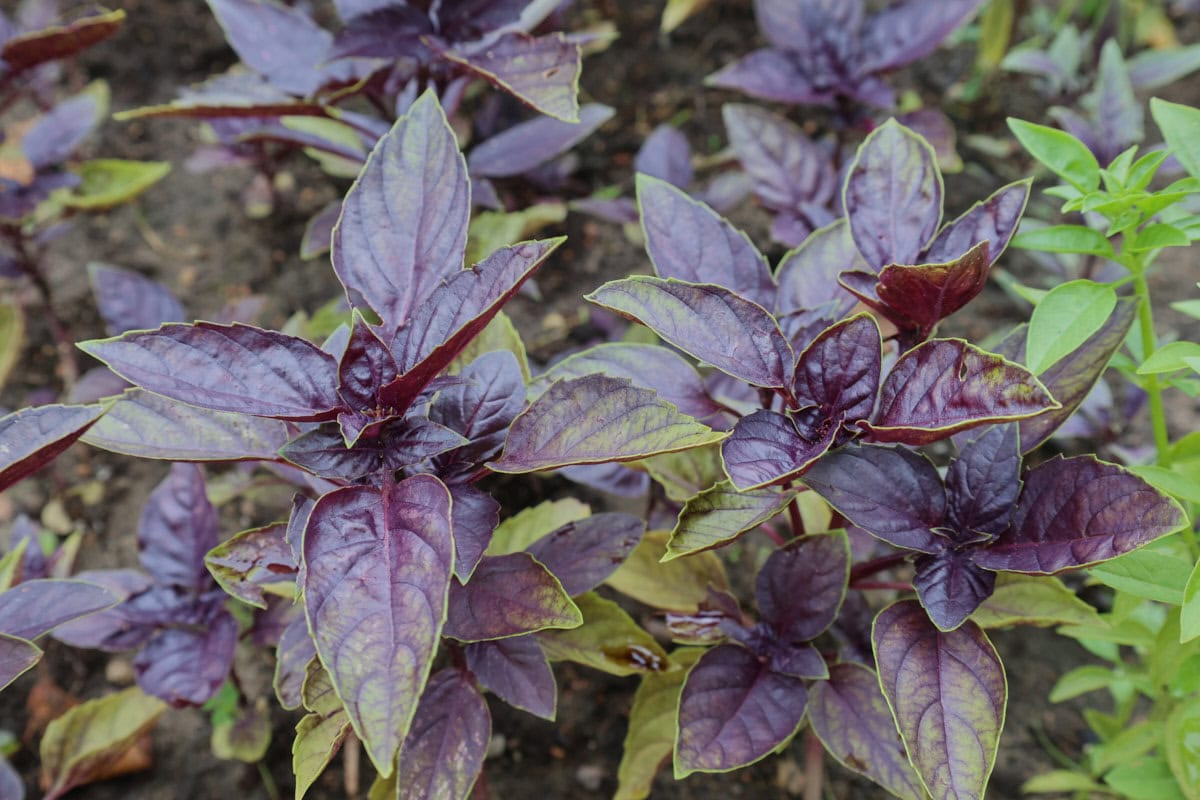
- Caramel Chianti is a taller variety. Dense growth, strong branching.
- Dark purplish, almost black leaves, slightly ruffled edges, bending inward and upward. Reddish and dark purple near the growing tip. The lower leaves are a bronze color. They have a beautiful lime, electric lime, green, or yellow margin. And a very gentle scallop, with a wide base in each leaf that gracefully tapers to just a slight or sharper point. The finish on the leaves is iridescent and satin to glossy.
- Flower spikes are deep purple with adorable downy white hairs.
- The stems are a burgundy color.
Uses
Charamel chianti basil has a more intense flavor than green sweet basil. It can be used in the same culinary applications, as well as adding a beautiful color to vinegar or as a brilliantly-colored seasoning or garnish.
Height
General height range
Likely in the 12-18 in (30-45 cm) range (compact garden basil)
Maximum height in my garden
27 in (69 cm)
General scent/flavor
Described in seed catalogs as having a sweet caramel note along with the typical basil / clove / spice fragrance.
My scent notes
Classic basil, bright and fresh, herbaceous, parsley, hummus, roasted red peppers, red wine vinegar, caramelized roasted carrots, grilled eggplant.
My flavor notes
Bitter salad greens, decaying hay, depleted soils, electronics recycling, old string lights, tongue-skidding dryness, late fall musk, forest floor, old steel garden tools, unseasoned cast-iron pan, latex gloves on fire, diesel truck smoke, a paper cut filled with dirt, an old ashtray.
Flavor disclaimer
Tasting the raw leaves can be misleading. The scent is a more accurate predictor of how the basil will taste when combined with food, either raw or cooked.
Seed source
7. Christmas basil
Botanical name:
Ocimum basilicum 'Christmas' Hybrid between Thai basil (O. basilicum var. thyrsiflora) and Genovese-type sweet basil.
Origin
Listed as a "Christmas basil" because of its mixed aroma of spices, fruit, and pine.
Description
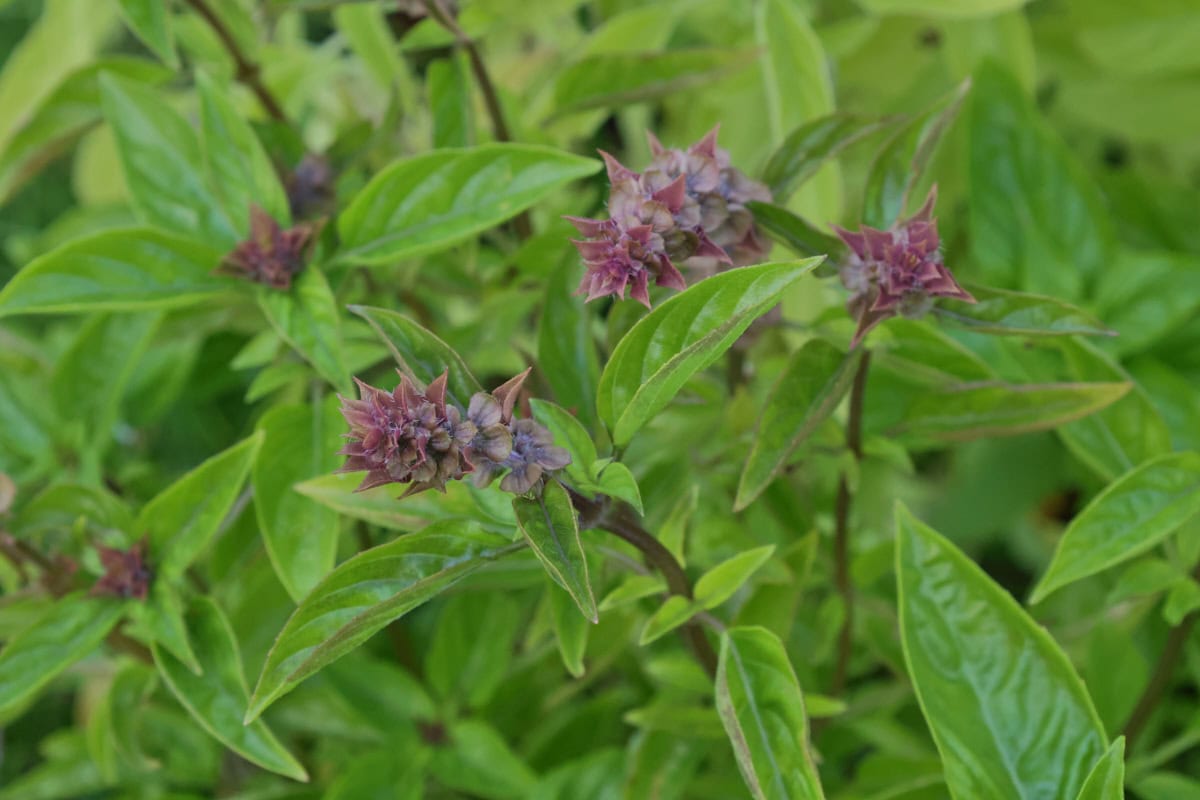
- Christmas is a taller basil, with upright, compact habit. it's a taller, really interesting variety.
- Glossy yellowish-to-lime green leaves that are really bright and wrinkled. The leaves are cupped along the midrib.
- The flowers are a beautiful light lilac color.
- The stems are also light purple.
Uses
This basil is just as versatile in the kitchen as its sweet basil parent, and has additional flavor notes from its Thai basil parent as well.
Height
General height range
12-18 in (30-45 cm)
Maximum height in my garden
29 in (74 cm)
General scent/flavor
Fragrance reminiscent of pine needles, mulled wine, clove. Flavor is complex, sweet, spicy, herbal.
My scent notes
Salty rice, lemon, seawater, camphor, vintage linen drawer, brine, old wood, twine, clean steel.
My flavor notes
Pleasant, sweet, grassy, herbaceous, cinnamon, slightly-bitter lemonade, steel countertop, ginger, pumpkin, spice, black pepper, masala chai.
Flavor disclaimer
Tasting the raw leaves can be misleading. The scent is a more accurate predictor of how the basil will taste when combined with food, either raw or cooked.
Seed source
Etsy Store: Tattoo Gardener, no longer available here. Should be readily available elsewhere.
8. Crimson king basil
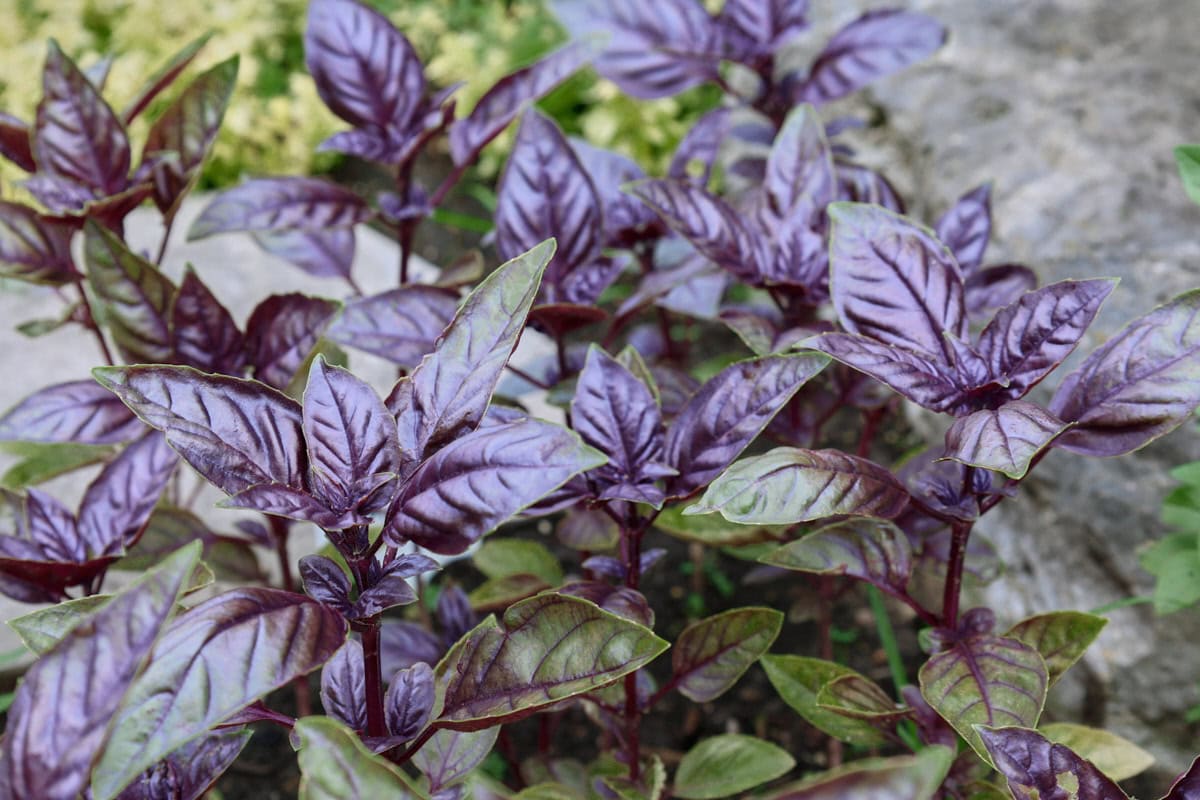
Botanical name:
Ocimum basilicum 'Crimson King'
Origin
Developed to improve vigor, uniformity, and performance of purple basils.
Description
- Well-branched, shrubby habit. Tall and sturdy; a beautiful plant.
- Deep purplish-red foliage, somewhat crinkled edges, with deep burgundy-centered leaves and lower and outer leaves a greenish bronze. All leaves are shiny with iridescence.
- Flowers are a deep burgundy like the leaves.
Uses
Used for cooking, flower arrangements, garnishes, and beverages.
Height
General height range
18-20 in (45-50 cm)
Maximum height in my garden
28 in (71 cm)
General scent/flavor
Flavor comparable to sweet basil. Sometimes described as a bit more intense and peppery, with clove undertones.
My scent notes
Gasoline, cardamom, fresh air, licorice, seawater, fresh laundry, twine, classic basil, antique linen closet, old cathedral, incense, deep purple grapes, rosemary, spiced tea, fennel, black pepper.
My flavor notes
Brisk, spicy, round, old taxi, used bookstore, storm ozone.
Flavor disclaimer
Tasting the raw leaves can be misleading. The scent is a more accurate predictor of how the basil will taste when combined with food, either raw or cooked.
Seed source
9. Dark opal basil
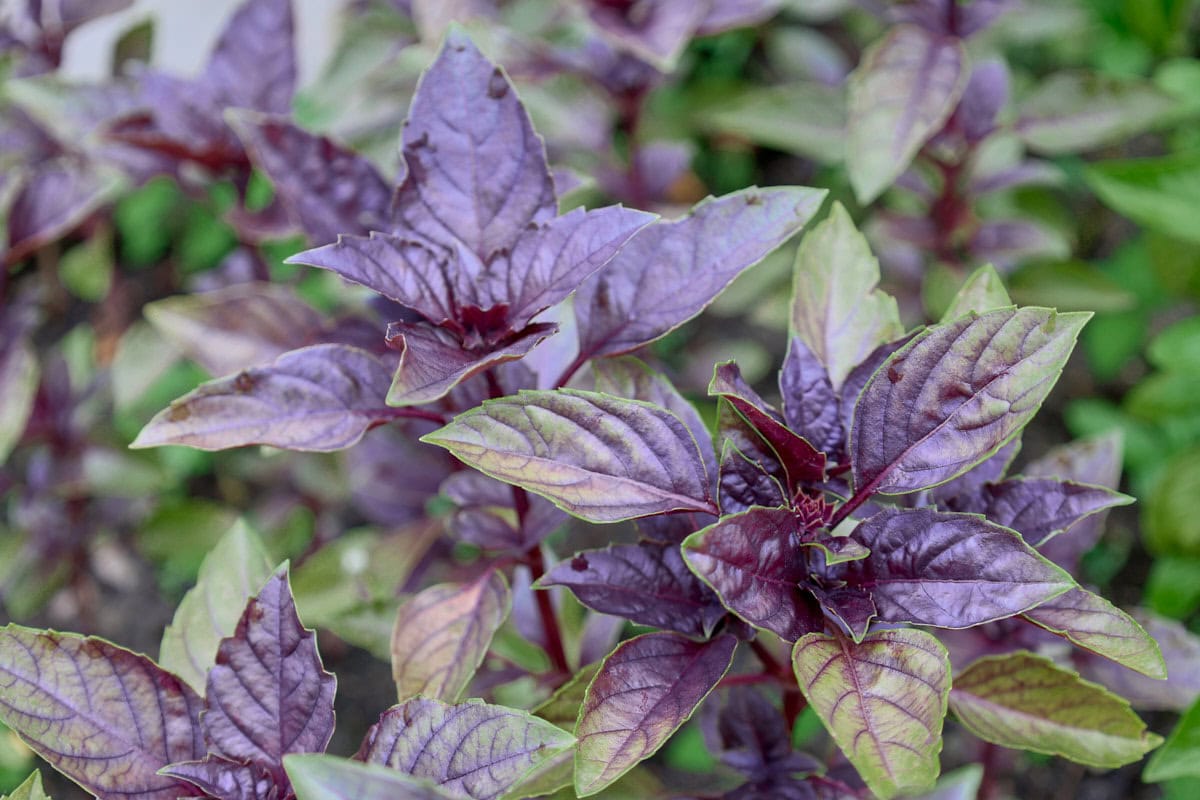
Botanical name:
Ocimum basilicum 'Dark Opal' (sometimes O. basilicum var. purpurascens)
Origin
Developed at University of Connecticut around 1950s by Scarchuk & Lent. Won All-America Selection in 1962.
Description
- Upright habit; a taller variety.
- Lustrous, smooth deep purple leaves, satin and iridescent, sometimes with occasional green variegation in new growth. There are deep dark purple central portions of the leaves near the growing tip, and bronzing at the outer edges. The veining on the leaves is the same beautiful purple as the growing tip.
- Flowers are the same dark purple color as the leaves.
Uses
Used to lend its flavor to dishes, make tea, address digestive issues, and add color and aroma to vinegar.
Height
General height range
18-24 in (45-60 cm)
Maximum height in my garden
32 in (81 cm)
General scent/flavor
Notes of clove (eugenol), with undertones of cinnamon, anise, and mint. The purple anthocyanins intensify its color.
My scent notes
Seaweed, damp moss, aged hay, fall morning, tidal pool, sweet spices, lemon pastries, brisk tea, masala chai, sweet jerk seasoning, Jimmy Nardello peppers, deep red apple, rich dates, tamarind.
My flavor notes
Bitter, dry tannins, paint thinner, turpentine, floor varnish, industrial cleaner, old cracked vinyl.
Flavor disclaimer
Tasting the raw leaves can be misleading. The scent is a more accurate predictor of how the basil will taste when combined with food, either raw or cooked.
Seed source
10. East Indian (tree basil)
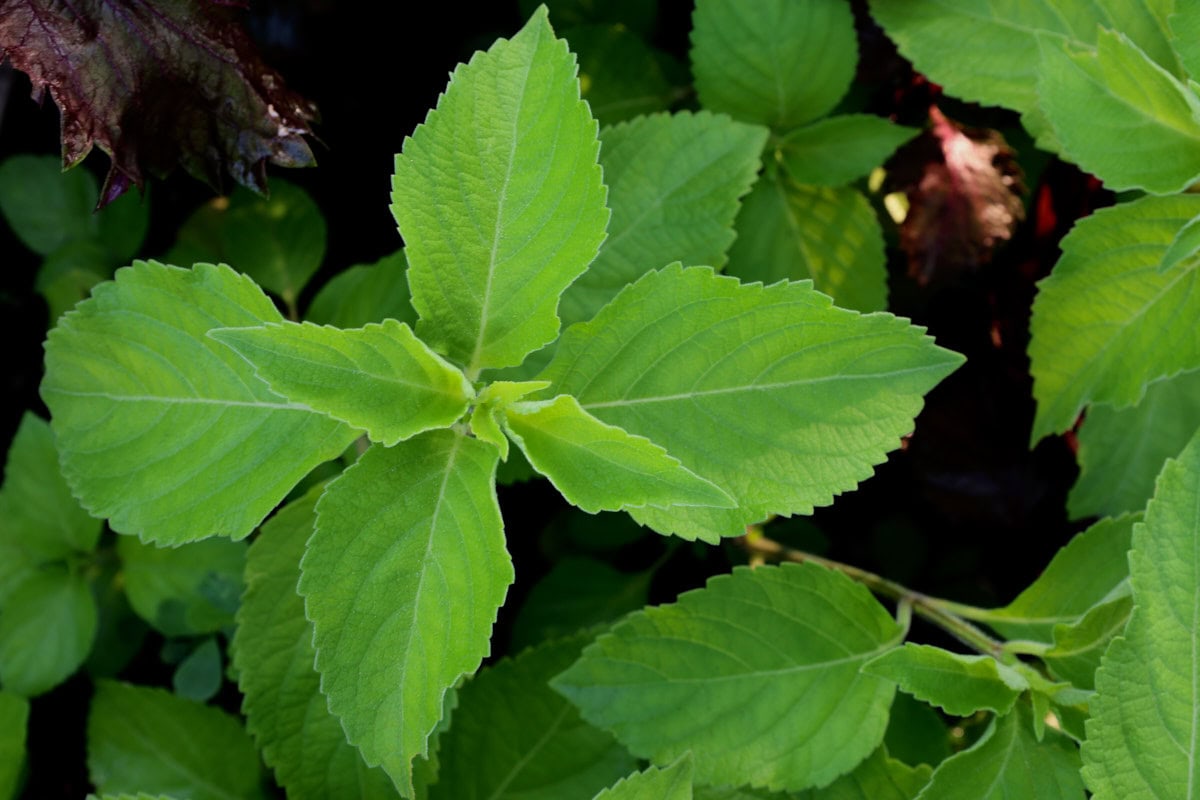
Botanical name:
Botanical name: Ocimum gratissimum
Origin
Native to tropical Africa and South Asia. Similar to African nunum, scent leaf, tulsi vana basil, viride, and West African basils. It's been so enlightening to learn about all of these basil similarities as I grow them!
Description
- Woody at the base, multiple stems, upright shrub-like habit. East Indian tree basil, along, with camphor kapoor basil, is one of my tallest varieties this year. it's a beautiful, stately plant with gracefully arching stems at the tips, and gorgeous soft downy fuzz, particularly on the newest leaves and on the stems.
- Leaves are ovate and somewhat thick, with crenulated (serrated) margins. They have a matte finish and white/light purple veining. They're beautifully soft and fuzzy. The leaves are somewhat cupped inward along the vertical axis, and most bend down and and away from the stem at the growing tip.
- The beautifully-arched flower inflorescences are very soft and spiky looking, with petals that are light purple at the base and pointed and light green at the tips.
- The stems are hairy and purple.
Uses
This basil is highly regarded in India for both medicinal and spiritual purposes. It's used for digestive, respiratory, and stress relief, ceremonial purposes, and to make an herbal tea.
Height
General height range
3-6 ft (0.9-1.8 m) or more in tropical settings; smaller in containers or cooler climates
Maximum height in my garden
49 in (124 cm)
General scent/flavor
The strong clove aroma (eugenol) is prominent; some strains have thymol content, contributing a thyme-like scent.
My scent notes
Scent: Fresh green tea, very mild, grassy, spice drawer, cardamom, amber, patchouli, light anise, licorice, gray skies, aged compost, toasted hazelnuts, fresh rain, clean stream, lemon, smoke, new tennis shoes, doctor's office, clean shampoo.
My flavor notes
Bitter, dark wood stain, mild sweetness, deep red wine, jet fuel, tongue-numbing, not too dry, antiseptic mouthwash, deeply charred wood.
Flavor disclaimer
Tasting the raw leaves can be misleading. The scent is a more accurate predictor of how the basil will taste when combined with food, either raw or cooked.
Seed source
11. Everleaf lemon basil
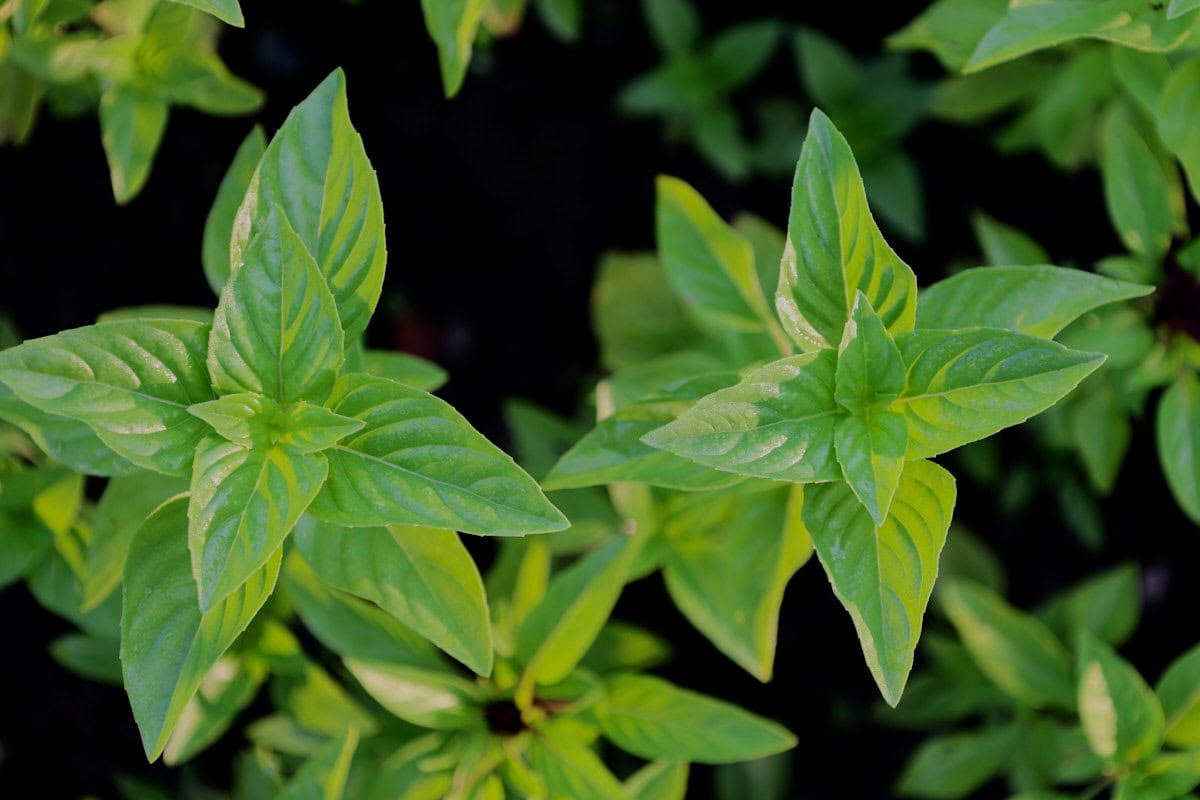
Botanical name:
Ocimum basilicum 'Everleaf Lemon'
Origin
Everleaf lemon basil was created in 2024 to promote flowering later than other lemon basil varieties and to allow a longer harvest season. It won the 2025 Professional's Choice Green Thumb Award in the Edibles category.
Description
- The plant is tall and graceful. Upright, dense, with many leaves. It's slow to bolt, prolonging the harvest season.
- Bright green, slightly-cupped leaves with a satin finish. The arrangement of the leaves is striking, with an opposite, orthogonal arrangement across each stem and sharp points revealing a beautiful geometric configuration.
- The flower bracts are a beautiful lilac color with white petals on the flowers.
Uses
Everleaf lemon basil can lend its delightful citrus aroma to an array dishes, as well as in potpourri, pest repellents, and to attract pollinators to the garden.
Height
General height range
20-24 in (50-60 cm)
Maximum height in my garden
33 in (84 cm)
General scent/flavor
Everleaf lemon basil has a lemon fragrance (high in citral), along with sweet basil notes. Described as bright lemon flavor with less harshness than many lemon basils.
My scent notes
Deep, sweet, lemon; fresh air, fresh linens, spring rain, fresh lake water, very sweet and lemony, breathtaking, freshly-mopped floors, lemon bars, lemongrass, lemon verbena.
My flavor notes
Sharp floor cleaner, sterilized doctor's office, biting, peppery.
Flavor disclaimer
Tasting the raw leaves can be misleading. The scent is a more accurate predictor of how the basil will taste when combined with food, either raw or cooked.
Seed source
12. Feleny basil
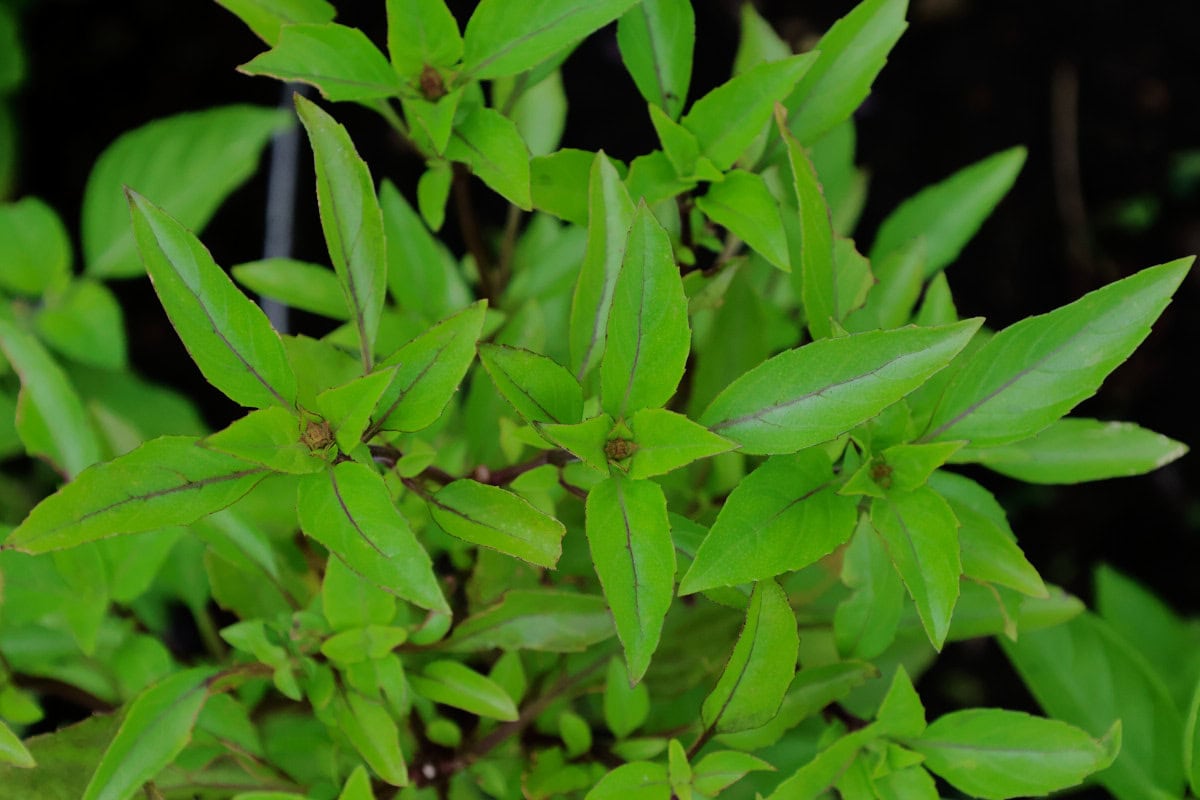
Botanical name:
probably Ocimum basilicum cultivar (not confirmed)
Origin
I ordered these seeds from an online vendor (listed below) who received them in a trade with a woman in Belgium. I haven't been able to find any more information about this basil so far. It's very distinctive and impressive, and if I learn more about it, I'll update this post!
Description
- Feleny basil has a medium height.
- The small, narrow leaves are wider at the base, generally tapering to a point. They point upward and curl in along the midrib. The color of the leaves is a lime green with a satin finish. The iridescent veining on the leaves is muted and white.
- The flower inflorescences are a yellowish-green and compact, and they bend slightly.
- The stems are light green and somewhat fuzzy and delicate.
Uses
Height
General height range
No information available.
Maximum height in my garden
24 in (61 cm)
General scent/flavor
No information available.
My scent notes
Aged rope, roasted peanuts, fresh meadows, fennel seeds, toasted, sesame, fresh cabbage, warm linens, cloudy skies, clean stream, cooked rice, new carrots, roasted beets, steamed edamame, black currant.
My flavor notes
Slightly sweet, mild spring greens, not bitter at all, warm, flavorful, galangal, lemongrass, lemony Thai soup with coconut, toasted seaweed, fresh spring asparagus, pea shoots.
Flavor disclaimer
Tasting the raw leaves can be misleading. The scent is a more accurate predictor of how the basil will taste when combined with food, either raw or cooked.
Seed source
13. Fino verde basil
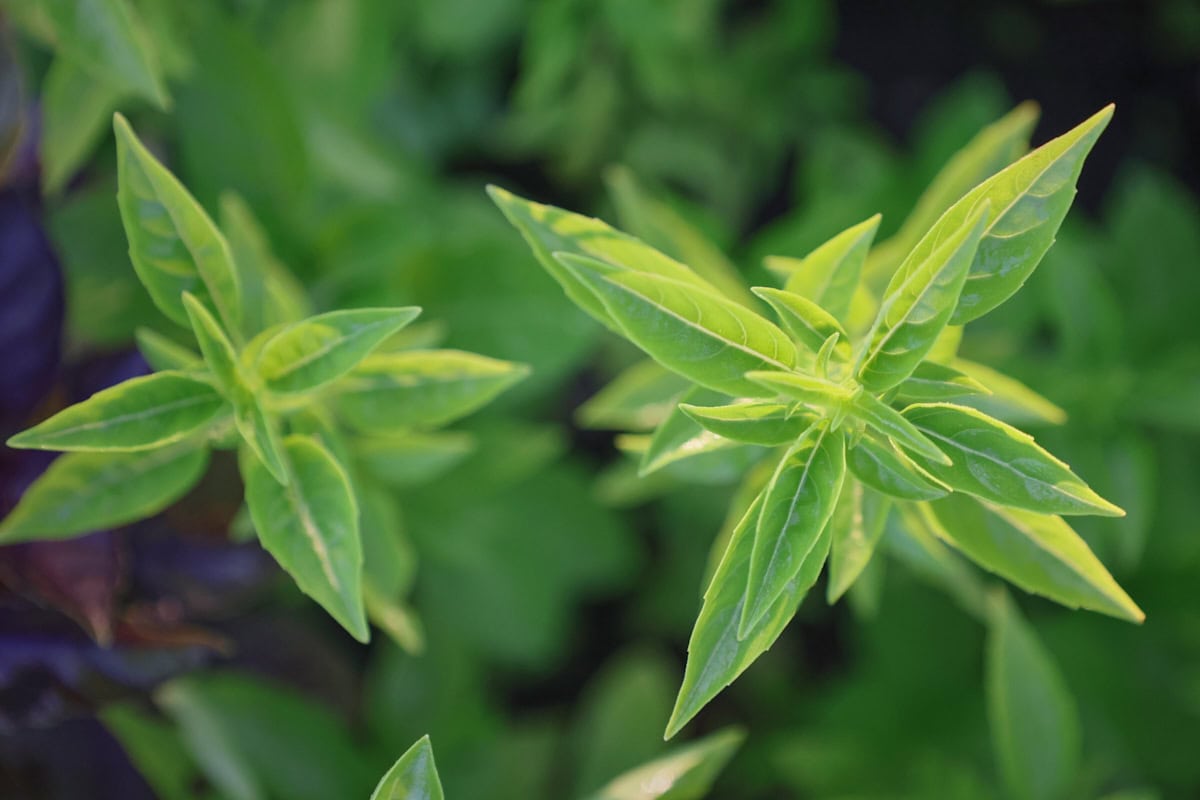
Botanical name:
Ocimum basilicum 'Fino Verde' (synonym: O. basilicum var. minimum in some sources)
Origin
Long-known dwarf basil variety.
Description
- Fino verde is a tall but small-leaved variety. It's mounding (globe-shaped) and densely branched. The leaves are bright green with a smooth texture.
- It has narrow, satin, irridescent pointed leaves that are small and delicate.
- The flowers are a mostly yellow, slightly greenish color and spiky like the leaves.
- The tall stems sway gracefully in the wind.
Uses
Fino verde basil is used in a full range of culinary applications, as well as to stimulate the appetite, and address issues like digestion, anxiety, and stress.
Height
General height range
8 in (20 cm); width 8-12 in (20-30 cm)
Maximum height in my garden
24 in (61 cm)
General scent/flavor
Surprisingly full flavor for its size; with sweet, mild basil aroma, less intensely-flavored than large-leaf types.
My scent notes
Light smoke, old rubber, spiced apples, hot cider, cookie dough, fresh bread, hay ride, cinnamon.
My flavor notes
Sharp, bitter, spicy, unremarkable, gasoline, oil slick, really iodine, sterile gauze, old newspapers.
Flavor disclaimer
Tasting the raw leaves can be misleading. The scent is a more accurate predictor of how the basil will taste when combined with food, either raw or cooked.
Seed source
14. Floral spires basil
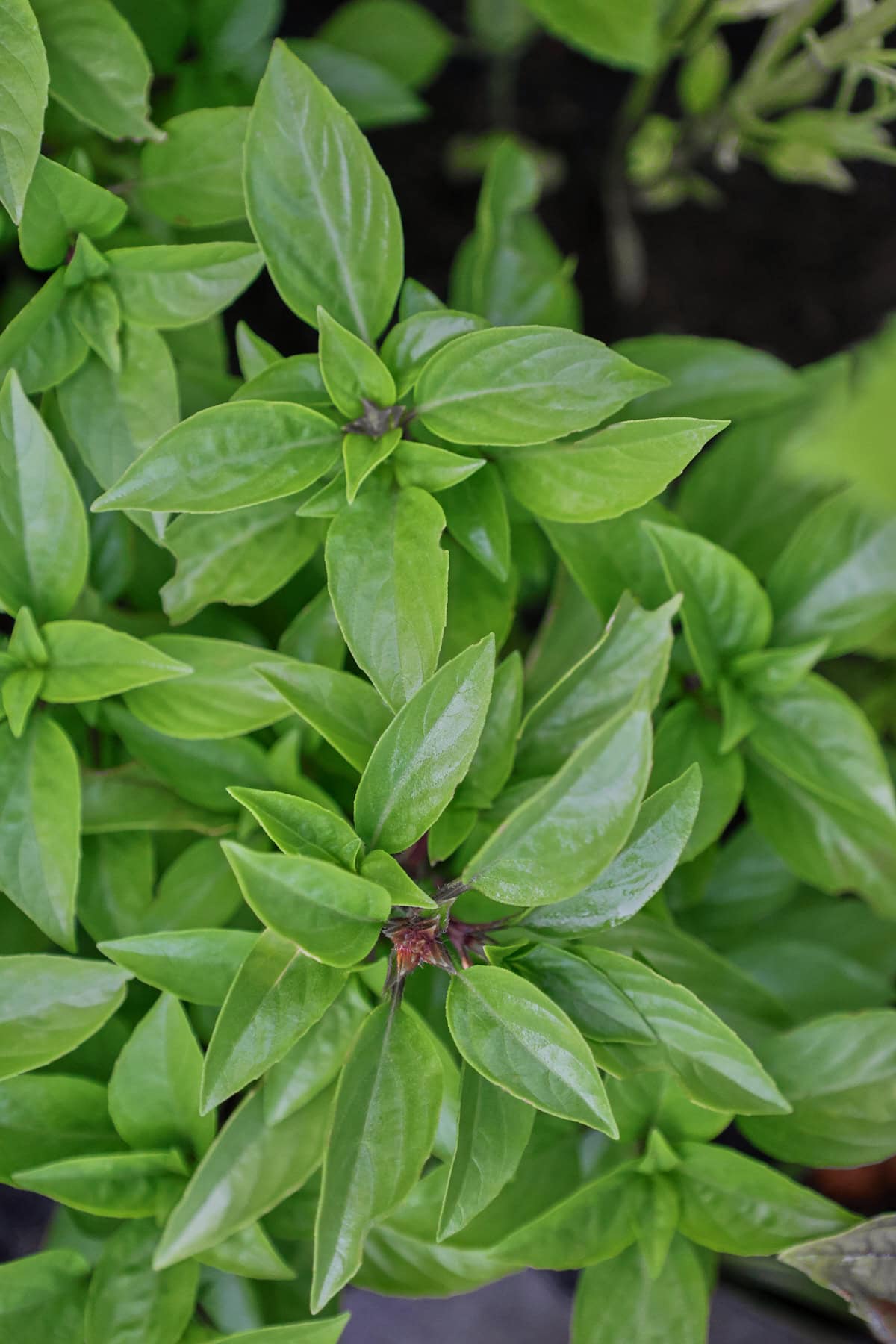
Botanical name:
Ocimum basilicum 'Floral Spires'
Origin
Developed for its Thai basil aroma and beautiful lavender flowers.
Description
- This is a very compact, dense shrub, with a uniform height among all of the growing stems. it's a really adorable plant.
- The leaves are small to medium, wider at the base and narrowing to a graceful point at the apex. They have a satin finish with no contrasting color in the veining.
- The flowering bracts are a deep lilac color. The upright flower spikes are held above the foliage with a "spires" effect. The photo above is in prime leaf-harvesting stage, before allowing the flowering bracts to fully develop.
Uses
Used in cooking for adding flavor, as well as historically in both cultural and medicinal practices.
Height
General height range
10 in (25 cm)
Maximum height in my garden
12 in (30 cm)
General scent/flavor
Floral spires basil has a sweet anise-clove scent, similar to Thai basil (from the compound estragole).
My scent notes
Fresh grass, cookie dough, fresh air, sweet iced tea, gingerbread, molasses, fresh shampoo, toasted coconut, brown sugar, fresh paint, old books, fresh laundry.
My flavor notes
Bitter, biting; old rags, expired cleansers, tire swing, paint thinner, rubbing alcohol.
Flavor disclaimer
Tasting the raw leaves can be misleading. The scent is a more accurate predictor of how the basil will taste when combined with food, either raw or cooked.
Seed source
15. Golden mountain sweet Thai basil

Botanical name:
Ocimum basilicum (Thai-type, from the "Golden Mountain" line)
Origin
The seeds originated from a packet from Thailand, and were selected and developed in California to create a balance in flavor and leaf size.
Description
- This variety has a typical Thai basil form: narrow, pointed leaves, purple stems and flower spikes, and a branching habit. It has a short to medium stature.
- The lower leaves are a yellowish lime green, but closer to the growing tip, they become dusted with a deep burgundy color.
- The flowering bract is also a beautiful burgundy color.
- The stems are burgundy as well.
Uses
Traditionally used Southeast Asian cooking, as well as raw in salads, as a garnish, in drinks, and in some traditional remedies.
Height
General height range
12-18 in (30-45 cm)
Maximum height in my garden
22 in (56 cm)
General scent/flavor
Classic Thai basil aroma: licorice/anise (estragole), and clove (eugenol). Well-suited for Southeast Asian cooking: stir-fries, curries, pho, etc.
My scent notes
Licorice, old tin, cantaloupe, fennel, grapes, so sweet, fennel, cinnamon toast, spice market, toasted spices, sweet tea, raisins, mango.
My flavor notes
So sweet and delicious, toasted spices, sweet raisins, cinnamon toast, Middle Eastern pastries, cardamom, cloves, sweet black tea.
Flavor disclaimer
Tasting the raw leaves can be misleading. The scent is a more accurate predictor of how the basil will taste when combined with food, either raw or cooked.
Seed source
16. Green globe basil
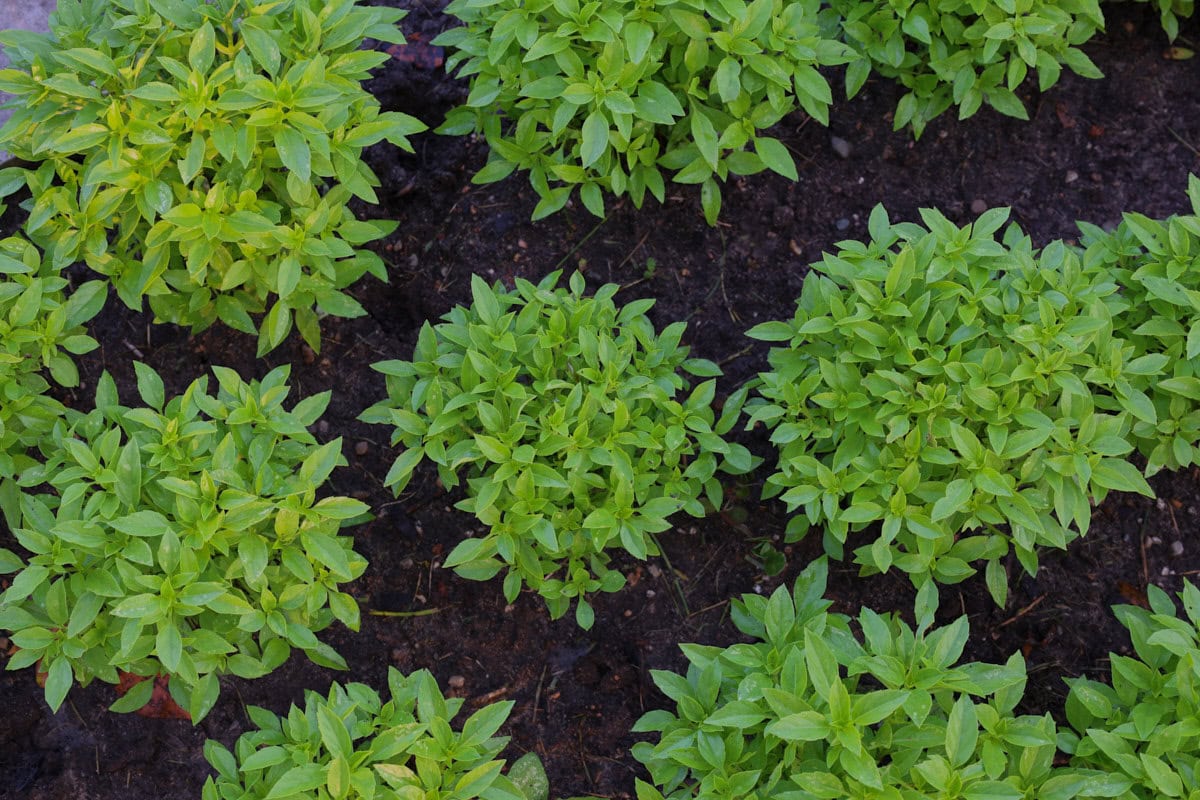
Botanical name:
Ocimum basilicum var. minimum (or Ocimum basilicum 'Green Globe')
Origin
Traditional European/Italian dwarf basil, often used as an edible border or pot plant
Description
- This is a very fine-textured, compact spherical mound (globe shape). It's so beautiful as a landscaping plant as well as an edible herb plant.
- Leaves are minute, smooth, and bright green. They're beautifully, very lightly scalloped, medium lime to yellowish color with a matte finish, and a slightly lighter shade in the veins. the leaves point upward, and are slightly cupped inward along the midrib.
- The flowering bracts at the end of nearly every growing tip are a beautiful yellowish light green color. These inflorescences are mostly very short, but they can grow longer with whitish flower petals emerging from them.
- The stems are at a uniform height that is very rounded, compact, and beautiful.
Uses
Green globe basil has culinary applications in Mediterranean and Asian cuisines, and to make tea. It can also be used to border a garden bed.
Height
General height range
8-12 in (20-30 cm); spread may reach 20-28 in (50-70 cm).
Maximum height in my garden
14 in (36 cm)
General scent/flavor
Spicy and strong for a small basil, sometimes surprisingly intense for its leaf size.
My scent notes
Lemony, grassy, lemon verbena, floor cleaner, clean water, fennel, fresh rain, new puddle, damp rocks, lime, cantaloupe.
My flavor notes
Lemonade, enjoyable, lemongrass, fresh, lemon zest, limoncello, but also green, grassy, and mild; not sweet, but rather more vegetal; mild and neutral, tannic finish that's not bitter or raw.
Flavor disclaimer
Tasting the raw leaves can be misleading. The scent is a more accurate predictor of how the basil will taste when combined with food, either raw or cooked.
Seed source
17. Green pepper basil

Botanical name:
Ocimum selloi or Ocimum campechianum
Origin
Native to southern Mexico, Central/South America. Known in Spanish as "hoja de colico" (colic leaf) in Chiapas (for its medicinal use).
Description
- Green pepper basil is a distinctive looking variety. The color is such a beautiful, deep green with strong and yet short green stems; really a unique basil.
- The leaves are large, glossy, ovate, and thick. They're noticeably darker green than in most basils, with a more matte finish and white veining that's pronounced at the midrib of each leaf. The leaves are slightly cupped along the midrib, and they point upward.
- The flowers are in pinkish or reddish clusters.
- The stems are sharply-serrated, and taper from a wide base to a very narrow tip at the apex.
Uses
Used in Latin American cooking, and as an herbal medicine to treat digestion and inflammation. Useful in cooking with its unique, peppery flavor.
Height
General height range
2-3 ft (60-90 cm) or more in good conditions
Maximum height in my garden
20 in (51 cm)
General scent/flavor
Smells like green bell pepper with mild basil, mint, and spice notes. The green pepper note is striking and unique.
My scent notes
Actual green bell peppers, young, thin green beans, lettuce, kale, freshly-mowed grass, damp earth, tomato leaves, fresh salad greens, sautéed vegetables.
My flavor notes
Stir-fried bell peppers, crunchy escarole and kale; tough, stringy green beans, bitter, gritty and sandy texture; rubber mat, stewed hospital socks, used pool towels; numbing, bitter, tannic; singed electric blanket, old rubber hot water bottle.
Flavor disclaimer
Tasting the raw leaves can be misleading. The scent is a more accurate predictor of how the basil will taste when combined with food, either raw or cooked.
Seed source
18. Green ruffles basil

Botanical name:
Ocimum basilicum 'Green Ruffles'
Origin
Developed in the late 20th century as an ornamental/leaf basil.
Description
- Green ruffles is a wrinkly, greenish-yellow, large lettuce leaf variety. The plant is sturdy and wide.
- The leaves are large, highly crinkled, puckered, and ruffled, with sharply serrated edges. The leaves point downward toward the tips. Along the sides, some of them bend somewhat outward, and others bend inward; They have a satin finish with a barely-there iridescence.
- They have tightly-nestled, light yellowish-green inflorescences with lavender-pink flowers.
- The slighty green stems are slightly hairy and fuzzy.
Uses
As with other sweet basil varieties, the mild flavor of green ruffles basil lends itself well to traditional culinary use .
Height
General height range
24 in (60 cm)
Maximum height in my garden
25 in (64 cm)
General scent/flavor
Milder, sweeter than many basils; some describe subtle notes of cinnamon, citrus, and anise. Excellent for pasta, wraps, decorative garnishes, and salads. The large leaves make harvesting easy.
My scent notes
Fresh green fennel, dill, spearmint, singed hay, lush meadows, deeply aged salt, balsamic vinegar.
My flavor notes
Enjoyable and mildly sweet; not dry, not tannic, not bitter, not raw; golden hay in the sun, tranquil green woods, freshly-woven reed mat, numbing like a Szechuan peppercorn, soft upon further chewing, very slight bitter edge after more chewing, dry, menthol.
Flavor disclaimer
Tasting the raw leaves can be misleading. The scent is a more accurate predictor of how the basil will taste when combined with food, either raw or cooked.
Seed source
19. Holy basil

Botanical name:
Botanical name: Ocimum tenuiflorum
Origin
Thailand
Description
- This is one of my shorter to medium varieties; upright, branching.
- The leaves are serrated, matte, and somewhat hairy, with a beautifully bright yellowish lime green color. They have wavy scalloped edges with a gentle taper toward the tip.
- The flowers are a light yellowish green with a graceful arch
- The stems are a hairy green or lilac shade.
Uses
Thai holy basil is phenomenal in a wide array of dishes in Southeast Asian cooking.
Height
General height range
1-2 ft (30-60 cm) in cultivation outside tropics
Maximum height in my garden
21 in (53 cm)
General scent/flavor
Clove-like, spicy, peppery; menthol and fruity notes. Used in medicinal teas, Ayurvedic remedies, as a culinary herb in Thai cuisine.
My scent notes
Old wood stove, amchur powder, nigella seeds, pretzels, toffee, bonfire, dark, plum, aged linens, meadow grasses, spring breezes young cumin, fresh laundry, crisp, toasted, salty rice, sea air.
My flavor notes
Gasoline, old tires, pile of rags, motor oil, burned jute, brush fire.
Flavor disclaimer
Tasting the raw leaves can be misleading. The scent is a more accurate predictor of how the basil will taste when combined with food, either raw or cooked.
Seed source
20. Italian mountain sweet basil

Botanical name:
Ocimum basilicum 'Italian Mountain Sweet'
Origin
Likely from colder and mountainous regions of Italy, or a selected adaptation, or possibly a regional landrace (adaptive variety).
Description
- This is a classic-looking sweet basil variety. It has a robust, open branching habit. It's possibly more cold-tolerant and later flowering than lowland varieties.
- The medium green leaves are glossy and slightly wrinkled. The long sides fold inward.
- The flowering inflorescences are a very light green with white petals.
Uses
This variety is used for the full range of traditional culinary applications as well as for medicinal issues like digestion, stress, and colds.
Height
General height range
18-24 in (45-60 cm)
Maximum height in my garden
27 in (69 cm)
General scent/flavor
Sweet, rich basil flavor, mild minty bite. Smooth and aromatic.
My scent notes
Campfire, jute, dried herbs, coriander, seeds, black pepper, freshly-cut grass, pasta, cooking water, new potato skins, spring peas.
My flavor notes
Classic basil, young green grass, heirloom lettuce, escarole, kale, singed metal, petrichor, slightly sweet but biting edge, very vegetal.
Flavor disclaimer
Tasting the raw leaves can be misleading. The scent is a more accurate predictor of how the basil will taste when combined with food, either raw or cooked.
Seed source
21. Keira basil

Botanical name:
Ocimum basilicum 'Keira'
Origin
Keira is the result of several generations of plant selection to improve yield, leaf glossiness, disease resistance, and cold tolerance.
Description
- Keira looks like a classic Italian variety. It's a vigorous, healthy-looking, medium to large leaf sweet basil.
- The bright lime green leaves are cupped along the sides, and some bend upward from the tip. They're glossy and iridescent.
- The flowers are a light yellowish-green.
- The stems are strong and tall.
Uses
As a sweet basil, Keira is well-suited to many culinary uses, as well as traditional medicinal basil applications.
Height
General height range
14-20 in (35-50 cm)
Maximum height in my garden
30 in (76 cm)
General scent/flavor
classic sweet basil (clove, sweet notes)
My scent notes
Sweet and grassy, light, mild and clean, very fresh, new soap, lily of the valley, fresh towels.
My flavor notes
Classic basil, fresh spring vegetables, peas, fennel bulb, jicama, raw, almost bitter edge, cloudy day, old thatched roof, vintage attic.
Flavor disclaimer
Tasting the raw leaves can be misleading. The scent is a more accurate predictor of how the basil will taste when combined with food, either raw or cooked.
Seed source
22. Malawi camphor basil

Botanical name:
Possibly Ocimum canum
Origin
Likely from Malawi/ East Africa, selected for its camphorous medicinal traits.
Description
- This basil has a short to medium height in temperate climates and a shrubby habit.
- The elongated leaves are medium yellowish green with a matte finish.
- The inflorescences are a light green with white petals, arching and curving as they elongate.
Uses
Malawi camphor basil is more medicinal than culinary. In Malawi, it's used to address illnesses, such as colds, fevers, and both digestive and respiratory issues.
Height
General height range
Possibly up to 2 ft (0.75 m) in tropical settings.
Maximum height in my garden
20 in (51 cm)
General scent/flavor
Strong camphorous, medicinal scent. Less sweet, with hints of fruit, cinnamon, white flowers.
My scent notes
Resin, camphor, smoke, citrus, white wine, tomato stem, cough drops, eucalyptus, pine needles, campfire.
My flavor notes
Pine cleaner, urgent care clinic, new shoes, rubbing alcohol, cocktail bitters, black walnut.
Flavor disclaimer
Tasting the raw leaves can be misleading. The scent is a more accurate predictor of how the basil will taste when combined with food, either raw or cooked.
Seed source
23. Mammoth sweet basil
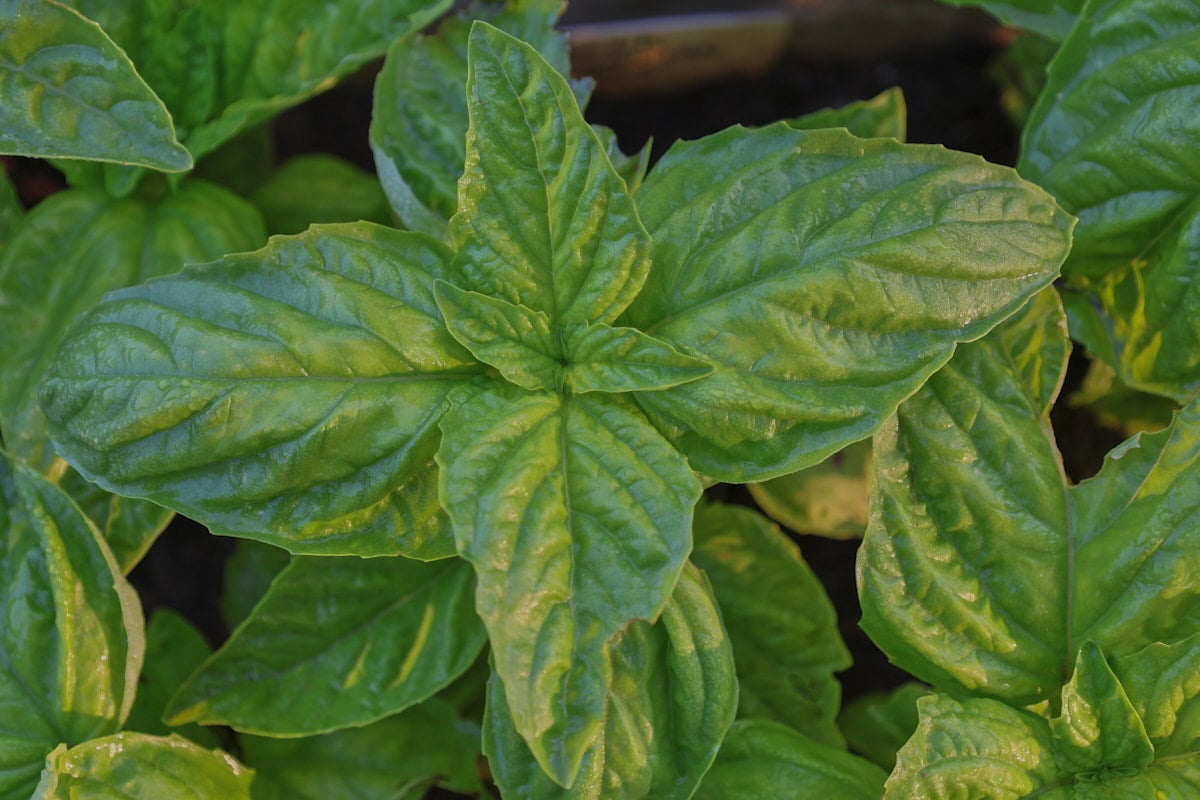
Botanical name:
Ocimum basilicum 'Mammoth Sweet'
Origin
Traditional Italian heirloom variety, known for its huge leaves.
Description
- Mammoth sweet basil seems to be much hardier and resistant to cold than my other lettuce leaf varieties. It has a somewhat floppy habit. While on the short side for basils overall, it's taller than some of my other lettuce leaf varieties.
- The leaves are very large and wrinkled, some pointing outward and downward, some folding inward and upward, depending on how close they are to the growing tip. The leaves have a satin iridescent finish like the other lettuce leaf types, and a yellow cast, especially toward the center of the leaves. The large leaves make harvesting easy.
- The inflorescences are short, compact, and yellowish green. They're geometrically arranged in orthogonal directions. The flowers are white or light pink.
- The beautiful stems are strong and stocky.
Uses
This basil has a myriad of culinary uses, from wraps and sandwiches to pasta, pizza, and tomato-based dishes and more.
Height
General height range
18-24 in (45-60 cm)
Maximum height in my garden
24 in (61 cm)
General scent/flavor
Mildly sweet, less pungent than Genovese, smooth flavor.
My scent notes
Classic basil, light, fresh citrus, cloudy day, fresh soil, damp pavement, worn linens, vintage pantry, blonde wood, grass smoke, aged cigar, bourbon.
My flavor notes
Mild smoke, very dry, skidding tongue, astringent, eucalyptus, expired medicine, weathered parchment, mildewed canvas, bitter gas leak.
Flavor disclaimer
Tasting the raw leaves can be misleading. The scent is a more accurate predictor of how the basil will taste when combined with food, either raw or cooked.
Seed source
24. Married man pork basil

Botanical name:
Ocimum sp. (uncertain; likely O. gratissimum or O. micranthum type)
Origin
Caribbean / Guyana; folklore name suggests local culinary tradition.
Description
- The plant is graceful and delicate-looking.
- The eaves are a vibrant greenish-yellow and tapered toward the pointed tip. They also fold inward along the midrib. the finish on the leaves is satin and iridescent.
- The flowers are a light yellow color.
Uses
This basil is a key herb in Caribbean/Latin American cooking, and sometimes dried as spice.
Height
General height range
2-4 ft (0.6-1.2 m) in tropical climates
Maximum height in my garden
22 in (56 cm)
General scent/flavor
Very potent, spicy-savory, often described as a blend of basil, thyme, clove, and black pepper.
My scent notes
New car, fresh breezes, perfume, flowers, roses, fresh jam, cinnamon, ginger, plum, absolutely stunning, morning forest, pea shoots, fresh carrots.
My flavor notes
Fresh young greens, spring stems, dry, but not bitter, lightly toasted fennel, white cardamom, ajwain (carom) seeds.
Flavor disclaimer
Tasting the raw leaves can be misleading. The scent is a more accurate predictor of how the basil will taste when combined with food, either raw or cooked.
Seed source
25. Napoletano basil
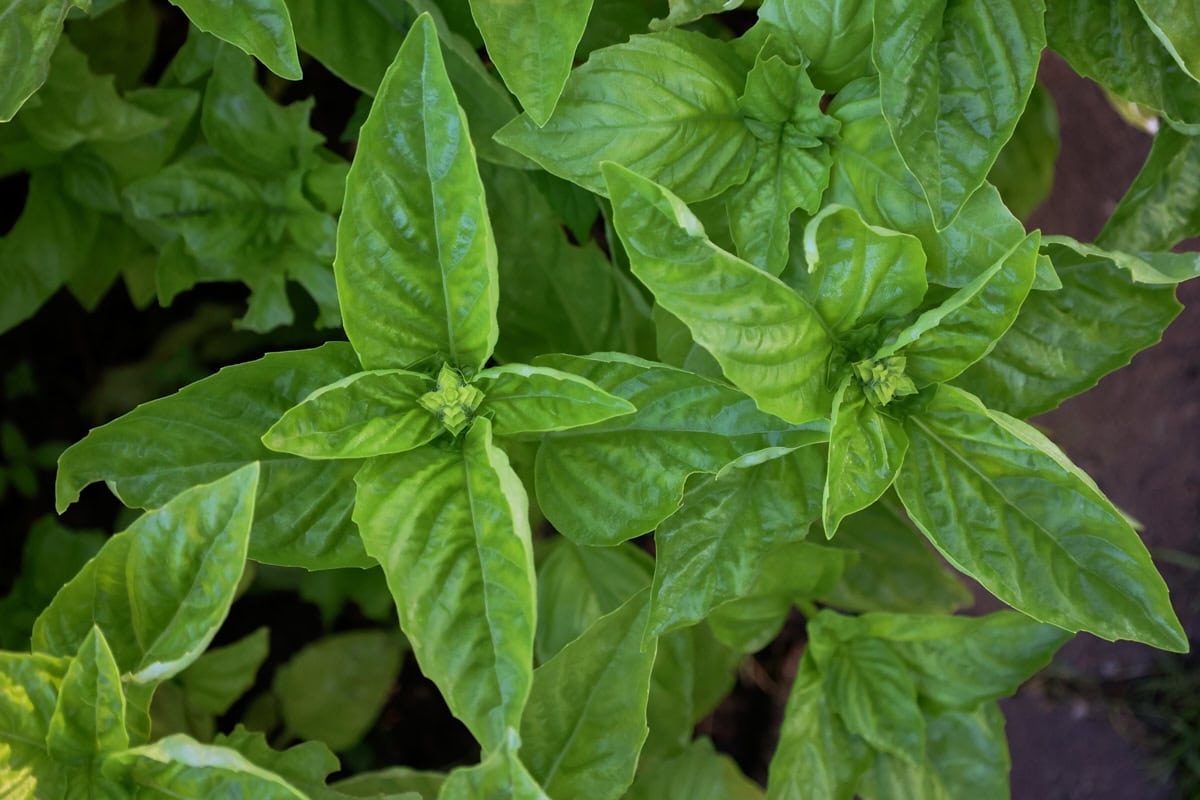
Botanical name:
Ocimum basilicum 'Napoletano' (or Basilico Napoletano)
Origin
From Naples, a southern Italian tradition
Description
- Napoletano has a vigorous, bushy habit. Because the leaves are so large, they're easy to harvest. It looks like a cross between a lettuce leaf basil and a smooth-leaf Genovese-type of Italian sweet basil. It's a beautiful, medium-height plant.
- The leaves are medium to large and wrinkled, but less so than with many lettuce leaf varieties. They cup inward and point upward. They have a satin-iridescent finish.
- The inflorescences are arranged in orthogonal points. They're a yellowish green with beautiful white petals.
- The stems are a light green, strong, and taller than my lettuce leaf varieties but shorter than my sweet Genovese-type varieties.
Uses
Napoletano is well-suited for a wide variety of culinary uses, in the same way as any classic Italian basil.
Height
General height range
18 in (45 cm)
Maximum height in my garden
27 in (69 cm)
General scent/flavor
Upscale sweet fragrance, low bitter and mint profiles. Smooth, classic basil flavor.
My scent notes
Deeply sweet and fresh, clean blue water, new car, clean kitchen, new wood, forest trail, pears, freshly cut grass, chlorinated pool, fresh air, clean laundry, fresh salad greens, fresh brine, clean steel.
My flavor notes
Fresh and pleasant, mild, not too dry, spring peas, celery, young green beans, green bell peppers, fresh spring salad, tannic but not bitter finish.
Flavor disclaimer
Tasting the raw leaves can be misleading. The scent is a more accurate predictor of how the basil will taste when combined with food, either raw or cooked.
Seed source
26. New Guinea basil, version 1

Botanical name:
Could be a local adaptation or hybrid (possibly O. gratissimum or O. tenuiflorum lineage); Ocimum sp. (variant of New Guinea basil)
Origin
Papua New Guinea / Pacific region
Description
- My new Guinea basils from 2 different vendors are growing next to one another. (See the seed source listed for each.) It's important to understand that variation, even among identically-named varieties, should be expected, and even considered exciting! Just think of the infinite possibilities that mutation and adaptation can bring. This version 1 is slightly taller than version 2.
- The matte-finished leaves are medium-sized, gorgeously-variegated, and have a fairly even range of gradually-mottled green and purple. The leaves are pointing up as well as slightly folded in along the midrib. They're very narrow and sharply pointed at the apex. The veins and ribs on the leaves are purple.
- The inflorescences are a muted fuchsia to dark purple color, corresponding to the leaf color variegation. They're covered in downy white hair, so they look slightly fuzzy.
- The stems are branching and both green and purple.
Uses
Used as both a culinary and medicinal plant.
Height
General height range
16-24 in (41-61 cm)
Maximum height in my garden
22 in (56 cm)
General scent/flavor
Aromatic, spicy and clove-like.
My scent notes
Bright fennel, nutmeg, clove, peppermint, hot chocolate, spearmint gum, wintergreen, laundry detergent, osmanthus, jasmine.
My flavor notes
Sweet and mild, pleasant, maple syrup, fresh salads, oat milk, mild vanilla, slightly sweet, anise, lush meadows, wildflowers, jicama, chalk, gritty texture, deodorant, air freshener, freshly-cleaned glass.
Flavor disclaimer
Tasting the raw leaves can be misleading. The scent is a more accurate predictor of how the basil will taste when combined with food, either raw or cooked.
Seed source
27. New Guinea basil version 2

Botanical name:
Could be a local adaptation or hybrid (possibly O. gratissimum or O. tenuiflorum lineage); Ocimum sp. (variant of New Guinea basil)
Origin
Papua New Guinea / Pacific region
Description
- This version 2 of New Guinea basil is slightly shorter than version 1 above. (See the seed source listed for each.) It's an adorable little plant with a medium height and, like version 1, branching habit.
- The leaves on version 2 have a greater purple concentration than those of version 1. This one also has purple veining. the leaves on this one also point both inward and upward.
- Version 2 has larger inflorescences than version 1 in some cases, while others are more similar in size.
- Version 2 has dark fuchsia stems that branch somewhat laterally rather than completely vertically in most cases.
Uses
Used as both a culinary and medicinal plant.
Height
General height range
16-24 in (41-61 cm)
Maximum height in my garden
20 in (51 cm)
General scent/flavor
Aromatic, spicy and clove-like.
My scent notes
Damp hay, fresh soil, new cardboard, vintage silver, oolong tea, bright sunny skies, hot rocks, fresh sand, new office, fresh vegetables.
My flavor notes
Lovely, sweet and surprisingly pleasant, sweet fennel, very mild, spice drawer dry, rubber eraser, acrylic paint, plastic toys, gritty texture, hairspray, chalk.
Flavor disclaimer
Tasting the raw leaves can be misleading. The scent is a more accurate predictor of how the basil will taste when combined with food, either raw or cooked.
Seed source
28. Opalescent basil
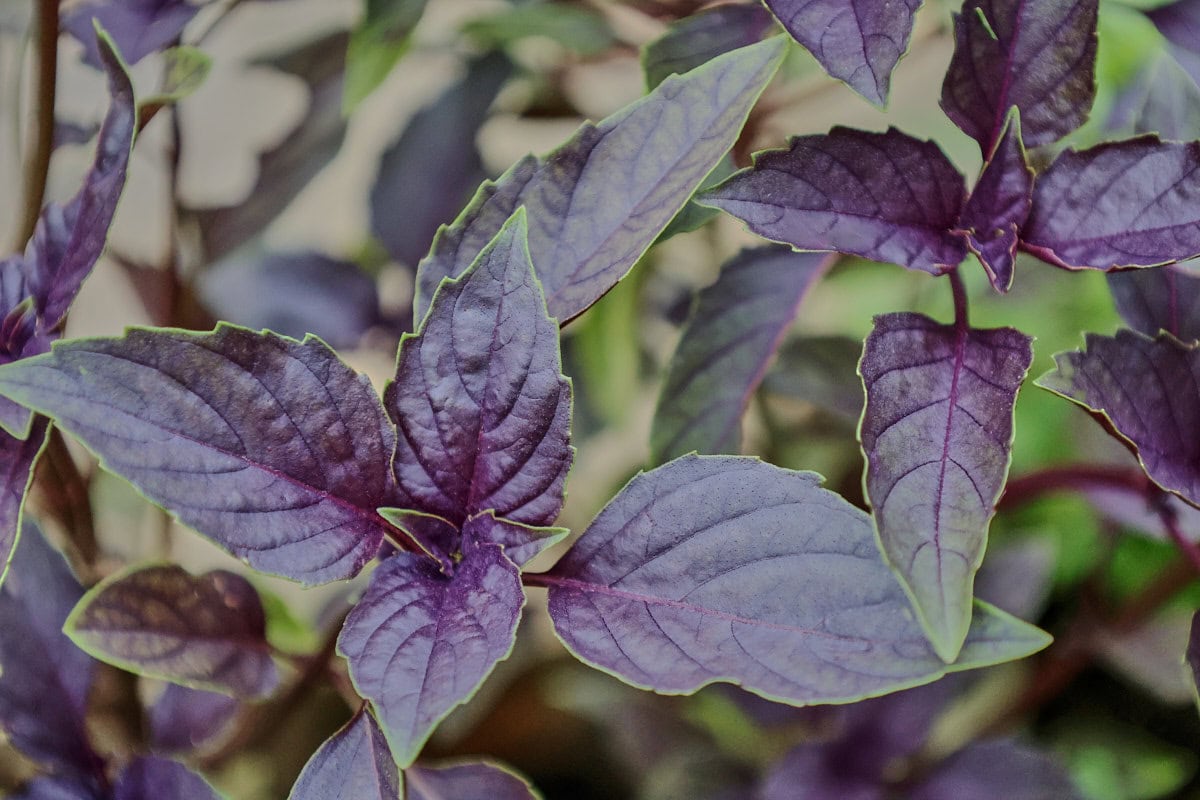
Botanical name:
Ocimum basilicum 'Opalescent' (a bi-colored hybrid); Hybrid cultivar of O. basilicum (cross of green + purple varieties)
Origin
A newer introduction (2021), selected for stable variegation of green & purple marbling. A cross between mrihani and dark opal (#9 above) basils.
Description
- Opalescent basil is an absolutely gorgeous dark deep purple variety. Its growth habit is similar to that of sweet basil. It's a very beautiful plant of medium height.
- The leaves are variegated green and purple with scalloped edges. They point upward and fold inward along the midrib. There is a bright lime green margin, and the lower leaves are a yellowish greenish bronze. There seems to be a wide variation in the leaf shape, varying between scalloped and ruffled. They're iridescent, satiny, soft and downy. Just stunning. The wrinkles are somewhat pronounced along the veining.
- The flowers are pinkish purple.
Uses
Opalescent is considered both ornamental and useful in a wide variety of culinary applications.
Height
General height range
18 in (45 cm)
Maximum height in my garden
27 in (69 cm)
General scent/flavor
Seed catalogs indicate excellent sweet basil flavor, maintaining flavor even while adding ornamental value.
My scent notes
Deep anise, salted licorice, new fabrics, young forest, green twig, fresh smoke, summer morning, nutmeg, clove, ginger, salted caramel, cardamom.
My flavor notes
Mild lemon, pine cleaner, weak expired cleaners, soft leaf texture, and yet slightly crunchy; latex bandage, first aid spray, sterilized surgical instruments, cold steel, burnt drywall, rusty pitchfork, withered brussels sprouts.
Flavor disclaimer
Tasting the raw leaves can be misleading. The scent is a more accurate predictor of how the basil will taste when combined with food, either raw or cooked.
Seed source
29. Ouzo basil

Botanical name:
Ocimum basilicum 'Ouzo'
Origin
Greece, named for the anise-flavored spirit ouzo because of its licorice scent.
Description
- Ouzo has a medium-size and compact habit.
- The leaves are bright medium green, and are narrow, pointed upward and cupped inward along the midrib. The finish is between matte and satin.
- The inflorescences are deep fuchsia to violet.
- The stems are a beautiful dark purple.
Uses
Ouzo basil is excellent in salads, vinegar, syrups, cocktails, and more. Because of its strong fragrant twist, it excels when you want basil with a dash of licorice flavor.
Height
General height range
12-18 in (30-45 cm)
Maximum height in my garden
24 in (61 cm)
General scent/flavor
Strong licorice / anise (estragole) aroma, with basil and clove undertones.
My scent notes
Fresh rain, snickerdoodle, clothes, cardamom, cinnamon, fennel, roasted grapes, licorice, sweet, salted melon, dry dessert wine, toasted cumin, coriander seed, turmeric, ginger.
My flavor notes
Light, clean anise, fresh fennel bulb, dry, not bitter, green and fresh, enjoyable, mild lettuce, young kale, celery.
Flavor disclaimer
Tasting the raw leaves can be misleading. The scent is a more accurate predictor of how the basil will taste when combined with food, either raw or cooked.
Seed source
30. Peruvian basil
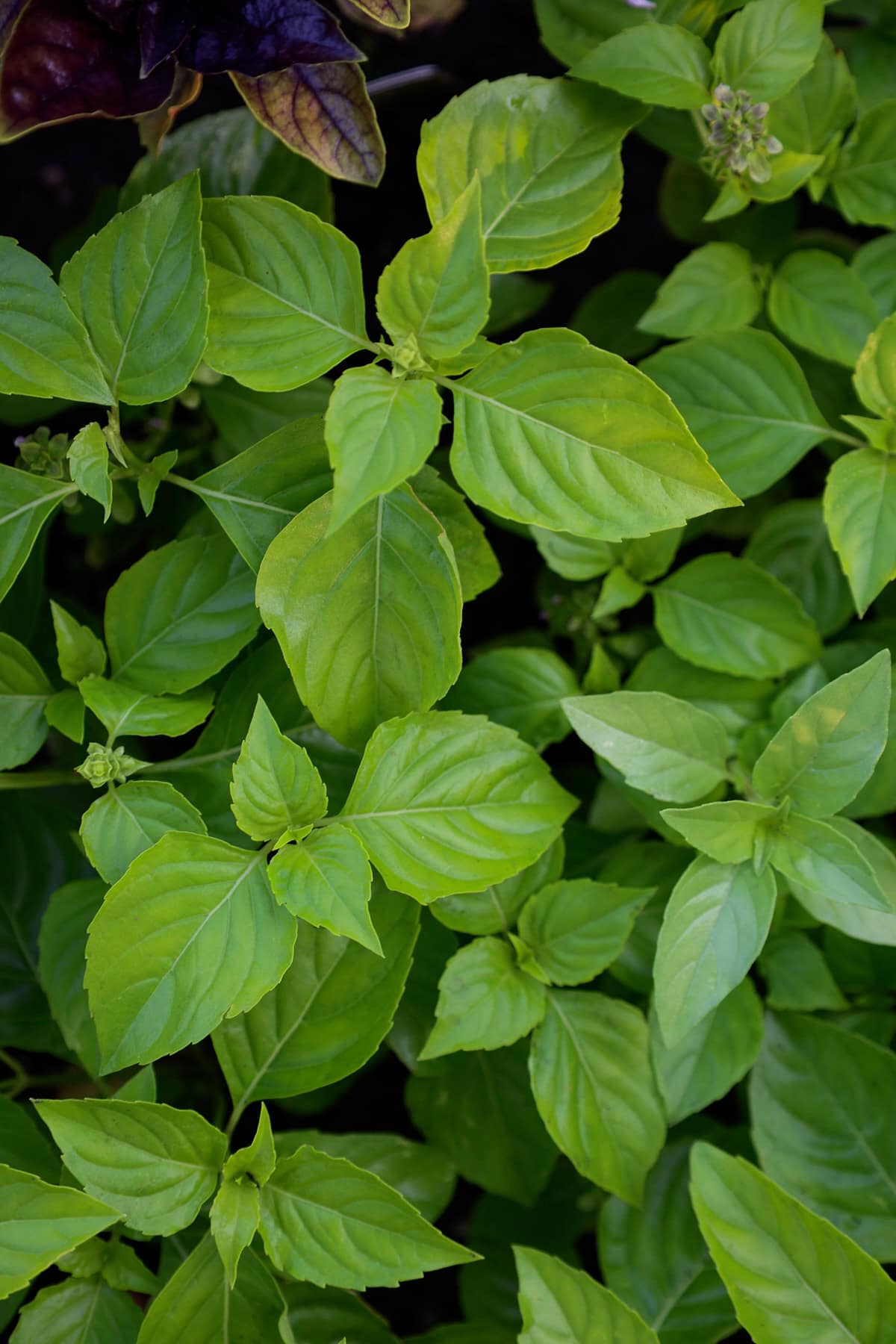
Botanical name:
Ocimum micranthum
Origin
Native to Peru / Amazon / Central & South America
Description
- Semi-woody (in tropical climates), Peruvian basil is delicate and short in stature. it's a beautiful variety.
- The ovate leaves have a delicate matte finish and are fairly flat. The veins are white with a prominent midrib.
- The flowers are stunning with a mostly light green color with some dappling of a light purple. The petals are oval shaped and more individual and pronounced than on the other varieties.
- The stems are strong and yet delicate, and a light green color.
Uses
Peruvian basil is both a culinary and medicinal herb. In traditional Amazonian use, It's been used in teas, stews, folk remedies.
Height
General height range
In tropical zones, 3-5 ft (0.9-1.5 m); less tall in temperate zones.
Maximum height in my garden
18 in (46 cm)
General scent/flavor
Strong, spicy, woody aroma with camphor, allspice, clove undertones. Some bitterness if eaten raw but this mellows with cooking.
My scent notes
Very mild scent, perfumed, spring greens, wildflowers, lemongrass, lime, ginger, galangal, toasted bread, tangerines, aluminum foil.
My flavor notes
Mild smoke, dirty clothes pile, old library, vintage wicker chair, old paint, aged grass, new cigar, lemongrass, hot rocks, turpentine.
Flavor disclaimer
Tasting the raw leaves can be misleading. The scent is a more accurate predictor of how the basil will taste when combined with food, either raw or cooked.
Seed source
31. Punsch basil

Botanical name:
Ocimum basilicum 'Punsch'
Origin
European (Germany / Austria / Central Europe); the word "punsch," meaning punch suggests an aromatic quality.
Description
- Punsch is an adorable variety that looks like a Thai Basil. It has a medium height, good branching, and while it's a short-statured plant, it's also robust-looking. A beautiful plant.
- The leaves are electric lime green, and folded inward cupped along the sides and pointed at the apex. The finish on the leaves is satin and iridescent.
- The flowers are gorgeous, ranging from a dark lilac at the base to a darker deep fuchsia at the tip.
- The stems are strong and deep fuchsia.
Uses
Punsch basil works well for herbal teas, aromatic infusions, and as a garnish, among many culinary possibilities.
Height
General height range
16 in (40 cm)
Maximum height in my garden
19 in (48 cm)
General scent/flavor
Spicy and warm, with cinnamon, clove, fruity undertones.
My scent notes
Strong, floral, fruity scent, red apple, peach, homemade jam, oranges, sangria, fruity, red wine, spring rain, clean house, warm botanical candle.
My flavor notes
So mild that it's hard to detect flavor; fresh grasses, garden lettuce, anise, fresh streams, rich soil, camphor edge, clean water, slightly bitter, slate tiles, concrete.
Flavor disclaimer
Tasting the raw leaves can be misleading. The scent is a more accurate predictor of how the basil will taste when combined with food, either raw or cooked.
Seed source
32. Purple delight basil
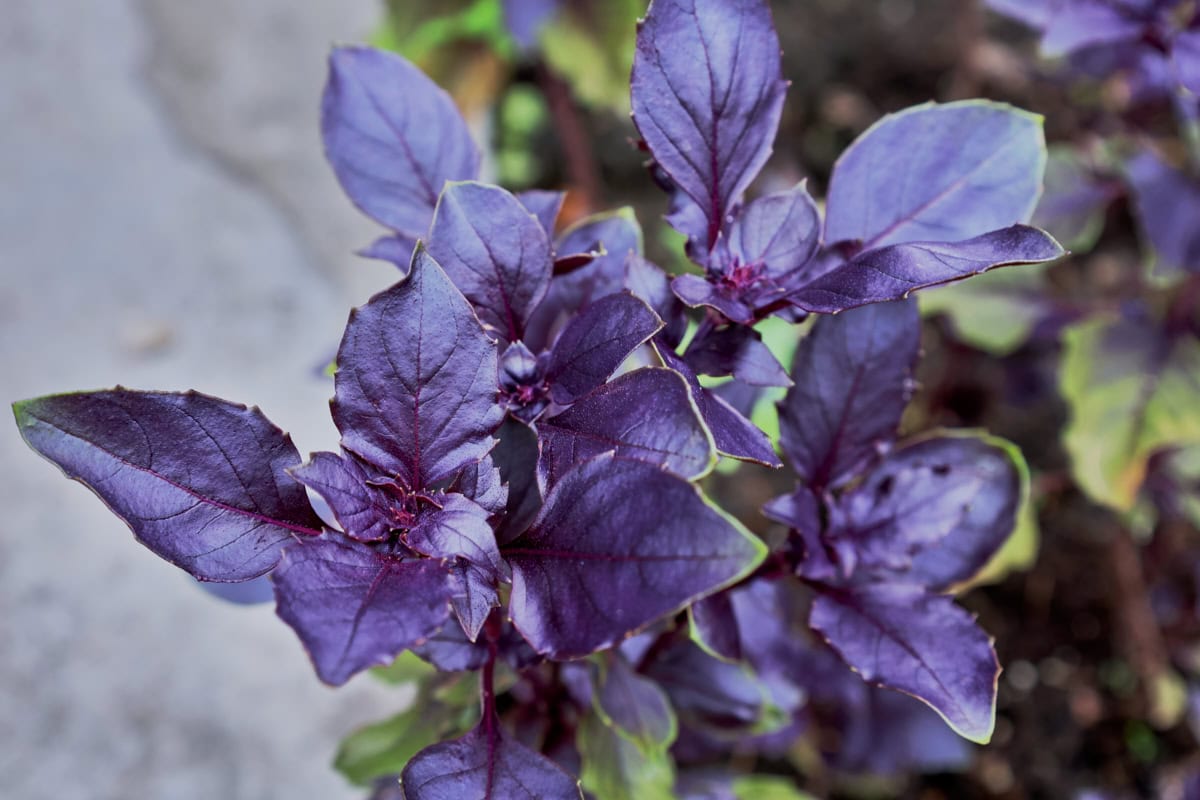
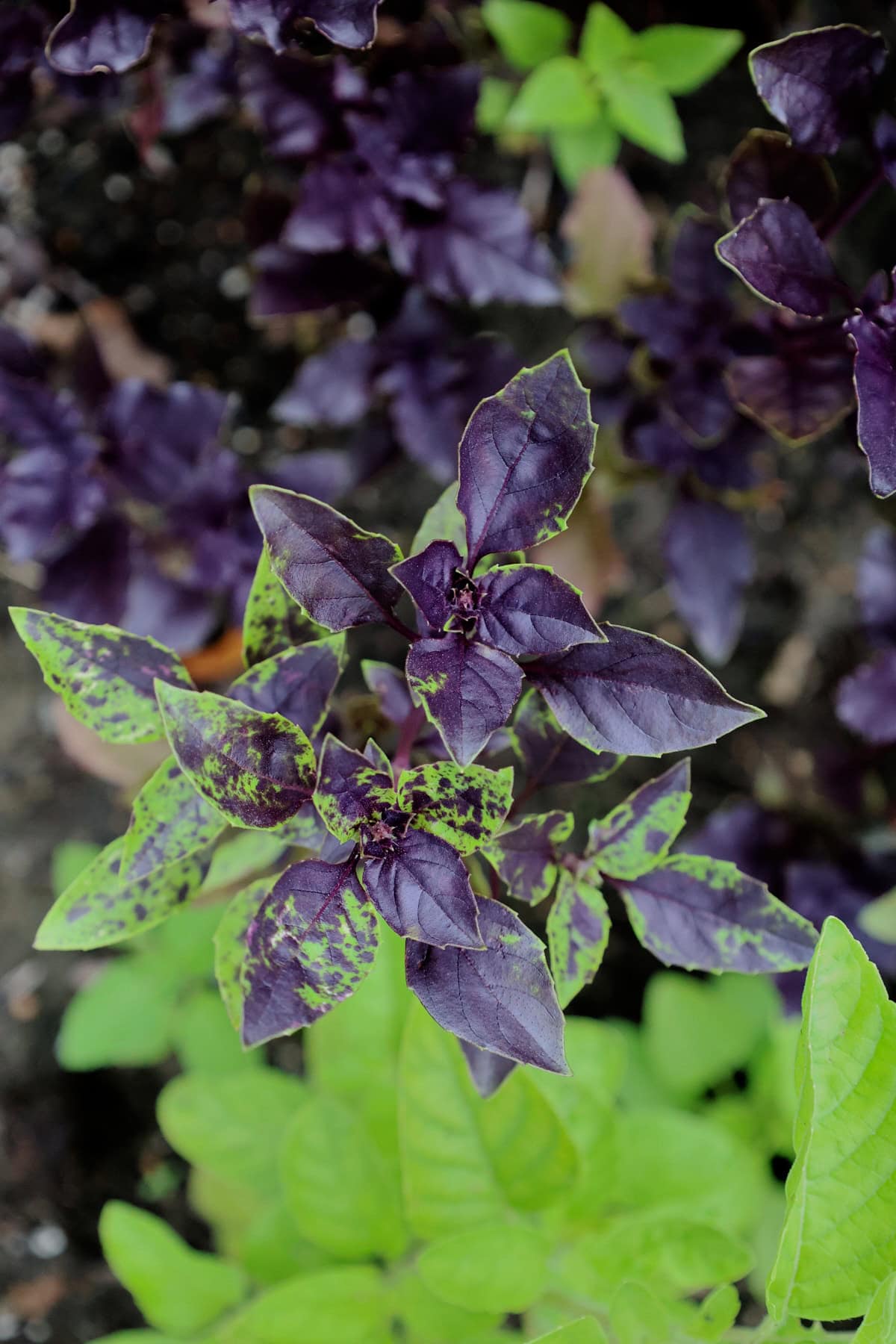
Botanical name:
Ocimum basilicum 'Purple Delight'
Origin
Modern purple basil cultivar without much available historical information.
Description
- Purple delight basil is a medium-height, upright variety with some shorter stems as well. It's beautiful.
- The leaves are deep purple, flat and smooth. I love the minor crenulations in the margins. They're fairly upright along the stem, and some of the lower leaves have a bronze color. There are also some mottled variations in this plant that are absolutely beautiful, with a dappled lime green and dark purple splash. Sadly, this seems to be considered an industry defect, but I find it absolutely beautiful.
- The flowers are a light purple.
Uses
Purple delight basil works well for both ornamental and a full range of culinary use.
Height
General height range
18 in (45 cm)
Maximum height in my garden
26 in (66 cm)
General scent/flavor
A mild, clove-forward fragrance (eugenol) but a balanced flavor.
My scent notes
Vintage anise, flannel shirt, coziness, fire, damp soil, storm ozone, clean laundry, gazpacho, aluminum, peonies, fresh caramel, almonds.
My flavor notes
Old vinyl car seats, dusty antique shop, dry, old newspapers, singed rope, sunbaked mud, rich soil, compost.
Flavor disclaimer
Tasting the raw leaves can be misleading. The scent is a more accurate predictor of how the basil will taste when combined with food, either raw or cooked.
Seed source
33. Purple tulsi basil
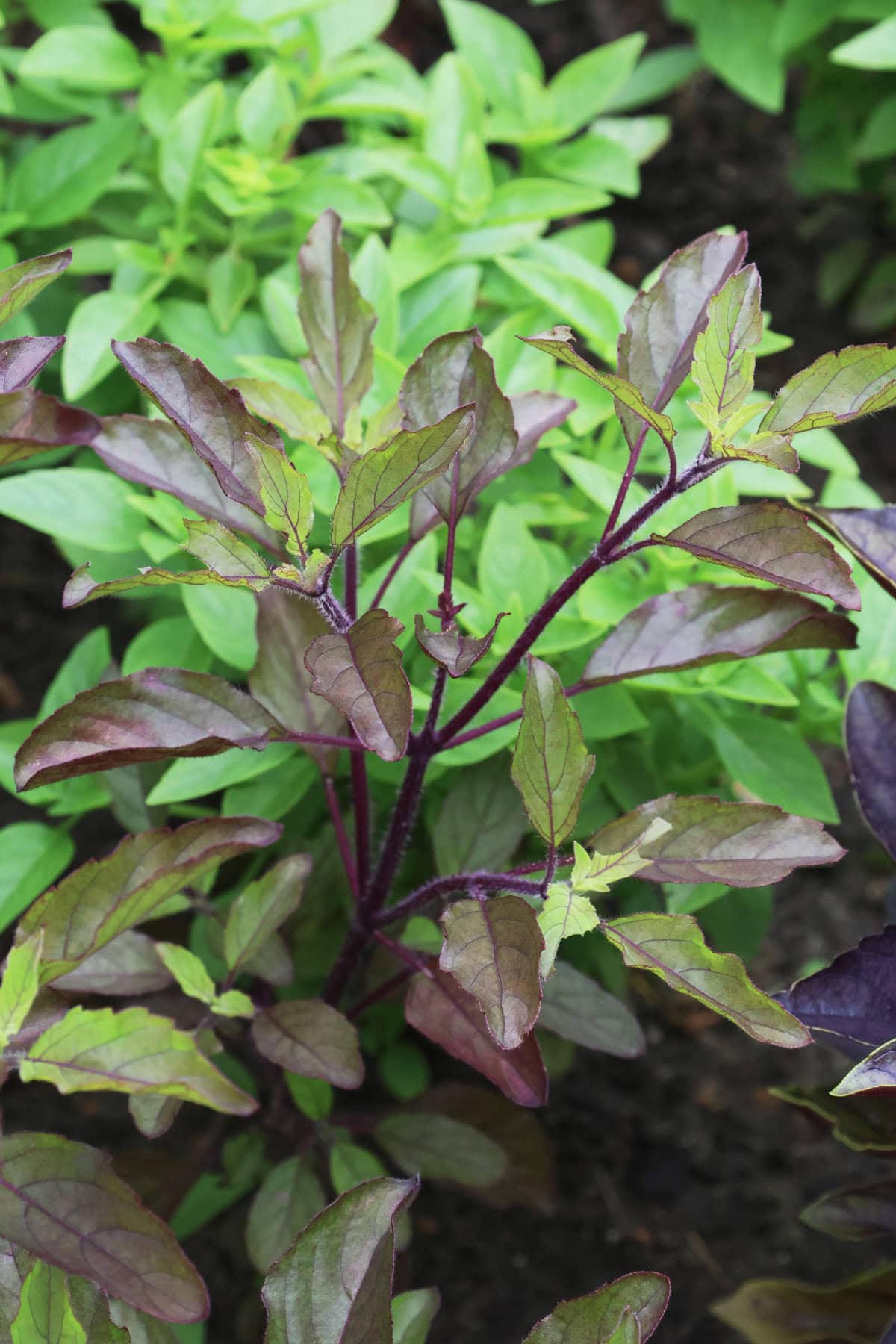
Botanical name:
Ocimum sanctum tenuiflorum 'Krishna'
Origin
One of the main sacred tulsi basils of Hindu tradition.
Description
- Purple tulsi is truly stunning to behold, and is very different from the krishna tulsi variety I grew last year. The height is on the medium to tall side, and is branching with a shrub habit. I absolutely love this plant. It's truly outstanding in its beauty.
- The leaves are slightly toothed, in shades that range from nearly fluorescent electric lime green to a delicate fuzzy greenish purple. The shape is smoothly crenulated; the wavy scallops come to somewhat of a point, and the leaves are positioned upward. They're satin-finished with purple veins.
- The inflorescences are narrow and graceful, arching and delicate, in a deep pinkish purple shade. They're growing in multiples at each growing tip. And they're somewhat sparse and yet even more graceful this way.
- The stems are a dark purple with white fuzzy down.
Uses
Purple tulsi is primarily used ceremonially, as well as for herbal tea and Ayurvedic use. Tulsi is grown in many households for spiritual, health, and aromatic value.
Height
General height range
1-2 ft (30-60 cm) in cultivation outside tropics
Maximum height in my garden
21 in (53 cm)
General scent/flavor
Purple tulsi is very aromatic, with notes of spicy clove, pepper, and fruit.
My scent notes
Salty smoke, old paper, vintage wood, grilled vegetables, tahini, toasted sesame, worn canvas, fine-grit sandpaper.
My flavor notes
Very little taste at all; it's hard to say, almost crunchy and chewy texture; spinach, roasted roasted potatoes, hay bale, dry, mealy texture, drying fall grasses, clean sun-baked pebbles.
Flavor disclaimer
Tasting the raw leaves can be misleading. The scent is a more accurate predictor of how the basil will taste when combined with food, either raw or cooked.
Seed source
34. Red freddy genovese basil
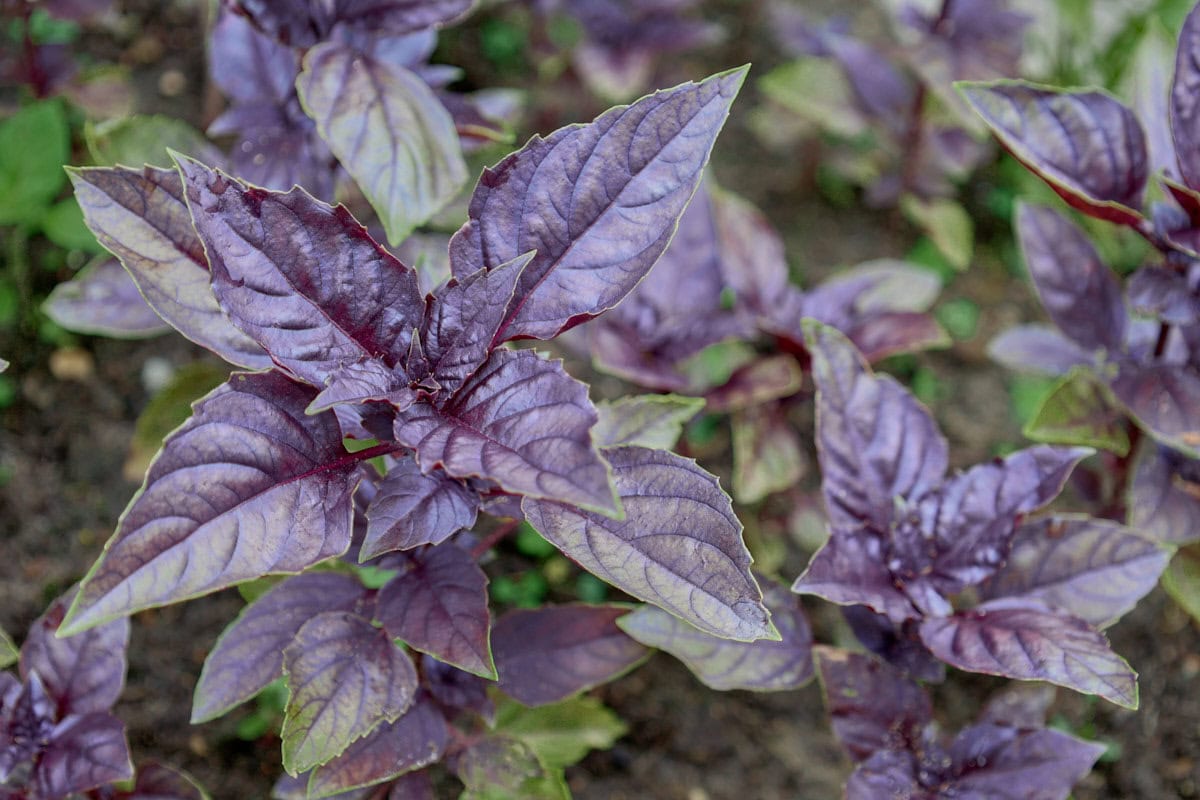
Botanical name:
Ocimum basilicum 'Red Freddy'
Origin
Originated in Africa
Description
- Red Freddy Genovese stands tall, strong, and beautiful.
- The leaves have an ovate Genovese shape. They're fairly shiny and wrinkled, in a deep reddish purple toward the growing tip. The lower leaves are a bronze color like with the dark opal variety.
- The flowers are the same deep, dark fuchsia.
Uses
Good for pasta, salads, color contrast. Their appearance would be striking when added to any dish.
Height
General height range
14-18 in (35-45 cm)
Maximum height in my garden
26 in (66 cm)
General scent/flavor
Red Freddy is very close to green Genovese basil in flavor: rich, sweet, and aromatic.
My scent notes
Aged rope, antique shop, old attic, vintage linens, stained wood, red wine, cinnamon, morning fog, spring puddles, oregano, summer savory.
My flavor notes
Dark red wine, no bitterness, pleasant, mild, clean laundry, lemon cleaner, burnt toast, licorice root, but not sweet, dry tannins, numbing, lake water, old parchment.
Flavor disclaimer
Tasting the raw leaves can be misleading. The scent is a more accurate predictor of how the basil will taste when combined with food, either raw or cooked.
Seed source
35. Red genovese basil
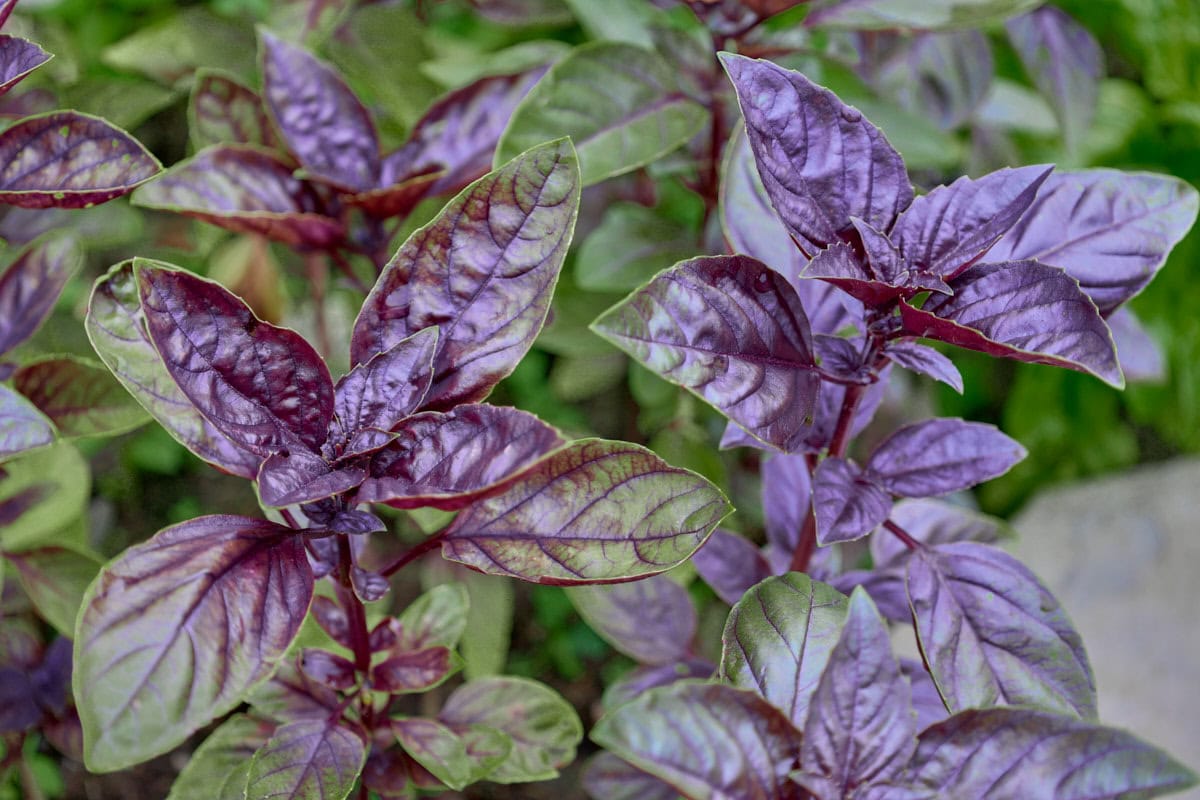
Botanical name:
Ocimum basilicum 'Red Genovese'
Origin
A purplish red variant of classic Genovese basil
Description
- Red Genovese is a strong and tall variety, taller by several inches than the red Freddy Genovese type above.
- The leaf shape is like Genovese (broad, flat, and ovate) with reddish purple coloration. It has gently cupped leaves along the midrib, with a greenish-goldish margin on the edges of the leaves,. The leaves closer to the growing tip as well are a very deep burgundy. They're fairly shiny with iridescence. The lower leaves on some stems are bronze.
- The flowers are a deep burgundy.
Uses
Red Genovese can be used as a substitute for or along with green Genovese with beautiful color contrast. It works well in pasta, salads, sauces, and ornamental plantings.
Height
General height range
18 in (45 cm)
Maximum height in my garden
32 in (81 cm)
General scent/flavor
Red Genovese is similar to standard Genovese: sweet, aromatic, with mild pepper and clove undertones.
My scent notes
Aged salt, balsamic vinegar, apricots, heirloom tomato, dried grasses, damp earth, young wood.
My flavor notes
Classic basil, burnt marshmallows, hint of cooked lemons, very dry, tannic, not bitter, not sharp.
Flavor disclaimer
Tasting the raw leaves can be misleading. The scent is a more accurate predictor of how the basil will taste when combined with food, either raw or cooked.
Seed source
36. Red rubin basil
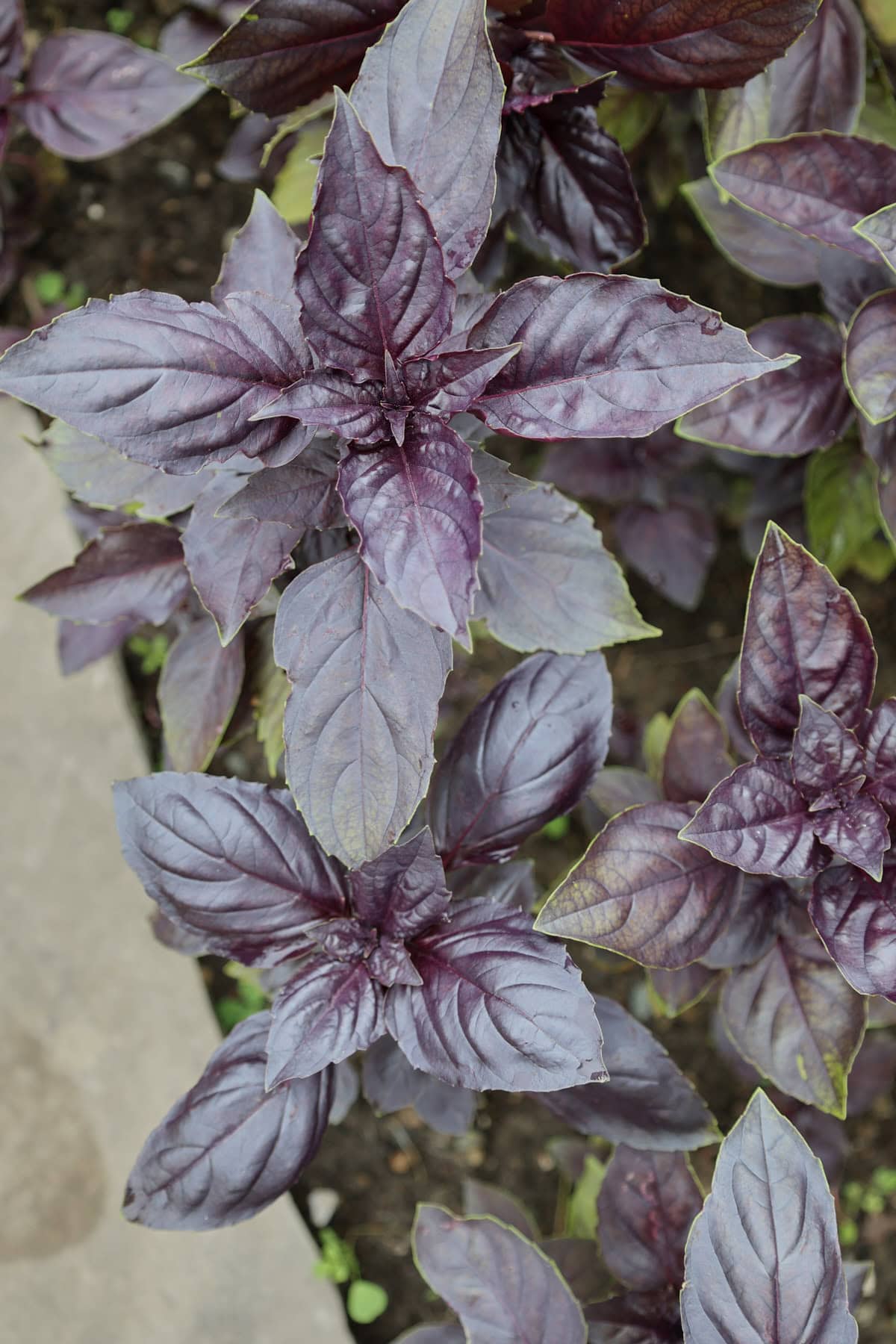
Botanical name:
Ocimum basilicum 'Red Rubin'
Origin
Red rubin is an improved version of Dark Opal, with better leaf size, uniform purple color, and stronger flavor. It won the Royal Horticultural Society Award of Garden Merit.
Description
- Red rubin is a tall purple basil that has more purple coloring than with some of the other types. It has thick, large, reddish-purple leaves, smooth surfaces, and upright habit.
- The leaves are deep satin and downy-looking iridescent purple, cupped inward, and pointing upward, with a bright light electric green margin along the slightly-crenulated margins. The interior of each leave is wavy and wrinkled along the veins. The lower leaves have a small concentration of bronzing.
- The pink to purple inflorescences are pointing in orthogonal directions, with white petals and deep fuchsia veining.
- The stems are strong and tall.
Uses
Red rubin is very popular purple with both good flavor and ornamental value. It works well in pasta, vinegar, salads, and as a garnish, among many more possibilities.
Height
General height range
18 in (45 cm)
Maximum height in my garden
35 in (89 cm)
General scent/flavor
It has a classic sweet basil flavor with possibly a bit more of a spice and clove undertone.
My scent notes
Savory noodles, kimchi, young pickles, dill, mitsuba, parsley, soy sauce, adzuki beans, mirin, miso, toasted rice.
My flavor notes
Bitter, tannic, roasted lemons, vintage metal, damp clothes, dryer lint, old wood, mildly numbing, jet smoke, old books, old twine, reclaimed wood, sun-drying grasses, baked clay, light soils.
Flavor disclaimer
Tasting the raw leaves can be misleading. The scent is a more accurate predictor of how the basil will taste when combined with food, either raw or cooked.
Seed source
37. Reyhan sabz basil

Botanical name:
Ocimum basilicum
Origin
Traditional Persian green basil (reyhan means basil in Persian, and sabz means green).
Description
- Reyhan sabz is one of my taller basils, and is moderately branching. It's a really majestic looking plant.
- The medium-sized leaves have a satin finish, and a beautiful light to medium green color. There's a slightly lighter color in the veins.
- The flowering bracts are greenish-yellowish with white hairs.
- The stems are a strong, light green.
Uses
Reyhan sabz is used in a variety of dishes in Persian cuisine.
Height
General height range
12-18 in (30-45 cm)
Maximum height in my garden
39 in (99 cm)
General scent/flavor
Classic basil fragrance with sweet, aromatic, slightly anise notes.
My scent notes
New electronics, storm ozone, wintergreen candy, cardamom, toasted almond, carob, tamarind.
My flavor notes
Lightly sweet, mild, not bitter, not raw, sweet lettuce, lemon water, enjoyable, young carrots, raw zucchini, spring peas, fresh almonds, hemp seeds, fresh coconut, nutmeg.
Flavor disclaimer
Tasting the raw leaves can be misleading. The scent is a more accurate predictor of how the basil will taste when combined with food, either raw or cooked.
Seed source
38. Sacred purple basil
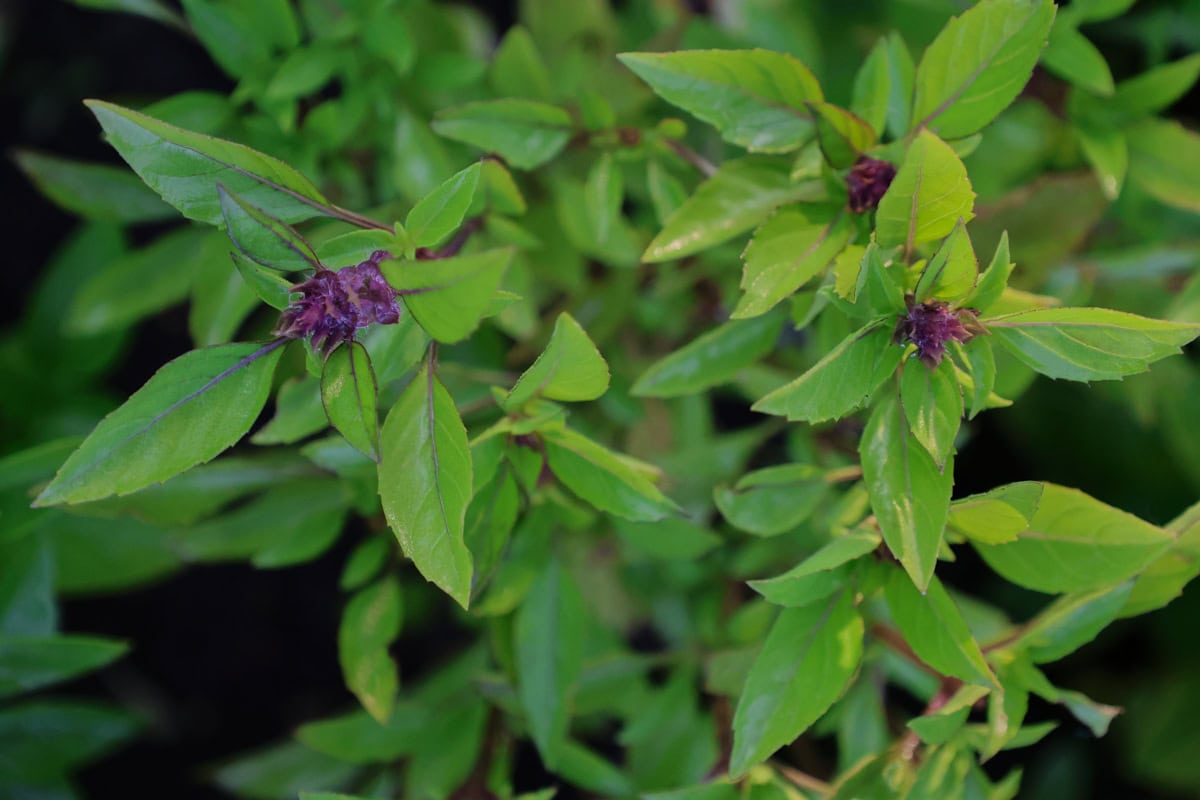
Botanical name:
Ocimum tenuiflorum (purple holy basil); another name for krishna tulsi basil.
Origin
Tulsi holy basil, sacred in Ayurvedic and Hindu tradition
Description
- Sacred purple basil looks completely unique compared to the krishna basil I grew last year, and to the purple tulsi basil I'm growing this year (#33 on this list.) It's branching, of a medium height, and with somewhat hairy, purple-veined leaves, and purple flower spikes. Sacred purple basil is absolutely stunning and beautiful.
- The leaves are a bright lime green, small and very pointed, and scalloped, but in very small crenulations. They're somewhat cupped along the midrib; and they point upward along the stem. The leaves that are closer to the growing tip have more of a purple mottling to them, and the veins are purple as well. They're satin and iridescent.
- The flowers are a gorgeous, vibrant, light fuchsia color.
- The stems are an equally beautiful light fuchsia color.
Uses
Ceremonial, medicinal, herbal teas. Occasionally in cooking.
Height
General height range
1-2 ft (30-60 cm)
Maximum height in my garden
24 in (61 cm)
General scent/flavor
Clove and spice notes, peppery, and aromatic, with slight menthol or camphor undertones.
My scent notes
Fresh oranges, green leaves, citrus, cleanser, cold metal, sweet grapes, cold rain.
My flavor notes
Clean hospital gowns, new plastic, clove, ginger, rotting grasses, old wine, musk, bitter medicine, mildly sweet undertone.
Flavor disclaimer
Tasting the raw leaves can be misleading. The scent is a more accurate predictor of how the basil will taste when combined with food, either raw or cooked.
Seed source
Garden Hoard, No longer available here. Should be readily available elsewhere.
39. Scent leaf basil
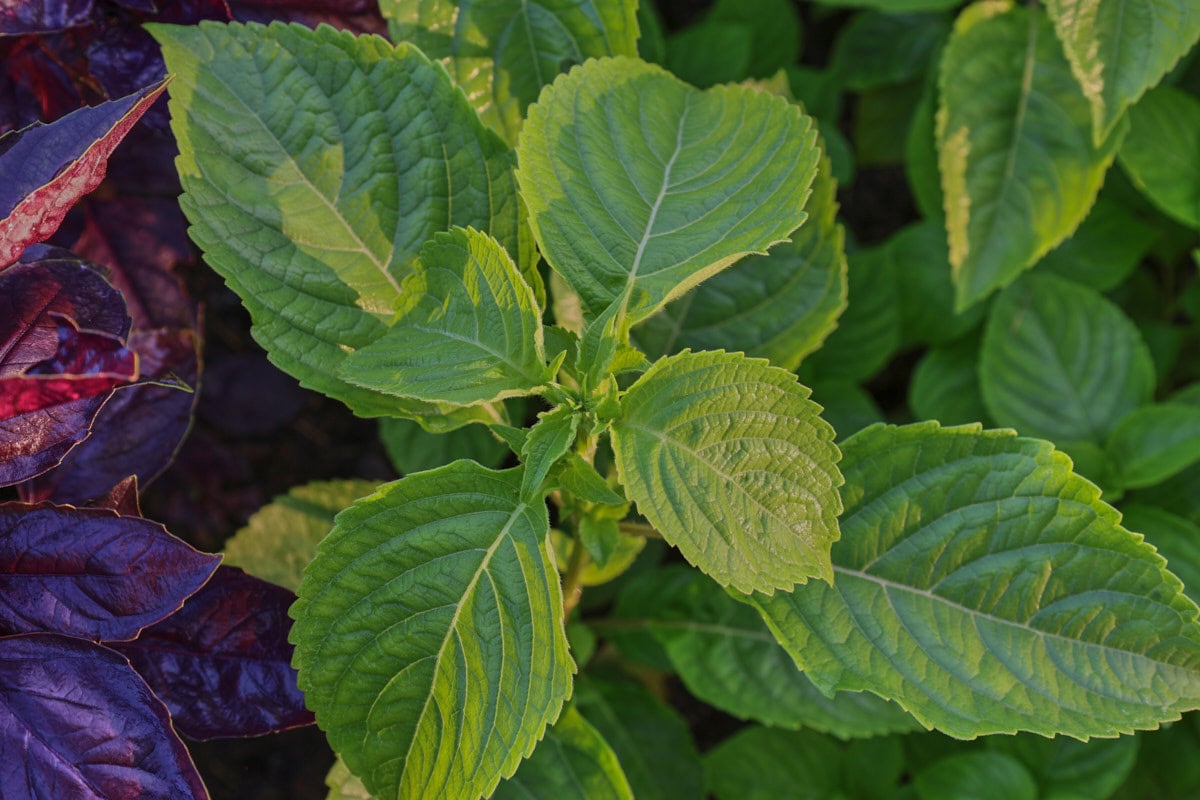
Botanical name:
Ocimum gratissimum
Origin
Nigeria name for O. gratissimum; one of the most common culinary basils in West Africa
Description
- Scent leaf basil looks very similar to African nunum basil, East Indian tree basil, West African, and viride basil. It's a very tall basil, and is shrubby and branching. It's a really beautiful plant.
- The leaves are ovate, with serrated margins, rather flat and thick in texture. They're stamped in textural relief along the veining. They have a very pointed apex that projects past the normal trajectory of the leaf. The leaves curl inward along the midrib and downward at the tips. The growing tips are gracefully, mildly arching.
- The inflorescences are curly, wavy, and sparse. They're also tall, narrow and graceful, and very beautiful with a light purple to greenish color. The tiny white petals are peeking out with bright yellow tips. There are several inflorescences at each growing tip. The stems and leaves are somewhat fuzzy.
- The stems are tall and strong and thick, and yet this is a very graceful plant, seeming strong and delicate at the same time. It has somewhat rough yet fuzzy feel.
Uses
In Nigeria, scent leaf basil is fundamental in soups, beans, and many local dishes. It's also used in herbal medicine and as an insect repellent.
Height
General height range
2-5 ft (0.6-1.5 m) in tropical conditions
Maximum height in my garden
45 in (114 cm)
General scent/flavor
Scent leaf basil has a very pungent, strong clove fragrance.
My scent notes
Old tin, circuit board, paper bags, drying hay, young mushrooms, fresh green beans, spring peas, antiseptic mouthwash, cinnamon, nutmeg, bicycle tire, roof tile, new office, fresh paper.
My flavor notes
Fresh blonde wood sawdust, well-worn tools, old steel, oil-based paint, latex bandages, mild, but dry, astringent, and medicinal; first aid kit, sterile gauze, 1980s garden hose water, old galvanized steel watering can, vintage manuscript, plaster cast, sterilized hospital floors.
Flavor disclaimer
Tasting the raw leaves can be misleading. The scent is a more accurate predictor of how the basil will taste when combined with food, either raw or cooked.
Seed source
40. Siracusa basil
Botanical name:
Ocimum basilicum 'Siracusa'
Origin
Likely from Sicily, the Siracusa region in Italy
Description
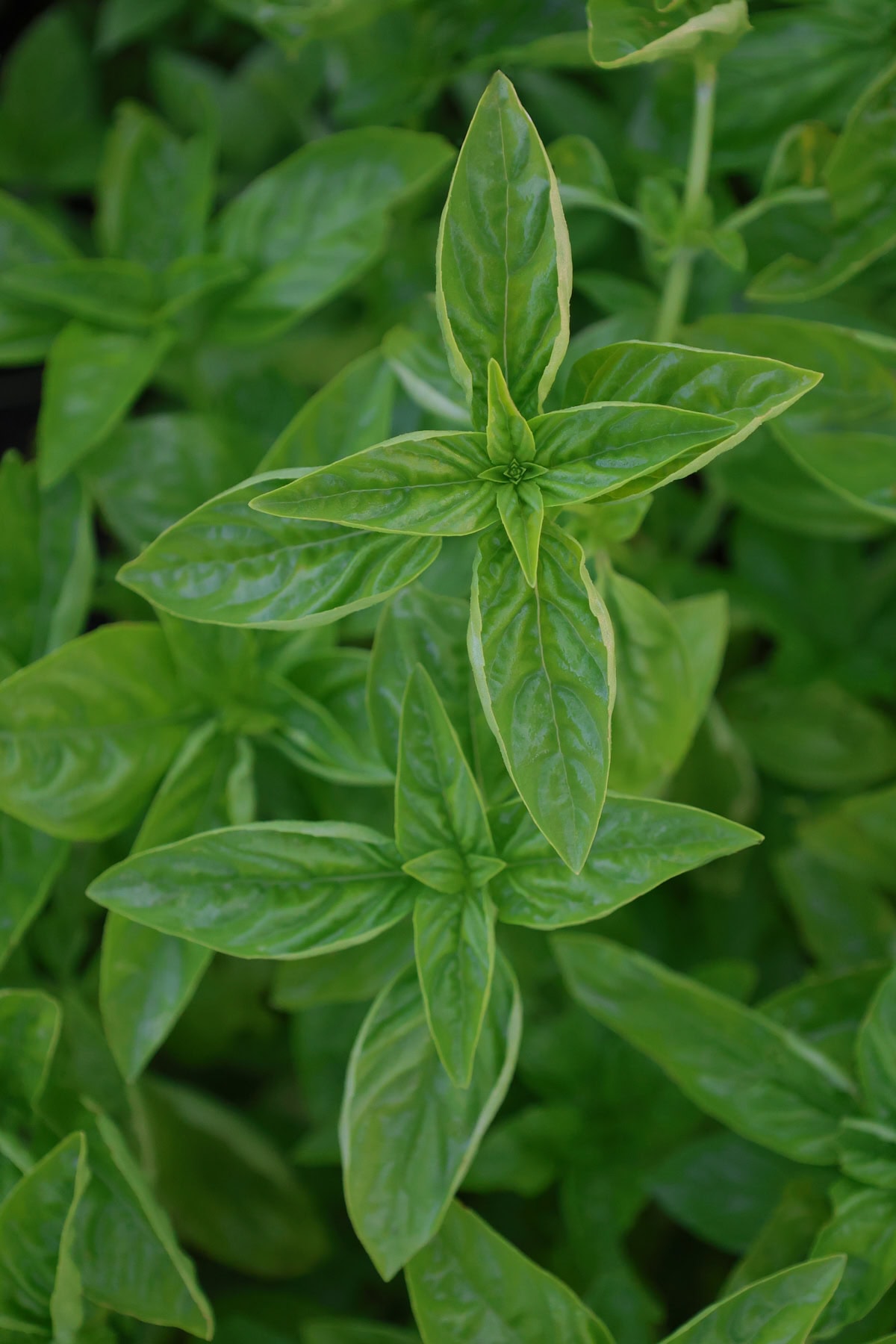
- Syracusa is a vigorous sweet Italian variety. Likely adapted to Mediterranean warm and dry climate. The plant is tall and strong.
- The leaves are glossy, bright, and medium green. They're cupped along the midrib, and are very glossy and puckered, but not as much so as in a lettuce leaf variety.
- The flowers are a yellowish green.
- The stems are the same bright medium green.
Uses
Siracusa basil is good for Sicilian/Italian cooking, in pasta, with tomatoes, salads, as a fresh garnish, and more.
Height
General height range
18-24 in (45-60 cm)
Maximum height in my garden
28 in (71 cm)
General scent/flavor
An intensely aromatic sweet basil with warm spice or anise undertones.
My scent notes
Savory, vegetal, very mild, classic basil, calamine lotion, galangal, old hotel lobby, vintage fabrics, smoked limes, seawater, aged balsamic vinegar.
My flavor notes
Sweet, enjoyable, sweetgrass, vanilla, celery, anise, lemon, lemon cleaner, biting finish, grassy, bitter at the end.
Flavor disclaimer
Tasting the raw leaves can be misleading. The scent is a more accurate predictor of how the basil will taste when combined with food, either raw or cooked.
Seed source
41. Snowball basil
Botanical name:
Ocimum basilicum 'Snowball'
Origin
Uncertain; name suggests either abundant white flowering or compact, rounded growth habit
Description
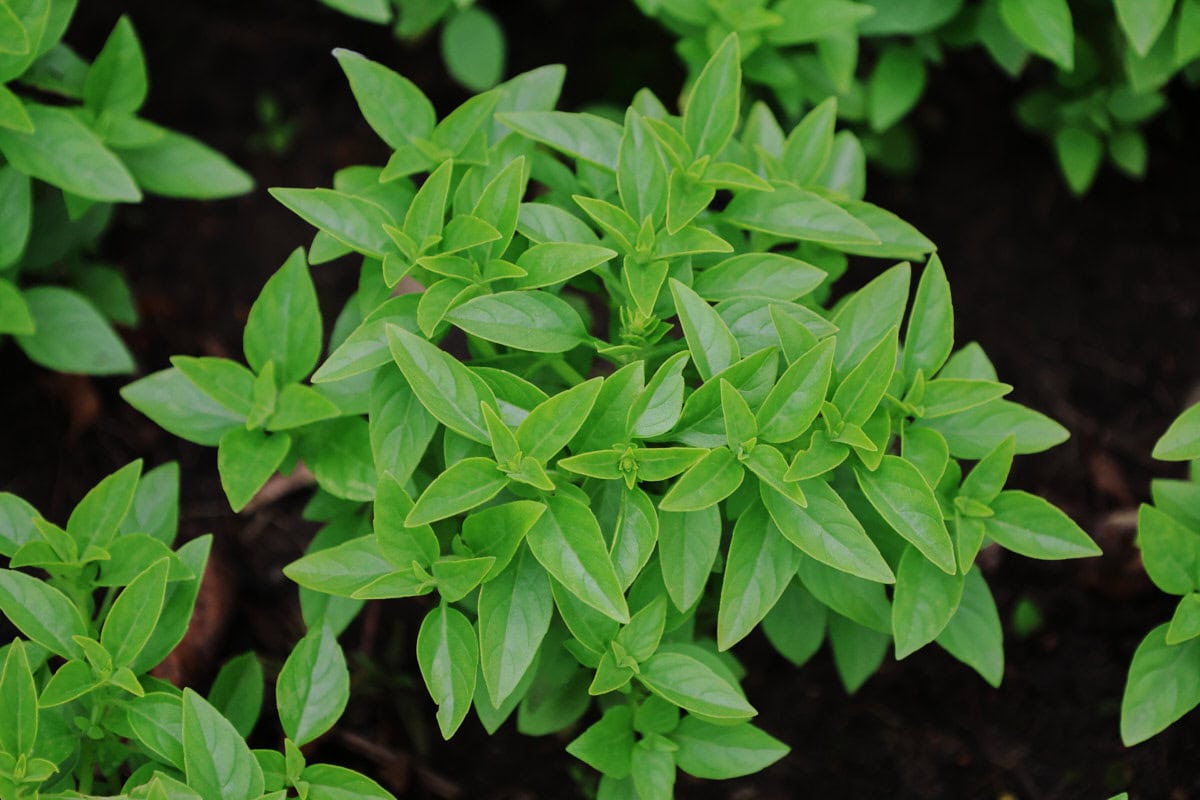
- Snowball is a very compact variety. It appears to be a dwarf or globe basil with profuse white blooms.
- There's a light satin finish on the leaves, which are a beautiful light to medium green. They taper to a narrow apex, and they resemble the rounded Greek varieties. And the leaves look similar.
- The flowers are a light greenish yellow. the flowering bracts are also small and adorable.
- The tops of the stems are almost of a uniform height, very short and compact.
Uses
Likely grown as an ornamental edible, with edible white flowers and manageable leaf harvest.
Height
General height range
8-12 in (20-30 cm)
Maximum height in my garden
12 in (30 cm)
General scent/flavor
Probably mild to moderate basil aroma, suited for both ornamental and culinary possibilities.
My scent notes
Mild and fresh, new carpet, herbaceous, lemon lime sparkling water, thyme, summer savory, red raspberries, sharp, kumquats, lemongrass.
My flavor notes
Mild hint of fennel, young greens, fresh streams, stringent, resinous, but mildly so; fresh chlorophyll, dry, smoked grasses, bay leaf, numbing, tannins, Szechuan peppercorn.
Flavor disclaimer
Tasting the raw leaves can be misleading. The scent is a more accurate predictor of how the basil will taste when combined with food, either raw or cooked.
Seed source
42. Toscano basil

Botanical name:
Ocimum basilicum 'Toscano'
Origin
Toscano means Tuscan in Italian. Likely associated with Tuscany, central Italy, or derived from Italian varieties.
Description
- Toscano is a lettuce leaf variety with a vigorous habit. It has a shorter stature than some of my other large lettuce-leaved Italian basils.
- The leaves are a lime greenish-yellow, large, and wrinkled with a satin finish.
Uses
Toscano is a general-purpose Italian basil. It works well in pasta, sauces, and rustic cooking.
Height
General height range
24 in (60 cm)
Maximum height in my garden
16 in (41 cm)
General scent/flavor
My scent notes
Deeply green and fresh, bright spring day, sunny morning, very herbaceous, grassy, perfumed, spring cleaning, lemon lime, green pepper, salad greens.
My flavor notes
Fresh salad greens, young spinach, grass clippings, new straw, bitter, blond roast coffee, toasted fennel.
Flavor disclaimer
Tasting the raw leaves can be misleading. The scent is a more accurate predictor of how the basil will taste when combined with food, either raw or cooked.
Seed source
43. Valentino basil

Botanical name:
Ocimum basilicum 'Valentino'
Origin
An artisan variety from Italy
Description
- Valentino is a beautiful variety that looks like a cross between a lettuce leaf variety and a more traditional Genevese type. It has an upright branching habit. The stature of this variety is in line with other lettuce leaf types, on the short to medium side.
- The leaves are medium-sized, glossy, and greenish-yellow. They have intense wrinkling, and are smaller than most lettuce leaf varieties. Some of the leaves curl downward and outward along the midrib. Some of them cup inward.
- The inflorescences are a mostly yellow, but also light green with white petals.
- The stems are somewhat fuzzy and white.
Uses
Valentino is well-suited for a wide variety of culinary uses in line with its origin in Italy.
Height
General height range
14-18 in (35-45 cm)
Maximum height in my garden
19 in (48 cm)
General scent/flavor
Classic sweet basil flavor with clove and floral notes.
My scent notes
Lemon verbena, fresh lemons, champagne, freshly-squeezed orange juice, fresh cherries, green grapes, sweet peas, honeysuckle, jasmine, new grass jicama.
My flavor notes
Mild strawberry, slightly dry, grassy, mild, slightly numbing, cooked greens, collards, brussels sprouts, swiss chard, mild sweet fennel, unsweetened iced tea, Belgian endive, new fabric.
Flavor disclaimer
Tasting the raw leaves can be misleading. The scent is a more accurate predictor of how the basil will taste when combined with food, either raw or cooked.
Seed source
44. Viride basil

Botanical name:
Ocimum gratissimum var. viride (sometimes treated as Ocimum viride). From Latin: viride means green
Origin
West Africa
Description
- The plant is medium to tall in height, shrubby and branching. It's strong and vigorous, and yet graceful, with a slight bending at the growing tip.
- The leaves are medium-sized, ovate, slightly thick, gently crenulated, and uniformly green. They're a muted lime green with a slight yellow undertone, and gently fold inward along the midrib. And they also point downward at the apex. The finish on the leaves is between matte and satin with a slight iridescence. The midrib is light purple on each leaf, and the remainder of the leaf veins are a muted white color. The pointed apex is elongated.
- The inflorescences are white.
- The stems are light purple, tall, and strong.
Uses
Used medicinally as an antiseptic, and for fever and digestive issues. Also used in for cooking dishes such as soups and stews, and an insect repellent. Since the flavor is bold and herbaceous, it's more commonly eaten cooked rather than raw.
Height
General height range
1-2 m (3-6 ft) in tropical growth
Maximum height in my garden
30 in (76 cm)
General scent/flavor
Intense thymol (thyme-like) aroma,more sharply medicinal than clove-based. There are also peppery, camphor notes.
My scent notes
Wood smoke, medicinal potion, toasted hemp seeds, sourdough bread, charred limes, storm ozone, green walnuts.
My flavor notes
Mild paint thinner, low quality cigar, winter tires, milder with chewing, flint, steel, and spark.
Flavor disclaimer
Tasting the raw leaves can be misleading. The scent is a more accurate predictor of how the basil will taste when combined with food, either raw or cooked.
Seed source
45. West African basil
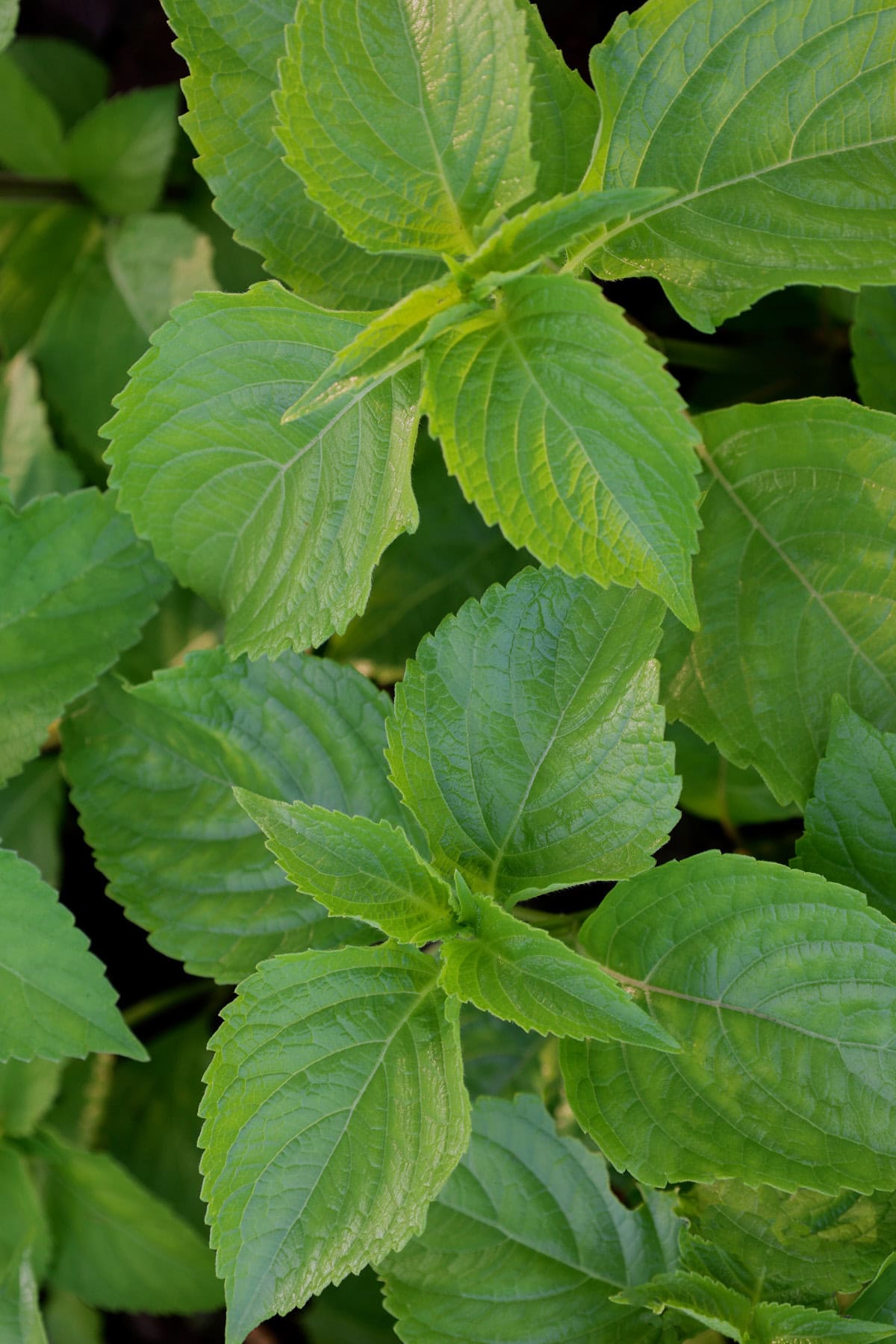
Botanical name:
Ocimum gratissimum, African/clove basil
Origin
Widespread in West Africa; many local varieties
Description
- West African basil is similar to African nunum basil, East Indian tree basil, scent leaf basil, and viride basil. It's tall, shrubby, and branching.
- The leaves have a satin finish, and are very crenulated and arching downward near the growing tips. There's a soft iridescence. The veining is a light purple color.
- The stems are strong, but also somewhat gracefully arching near the tips. They're a light purple tinged with green.
Uses
West African basil is a staple in soups, stews, and sauces. It's also used medicinally with antimicrobial properties, and as an insect repellent.
Height
General height range
3-6 ft (0.9-1.8 m) in favorable climates
Maximum height in my garden
36 in (91 cm)
General scent/flavor
Strong eugenol (clove) aroma, sometimes with camphor, menthol, and thyme undertones.
My scent notes
Very mild turpentine, popcorn, wood glue, waxed canvas, old candles, lamp oil, wood stove, old cozy, armchair, favorite sweater, oatmeal raisin cookie, deep comfort.
My flavor notes
Bitter medicine, numbing, liquid bandage spray, rubbing alcohol, soft leaf texture, turbo diesel fuel.
Flavor disclaimer
Tasting the raw leaves can be misleading. The scent is a more accurate predictor of how the basil will taste when combined with food, either raw or cooked.
Seed source
❓FAQ
Once your basil plants are at least 6 inches (15 cm) tall, you can pinch out the first set of leaves at the tip of each growing stem. This will encourage the lower leaves to branch out and add more volume to the plant.
It really helps to remove the flowers during the growing season to optimize the flavor of your basil. If you allow the flowers to grow, the plant will divert energy toward reproductive growth rather than vegetative growth. This reduces the scent and flavor quality in the leaves, and allows the plant to turn woody. You want to stop this from happening by snipping off the flowers as they start to form. I do this at least once per week during the growing season. And you can use the flowers to make a delicious and refreshing iced tea! This is one of my favorite things to drink in summer. And the flowers from the purple basil varieties will turn your tea a beautiful purple. At the end of the season, I let the flowers grow. They're so beautiful to behold.
Harvesting your basil regularly encourages more growth, so feel free to pick throughout the season. Just harvest the first few sets of leaves from each growing tip, just above another pair of leaves. This will both give you the basil you need to use at once, and promote even more growth for the next time you need to pick some.
I keep my basil stems in a vase of water at room temperature, and this works really well. If I need to refrigerate for a short time, I dampen a paper towel and wrap it around the stems in an airtight container.
Yes, you can chop the leaves and add a little olive oil and freeze the mixture into ice cube trays. Then you can pop them out and use as needed. While this will preserve the flavor well, the texture won't be the same as fresh. So this method works best when adding basil to cooked dishes rather than using it fresh.
Basil is a perennial in very warm, frost-free climates such as USDA hardiness zones 10 and 11. In temperate climates, they should be treated like an annual and replanted each year. It's a good thing they're so worth this effort!
I haven't tried growing basil indoors except for growing them as seedlings under my grow lights. Basil needs at least 6 hours of direct sun, and this is difficult to achieve through even a sunny window. You can try keeping your basil indoors under a grow light, or keeping it in your sunniest spot by a south-facing window. If trying the latter, your plant may have a shortened lifespan. But this may work for a short time if you'd like to keep a plant on hand to use soon in a recipe.
Thankfully, yes, which makes planting the seeds so easy. All you need to do is press the seeds into the surface of the soil and keep them watered. It's best to plant your basil seeds under grow lights, but a sunny southern window may work in a pinch. In the latter situation, your seedlings will likely be pale and leggy as they stretch toward the sun. And they'll be less vigorous. But please give this a try if it's your optimal setup.
If you're harvesting a large amount of basil at once, you can make some pesto with it (I find that nutritional yeast or vegan cheese work well to keep homemade pesto plant-based), freeze in cubes with olive oil, or infuse in vinegar. Or you can hang it up to dry to use this way throughout the year. Or you can use it fresh in salads, sauces, and as a garnish.
This is difficult to answer, as no other herb tastes quite the same. But there are herbs that will give you the same savory, aromatic quality that basil lends to a dish. You can use oregano or thyme, or, if you're looking for an herb that has some of basil's anise or clove notes, try using tarragon, sweet fennel (the herb type, not the bulb type), or anise hyssop.
No, basil (Ocimum) is in the mint family (Lamiaceae), and bay laurel (Laurus nobilis) is not related. Bay leaves are used to give a subtle flavorful depth to soups and stews, and basil has a wide variety of culinary uses. They're both fantastic savory and aromatic herbs to use in your kitchen, and I recommend always having both on hand to use in your favorite dishes!
✨Recipes and gardening posts you'll love
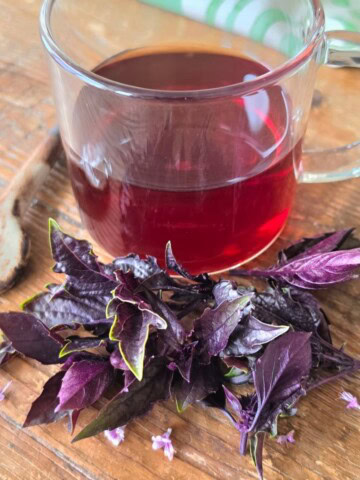
✏️Have you grown any of these basils?
Please let me know in the reviews and comments below!
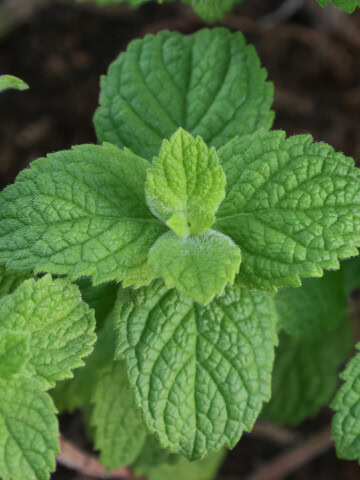
Bubblehead Urban Microfarm says
The flavour description of "a paper cut filled with dirt" made me almost spit my wine out LOL After mulling it over, I guess a tinny type flavor with fresh earth? Rust? IDK but this is a hell of a list! Thank you 😀
-Bubblehead Urban Microfarm
Shelly Benitah says
LOL, and I don't even remember this tasting comment! My daughter keeps telling me how hilarious it is to listen to me taste my herbs and dictate the "creative" flavors into my phone while I'm doing it. I told her that this is just what the flavors are, and I have to call them as I taste them! I'm so glad I could make you almost spit out your wine. That totally makes my day! Thanks so much for this.❤️