
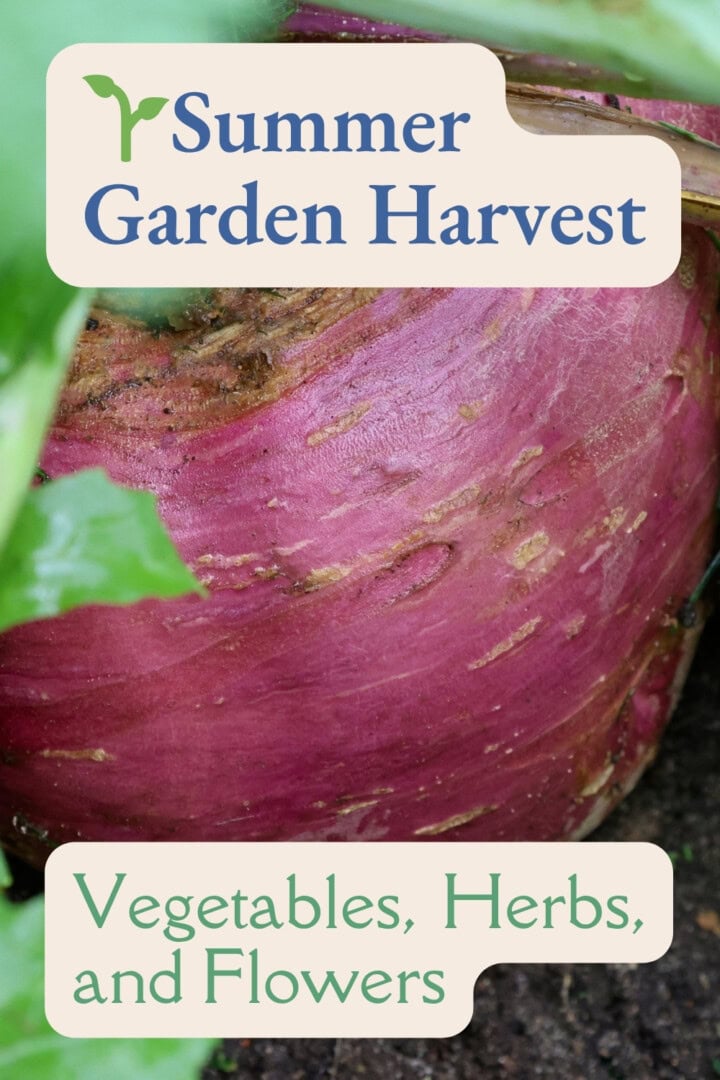
In late summer, the garden is fantastically productive. There's a treasure trove of sun-ripened crops to harvest, including one especially persistent rutabaga. Right now, I have several types of vegetables, edible flowers, and, as always, an abundance of basil. I've also found a gorgeous but invasive perennial that suddenly popped up in my garden, and it's worth a closer look so you can help stop the spread. Please come on a walk with me through my Summer Garden Harvest: Vegetables, Herbs and Flowers!
Jump to:
- 🍅Harvesting rutabaga in the garden
- 🧅Shallot harvest in the garden
- 🥕Carrot harvest and thinning for better growth
- 🫘Bean and Pea harvest and seed saving
- 🥒Cucumber plants in early growth
- 🥬Lettuce: a late-summer survivor
- 🌿Purple loosestrife invasive plant identification
- 🌱Basil
- 🌸Nasturtiums
- 🌻Sunflowers
- 🥬More garden posts
- 🥕Upcoming adventures in the garden
- ✨More from the garden and kitchen
- ✏️How is your garden growing?
🍅Harvesting rutabaga in the garden
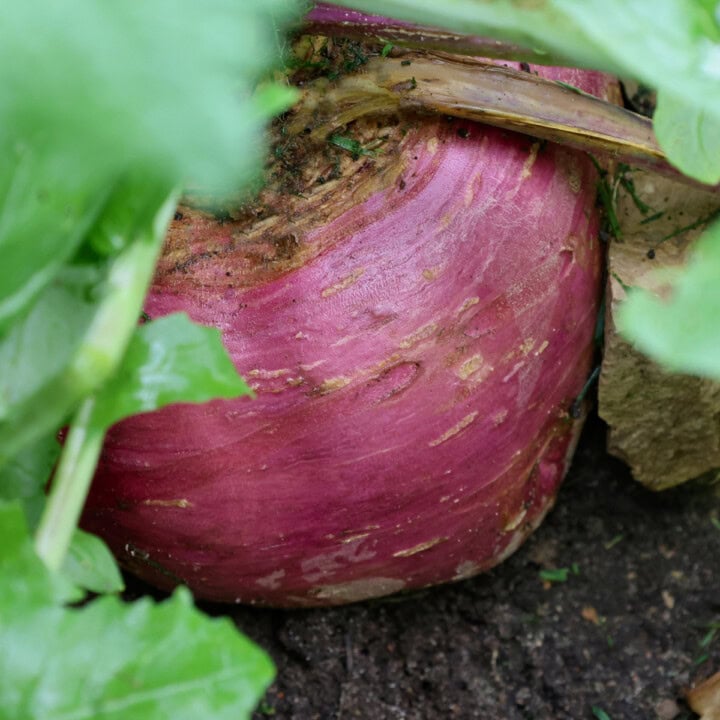
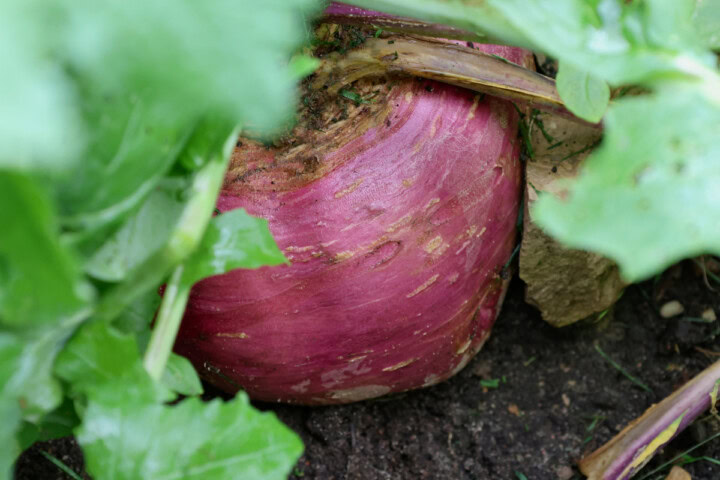
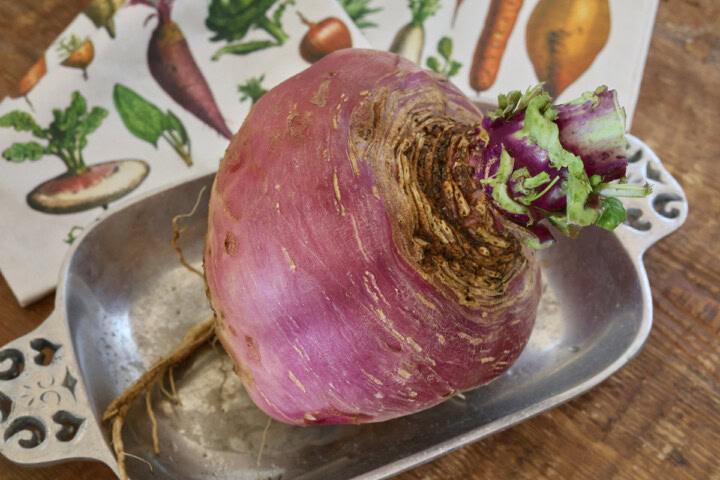
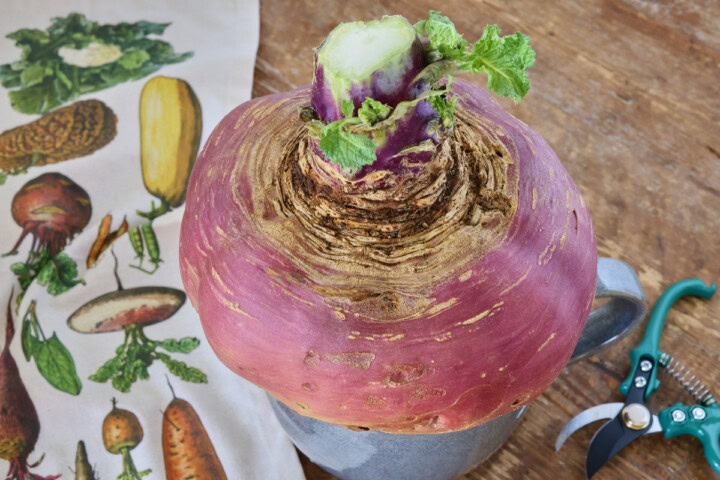
This is Phil. He's a gorgeous marian rutabaga. Weighing 3.5 pounds (1600 g), with a circumference of 20 inches (51 cm) and diameter of 6.4 inches (16 cm), I figured he was done growing.
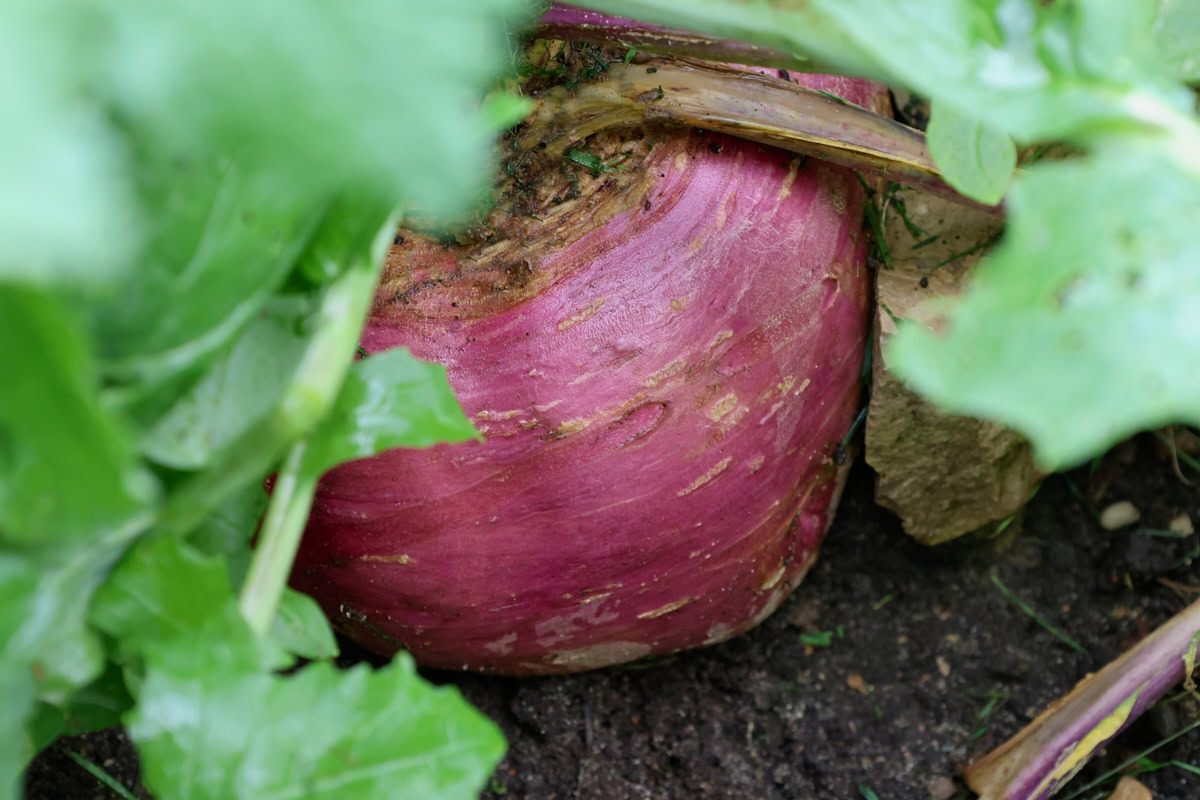
So I brought him in, and realized that he still had so much more to offer. (In other words, I wasn't yet ready for him to be done.) And I wasn't sure what to do with him with so much going on.
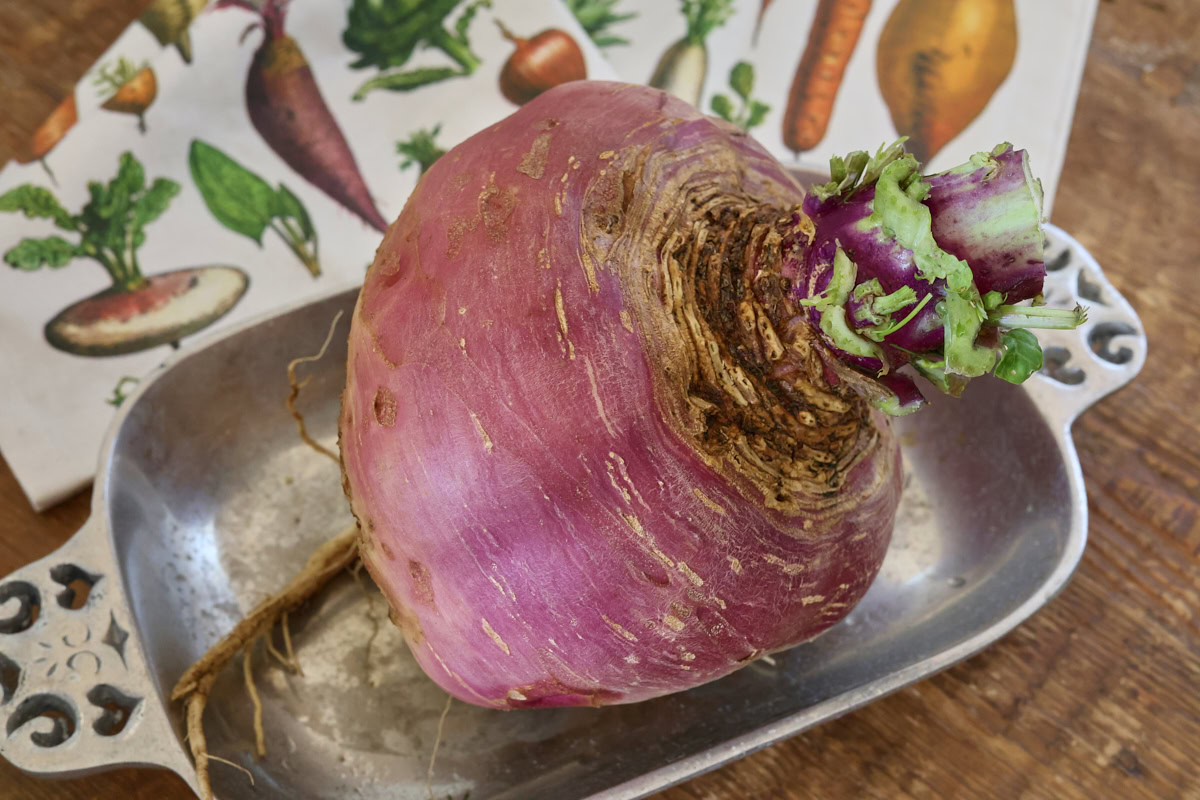
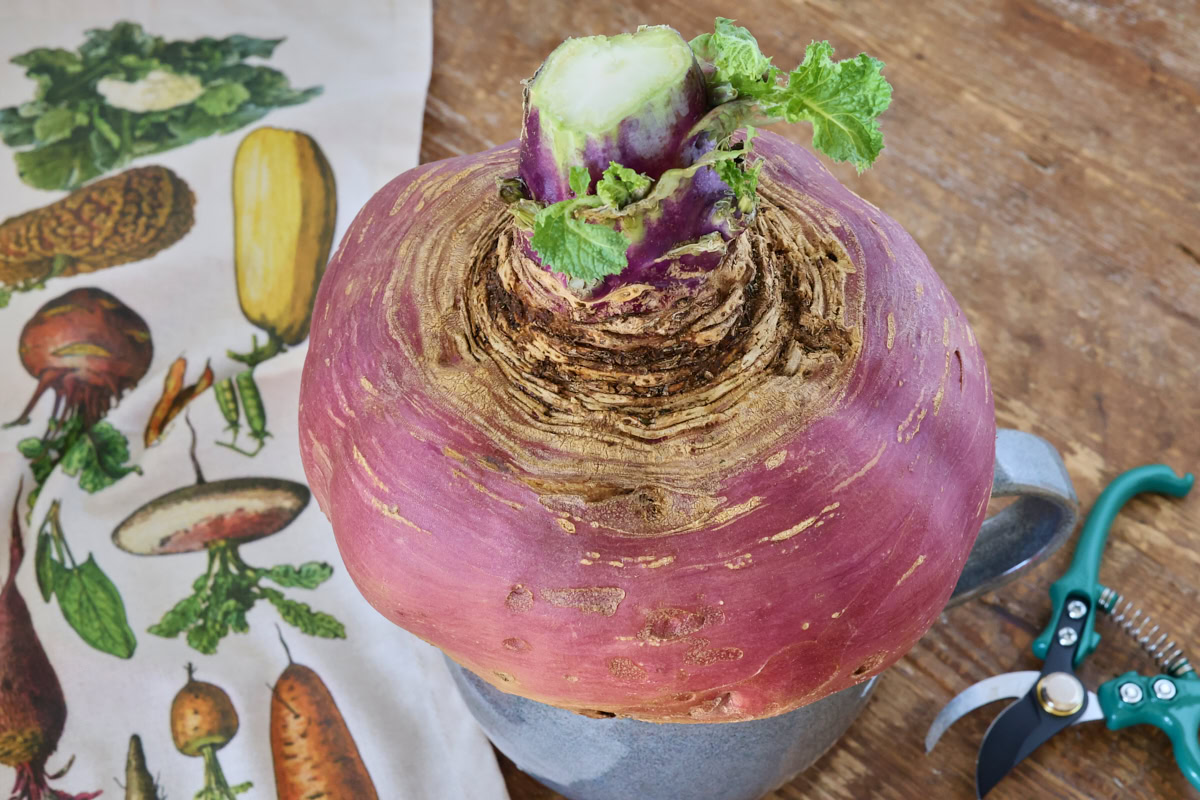
So I put Phil in a mixing bowl with water, and made sure his taproot was cozily bathing. And now, 5 days later, he's happily proving his case with tiny new leaves and a zest for life. I'm glad to have him around in the kitchen to watch him grow!
🧅Shallot harvest in the garden
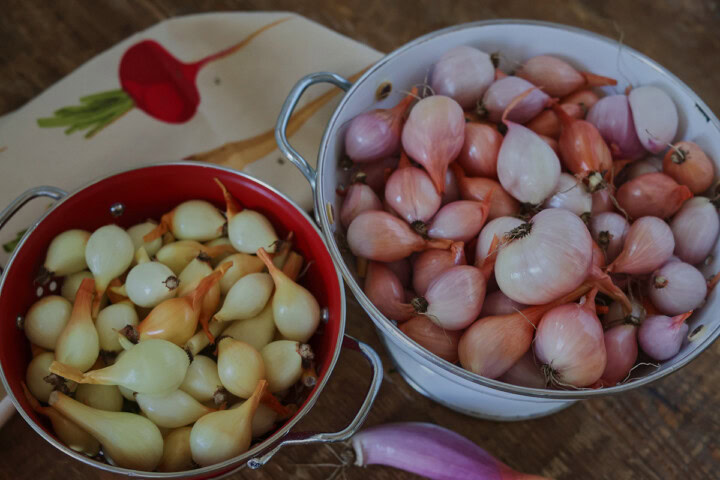
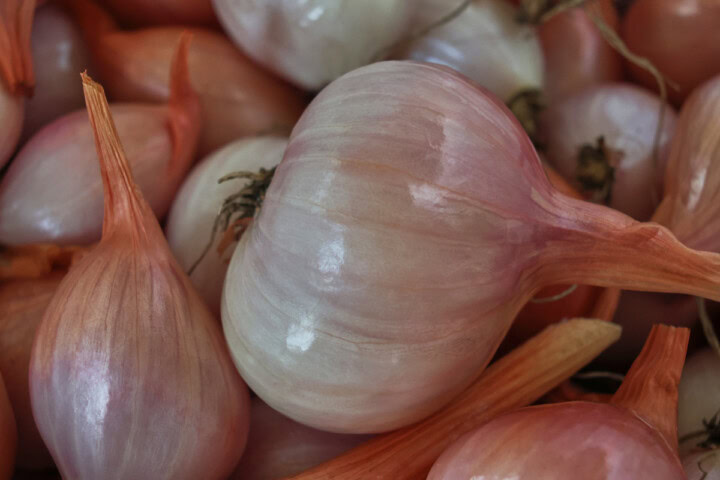
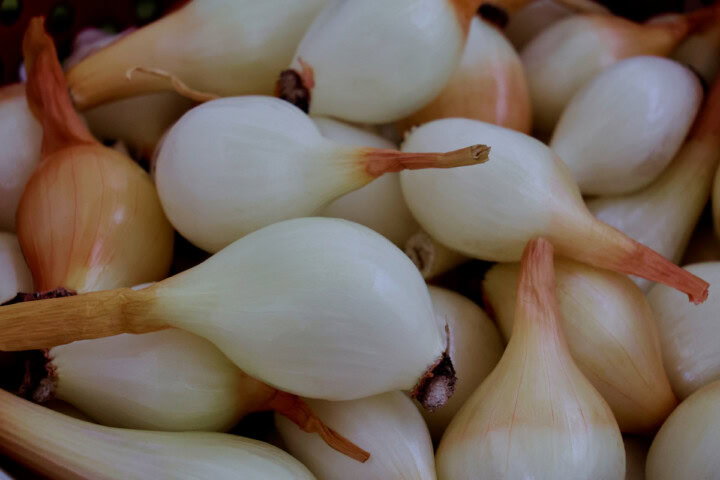
Here are my red and Dutch yellow shallots that I had forgotten I'd even ordered during the fall garlic-planting insanity. It was such a fantastic surprise to see these pop up, and sure enough, to find them included in my order from Keene Garlic.
And while on the small side, due to my everlasting battle trying to fit in too many crops in despite knowing better, they didn't disappoint:
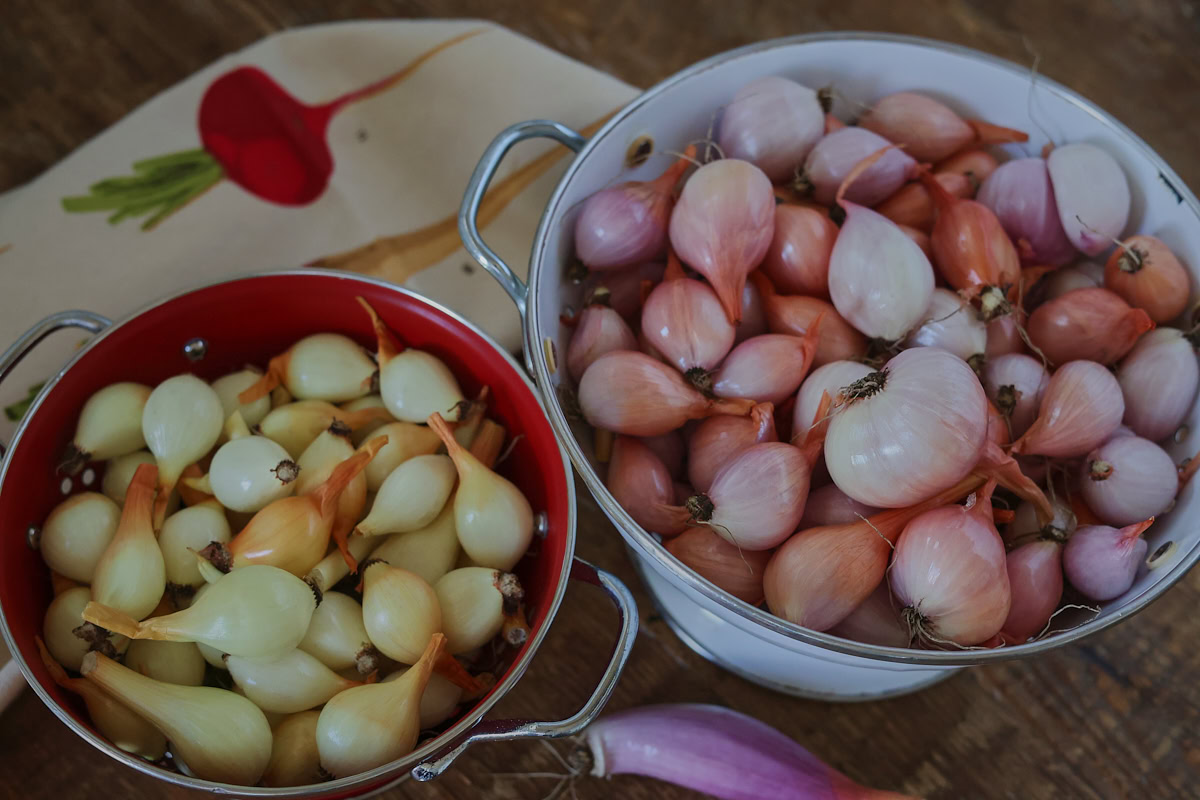
Incidentally, in the foreground is a lone red of Florence onion that I must have missed harvesting last year. So this year it gave me another chance.
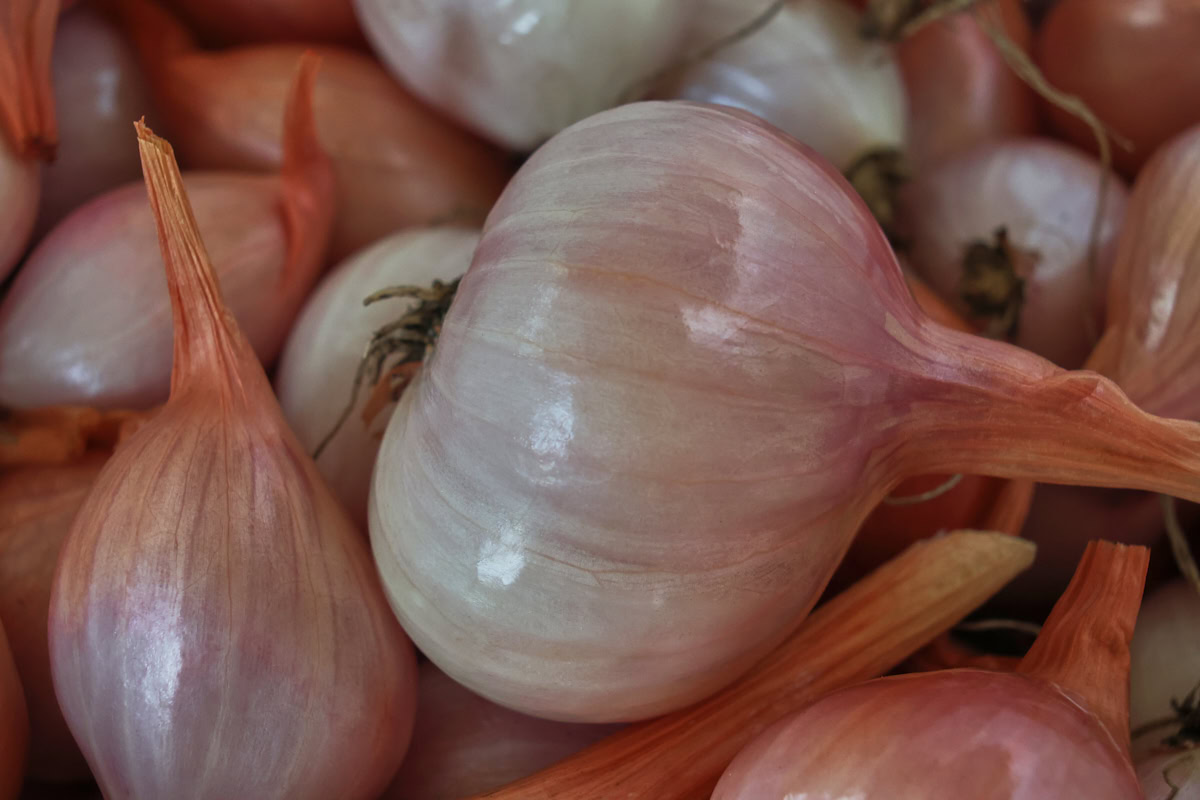
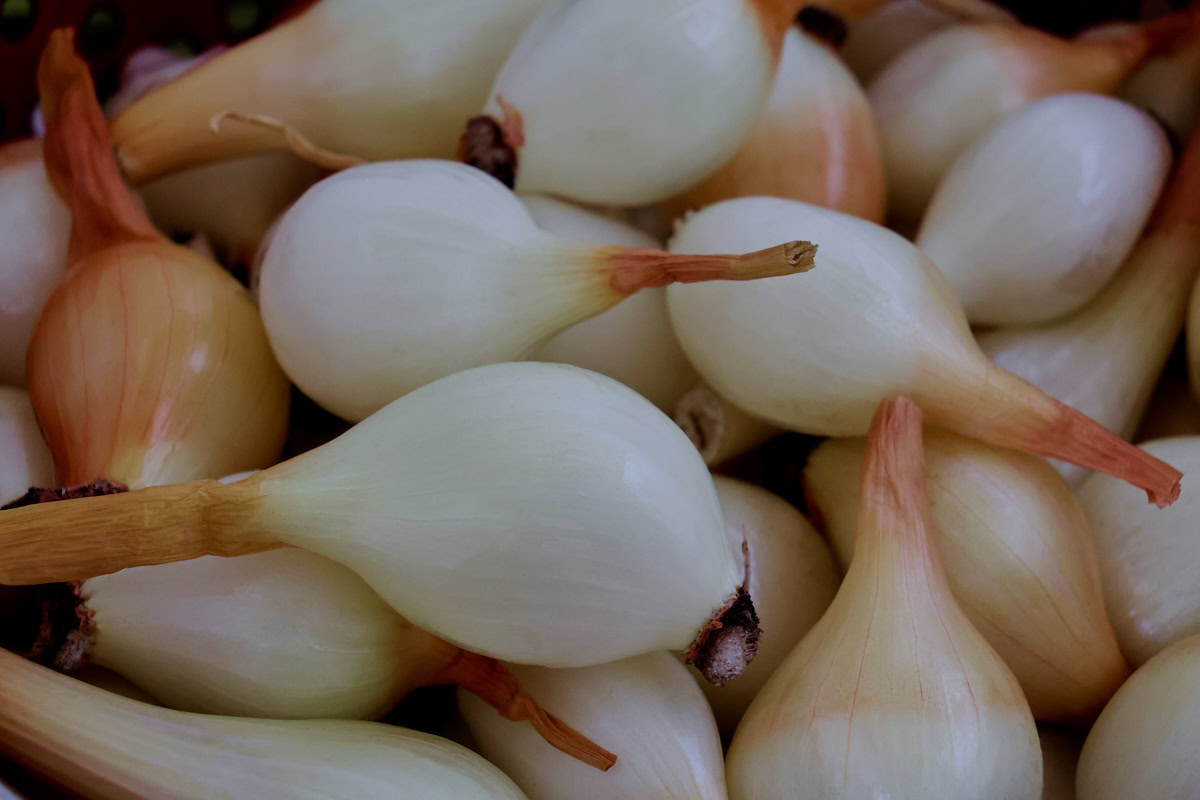
I'm letting these guys cure, and their outer skins are drying. We're all really looking forward to finding a delicious way to use them and taste their rustic homegrown allium charm.
🥕Carrot harvest and thinning for better growth
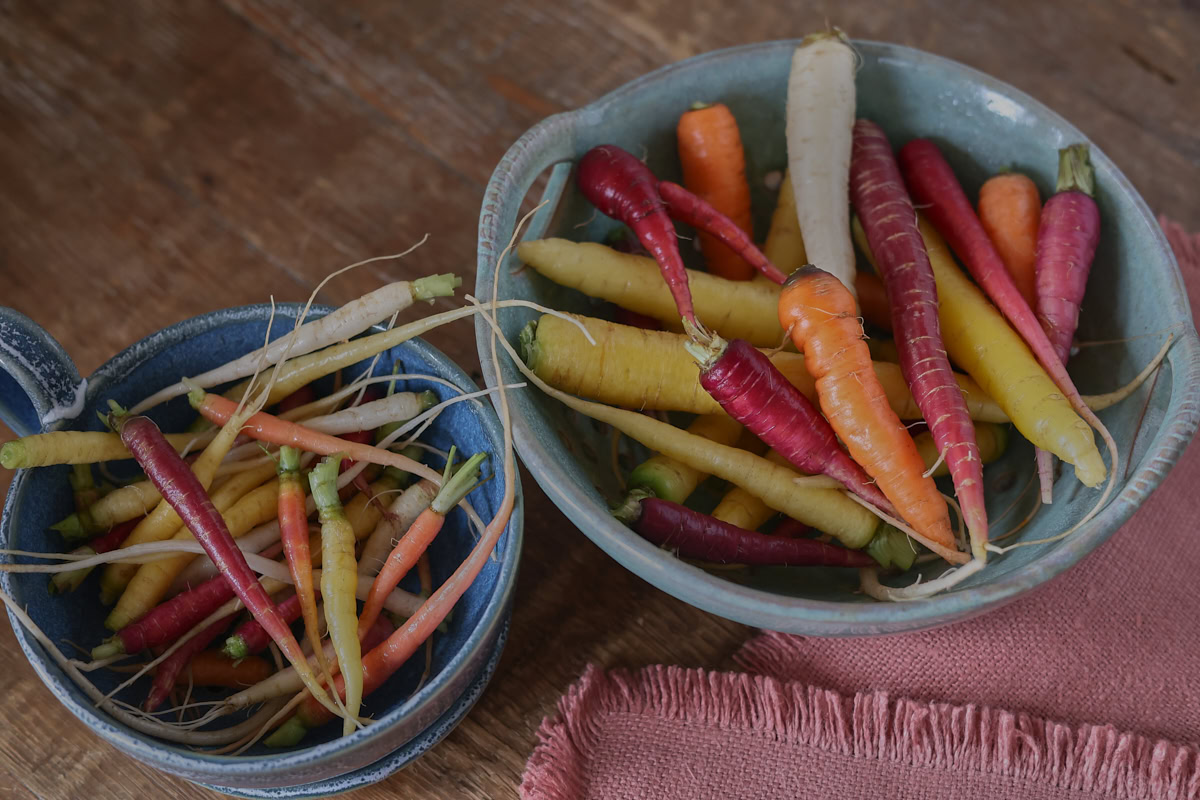
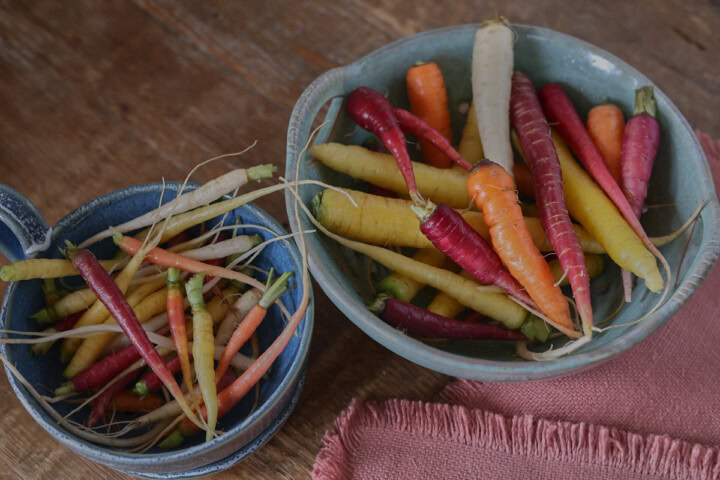
Thankfully, sometimes there's incidental symbiosis to balance out my planting excesses. I'm harvesting baby carrots in between the others that are growing. This helps me feel so much better about having once again overdone it.
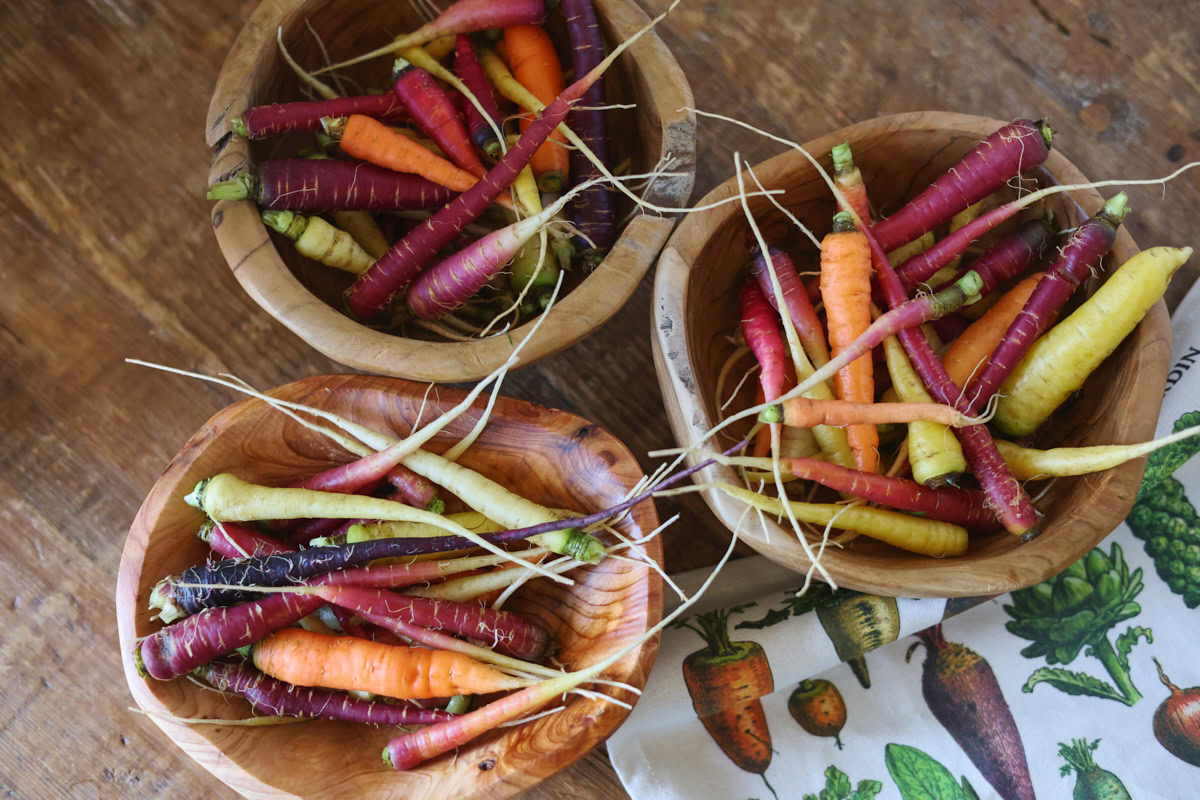
This is a win/win: I get some delectable, earthy, sweet, baby carrots to enjoy now, and then the ones still left in the garden have the room to grow larger. I'm excited to let the rest of them grow and harvest them later. This happy accident makes my day!
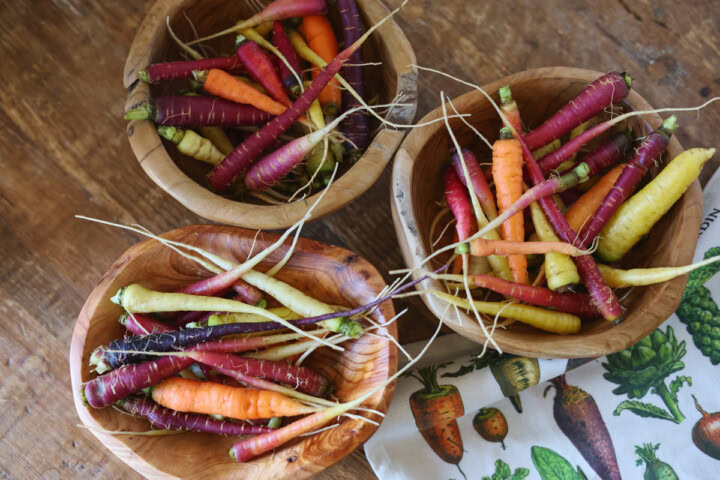
And it's so much fun to pull these beauties up from the ground. Due to erosion and high winds, none of my varieties have stayed compartmentalized where I've planted them. But it's even more exciting this way, since I have no way of knowing which variety I'll pull up next. Especially since I've planted such a wide spectrum of bright shades. We just adore these incredibly fresh, sweet, and tasty garden gems.
Here are the varieties I'm growing this year. It's so worth seeking out a range of hues and flavors from around the world:
- black nebula
- cosmic purple
- gniff
- jaune obtuse du doubs
- kuttiger
- kyoto red
- lila lu sang
- new kuroda
- purple asita black (FYI, this one stained my hands dark purple for 5 days after chopping it!)
- purple dragon
- purple elite
- purplesnax
- purple sun
- red samurai
- redsun
- snowman
- solar yellow
- uzbek golden
- yellowstone
🫘Bean and Pea harvest and seed saving
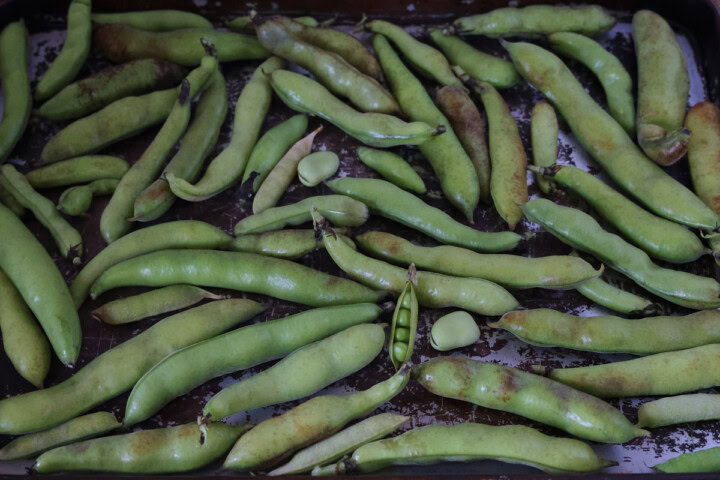
Here are some overgrown fava beans and peas that I've missed, and they're now past their prime. That's ok; I'll just let them dry and save them for seed for next year.
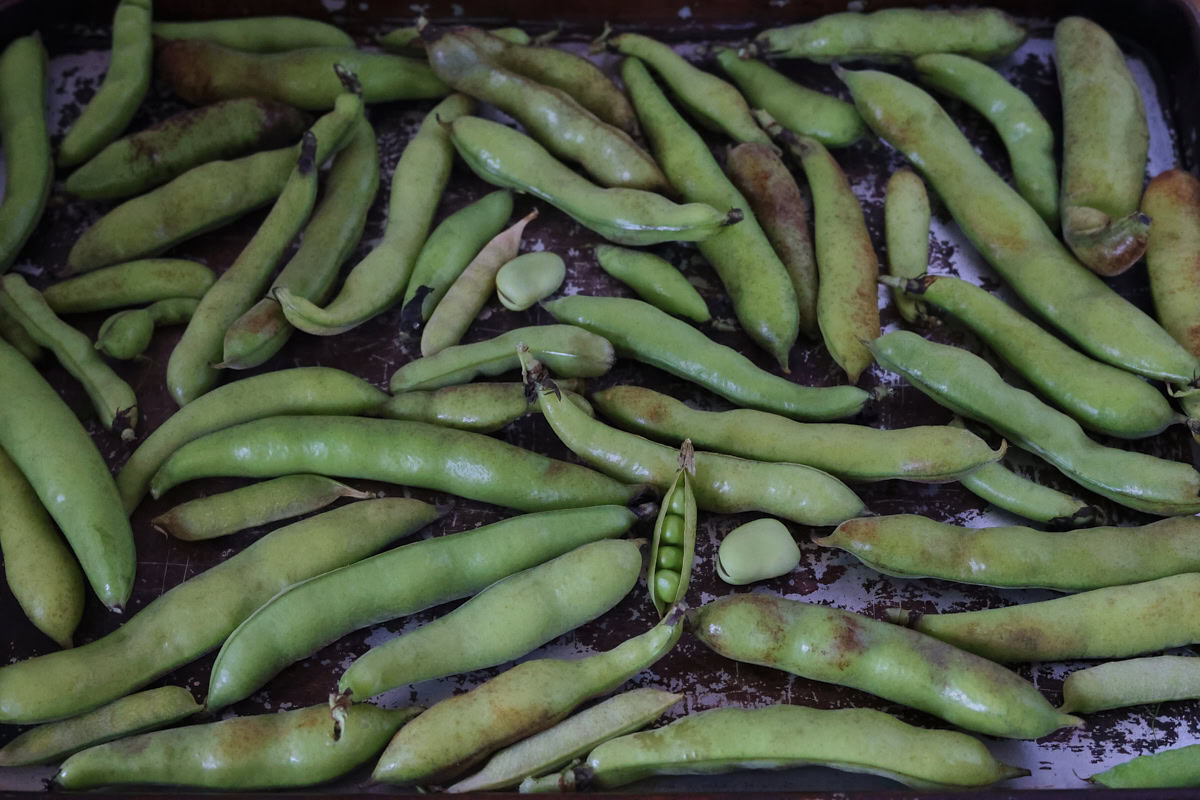
And anyway, since they're legumes that I'd inoculated before planting, the plants have also accumulated nitrogen in their tissues. So by strategically (or uh, really helpfully on a busy day) leaving the plant stumps in the soil, the nodules on the roots can slowly release nitrogen over time. I'll definitely take it!
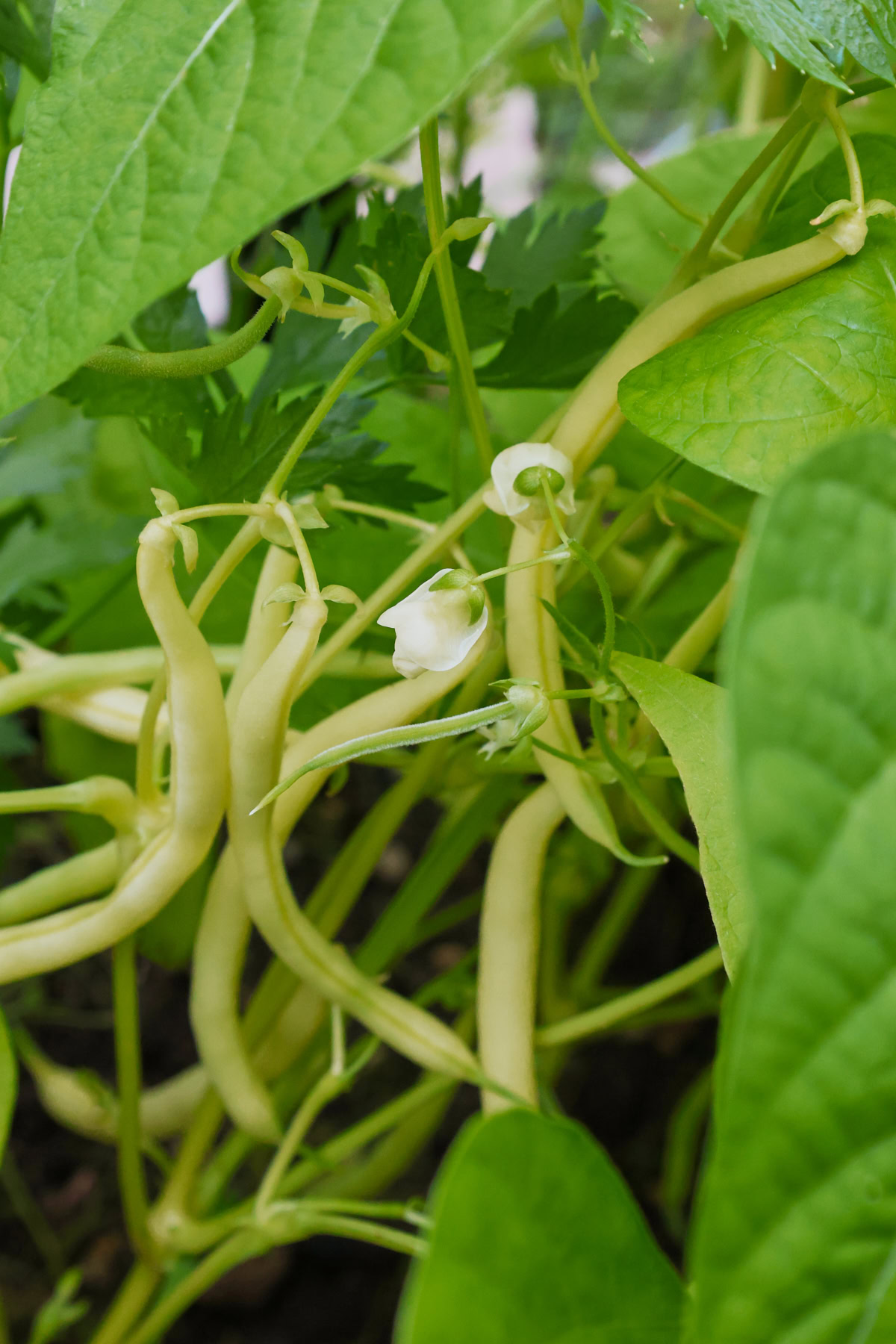
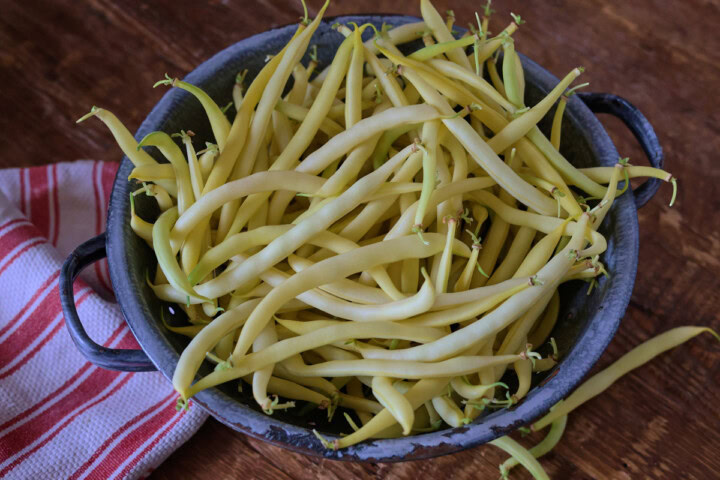
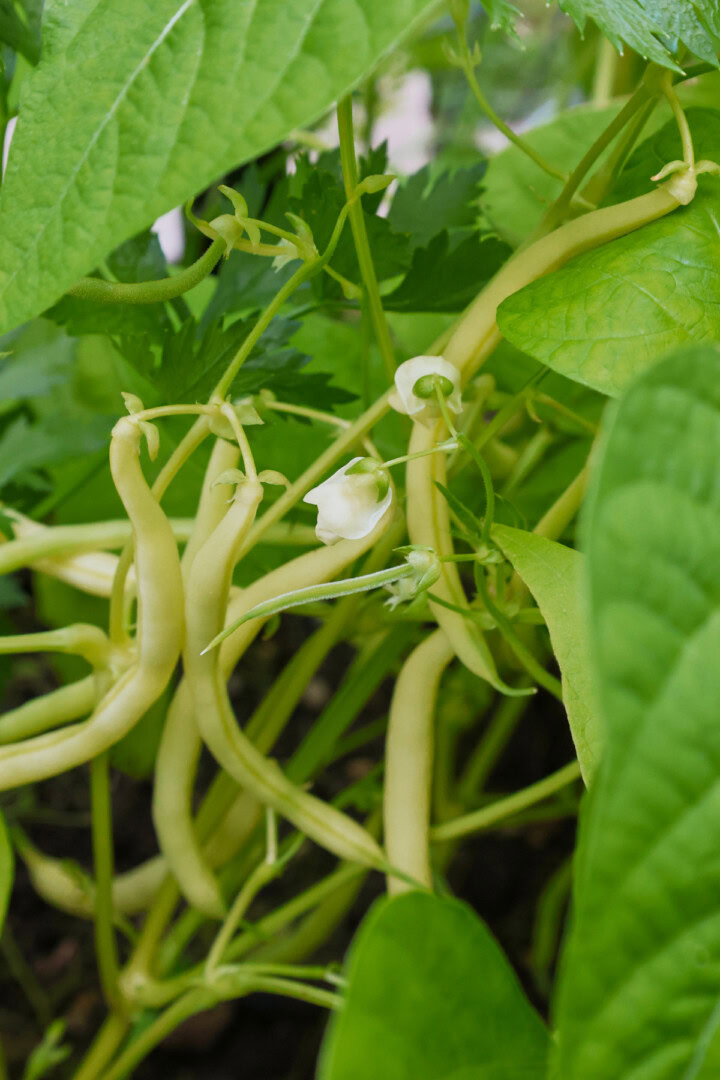
Here are some beurre de rocquencourt bush beans growing. This is the first time in years that I've planted the bush type, as I generally favor the more space-saving pole beans. But there were some varieties that really tempted me to grow them this year, and I had just a little space to add them.
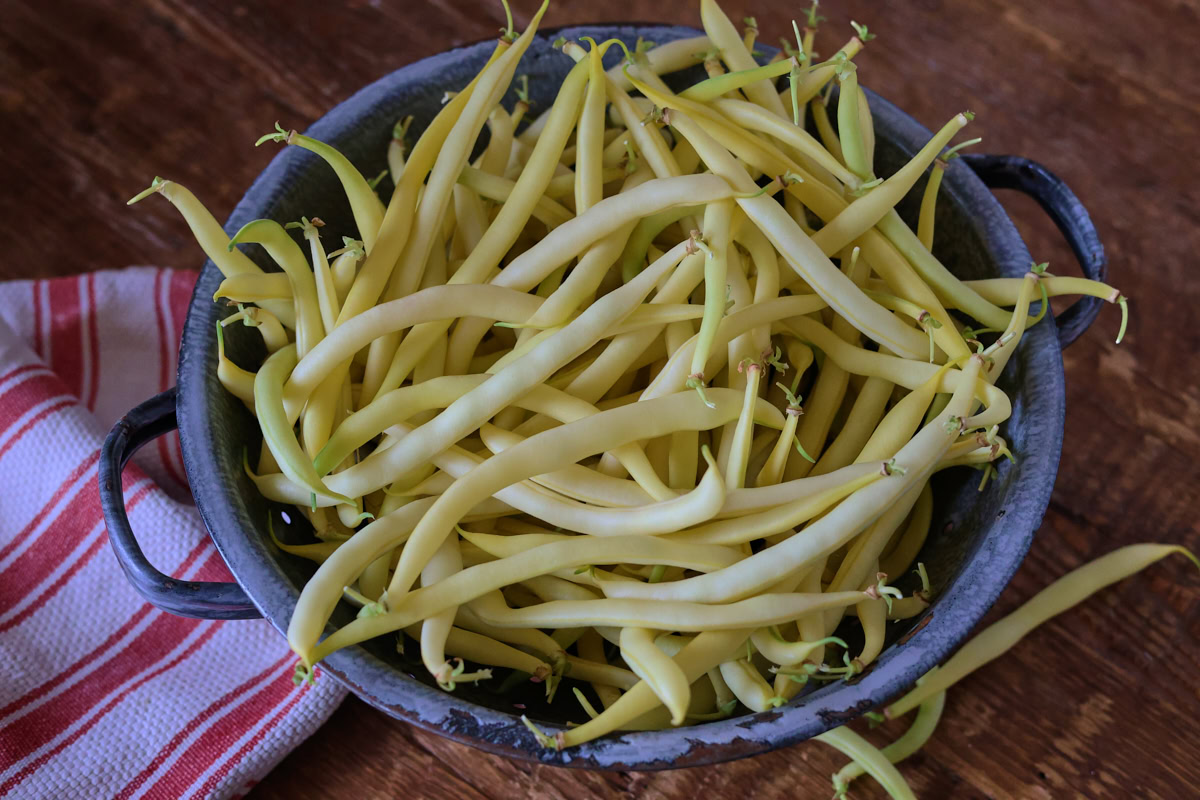
And here they are after harvest. I should have picked them a few days earlier, as they were a little on the chewy side. But wow, these were so delicious when gently steamed and tossed with some vegan butter, toasted almonds, and salt. So simple and yet deeply satisfying.
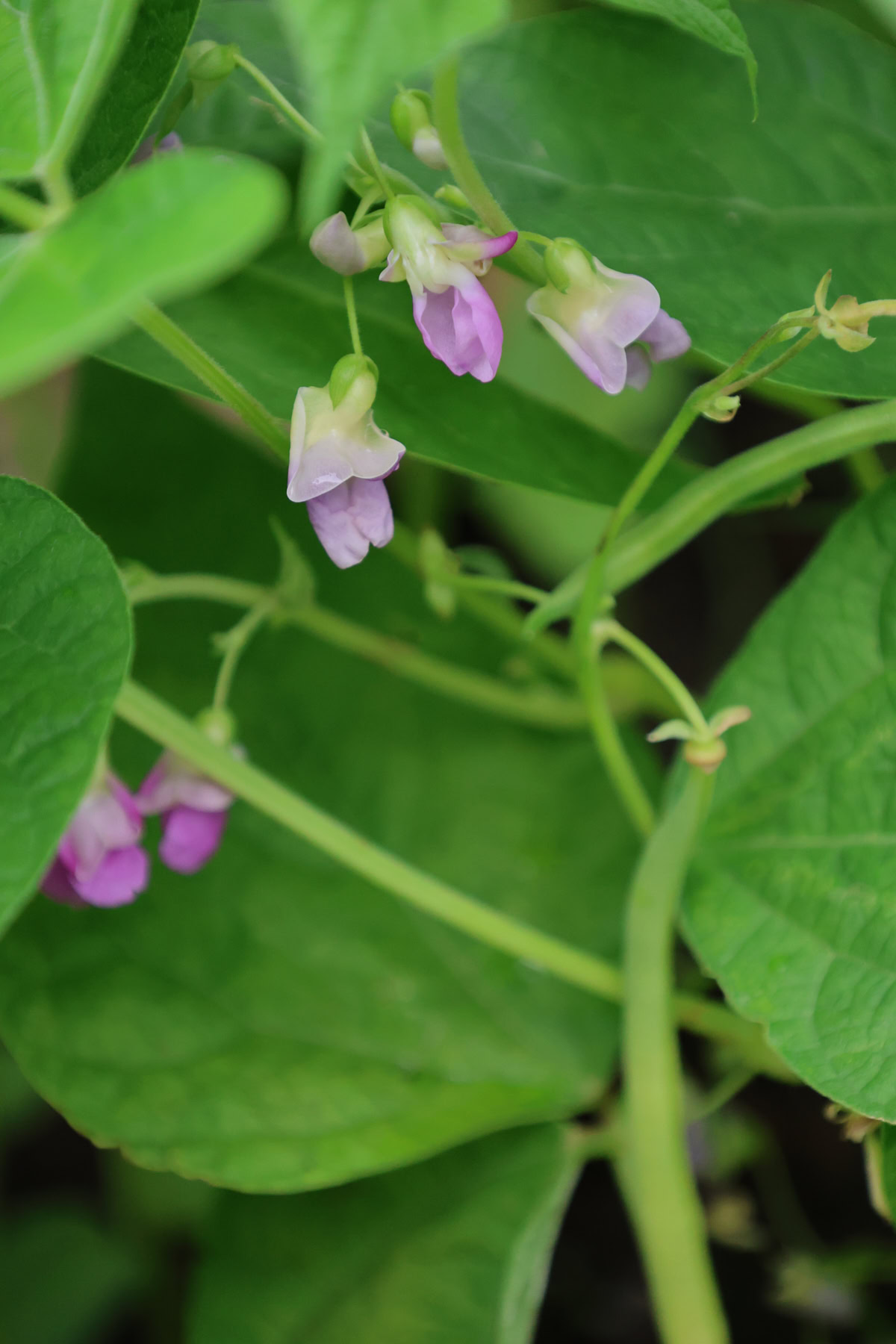
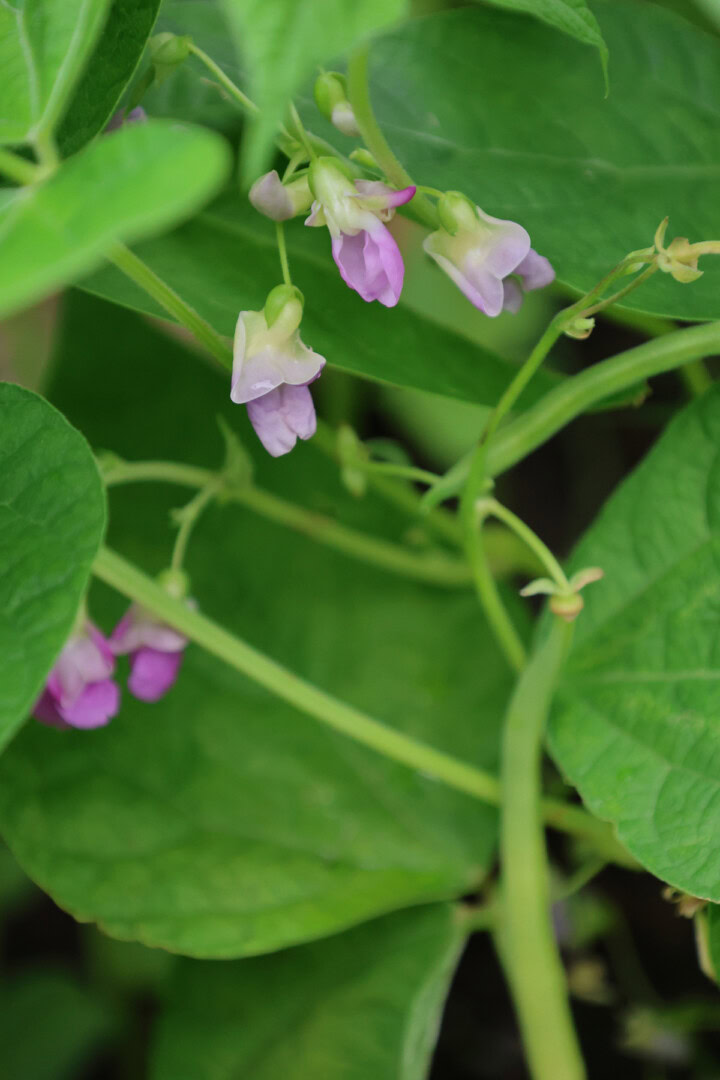
Here are some avlaki beans from Richters' SeedZoo project, which has a mission to save rare and endangered food plants from around the world. They're a treasured heirloom of the Ewe community in the Volta region of western Africa. I feel honored to take part in preserving and continuing the use of this very special crop.
I love the bright lilac flowers of this plant, and I'm really looking forward to tasting the beans. If you have space in your garden to grow some SeedZoo crops, please consider adding them!
🥒Cucumber plants in early growth
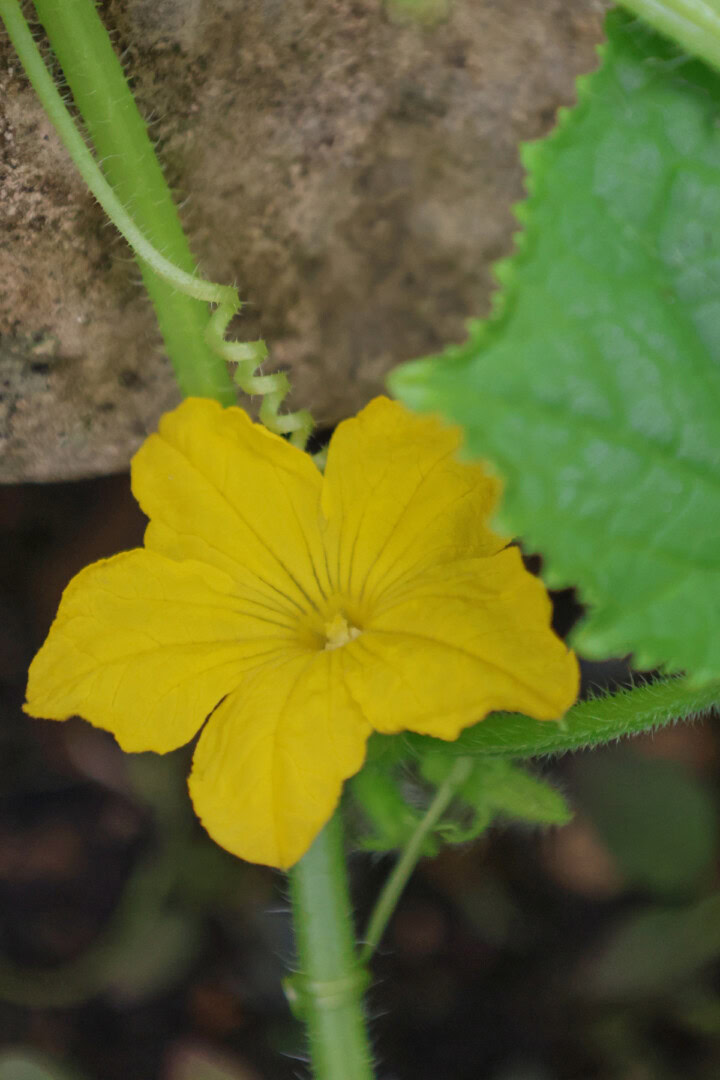
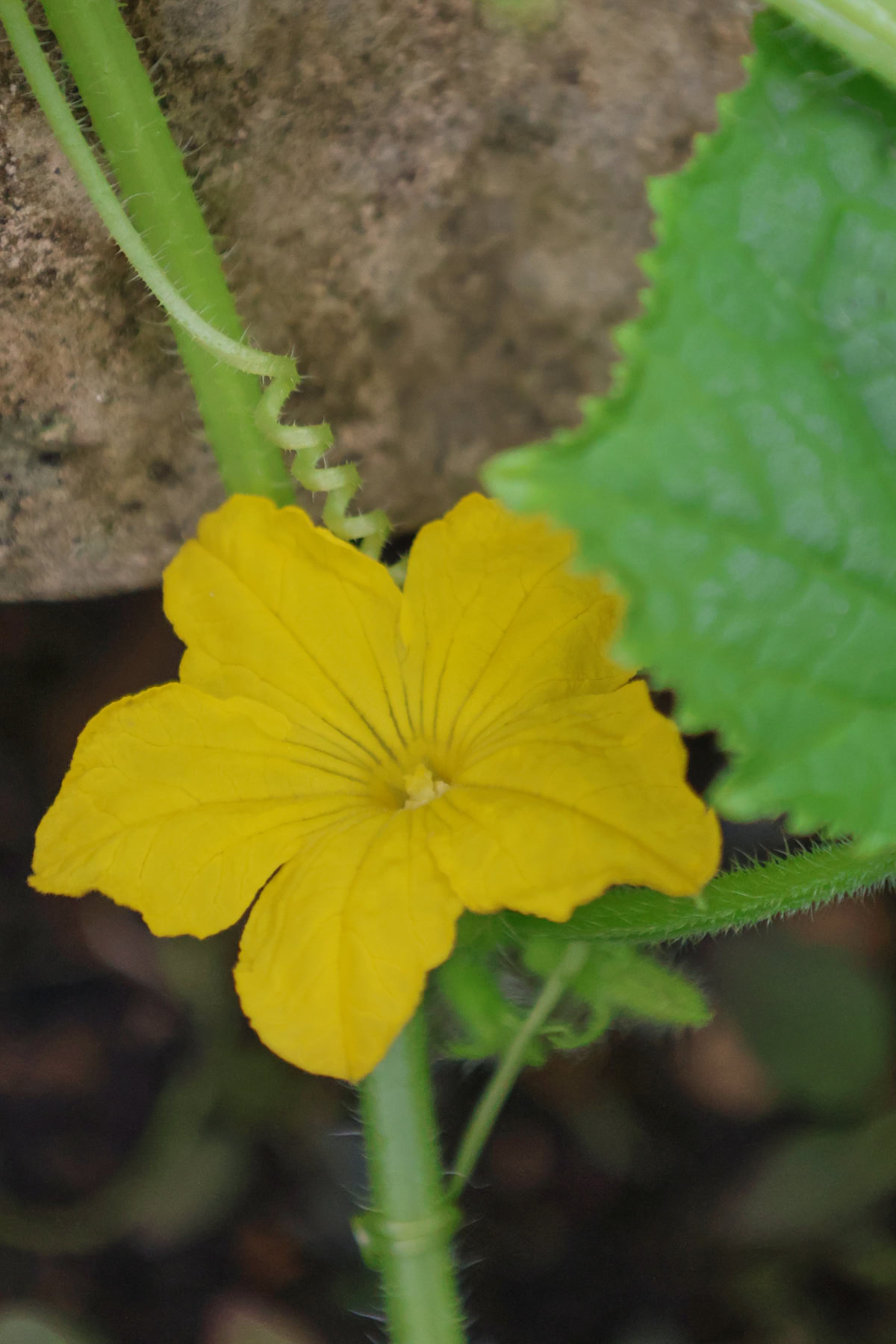
I don't have any cucumbers ready to harvest yet. In the meantime, I just love this bright yellow flower and delicate twirling tendrils while the (shoot, still untrellised, sigh) vine tries to take over the entire garden bed:
🥬Lettuce: a late-summer survivor
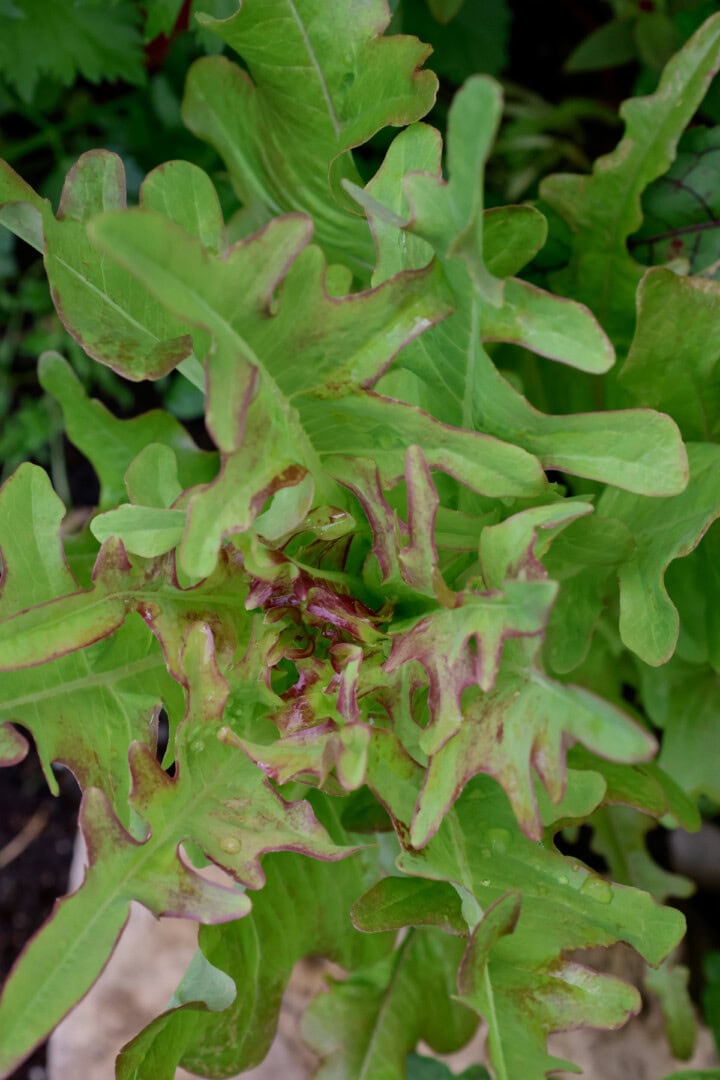
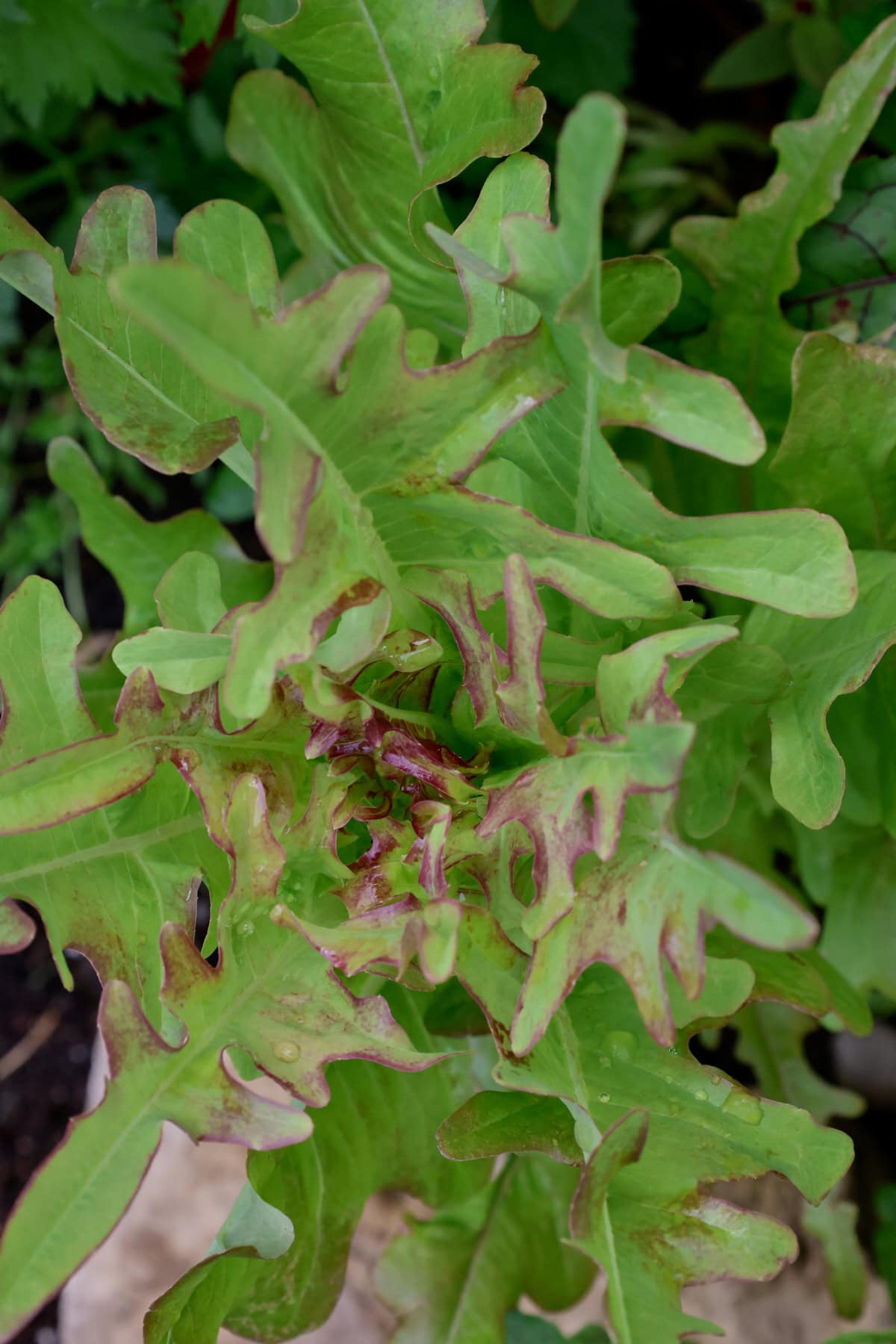
There's only one lettuce plant left in my garden that remains unscathed after the rampant groundhog destruction from a few weeks ago. And now this tenacious bronze arrowhead lettuce is overgrown but still beautiful. And thankfully, it's not yet bitter from letting it grow for a bit too long. Such a joyful lone survivor.
And thankfully, I have a new round of large lettuce seedlings under my grow lights, just waiting to be transplanted into the garden along with my other fall crops. I'll plant them in my beds after the spring crop harvest is done.
🌿Purple loosestrife invasive plant identification
Ok, here's an important one to know about. I didn't realize what this was at first, despite having studied it intensively in master gardener class. And even after having seen it growing in so many roadside ditches near where I live.
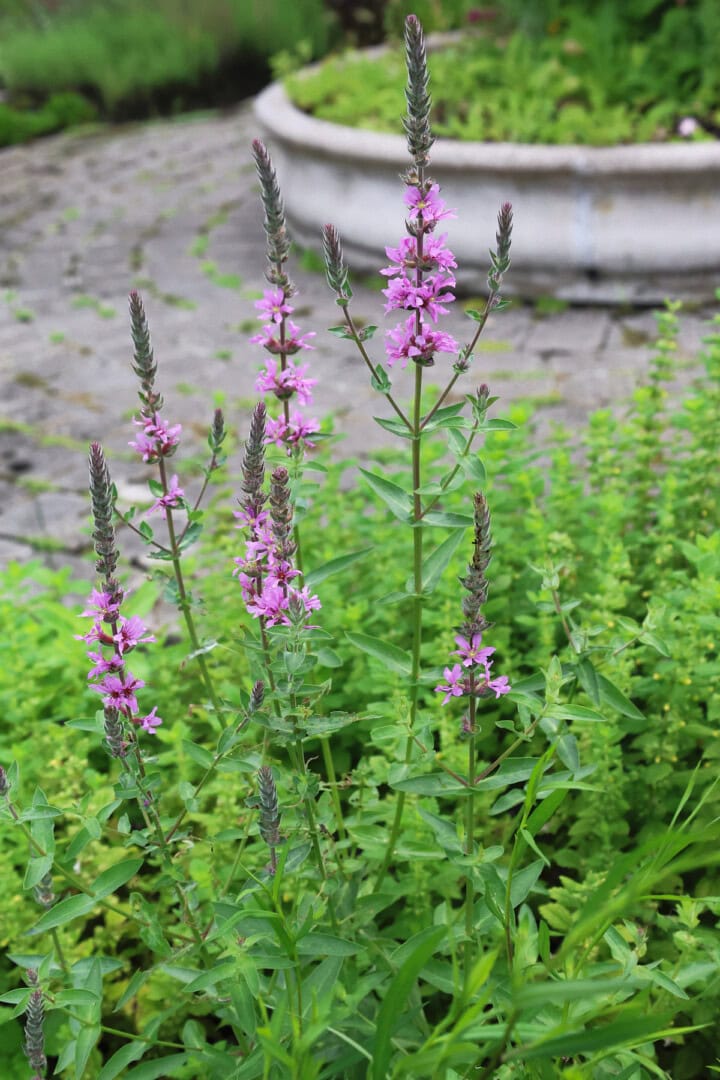
I had just never seen it from so close! It had suddenly popped up in my herb garden, and I wondered at first from the flowers whether it was an agastache variety that I had forgotten I'd planted. But then the leaves were all wrong for an agastache. Instead of being serrated, they were smooth and narrow.
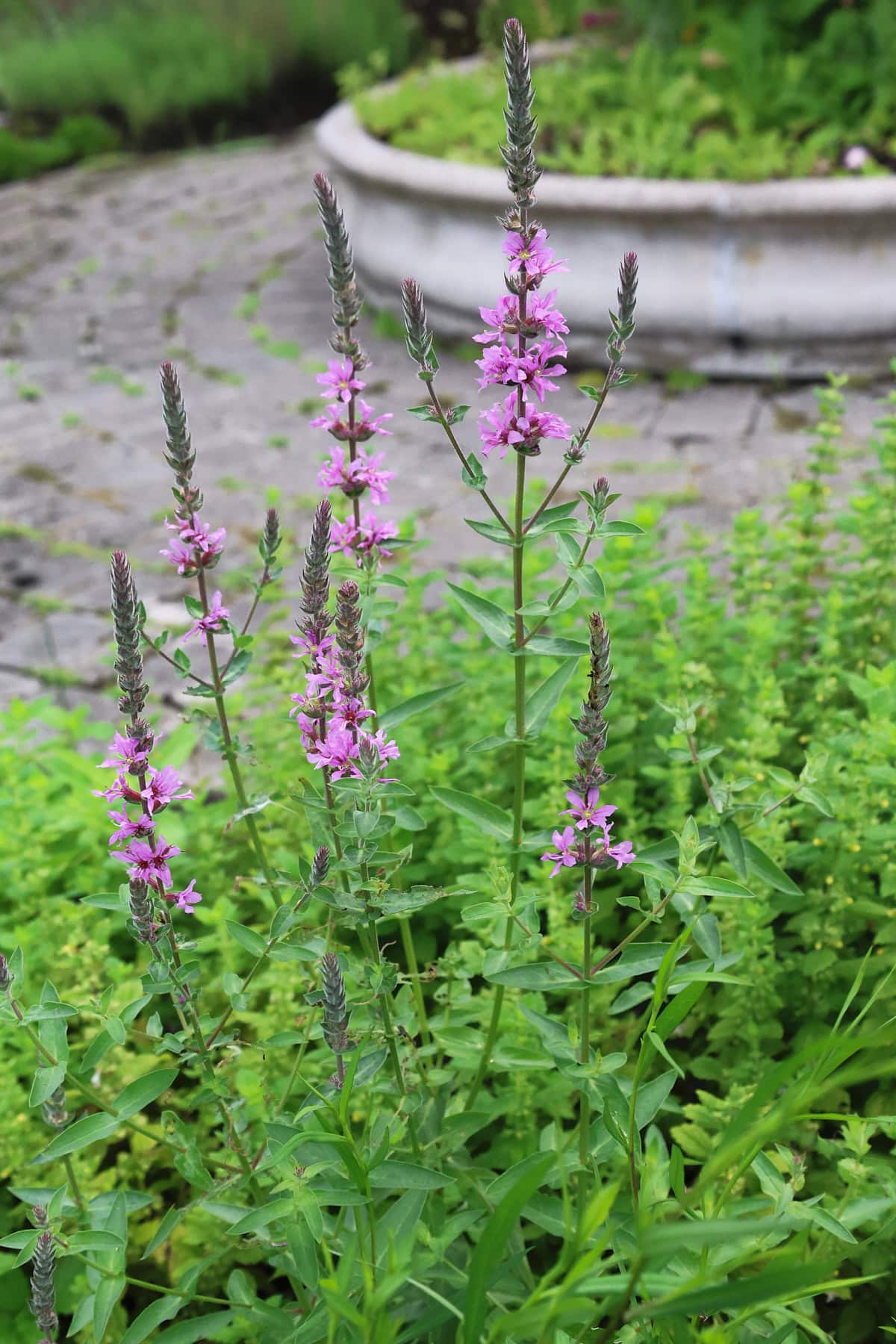
So I looked it up, and lo and behold, it was an invasive purple loosestrife! It's technically both edible and a perennial, so I'm shelving this here in the perennial herb section. Incidentally, although it's in the Lythraceae family, it does have square stems like the members of the Lamiaceae (mint) family.
I really want you to take a good look at this wily and feral fugitive and make sure to pull it out of the garden if you happen to see one. Here's how to identify this invasive plant in the garden.
Purple loosestrife is invasive in multiple ways: it crowds out native plants, spreads quickly, and clogs waterways. Plus, it releases millions of seeds per plant each year, which allows an even more widespread colonization.
I wanted to make sure to get a photo of this plant to show you, and then I wistfully yanked it up by the roots before it had a chance to go to seed. It's such a beautifully ornamental plant, and sadly, it's still being sold in nurseries in places where it's not strictly prohibited. Please take note of how it looks up close, so you'll know be able to identify it just in case!
🌱Basil
I have a few more basil varieties to share as I have in previous posts. I just adore growing this intensely fragrant and enchanting herb. These photos should include the last of the 45 types I'm growing this year. I'm really looking forward to writing and sharing my upcoming post describing them all. It's just so enjoyable to go out in the herb garden to smell and compare all of these stunningly aromatic plants from all over the world!
Without further ado, here are the rest of the basil varieties this year:
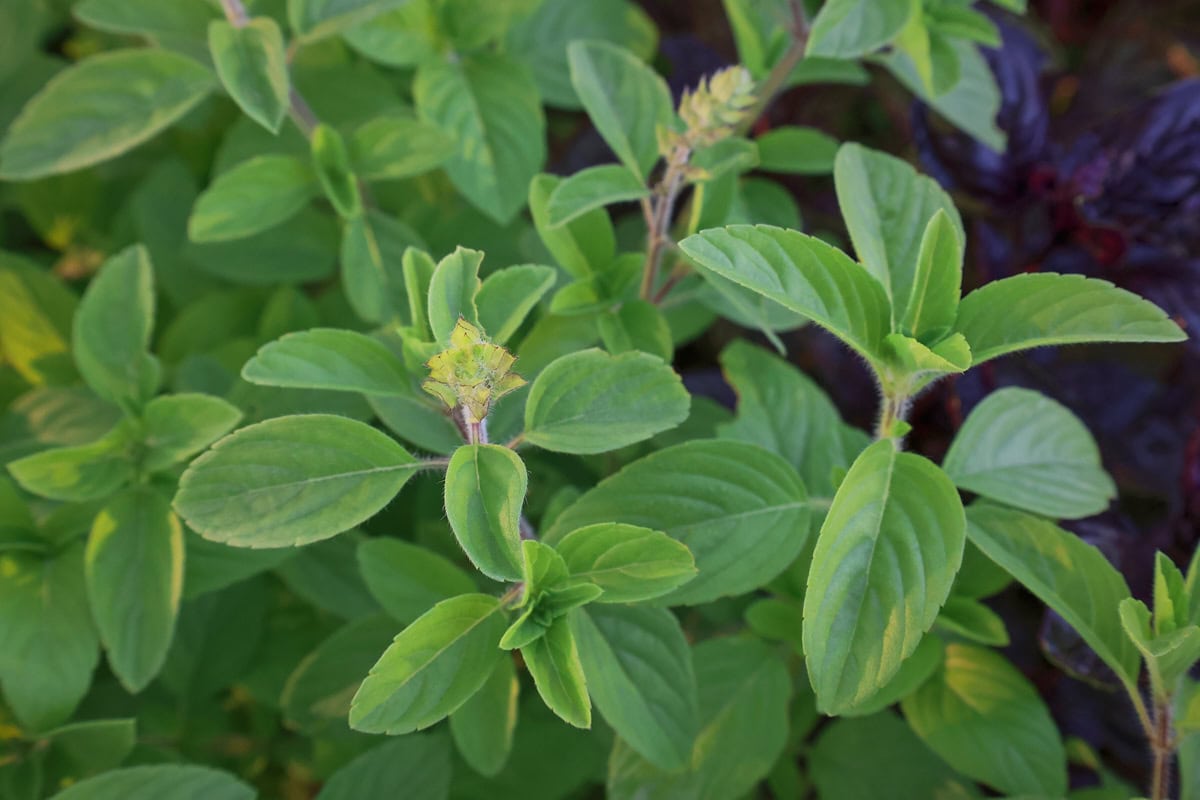
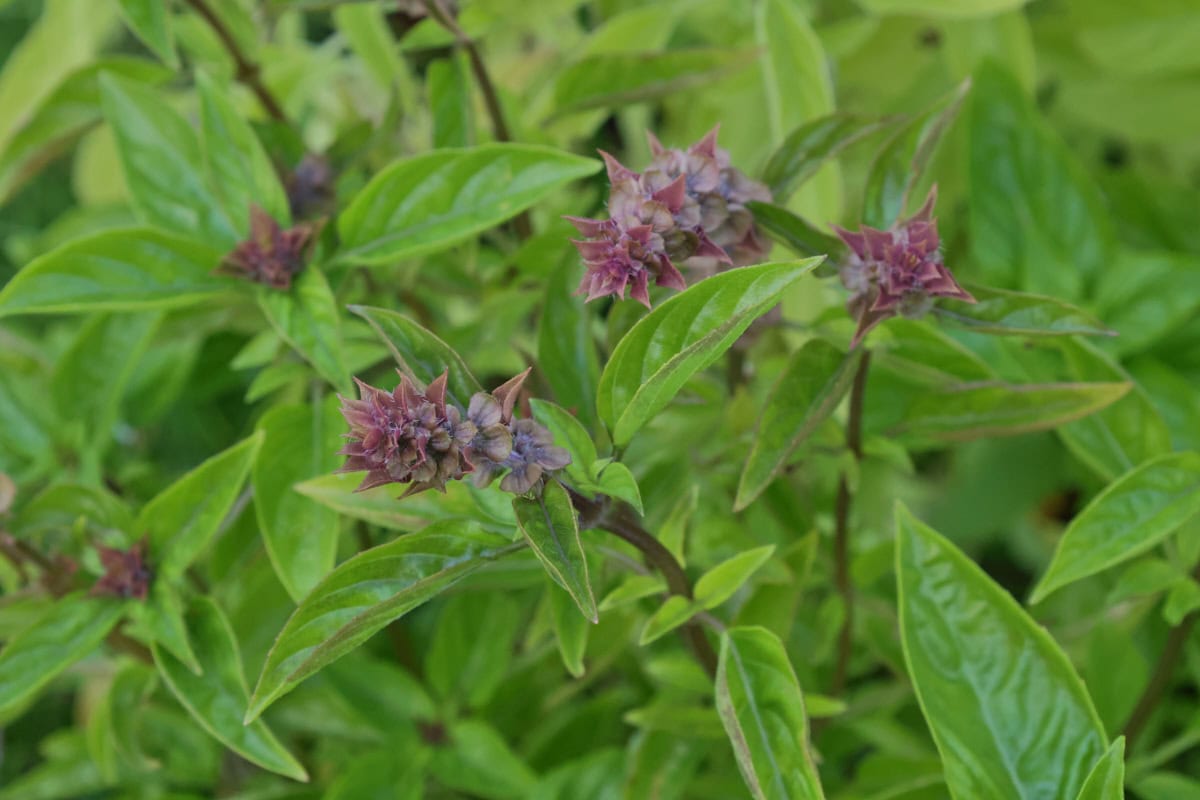
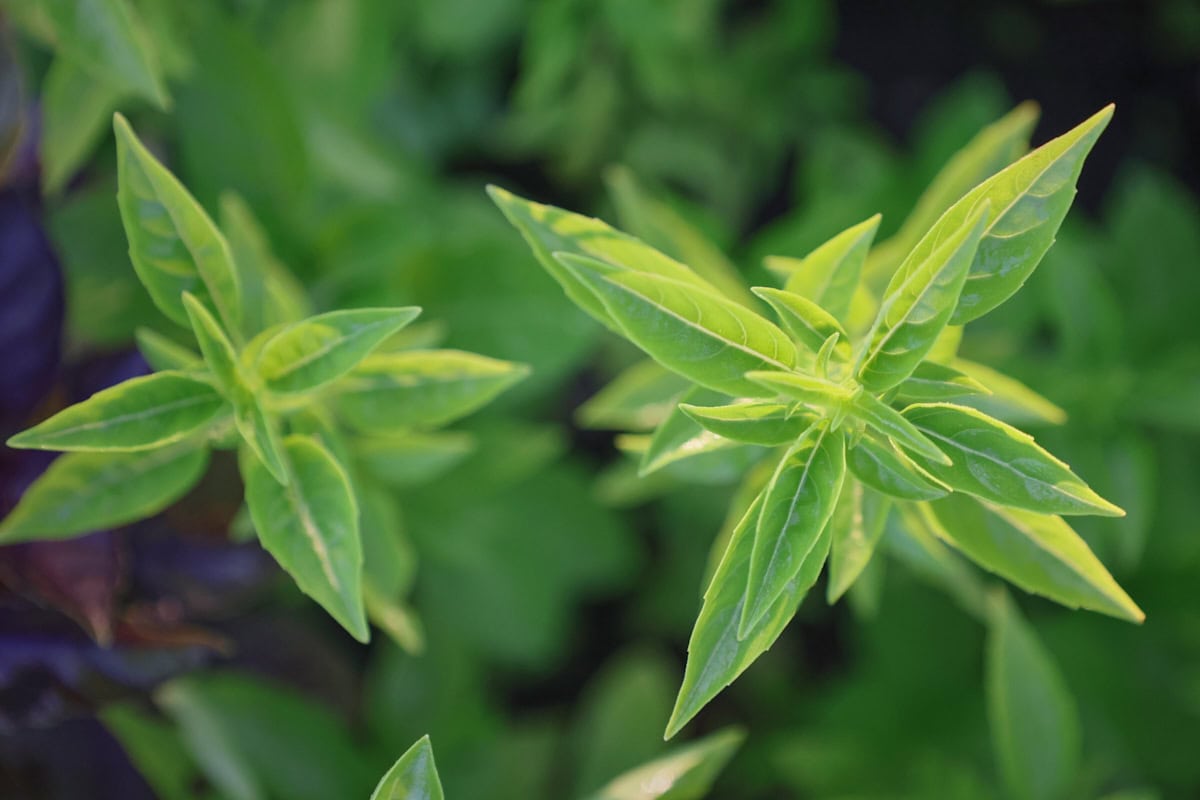

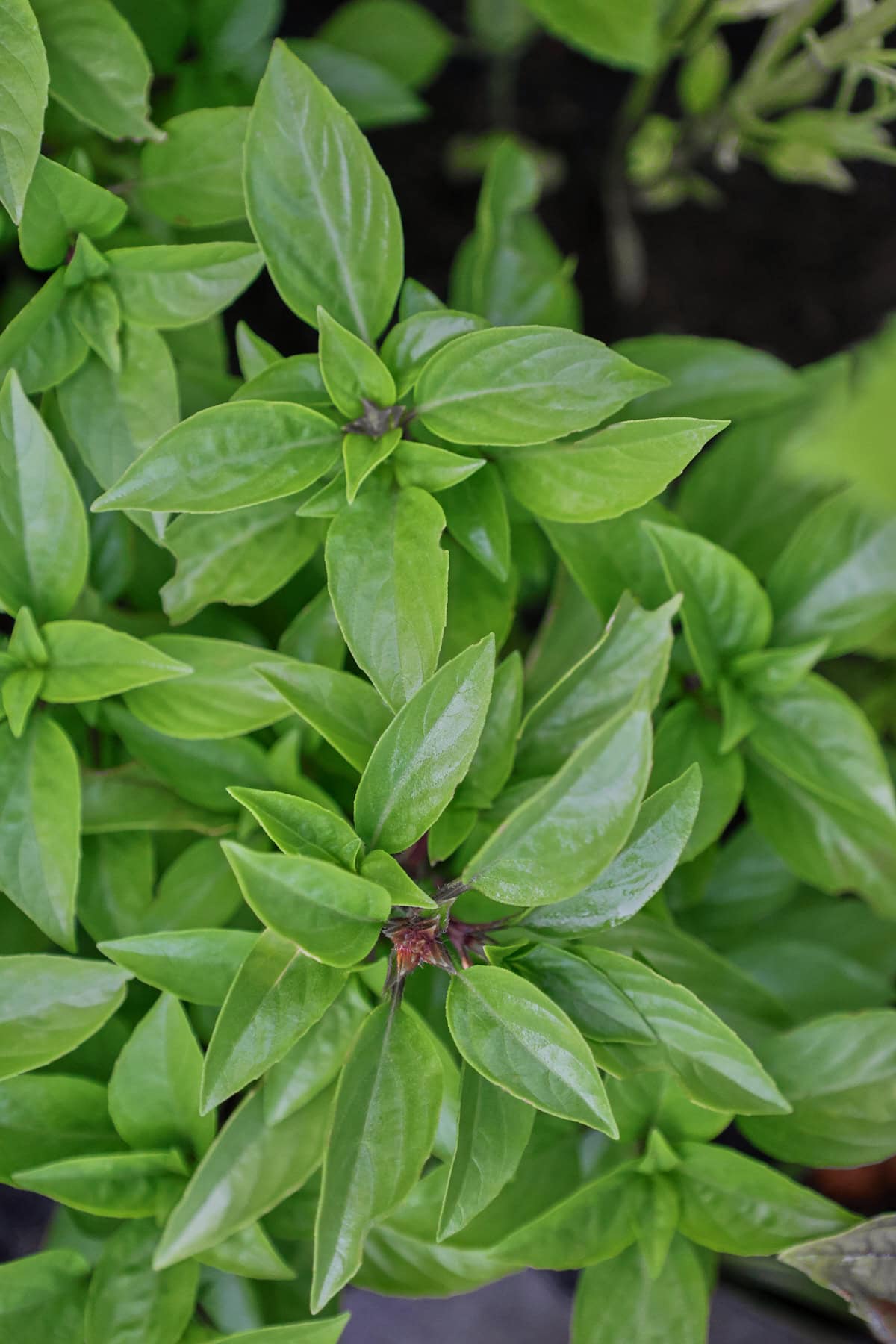


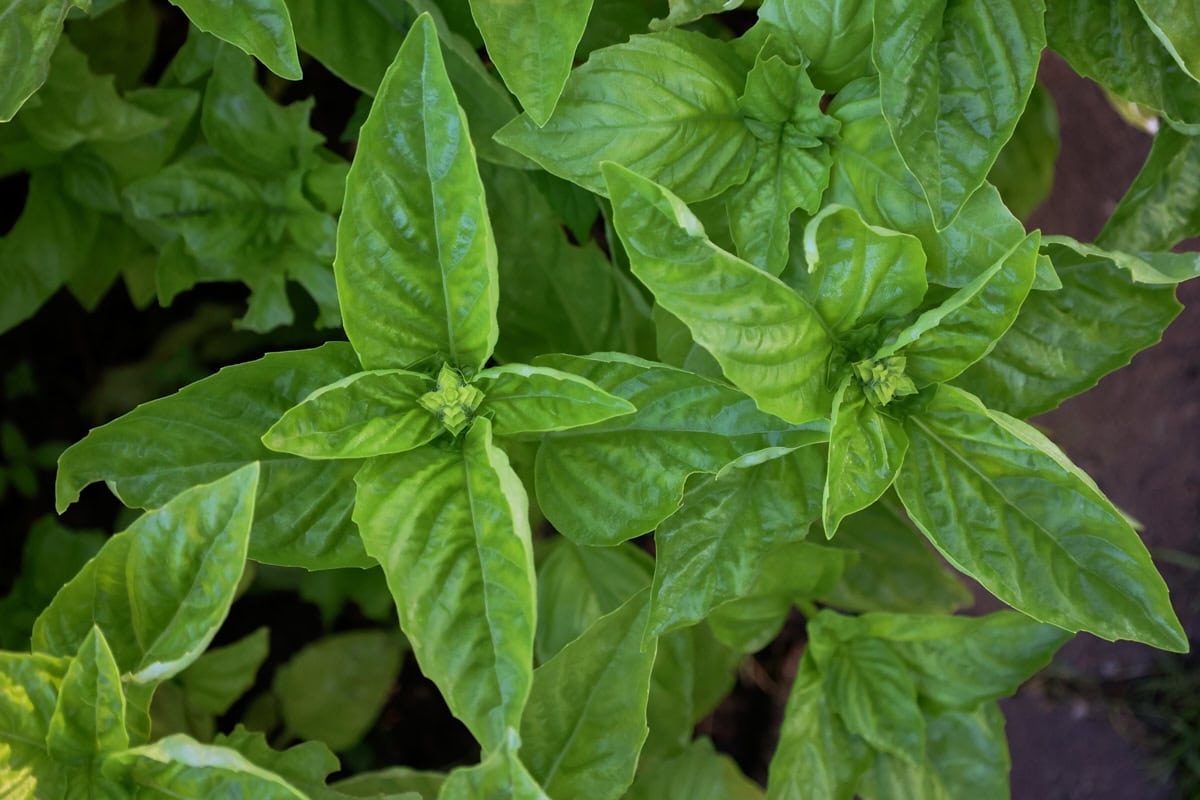
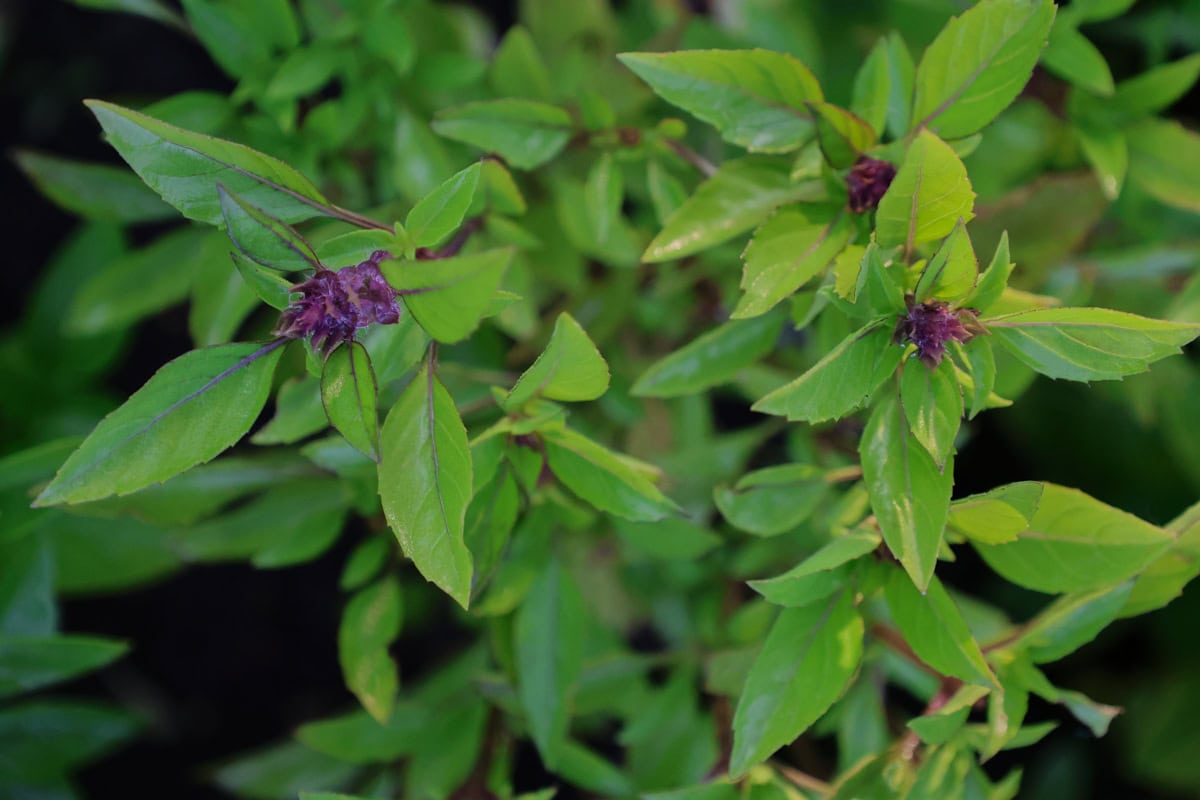
Basil varieties from top left: camphor kapoor, Christmas, fino verde; from middle left: viride, floral spires, holy Thai; bottom from left: Italian mountain sweet, napoletano, sacred purple.
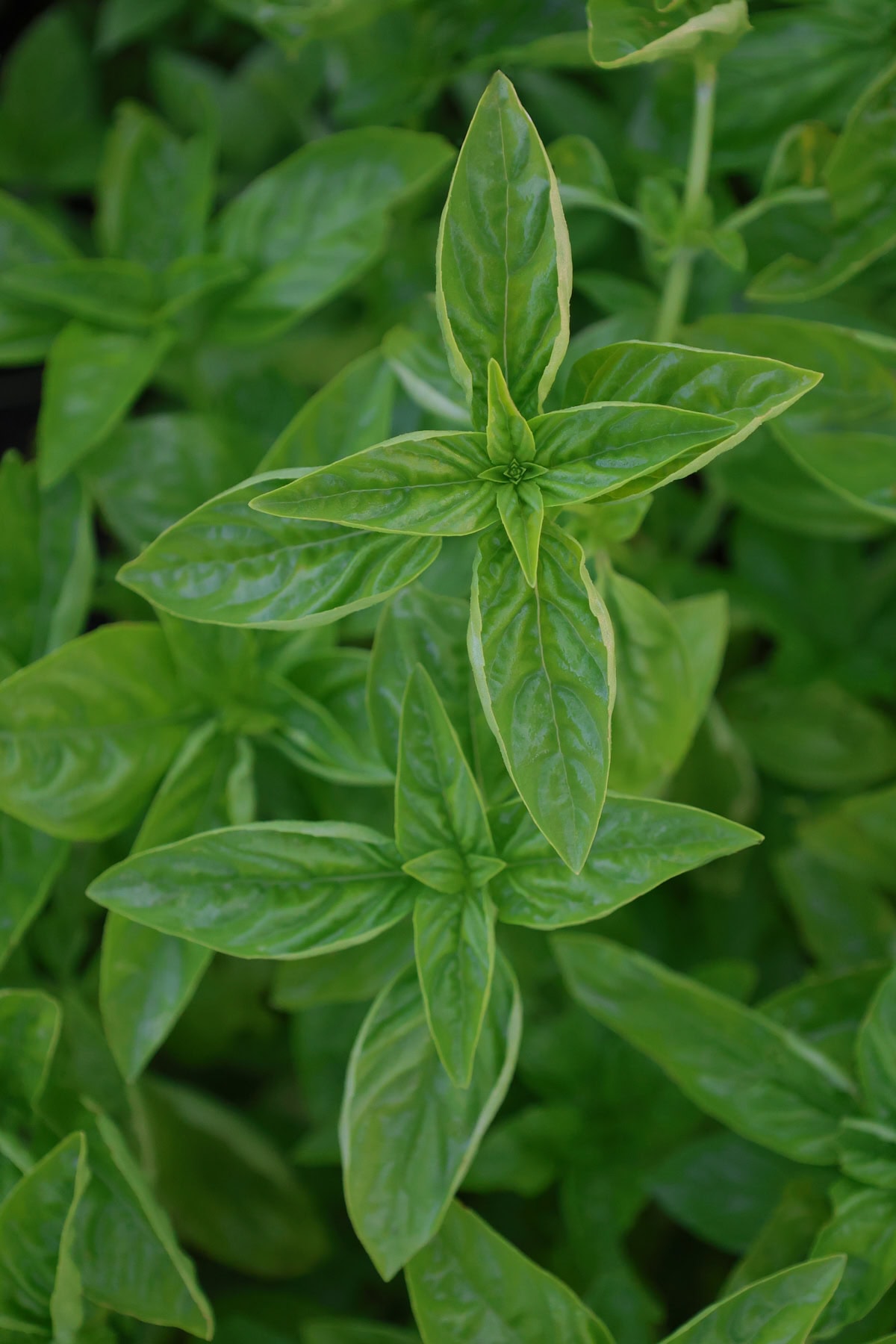
And above is siracusa basil. If you'd like to see even more basil varieties, please check out the the 38 types I grew last year, with photos and scent and flavor descriptions from 18 testers:
38 Types of Basil You Need to Grow in Your Herb Garden, Part 1
🌸Nasturtiums
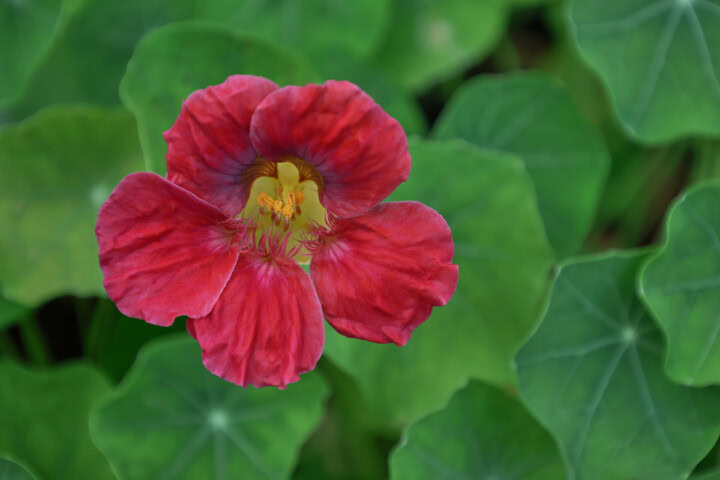
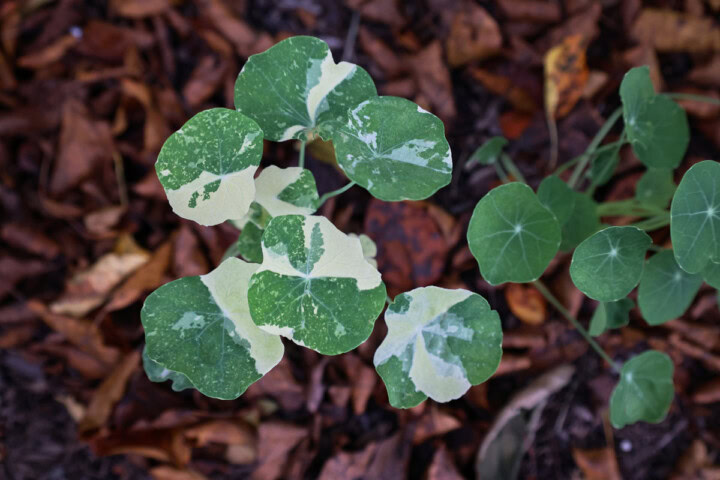
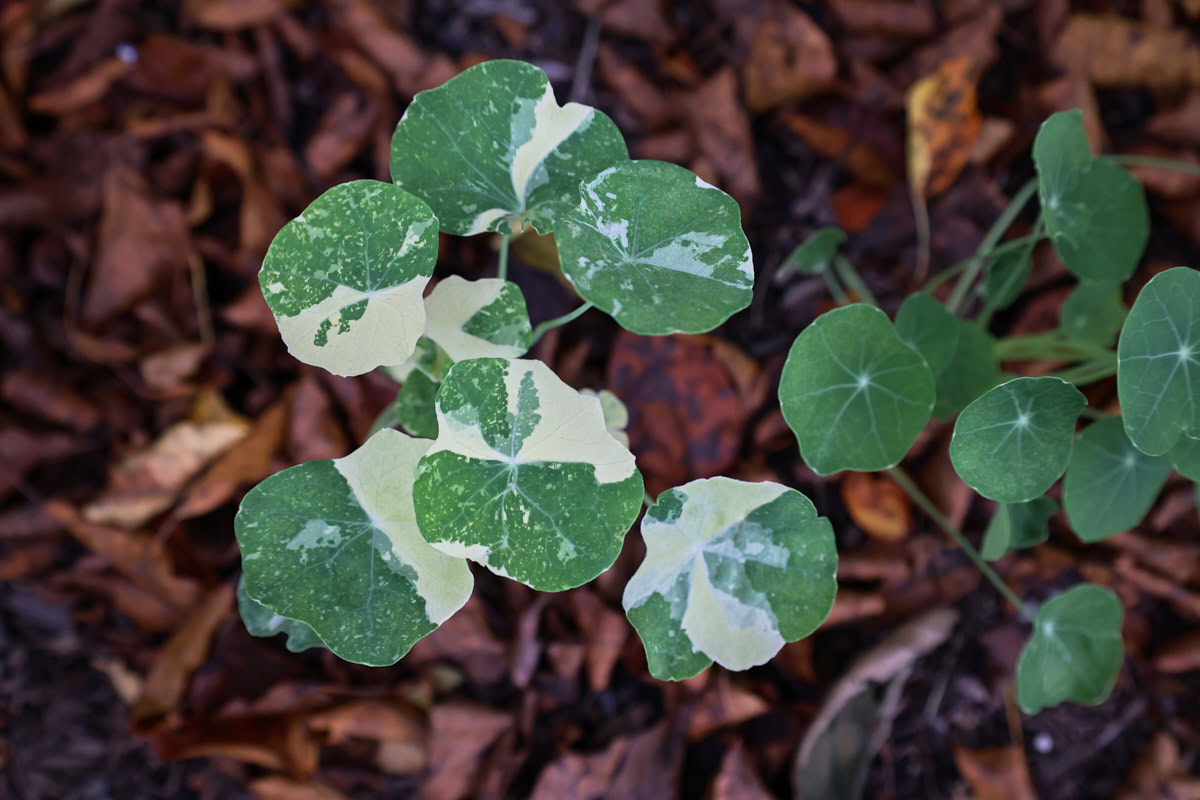
I've adored growing nasturtiums since I was a kid. They're drought and shade tolerant, thrive in less-than-ideal soil, taste enjoyably peppery (similar to arugula) in salad, and are absolutely gorgeous. Even the leaves alone are adorable (and just as tasty as the flowers). This variegated one is the Alaska type:
Plus, they drop their huge seeds in the fall, practically ensuring that you'll have more flowers next year. I used to go treasure hunting to collect the seeds each fall with the kids when they were little.
Then we'd save the seeds and replant them the following spring. But in a year when I didn't get around to this, I found that the seeds managed to replant themselves and come up again really well all on their own.
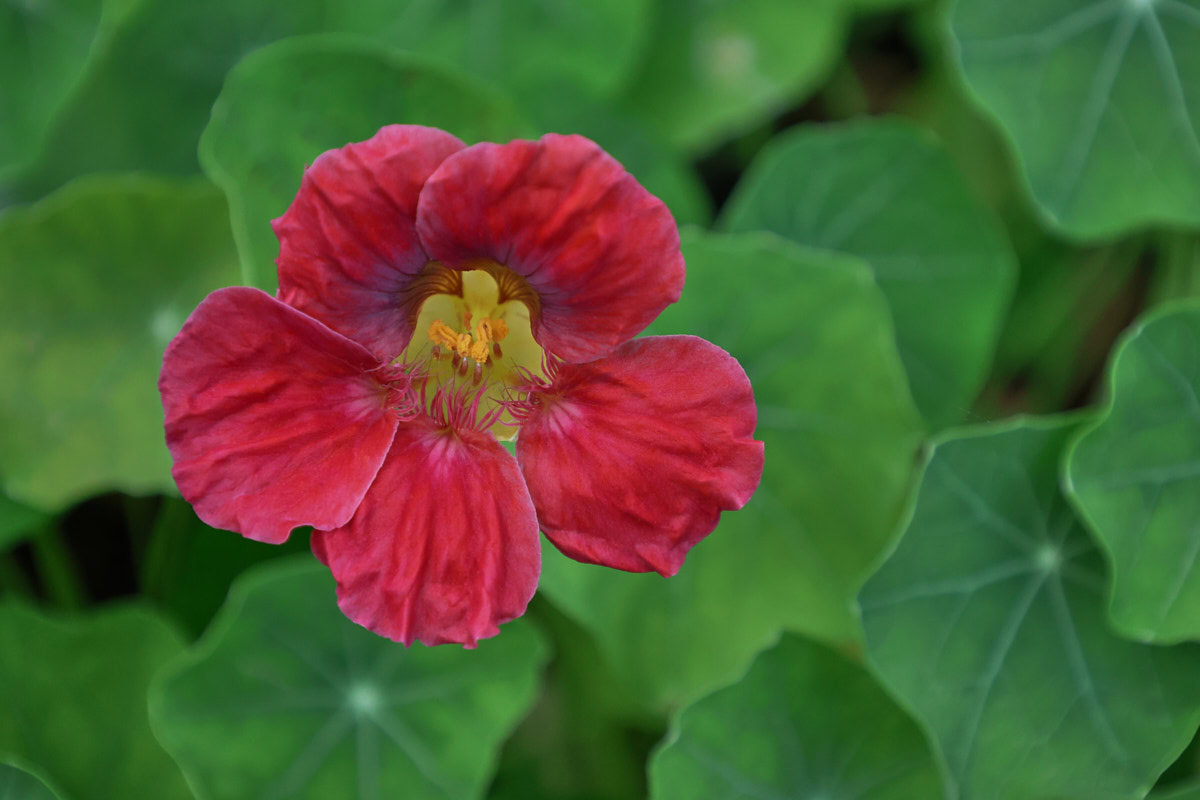
This year I've filled in several landscaping beds with them. My back was NOT happy with this. But it's so worth having these beauties in glorious bright carpets all around the landscaping. And next year I won't have to plant so many with the convenient reseeding.
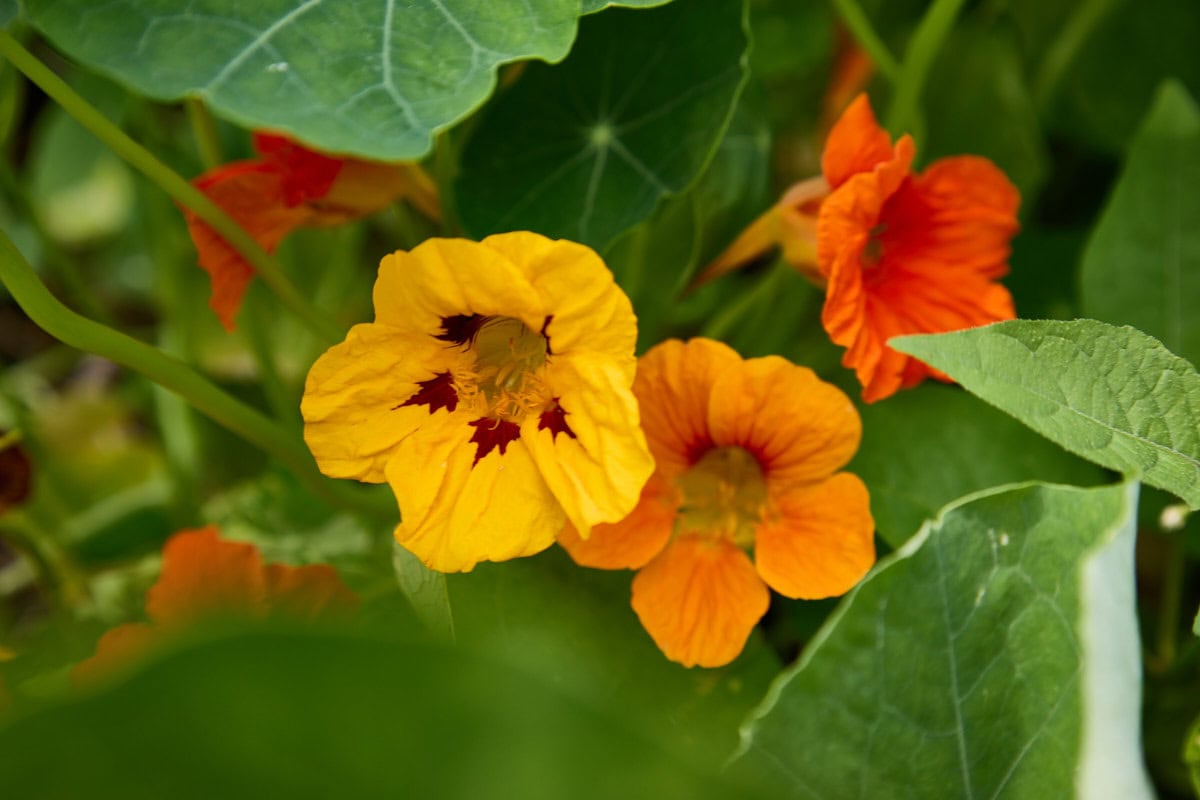
I also love that nasturtiums are at their best in late summer, when many of my other herbs and flowers are past their peak. It's always so nostalgic and special to have them around. They're one of the flowers I just have to keep growing.
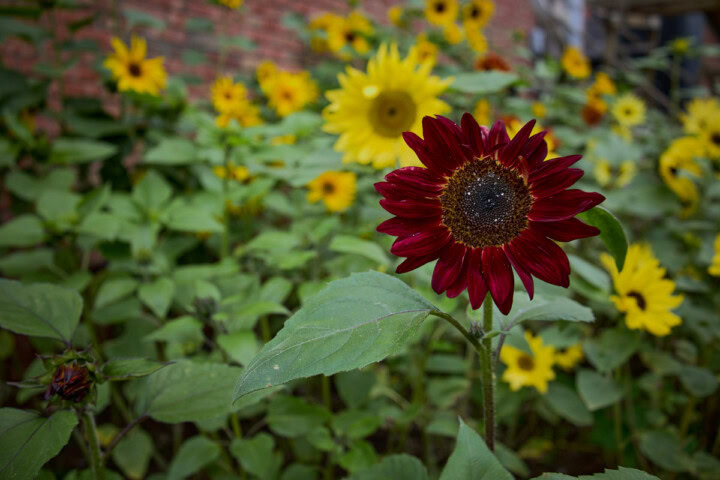
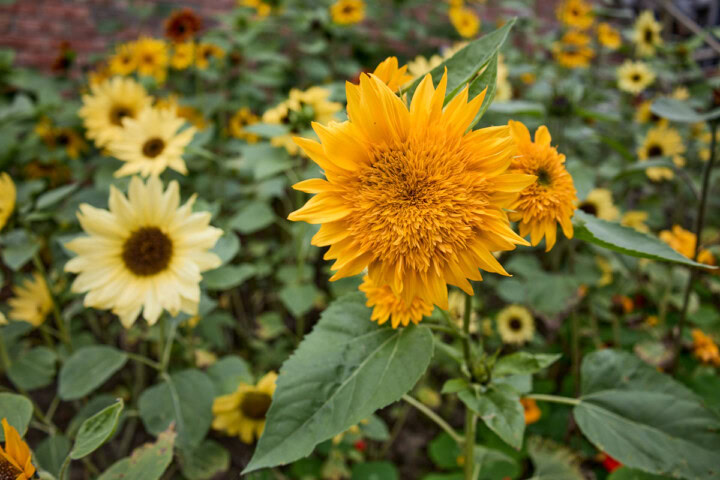
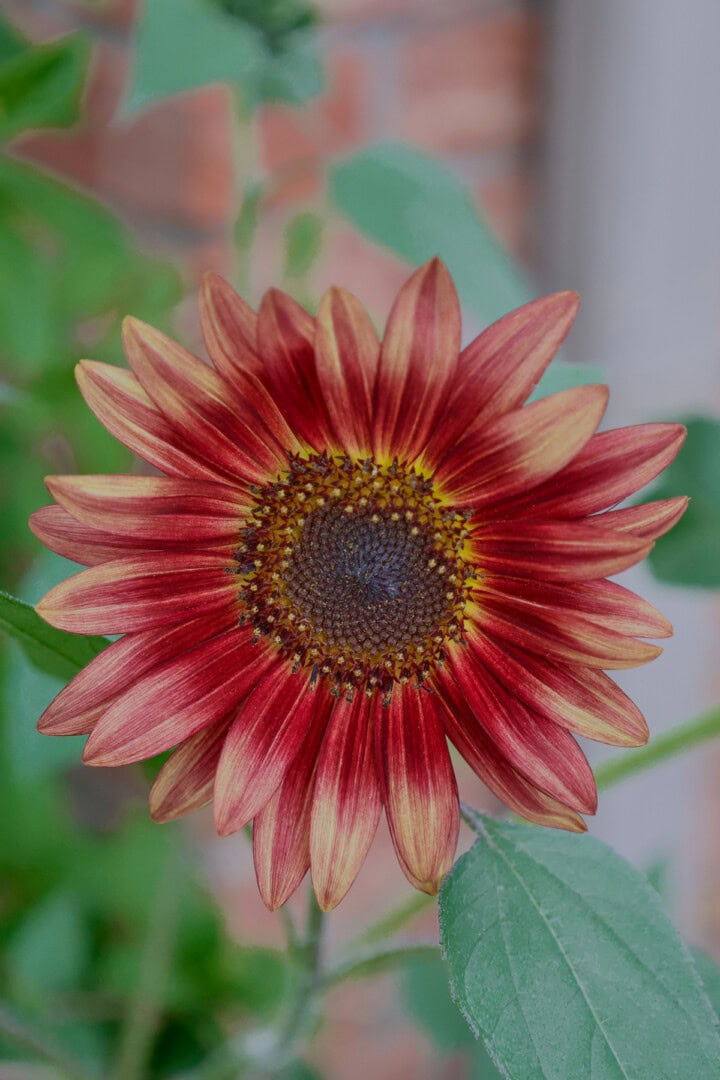
🌻Sunflowers
These showstopping flowers are another of my absolute favorites. Especially when the deer don't eat them first.
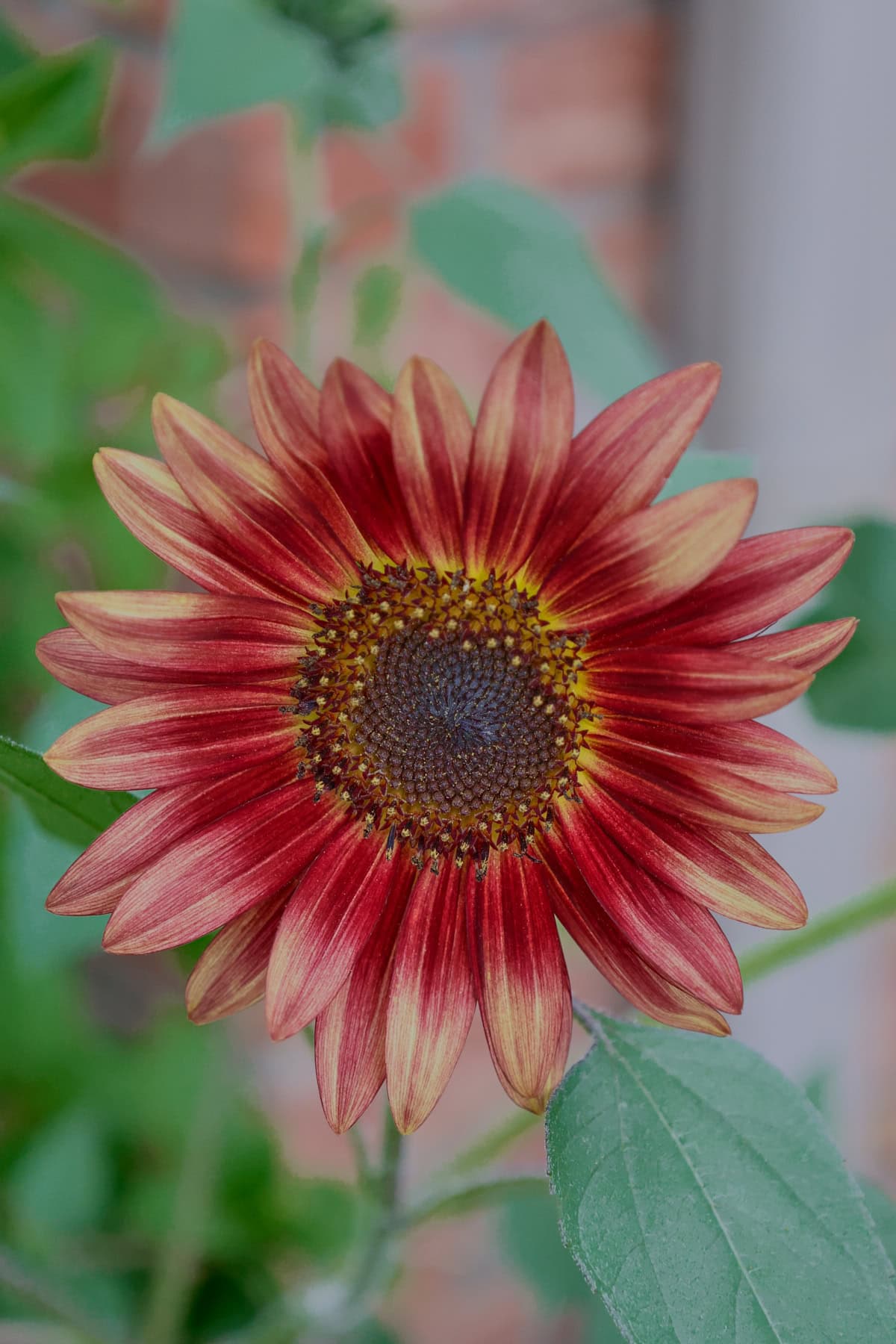
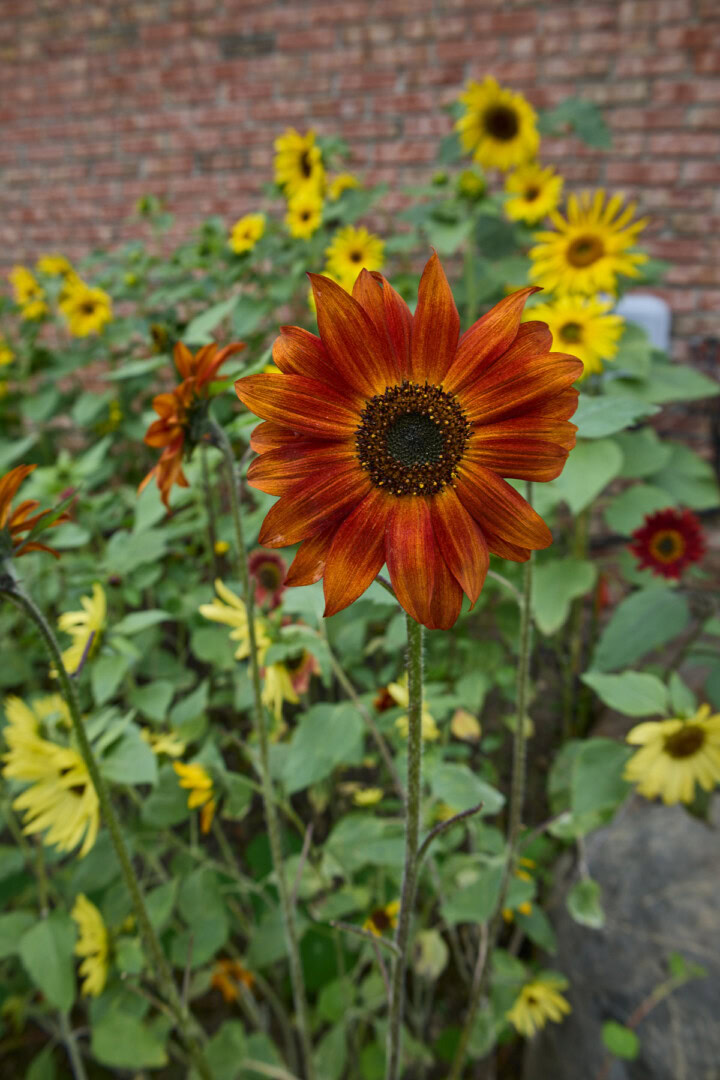
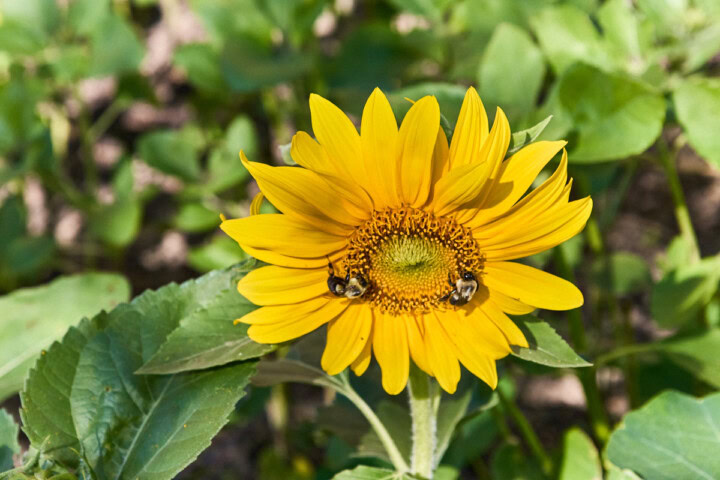
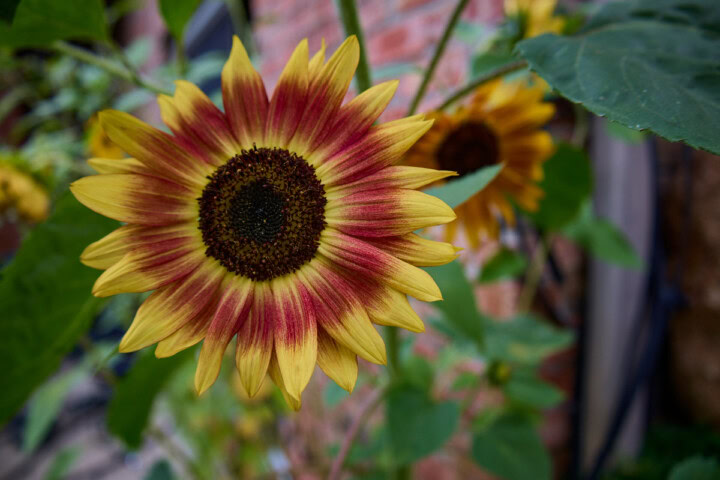
Sunflowers are so easy to sow as seeds directly into the ground in spring, and there's such a wide array of breathtaking heights and colors.
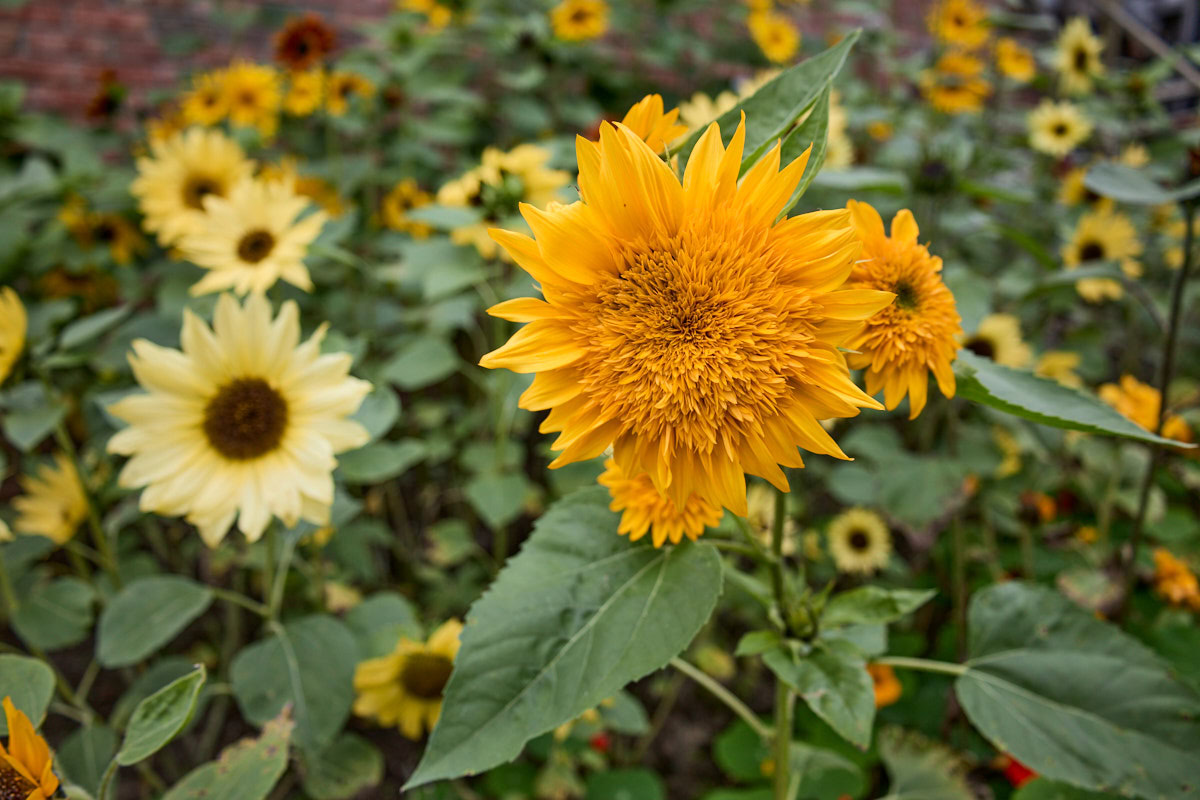
I love having a rare glimpse of chipmunks and goldfinches perched atop the seed heads after the flowers fade, enjoying the tasty seeds. And of course, the bees always love them.
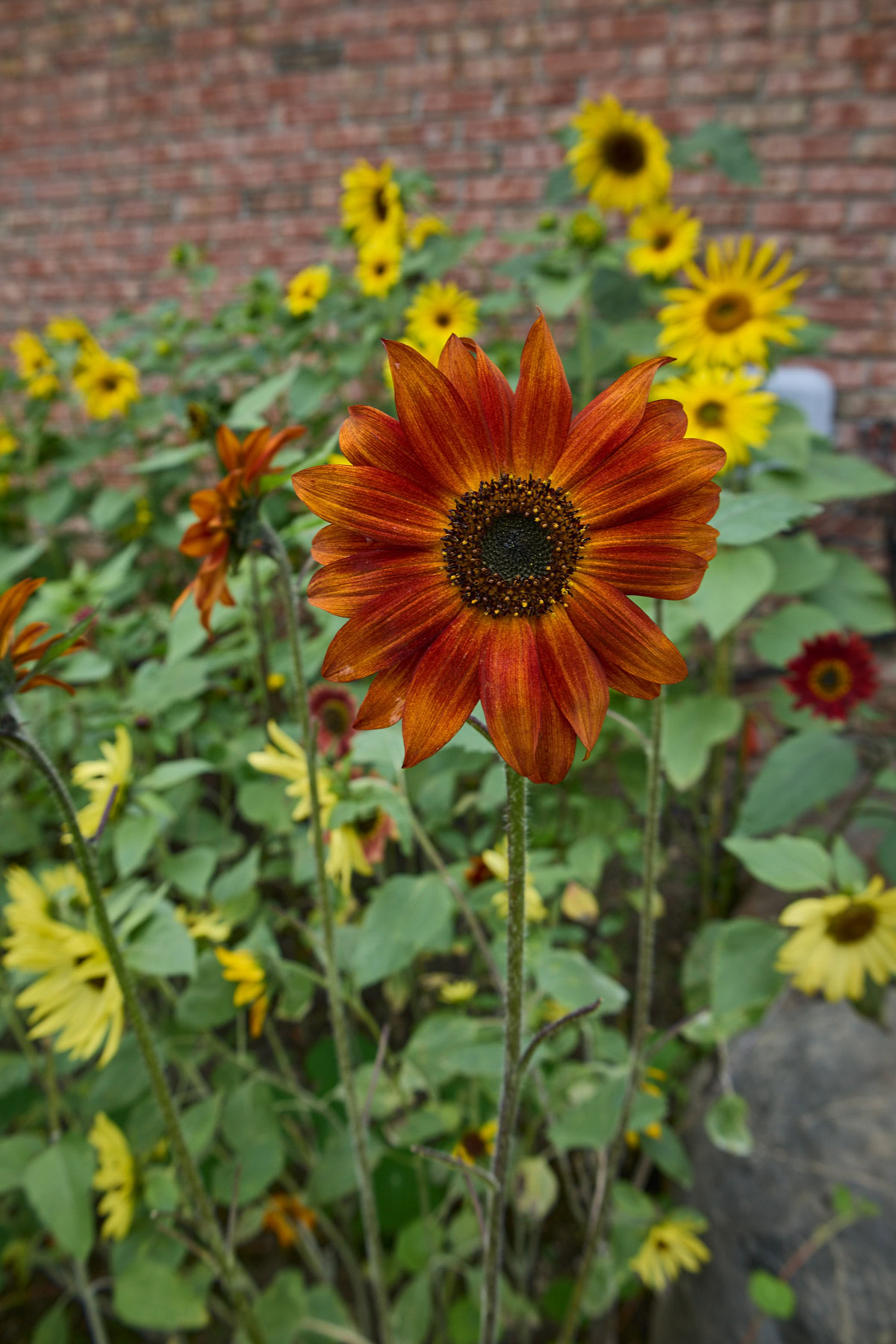
Also, there's not much maintenance involved in growing these majestic flowers, other than possible staking if you have some lone tall stems. I find that it helps to plant several of them together, so they have one another to lean on.
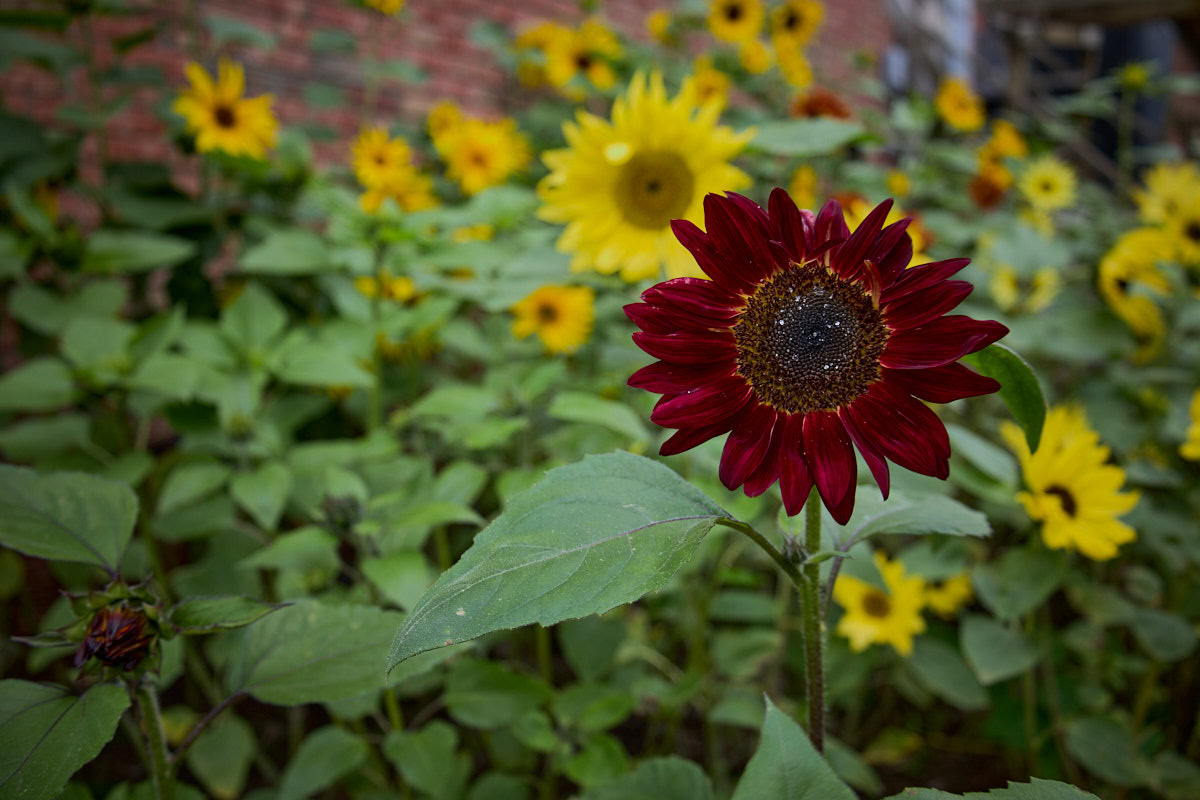
Two years ago, I planted an entire garden bed with sunflowers. And I was devastated when every single plant was suddenly eaten in half by deer overnight. But I had the last laugh. I'd expected to lose the entire crop, and just didn't get around to quickly pulling up the stumps.
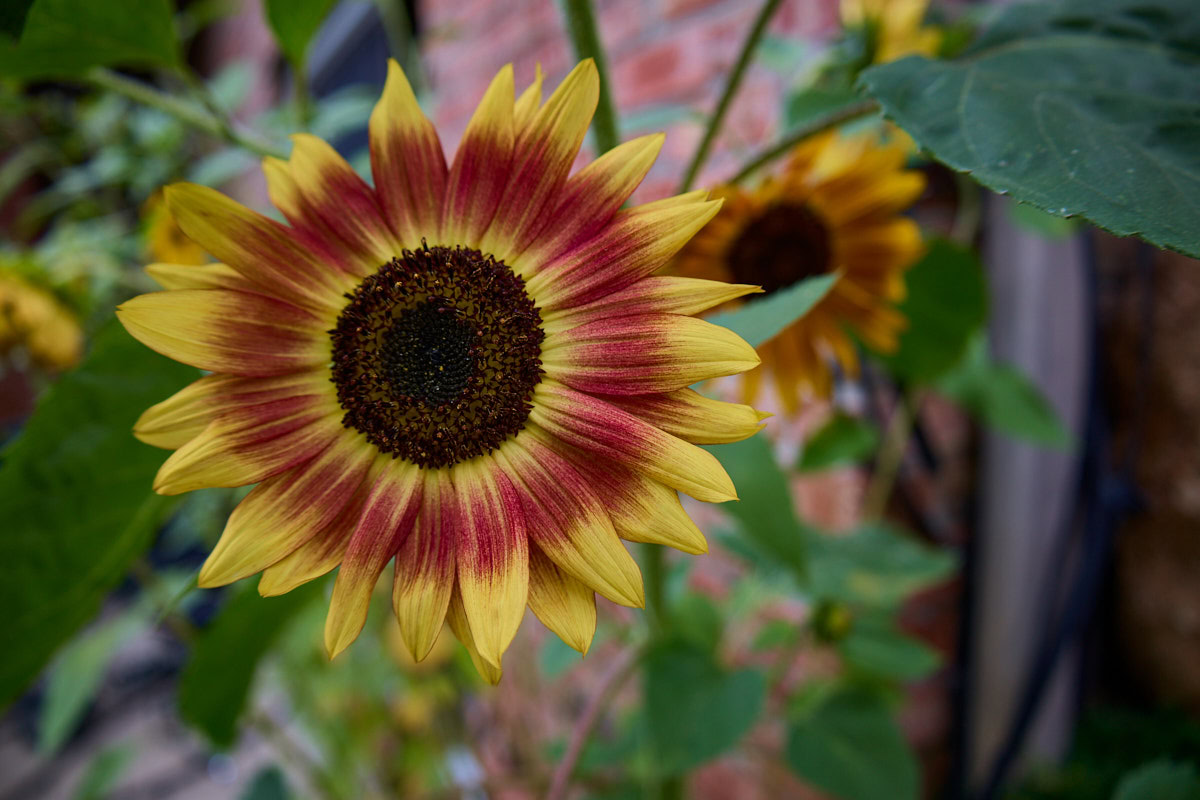
But then said stumps didn't actually die. And much to my surprise, they started to regrow.
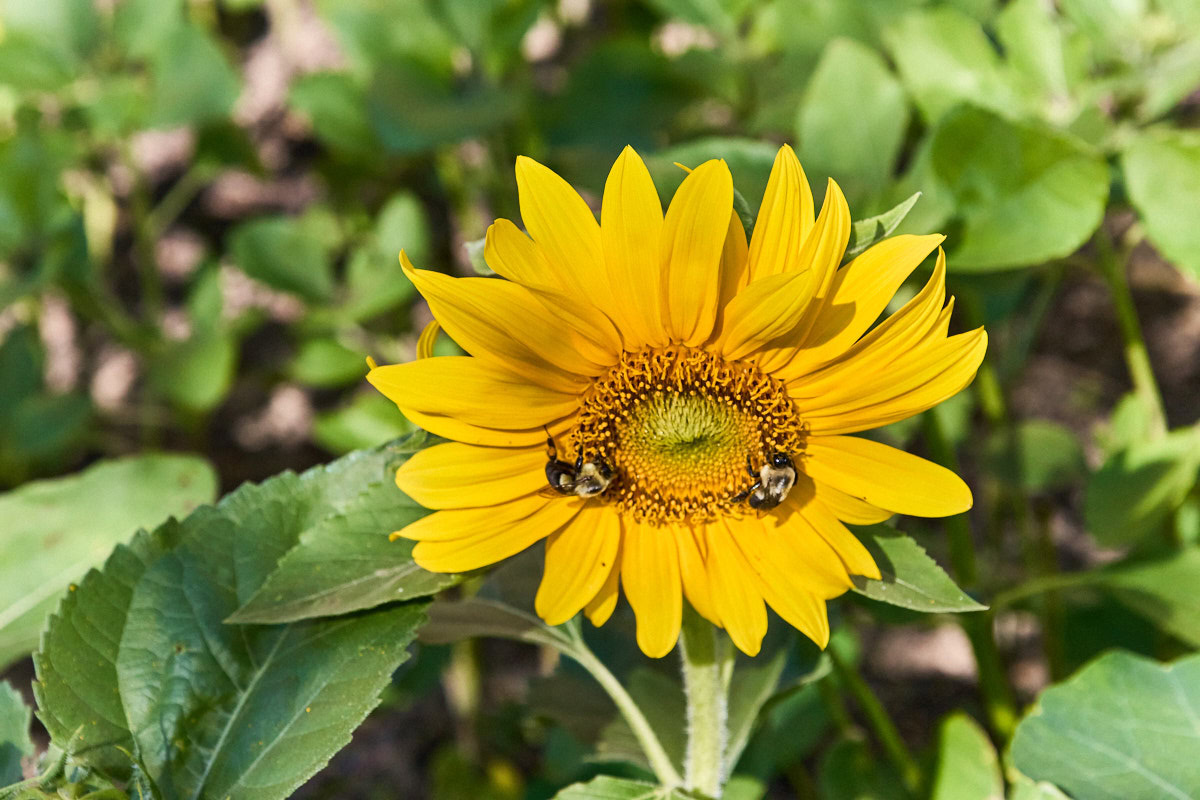
And by the end of the summer, I ended up still having my gloriously beautiful sunflower blooms, just at half their normal height. (In fact, the photos above with multiple sunflowers are from that time.) And this year, I thankfully have some that have reached their full height unscathed and are starting to bloom.
🥬More garden posts
Thanks so much, as always, for being here with me in the garden. If you'd like to see how this season has been unfolding, please check out my other herb, vegetable, and flower garden blog posts from recent weeks and months:
How I Planted 28 Heirloom Potato Varieties
How I Grow Nearly 300 Culinary Herbs in My Garden
Early Summer Crops in My Garden: An Herb and Vegetable Tour
12 Life Lessons from the Garden
My Gardening Mistakes Plus Herbs Veggies and Flowers
Herbs, Vegetables, and Flowers in the Summer Garden
21 Types of Heirloom Garlic and Rare Garden Crops
🥕Upcoming adventures in the garden
There are so many more exciting things coming up that I'll also be sharing:
- Mint: I'll be smelling, tasting, and photographing the 54 types I'm growing this year. Hopefully I can wrangle some friends to come over and test them out with me again this year. There are so many fantastic varieties to show you!
- Potatoes: The 28 heirloom varieties from all over the world that I'm growing this year are nearly ready to harvest. I can't wait to dig them up, see them, and taste each type!
- Herbs: I have to get out there and taste them all, both the annuals and perennials. There's an endless number of delightful culinary and drink applications for using them. I'm so grateful to have these treasures in my garden.
- Scented geraniums: These are some of the most gorgeously-fragrant plants I've ever encountered. I have 26 types this year, several of which are new to me. They make the most amazing simple syrups, and there are so many ways to enjoy them in drinks and in baking.
- More edible flowers: I'll also document the flavors of several beautiful, endearing, and delicious blooms.
- Recipes on the blog: Please also stay tuned for more homemade botanical liqueurs and cocktails, as well as more tantalizing plant-based recipes from around the world that are straight from the garden. 🌱
As always, I'm so very grateful to have you here with me.
✨More from the garden and kitchen
Looking for more heirloom gardening posts and plant-based recipes with the harvest? Try these:

✏️How is your garden growing?
I'd love to hear. Please let me know in the comments below!

Leave a Reply