
🌱It's a stunning time in the garden, with blooms, worldwide herbs, delightfully intertwined "two sisters" pole beans and amaranth, plus an update on Phil the rutabaga's story of challenge and triumph! I'm filled with gratitude for the abundance in the garden right now. I have some real knockouts to share with you. Here's a look at An Abundant Garden of Flowers, Herbs, and Vegetables!
Jump to:
- 🏵️Nasturtiums
- 🌻Sunflowers
- 🪻Lavender
- 🌺Cockscomb & celosia
- 🌺Lagos spinach (Nigerian spinach, efo shoko)
- 🌼More annual flowers in the garden
- 💜Butterfly pea
- 💐Bee balm (also known as bergamot, monarda)
- 💛Echinacea
- 🩷Yarrow
- 🌿Borage
- 🌍Culinary herbs from around the globe
- 🍃Scented geraniums (pelargoniums)
- 🫘"Two Sisters" happy accidental planting with amaranth and beans
- Phil the rutabaga: challenge and triumph
- ✨More from the garden and kitchen
- ✏️How is your garden growing?
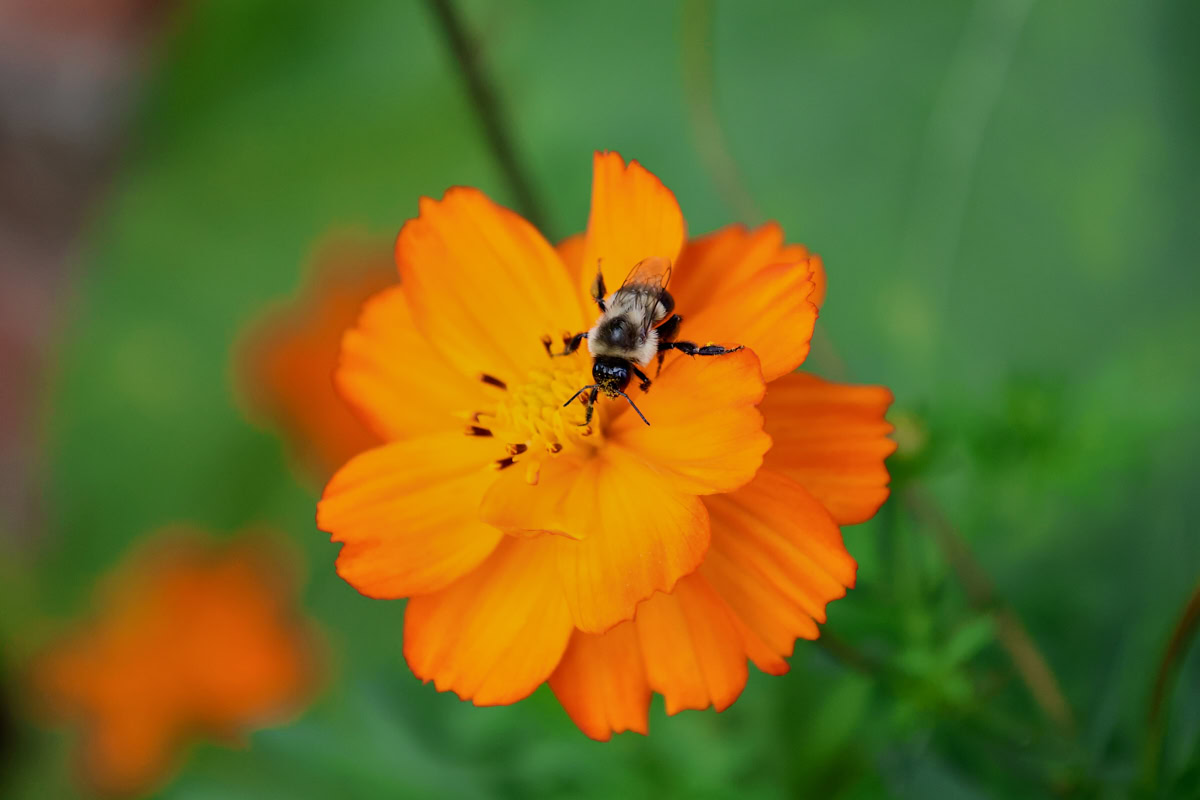
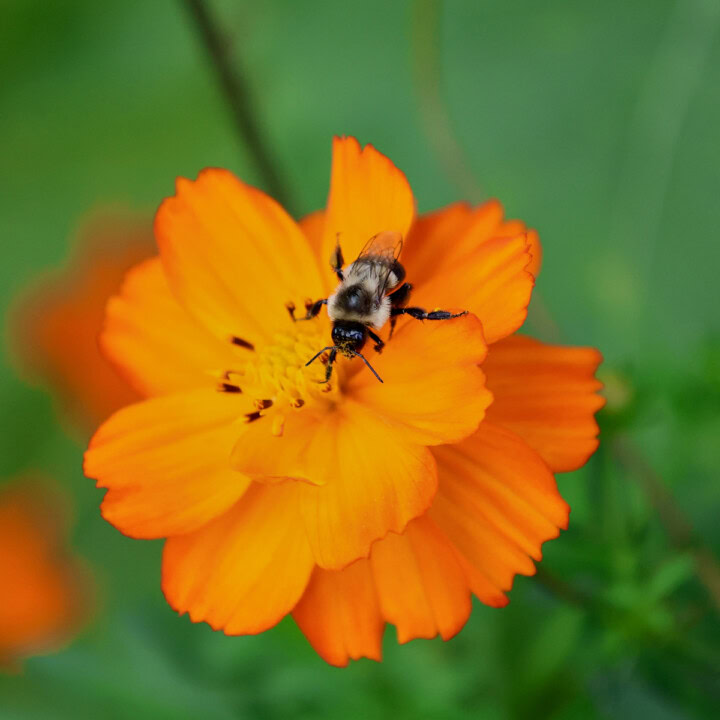
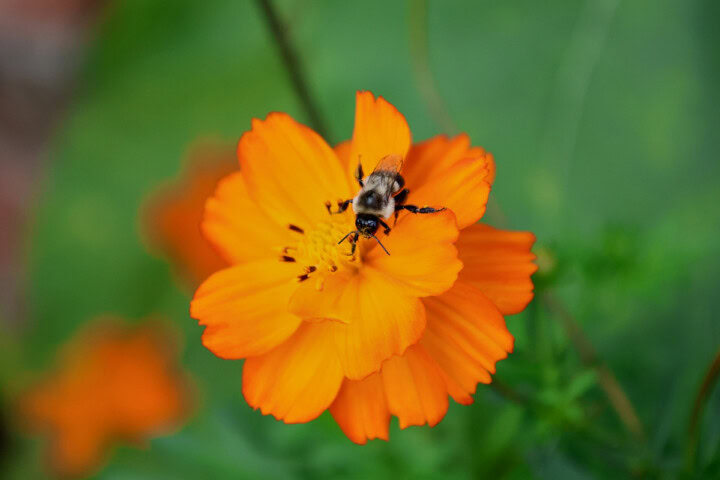
This adorable bee has pollen all over his face and legs from visiting this cosmos flower.
I love that I can go out into the garden any time these days and be surrounded by fuzzy and diligent pollinators. I feel comforted by their companionship while I tend my plants. And I'm rueful that these days won't last long. I'm getting the most out of summer for as long as I can.
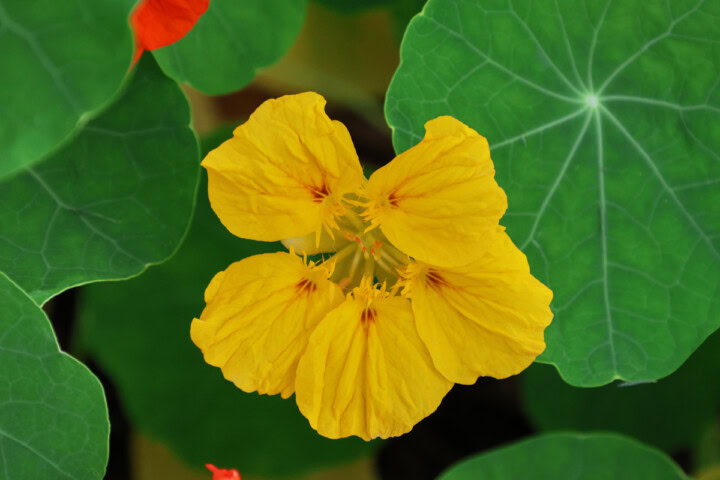
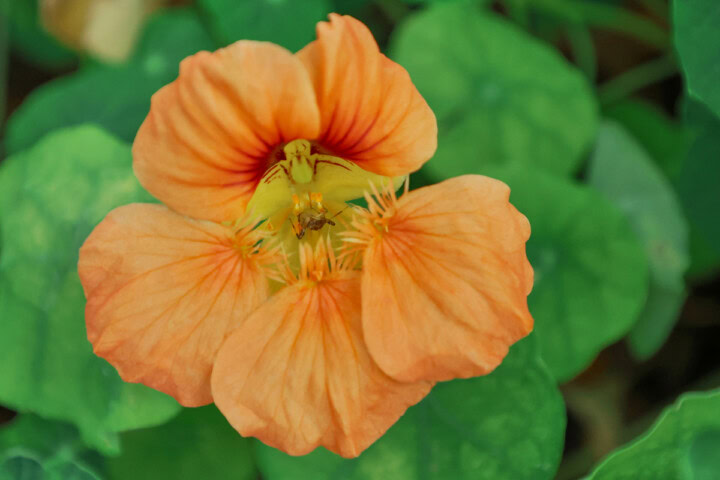
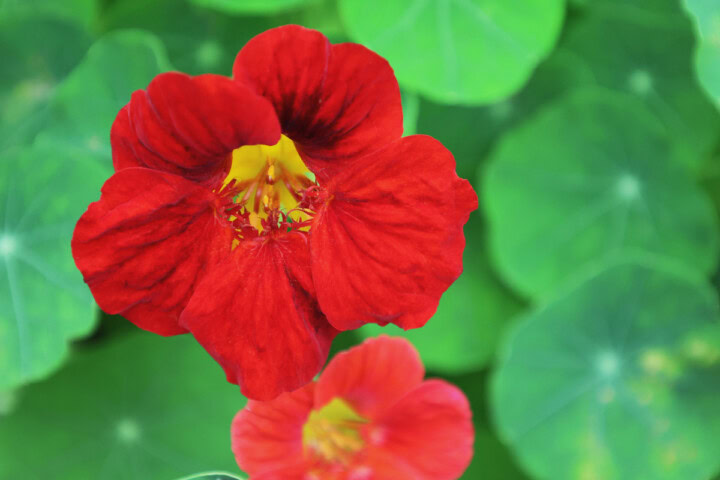
🏵️Nasturtiums
I was shocked to read in a social media group today for my USDA 6a hardiness growing zone that gardeners nearby have been ripping out their nasturtiums and proclaiming them to be invasive!
I've enjoyed these incredible blooms and leaves for decades, and would never have categorized them this way. Sure, they spring into vivacious action in late summer, covering the beds in their bejeweled and delicious blooms. (The showstopping stop sign-shaped leaves are edible too!)
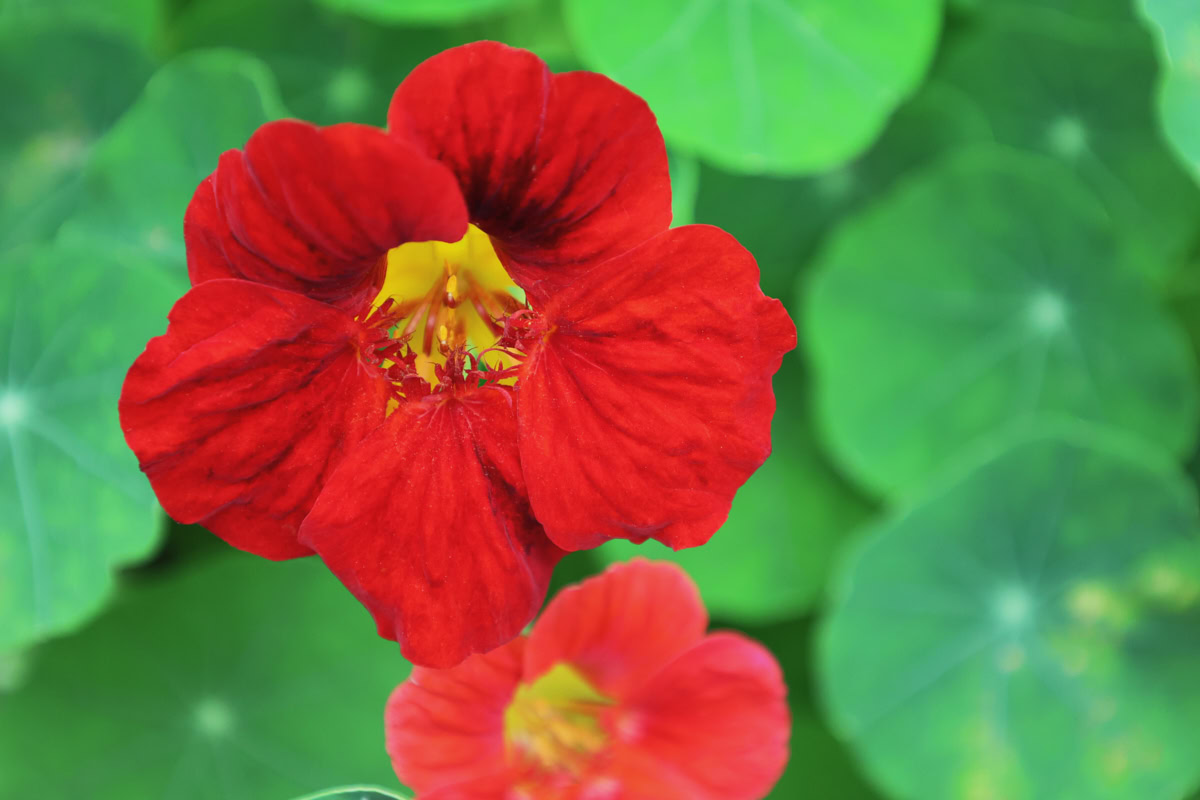
I suppose it's a matter of perspective, and of anticipating how much room these wonderful plants will need to sprawl when they really get going. They're wonderful to see in their glory at the end of the summer when most flowers are totally spent.
I've filled several landscaping beds with nasturtiums this year, adding them to my ramps bed (after the ramps had died back for the year) and also interspersed among some shrubs in other beds.
I planted them as seeds in late spring, and my back eventually recovered. But not until I had sufficiently hobbled around in pain, swearing I'd never spend a whole day planting thousands of seeds again!
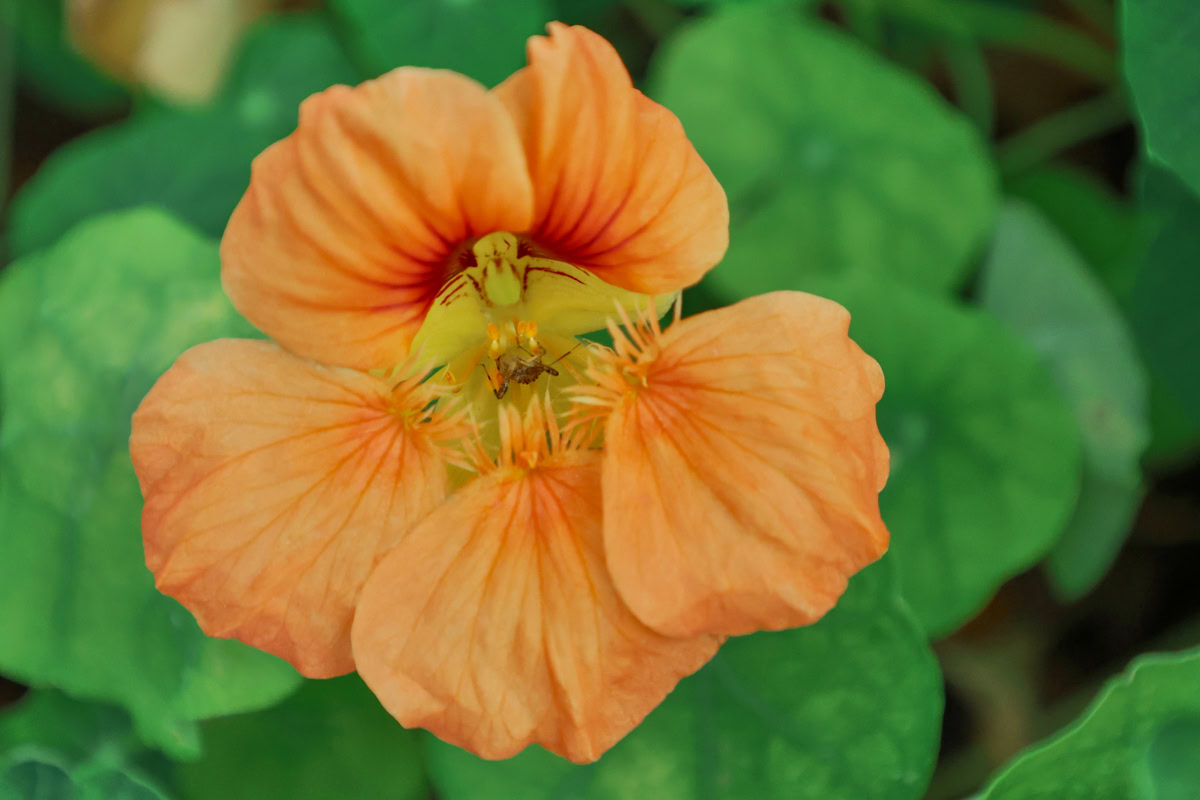
The kids and I used to collect the large fallen seeds in late fall each year, each one looking like an adorable little brain (sometimes with its "helmet" attached, and sometimes with this layer worn away, revealing the mesh netting on the seed itself). It was like a treasure hunt, and my son recently told me how much he had looked forward to doing this together every year. This was so special to hear.
But after a year when we hadn't managed to get out there and collect the seeds before winter to replant the following spring, I was so pleasantly surprised to find that nasturtiums can reseed themselves just fine. This was such a happy discovery!
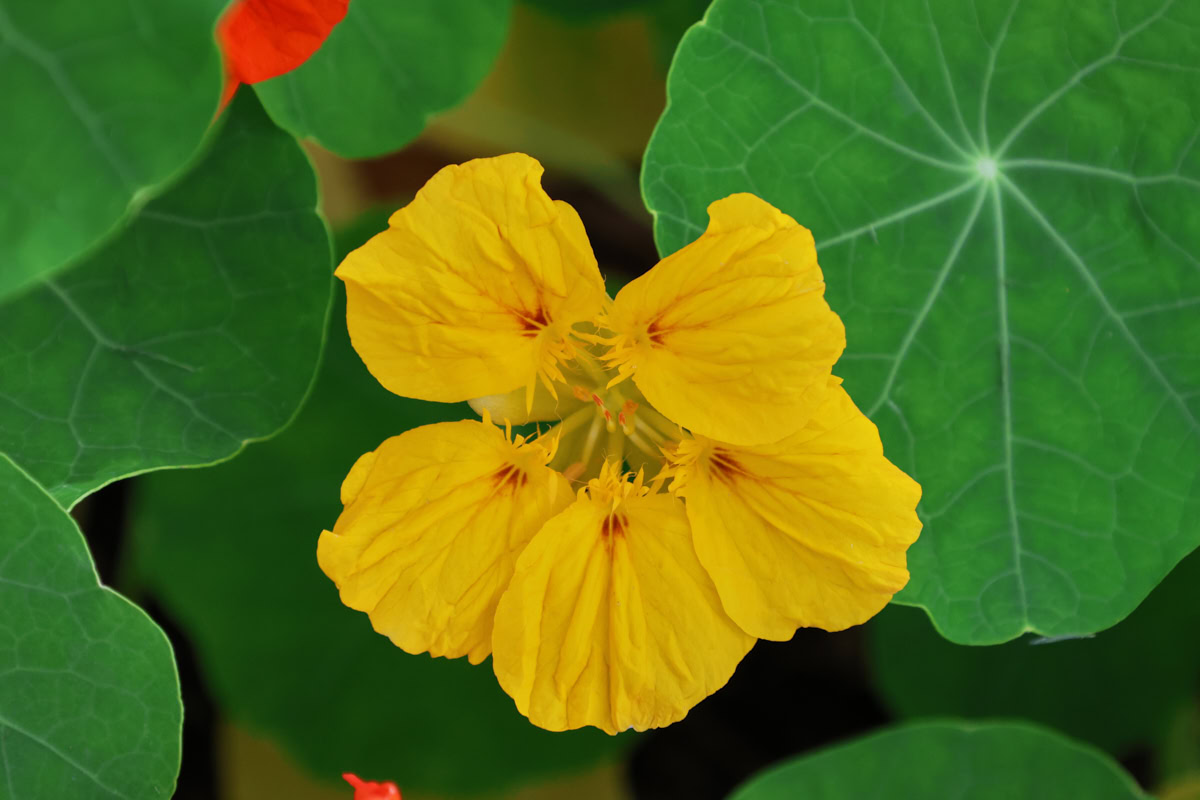
So now I can expect to find these guys in my landscaping every year, while maybe adding in some new varieties when I see some irresistible ones, planting them in the bare spots. And with barely a strain on my back this time, since the lion's share of the planting work is already done.
I truly love these flowers, and I just have to have them somewhere in my garden every year.
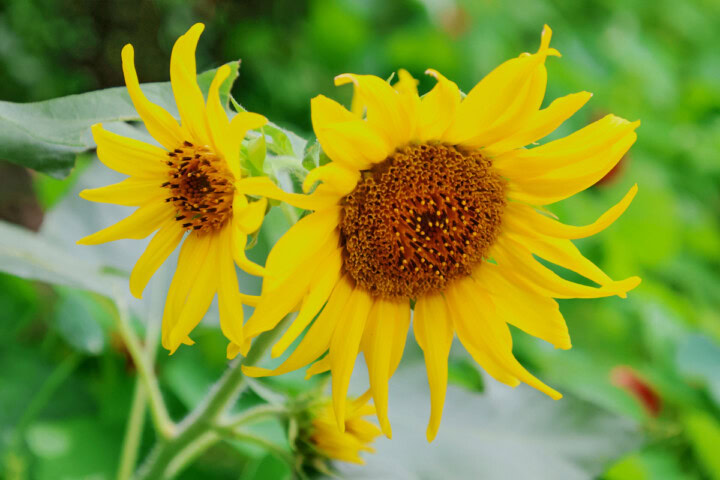
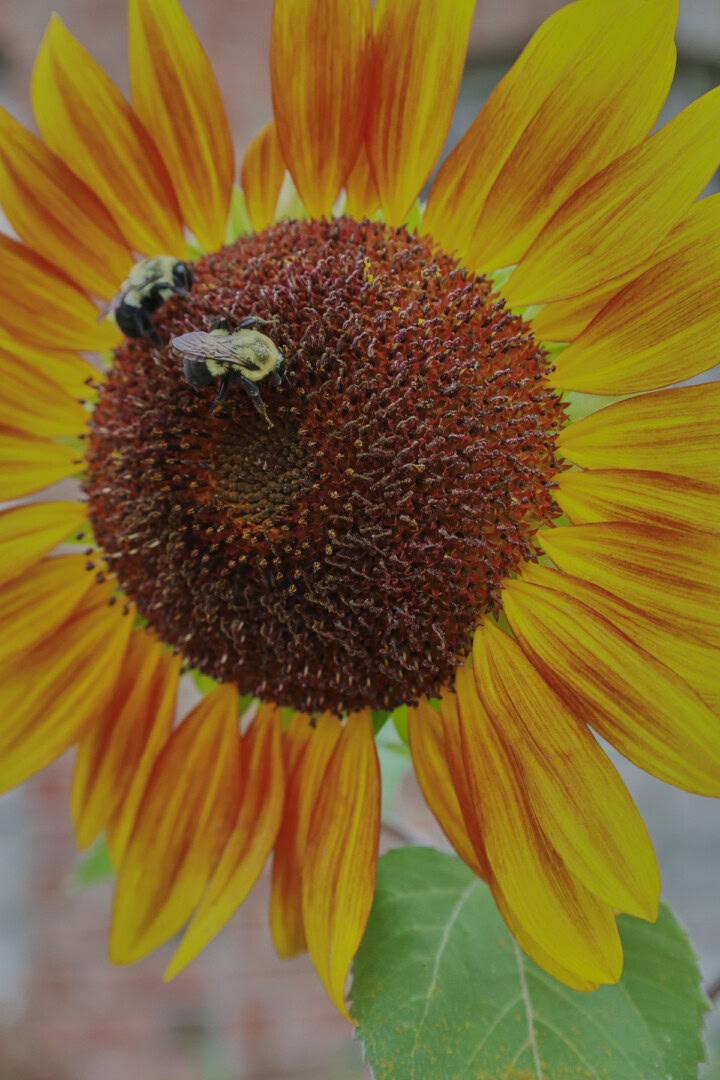
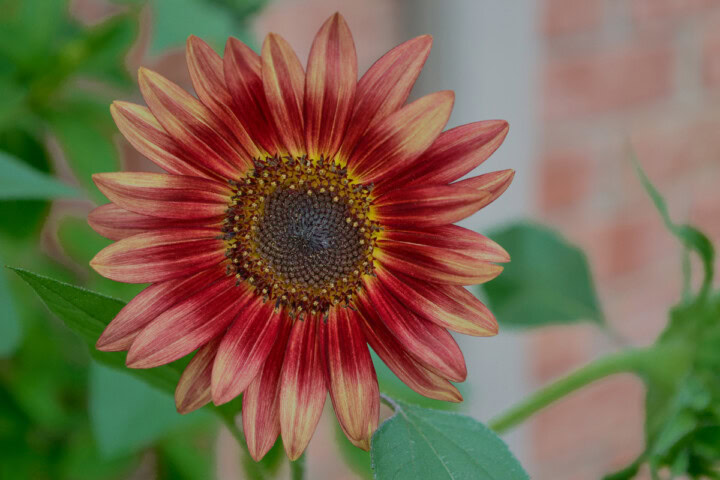
🌻Sunflowers
These knockouts are so easy to plant in the spring, sowing them as seeds directly in the ground. And for such an amazing late summer reward!
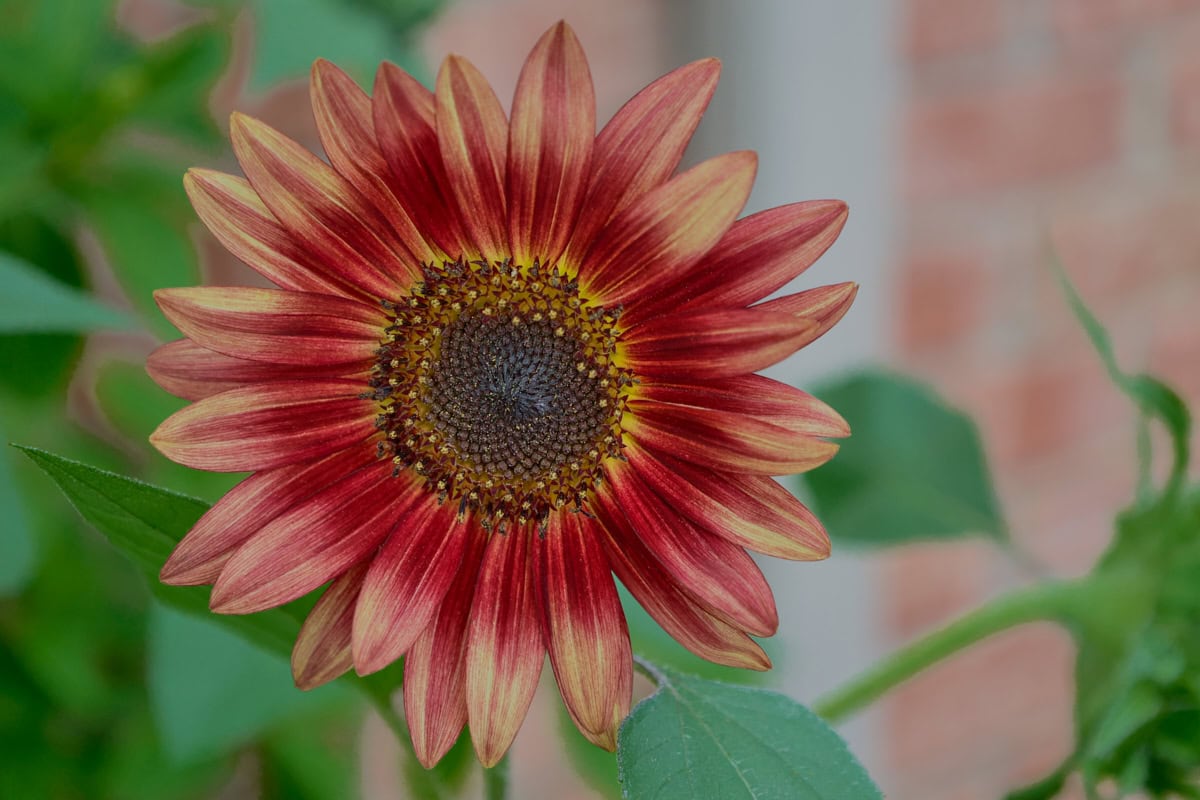
I wrote in my recent post 🌱Summer Garden Harvest: Vegetables, Herbs, and Flowers about the time two years ago when my entire bed full of sunflowers was decimated by deer overnight. (And there are also more nasturtium photos in that newsletter as well.)
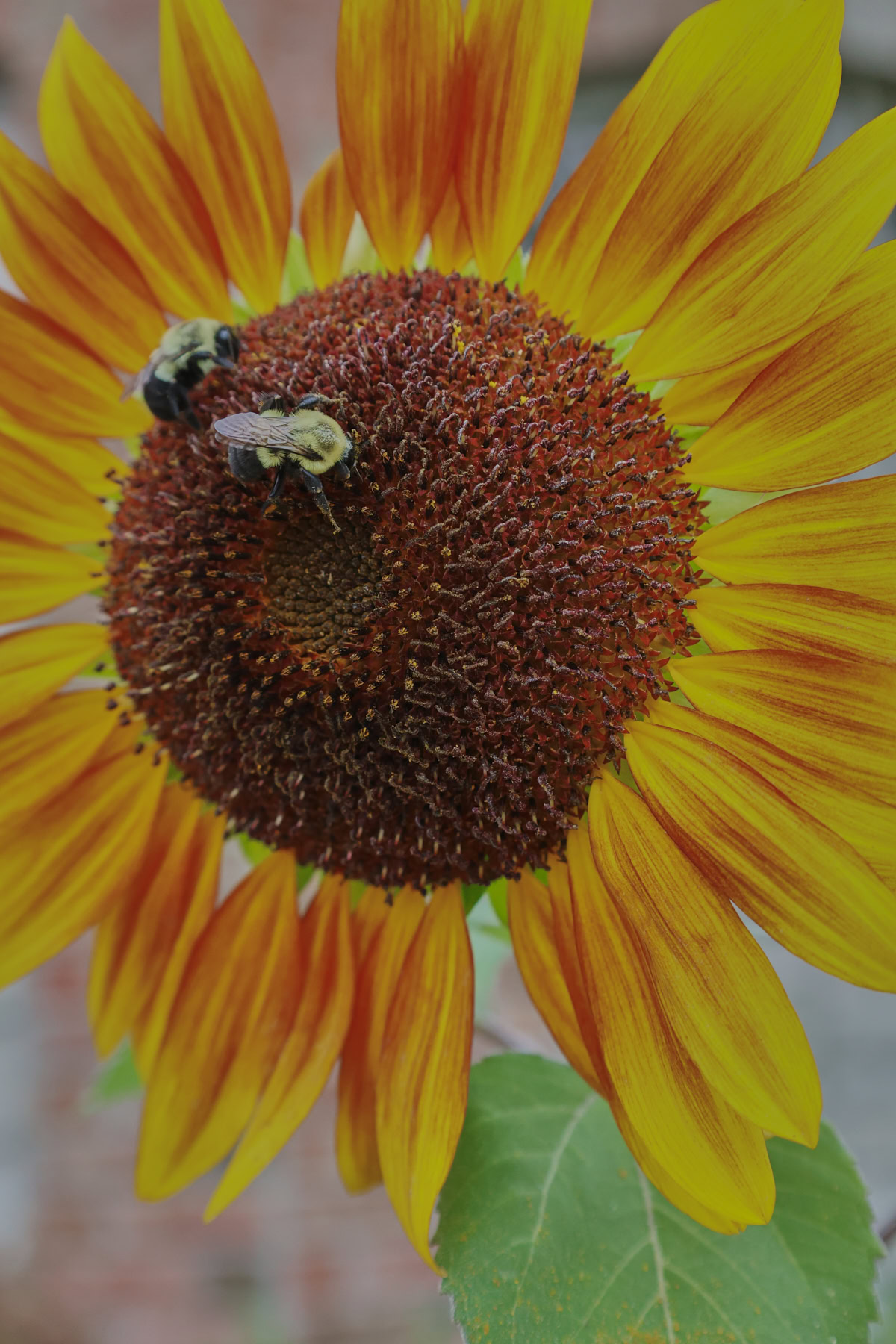
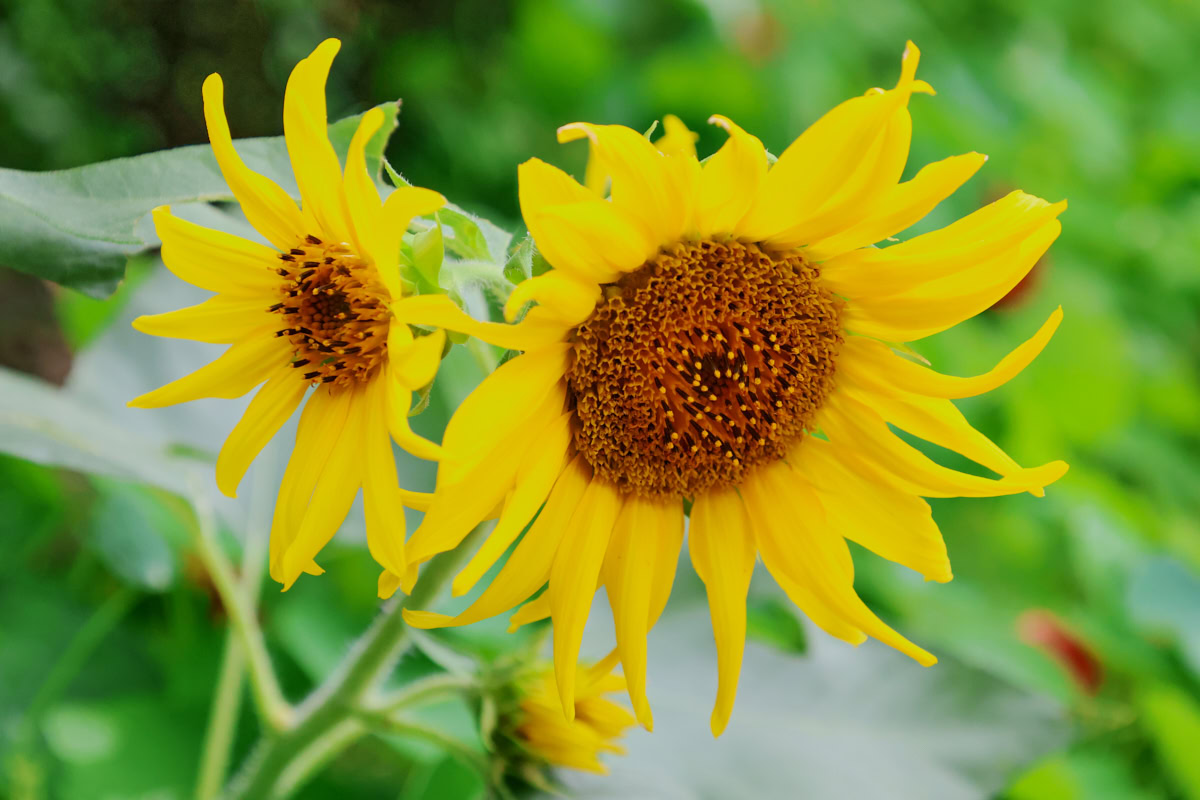
Thankfully, I learned a powerful lesson that year about these tenacious blooms. When I hadn't yet found the time to pull out the eaten stems, they managed to spring back from a complete decapitation. They still managed to come back and share their thrilling blooms with me, albeit at half the height. (I didn't mind a bit!) Such a strong and majestic garden flower.
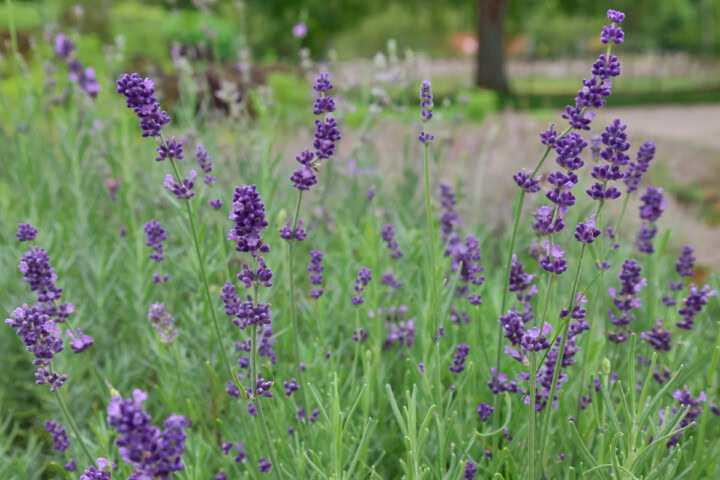
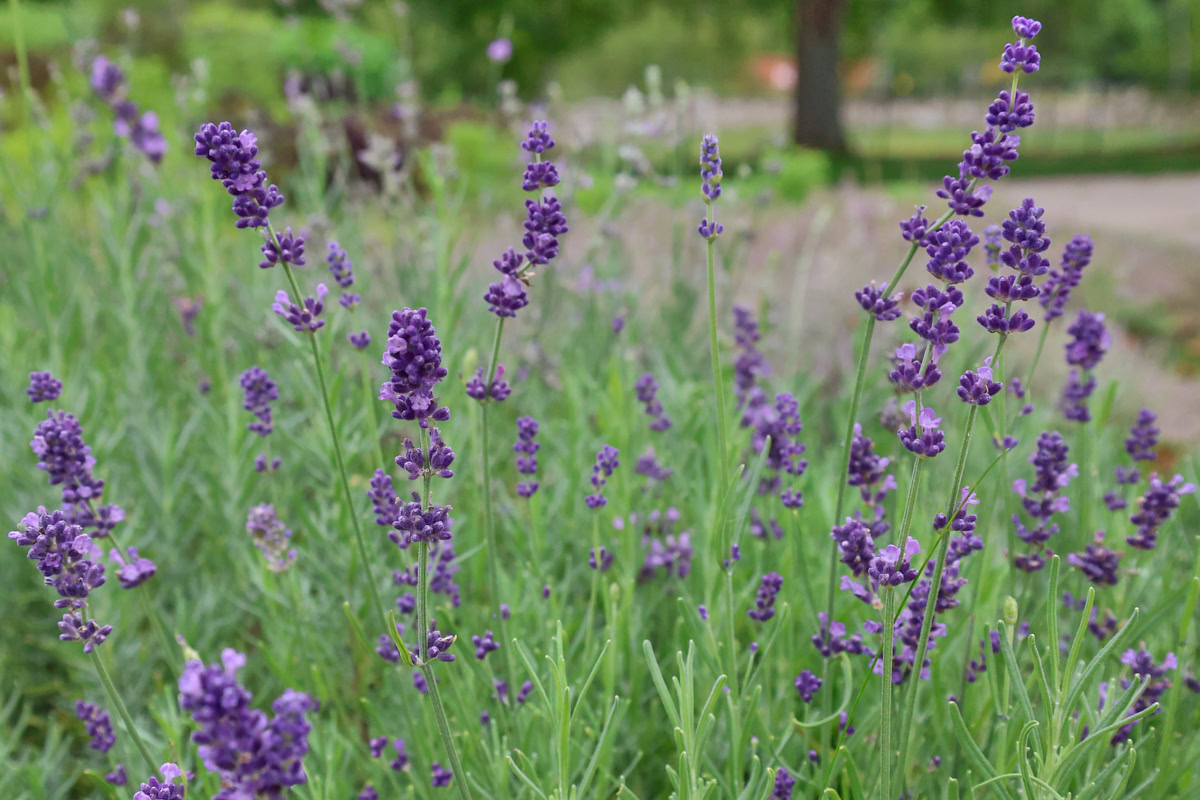
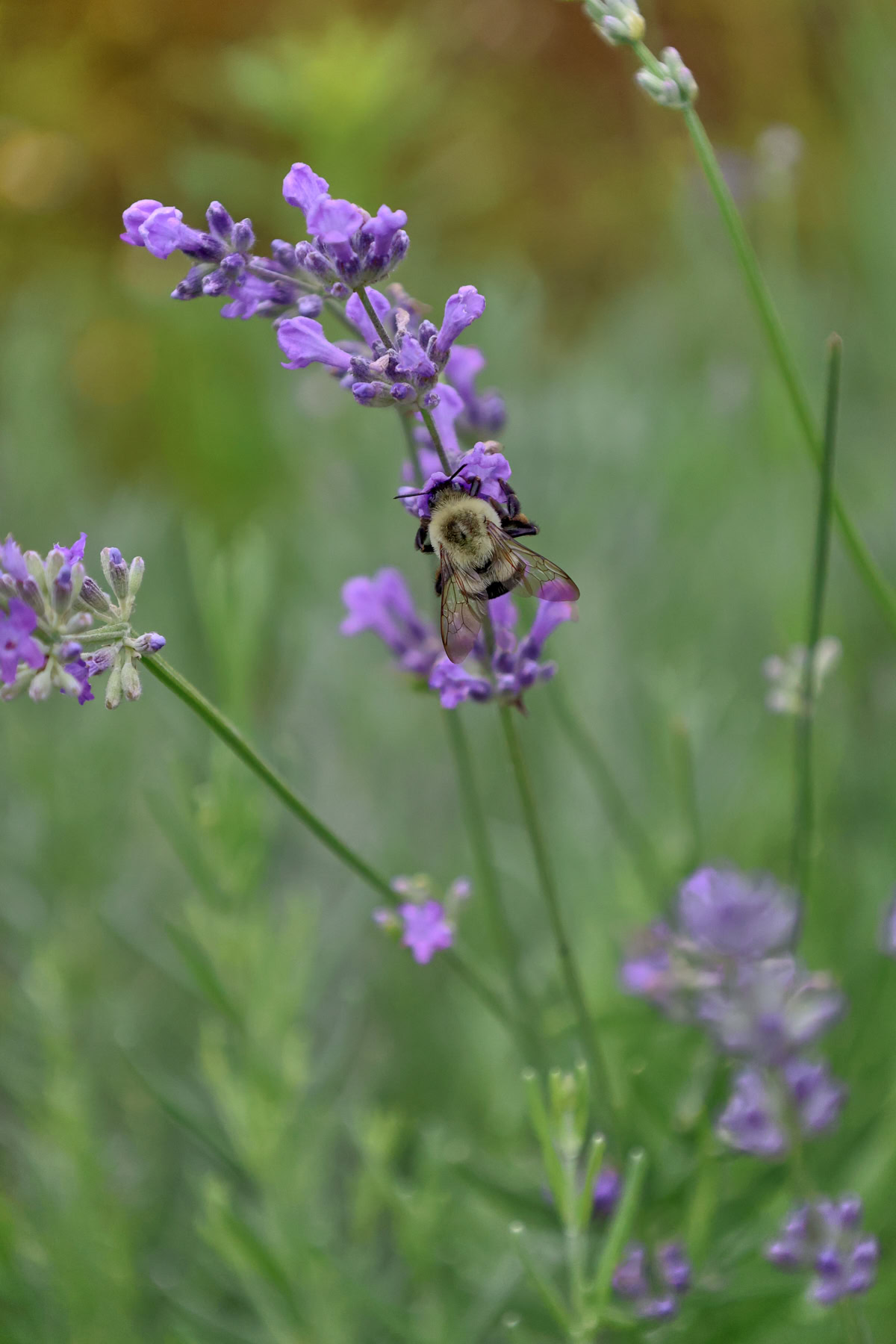
🪻Lavender
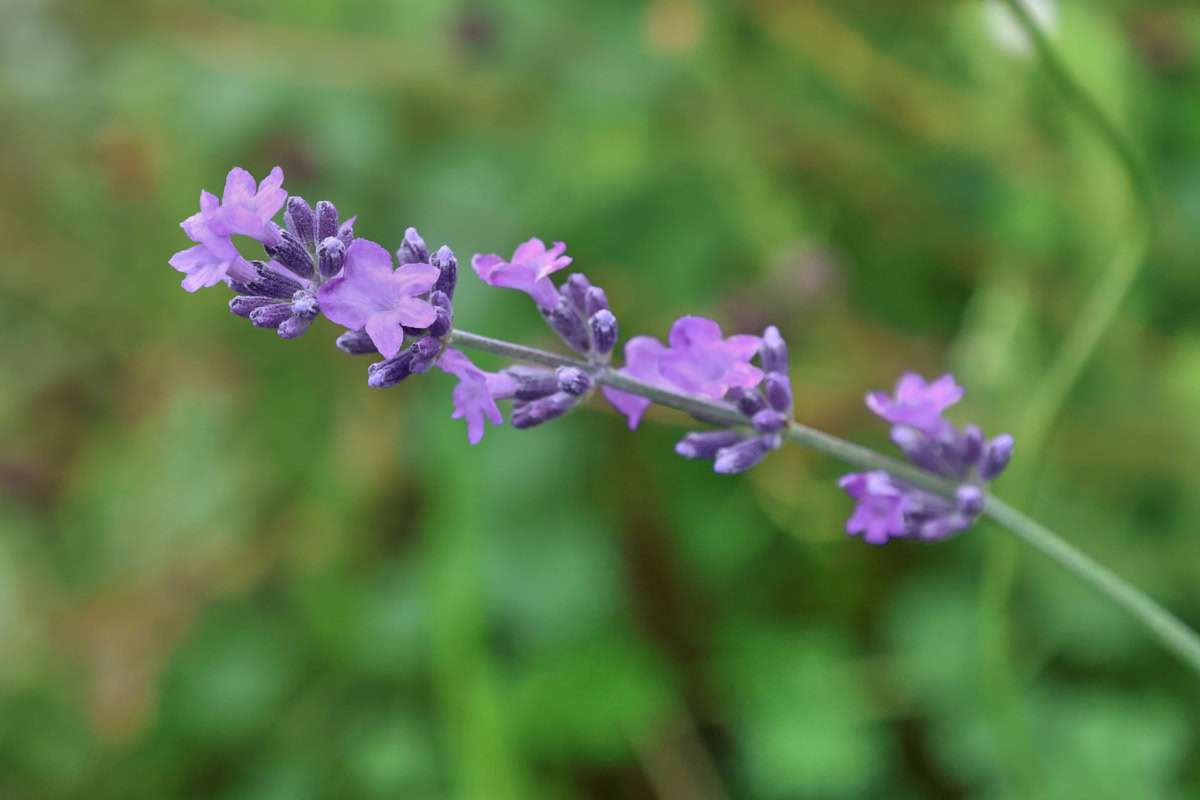
This treasured plant is considered both a flower and an herb. I'm adding it here with the flowers today since they've just obliged me with this really beautiful second summer flush of blooms.
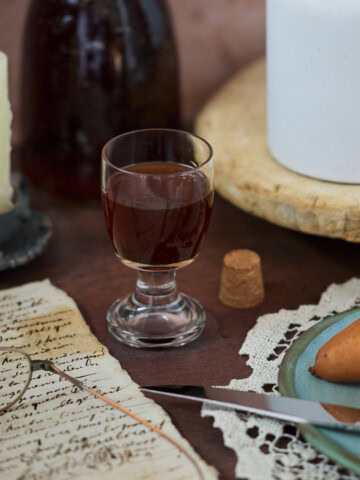
I've just published a blog post with these fragrant flowers for my homemade Lavender Liqueur Recipe (Liqueur de Lavande). I've just made my second batch of it this year, after last year's batch turned out to be a wonderfully sweet and fragrant sip of Provence in a glass.
And I've created a fabulous French-inspired Lavande Vanille Royale Champagne Cocktail with which to add this homemade lavender liqueur. It has the addition of champagne and an enchantingly-fragrant homemade vanilla bean simple syrup. It's a really elegant and special one!
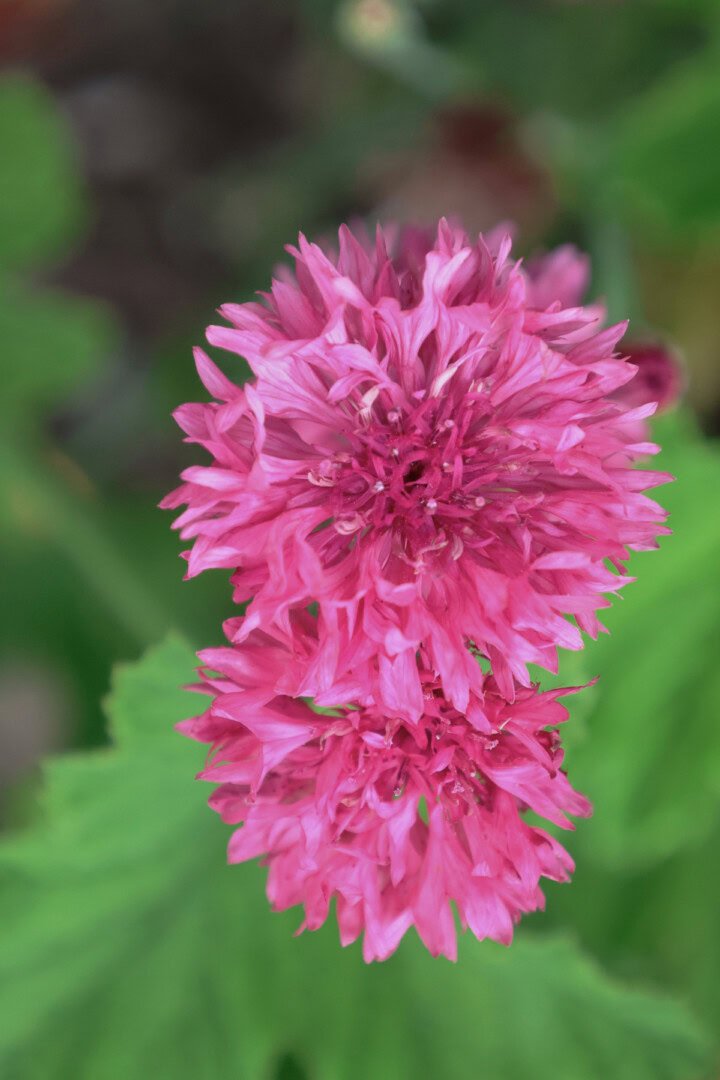
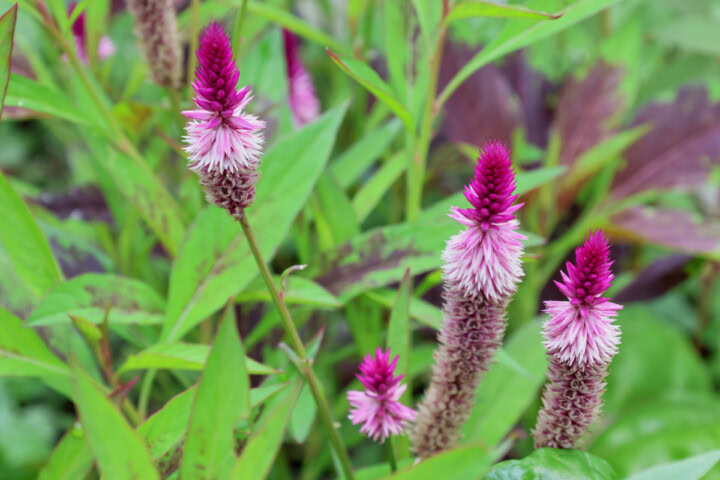
🌺Cockscomb & celosia
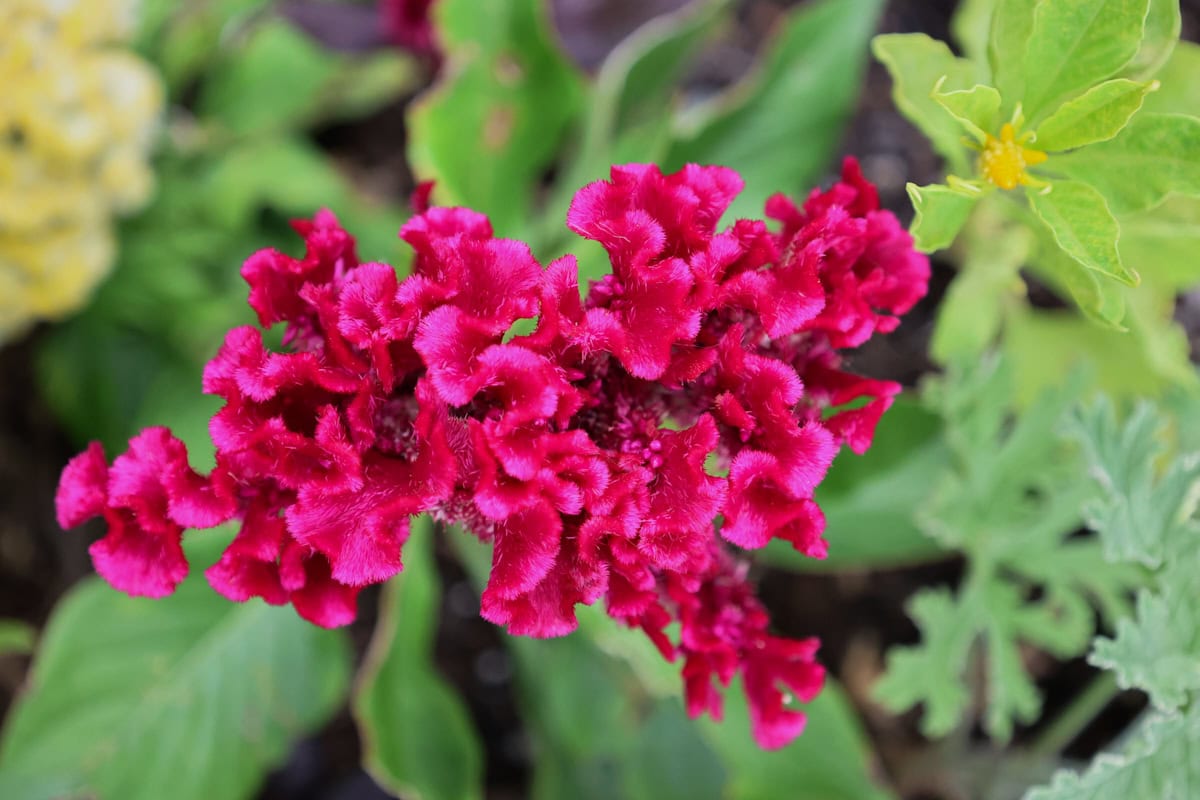
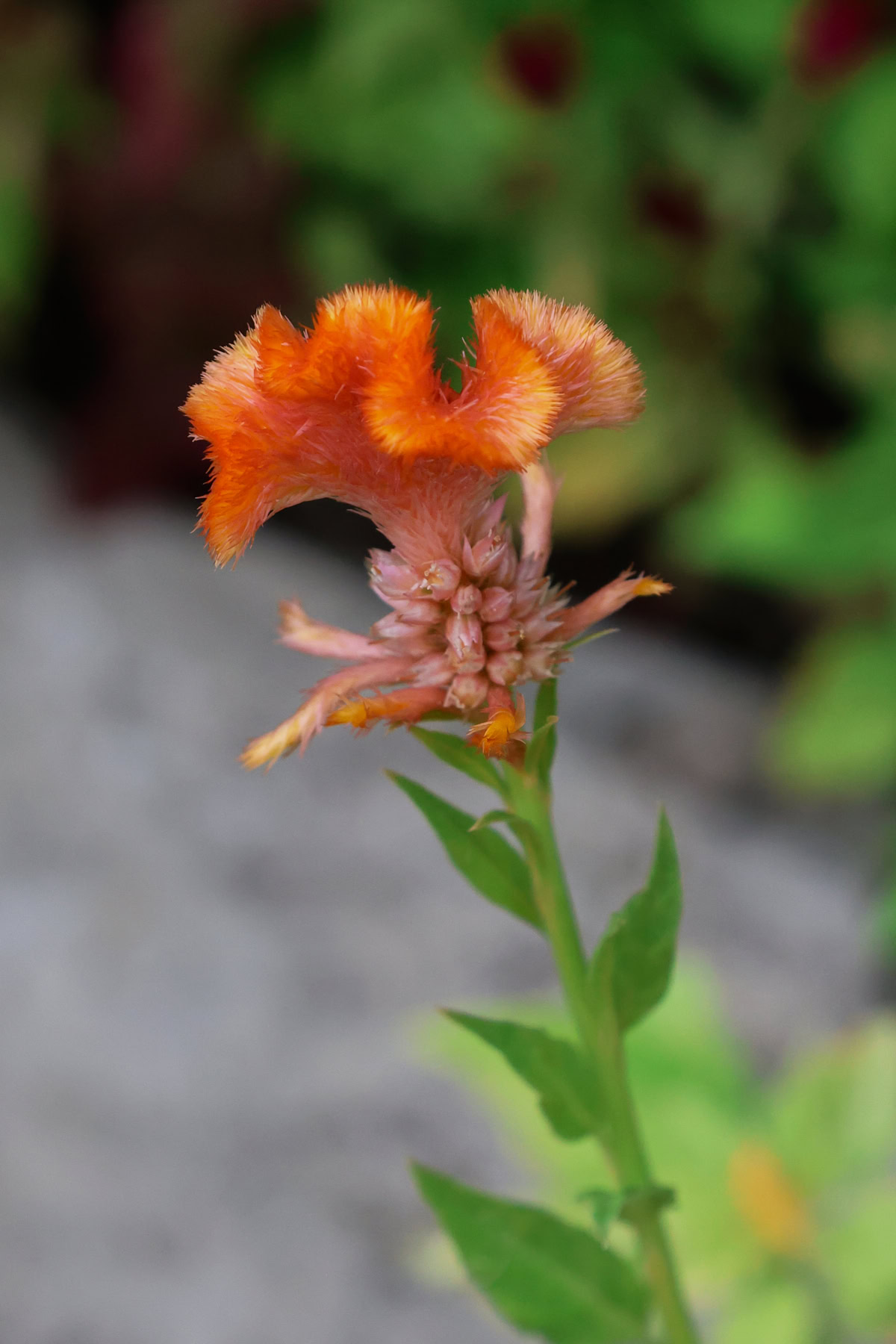
This is my first time growing these beauties, and the blooms do not disappoint! Plus, they're edible, and can lend their light botanical flavor to drinks and desserts. And the young leaves can be eaten as a green, having a spinach-like flavor.
I haven't managed to do this yet with my flowers. If any of you have used these blooms in culinary applications, please let me know in the comments below. I'd love to hear about it!
🌺Lagos spinach (Nigerian spinach, efo shoko)
I was originally going to add this variety to the veggie section. But it's a celosia, after all, like the flowers above. And this one is especially renowned for its use in the kitchen.
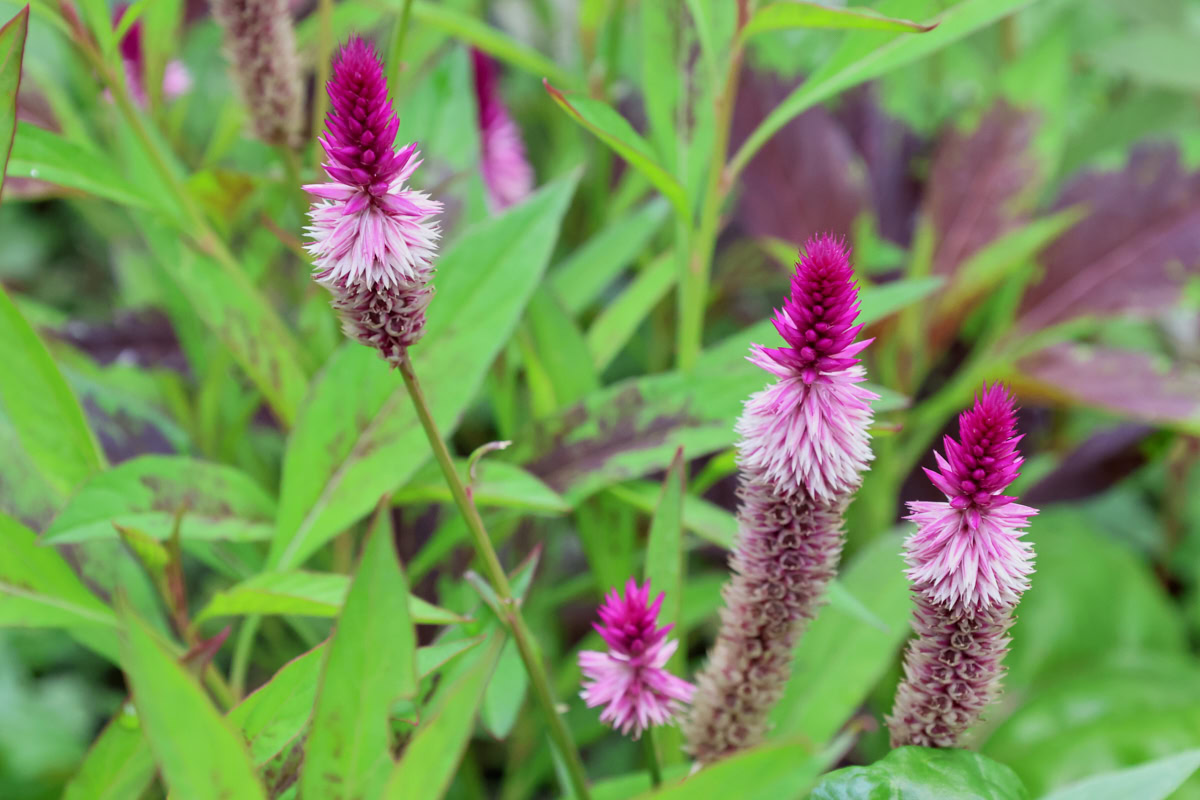
This important plant is revered for the use of its greens in traditional West and Central African as well as Indian and Indonesian cooking. It's added to a variety of dishes, including soups and stews. The leaves, stems, and flowers are all edible.
🌼More annual flowers in the garden
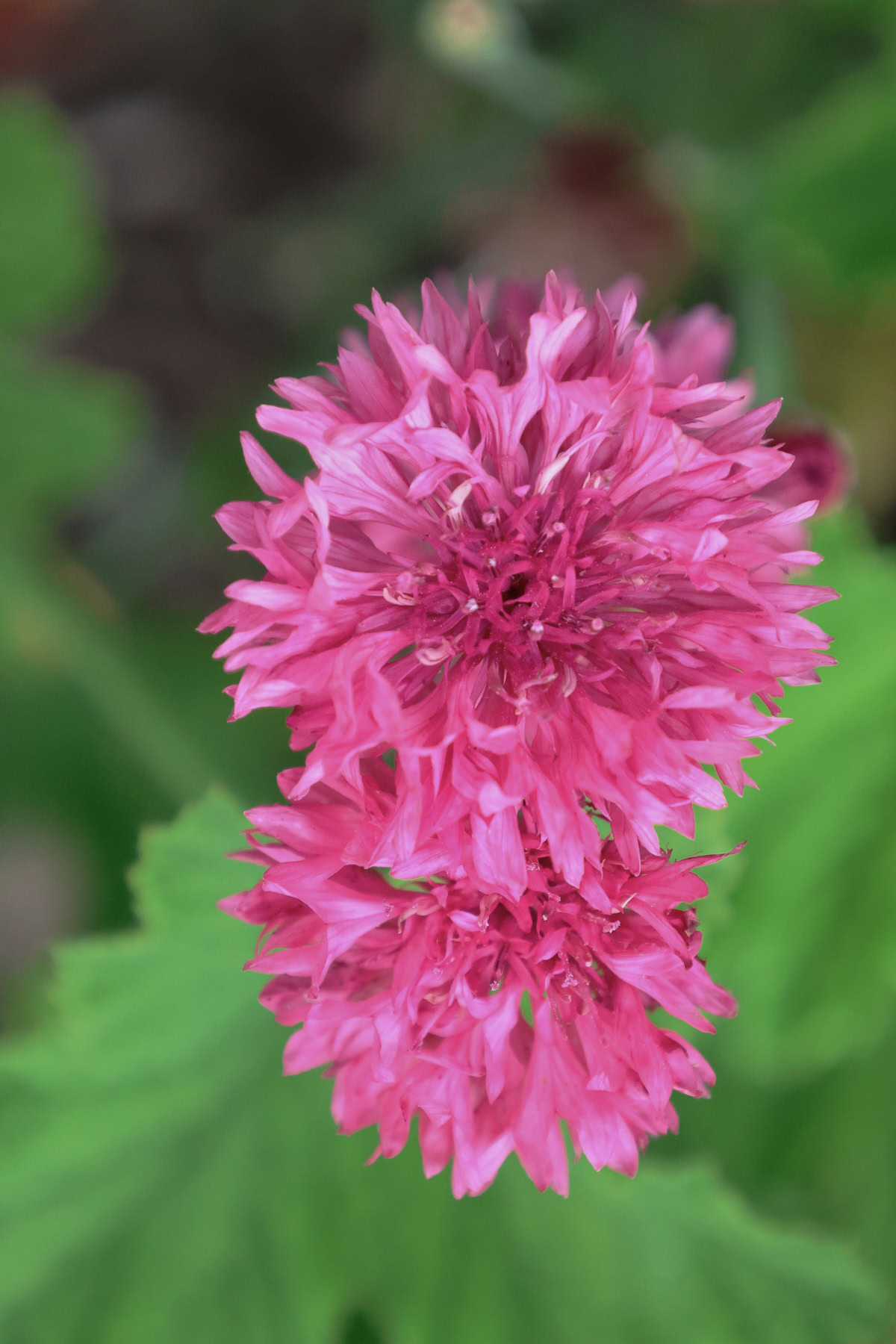
All of the following flowers are both gorgeously ornamental and edible. After gardening my entire life, blooms like these still leave me awestruck.
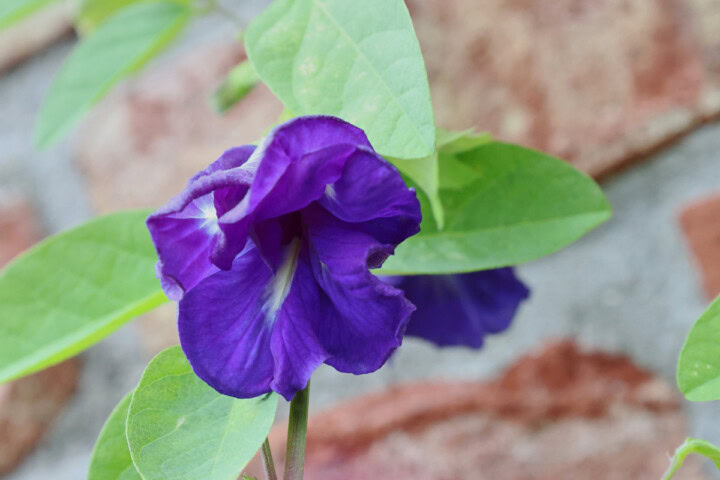
💜Butterfly pea
This bloom came up as a volunteer in a pot where I'd planted them last year. Butterfly pea blooms can add shockingly vibrant shades of violet and pink to tea, lemonade, and cocktails.
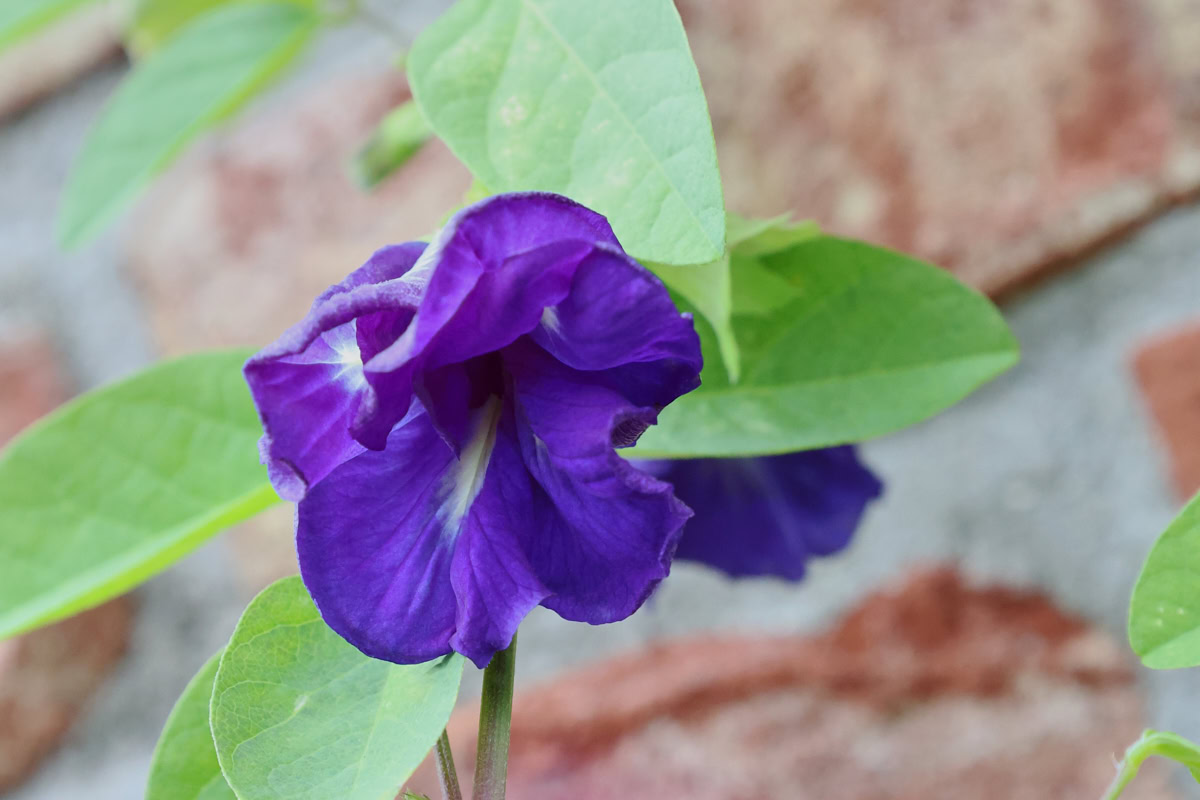
Alas, my US hardiness zone 6A climate is just too cold for these tender beauties. They only look healthy and vibrant for a few short weeks in summer.
Whenever there's a cool night, the leaves become yellowed and weak. I feel so sad for this exquisitely-colored flowering plant to see it struggle in search of more warmth than I can give it. Sigh.
💐Bee balm (also known as bergamot, monarda)
And now for some perennial flowers. Along with these enchanting bee balms below, I have some additional mildew-resistant varieties after learning my lesson the hard way. Last year I had a huge swath of my herb garden coated in white powder with mangled leaves and stems.
When that happened, I ripped out the worst offenders, and this year I replanted varieties with a combination of the highest resistance to mildew and (in my opinion) the most beautiful blooms. They are: grand marshall (shown below), Judith's fancy fuchsia, and purple rooster. And thankfully, I haven't had a single incidence of mildew this year. And my fingers are still crossed.
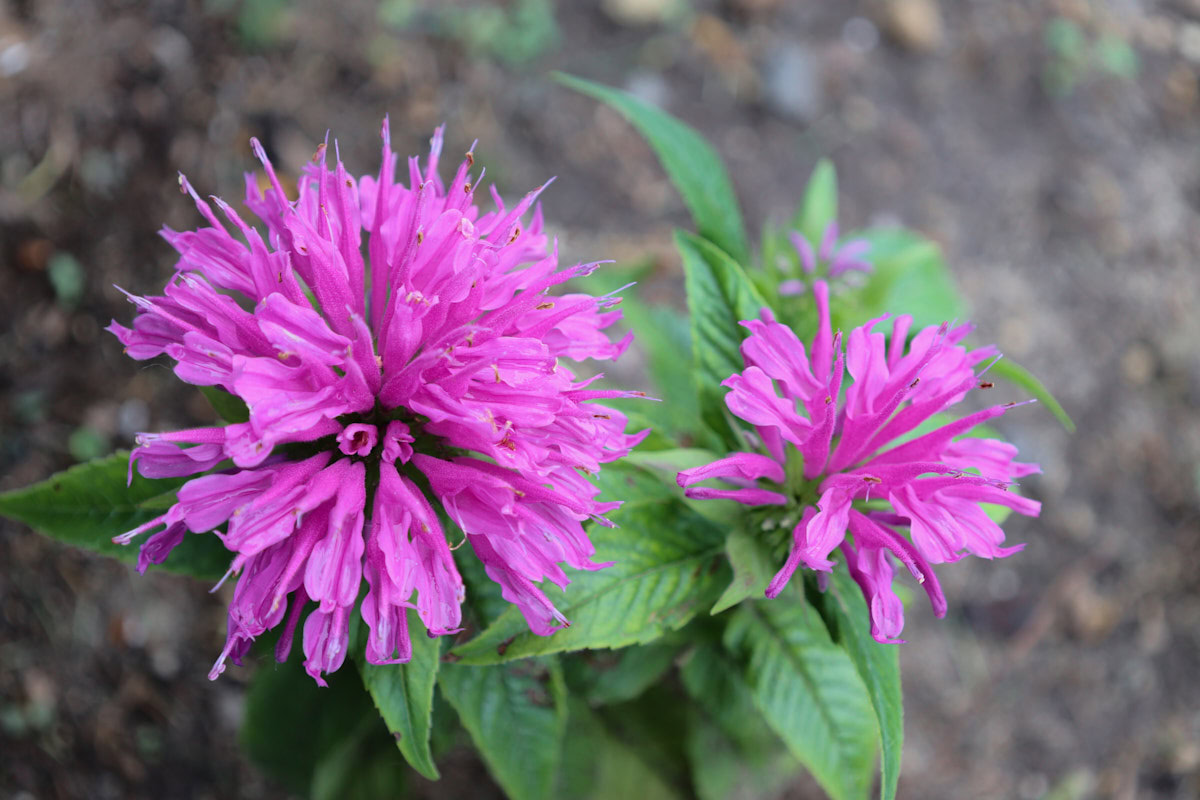
I did have one of the varieties that I had mercilessly ripped out reemerge like a phoenix this year, despite my best eradication efforts: rose-scented monarda:
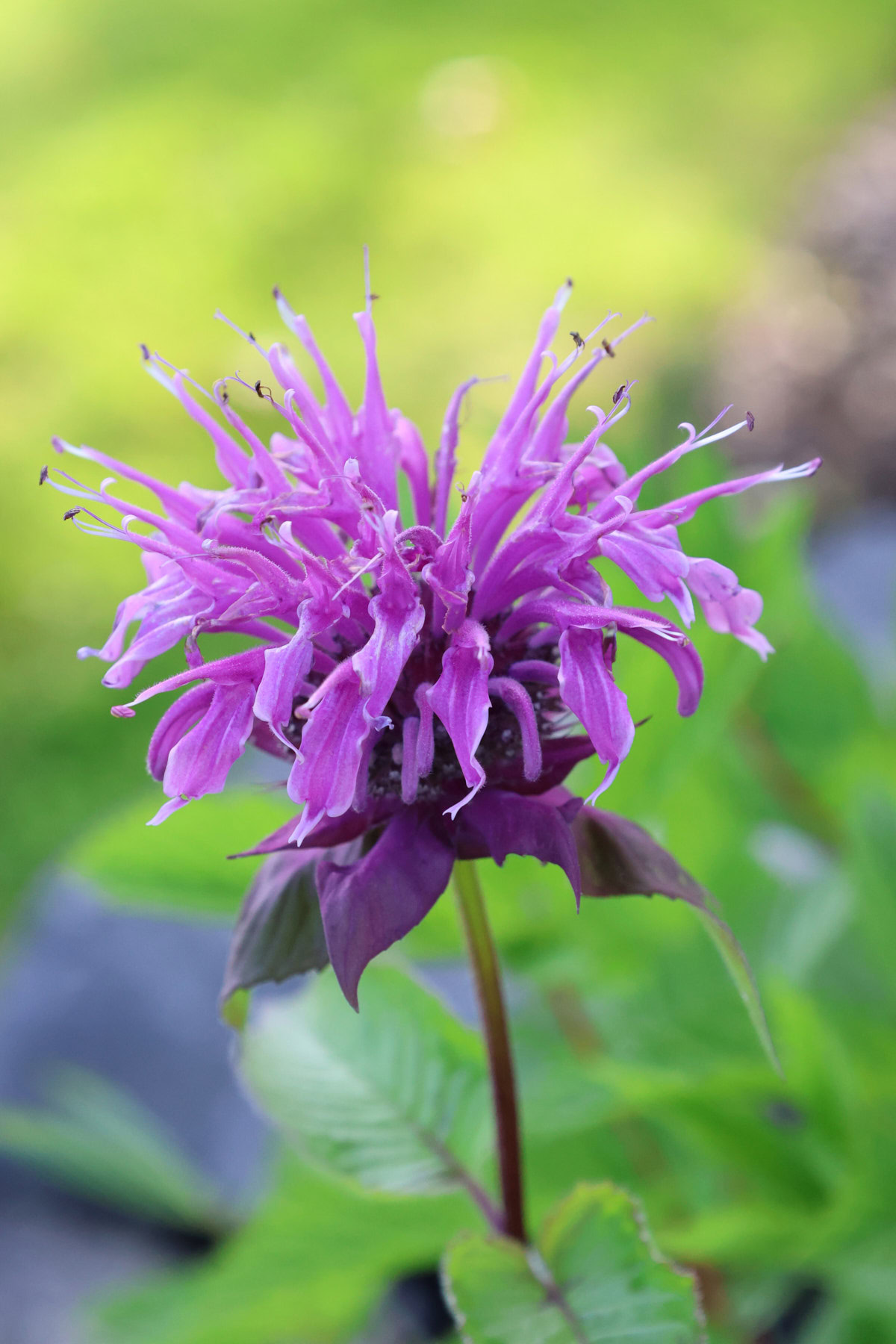
I'd felt horrible for trying to suppress this beauty from emerging, and I adore the beautiful rose scent of its leaves. So I let this one come up, with plenty of room around it to encourage airflow so the mildew wouldn't reappear.
Thankfully, without the pressure of a whole bed full of mildew magnets, this stem managed to grow and flower splendidly unhindered.
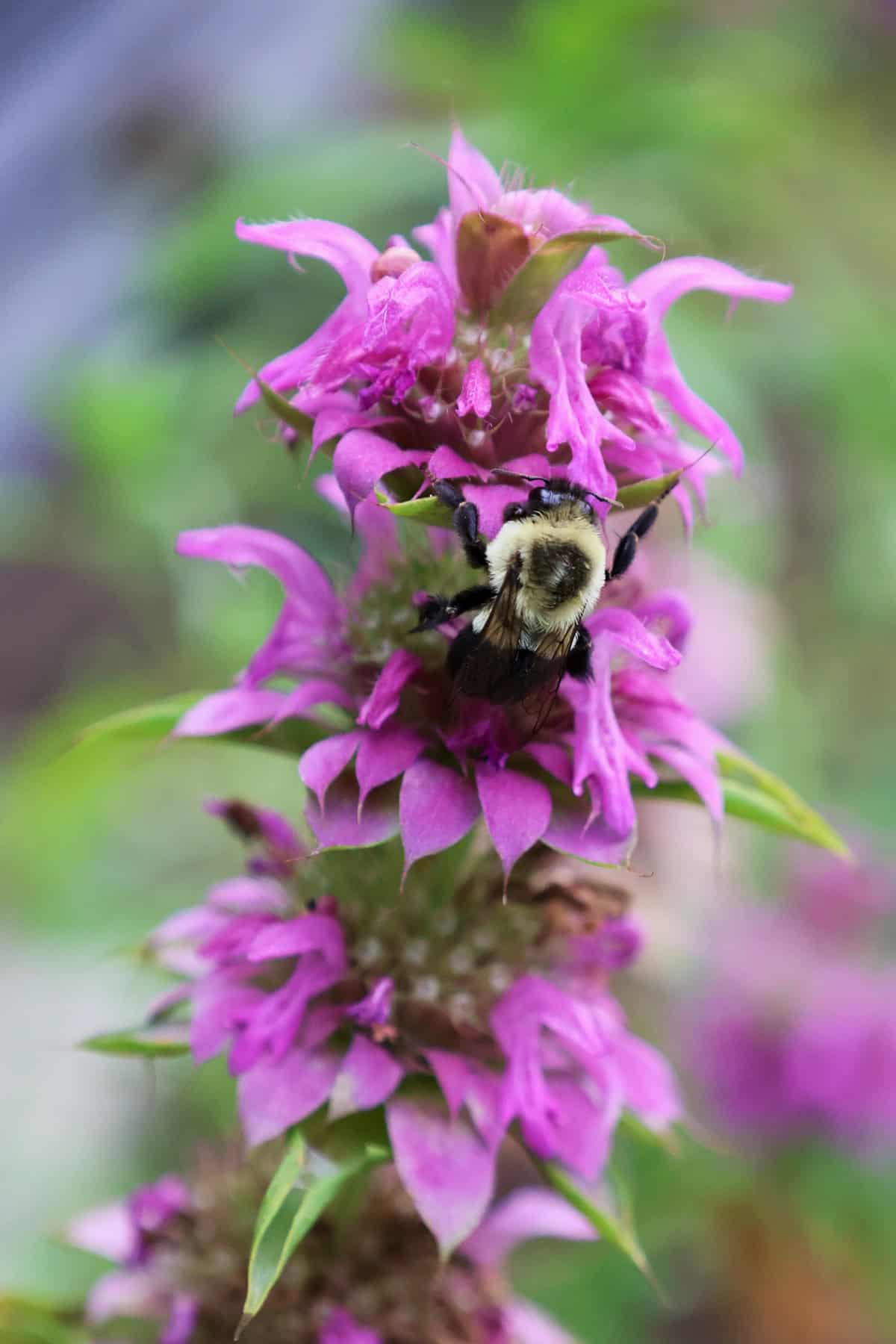
And the varieties below, bergamo and lemon mint bee balm, have always been mildew-free and reliable performers for me:
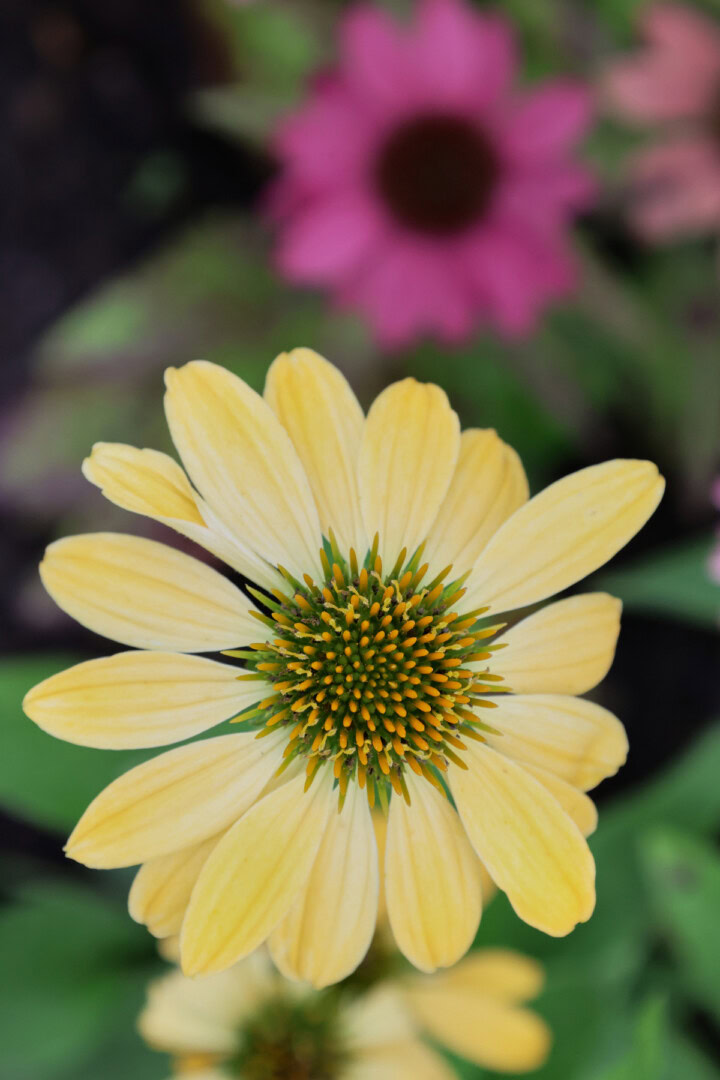
💛Echinacea
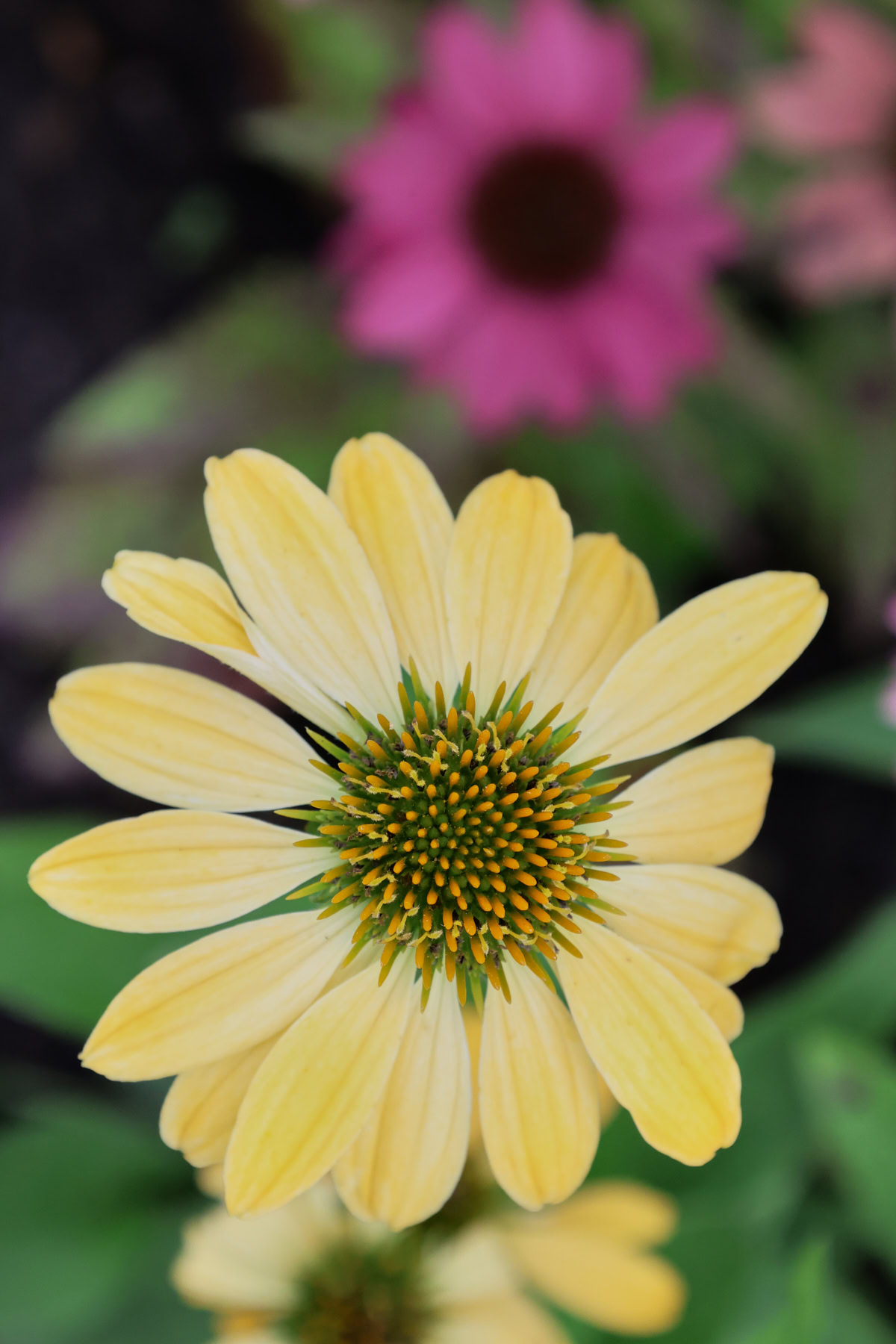
I'm absolutely loving my echinacea blooms. And, as with many perennials, it took 2 years after planting them from seed (under my grow lights) to see them. I have several varieties, and they're all just gorgeous.
There are both tea and other culinary uses for this versatile bloom. I always have a hard time picking a perfectly healthy and beautiful flower to use for my own nefarious purposes. We'll see if I can summon up the courage.
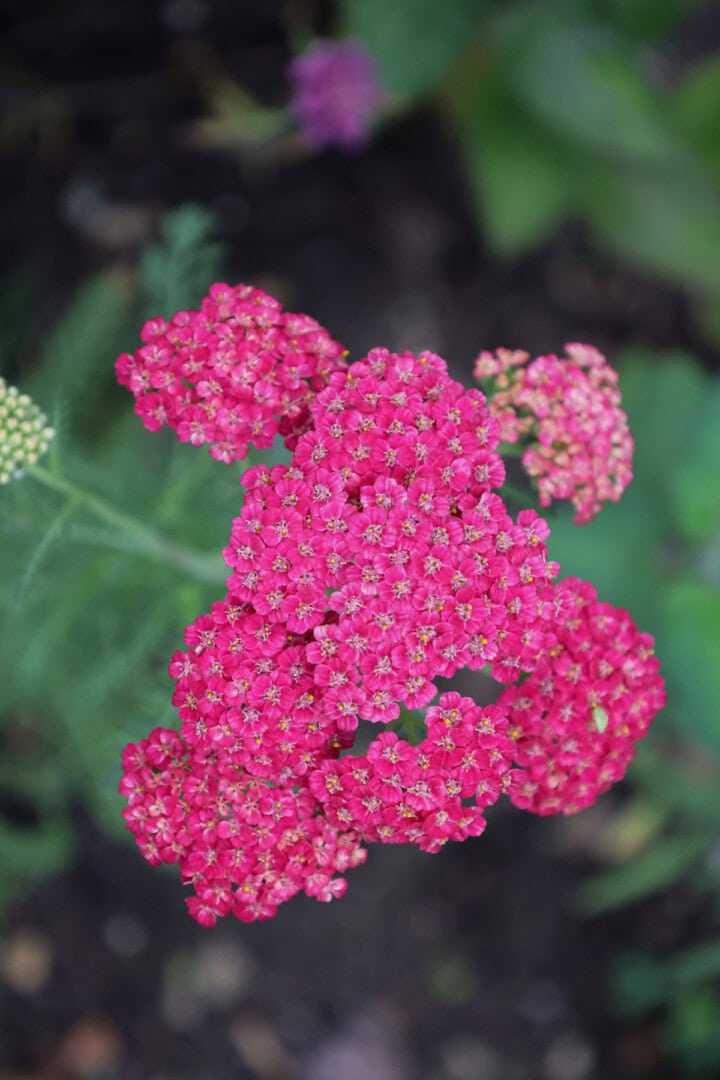
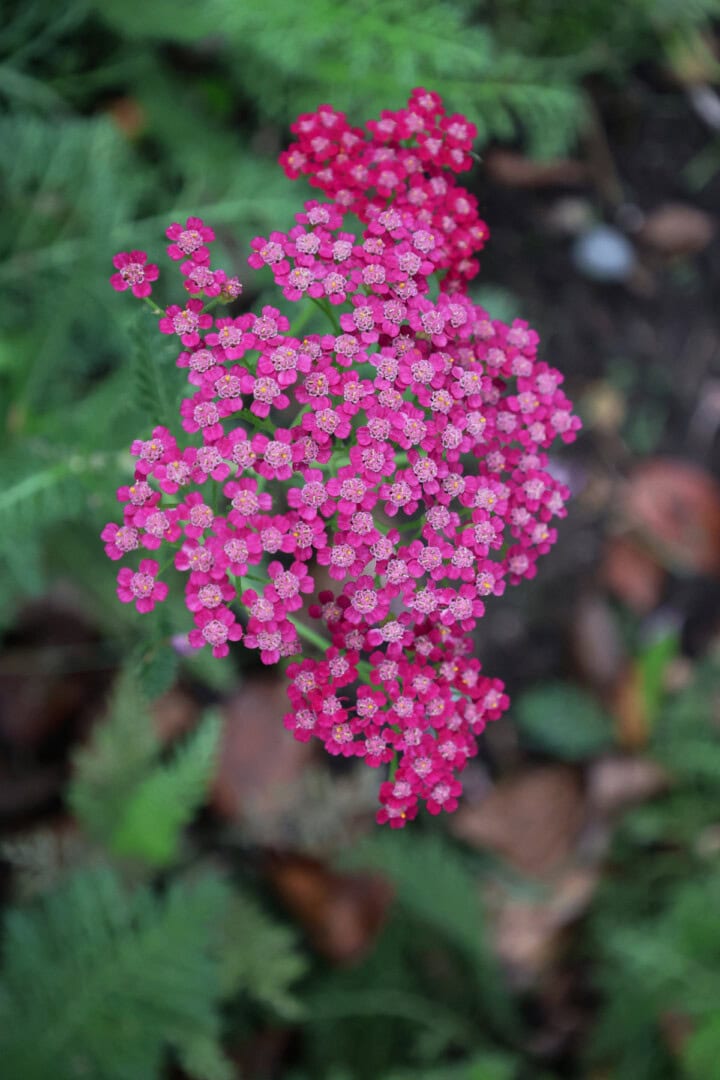
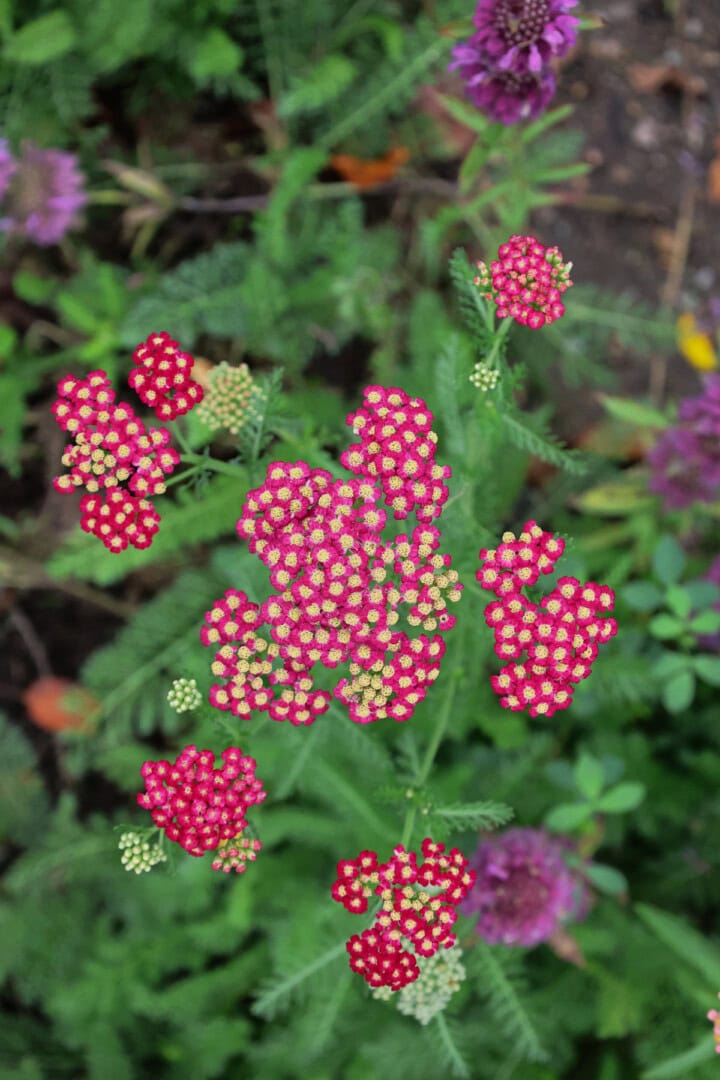
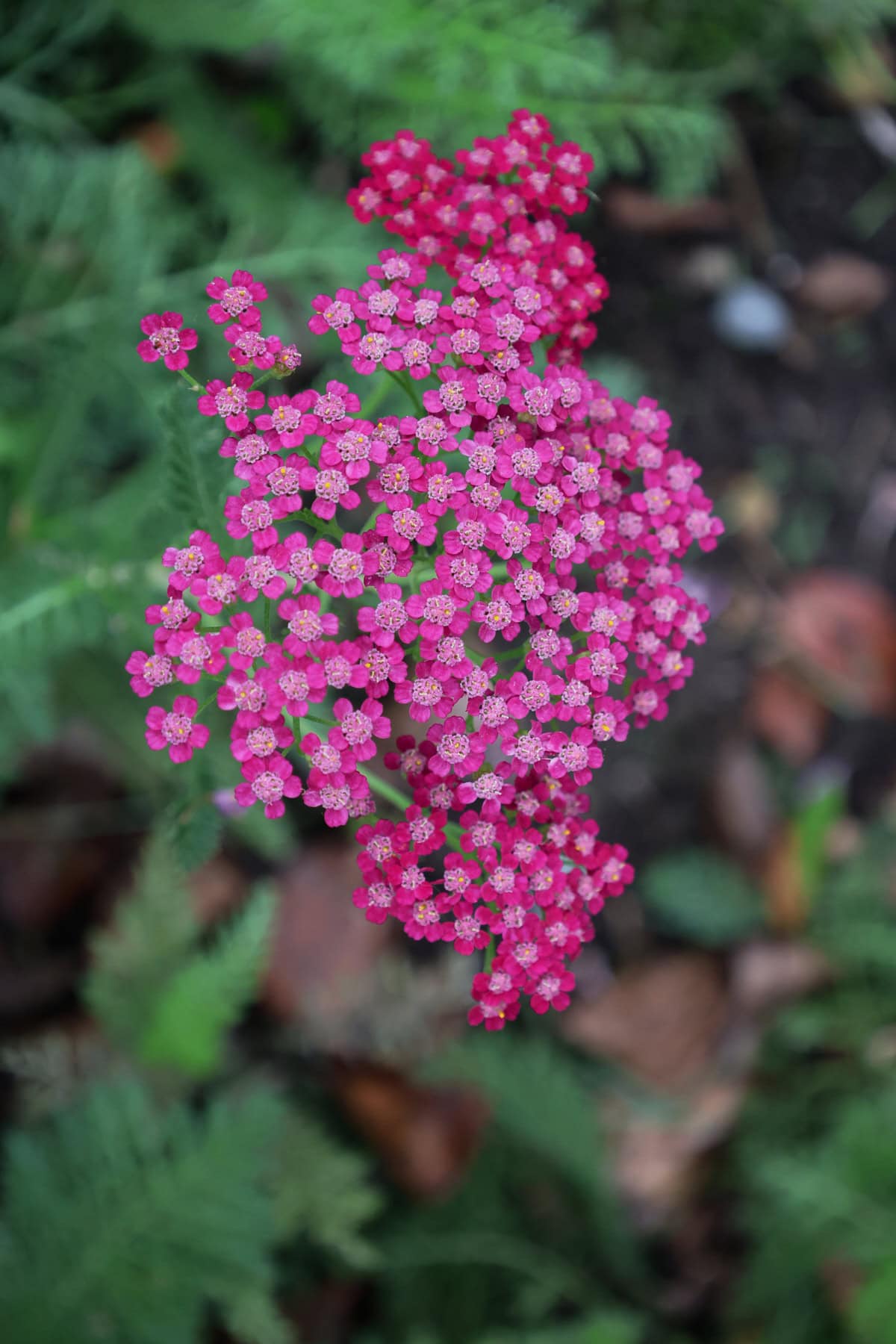
🩷Yarrow
Yarrow is an edible, if distinctive and bitter, flower that you can use to make drinks and add to dishes.
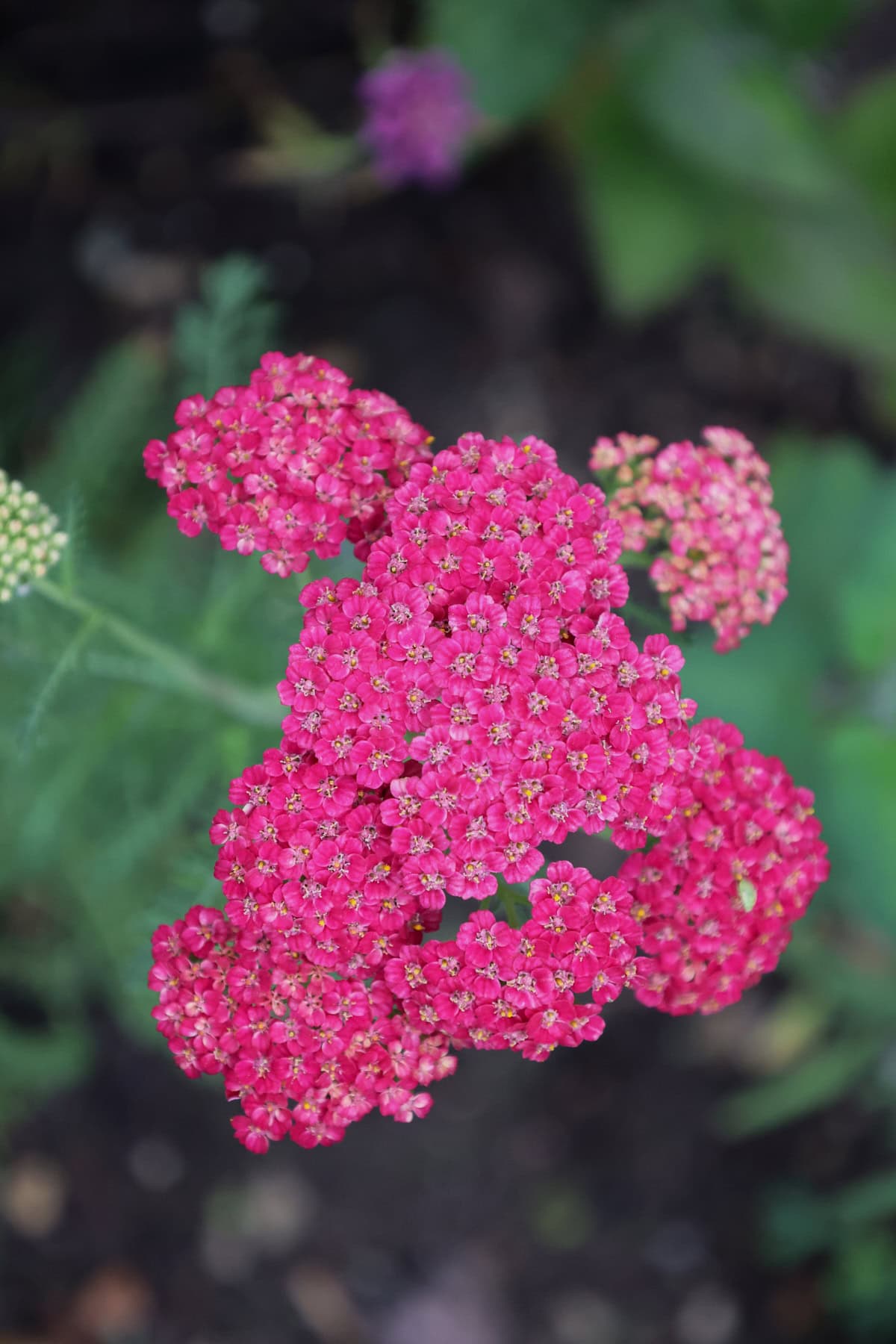
Mine have just sprouted flowers after sowing the seeds directly in the garden last fall, and I have yet to try it in a culinary context. If you've tried this, please let me know!
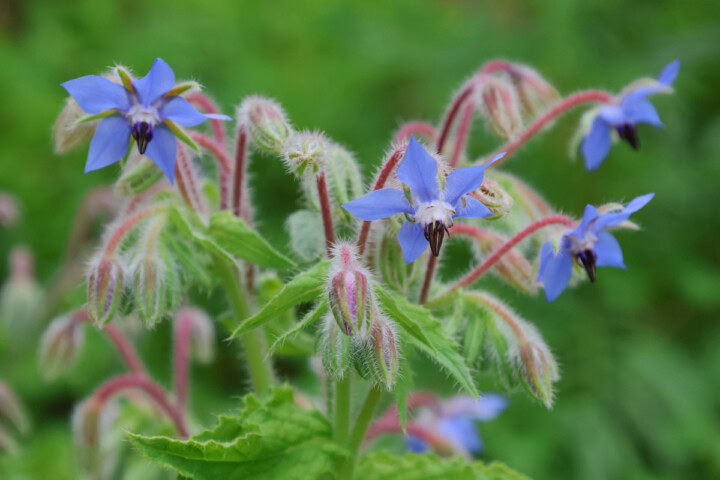
🌿Borage
Borage is a fussy little guy. It's an annual herb, and reseeds with abandon. It doesn't love being transplanted, but for me has eventually pulled through. But not until withering and browning nearly to death just to spite me.
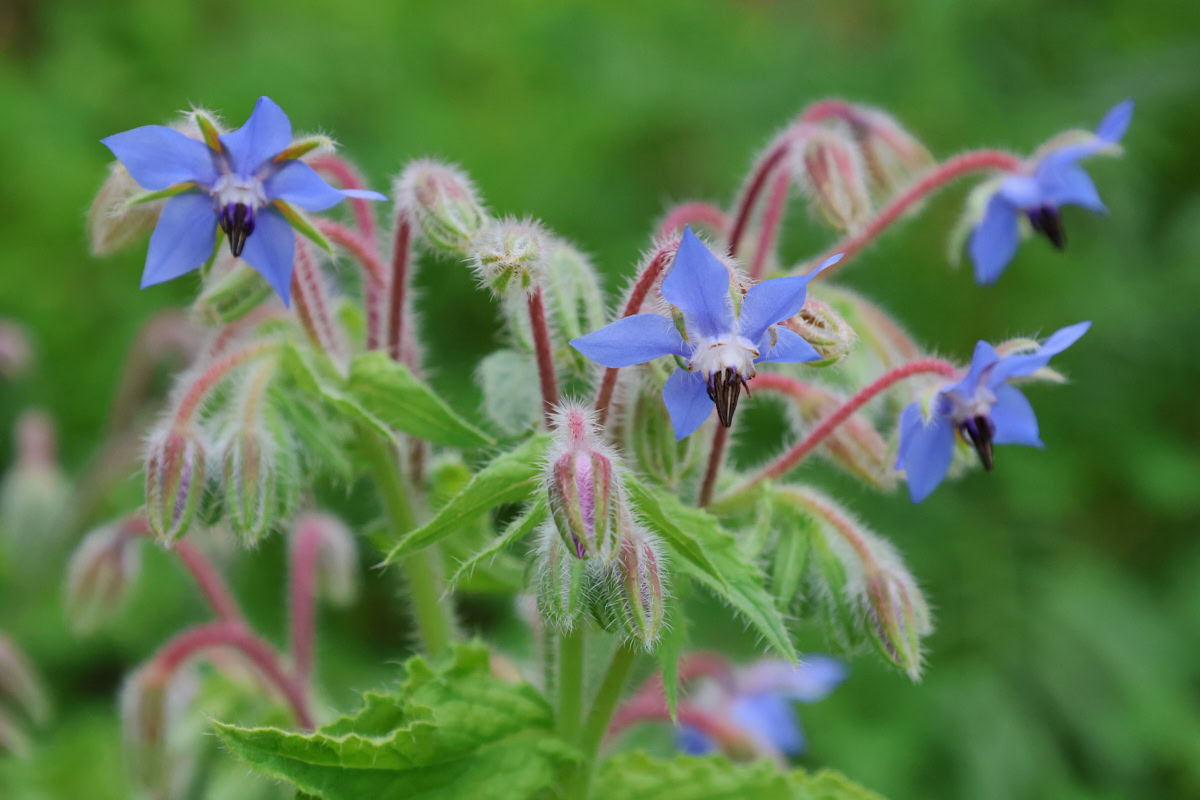
Thankfully, these adorably fuzzy leaves and stems give way to the most delightful shade of cornflower blue flowers that are tasty and captivating to add to drinks.
I've moved some of them from the bed they were trying to conquer (but not too crazily; more like a genteel proliferation) into my planted fountain in the middle of my herb garden. Hopefully they'll thrive there next year and keep reseeding from then on.
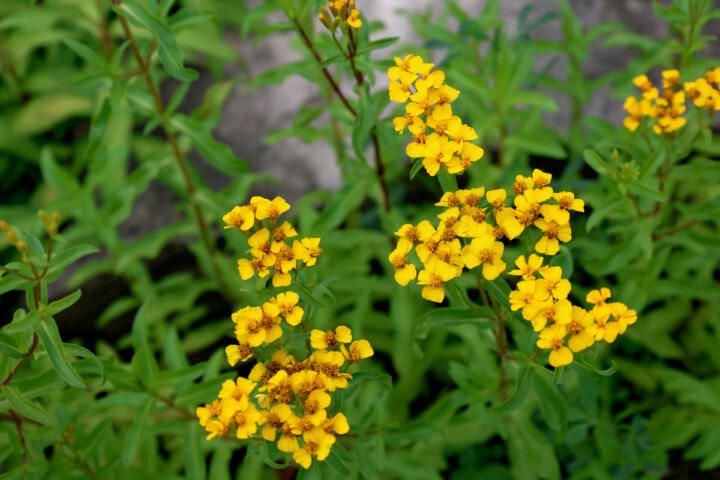
🌍Culinary herbs from around the globe
These stunners are why I just have to grow herbs every year; there are always more culinary herbs from around the world that I have yet to discover and grow!
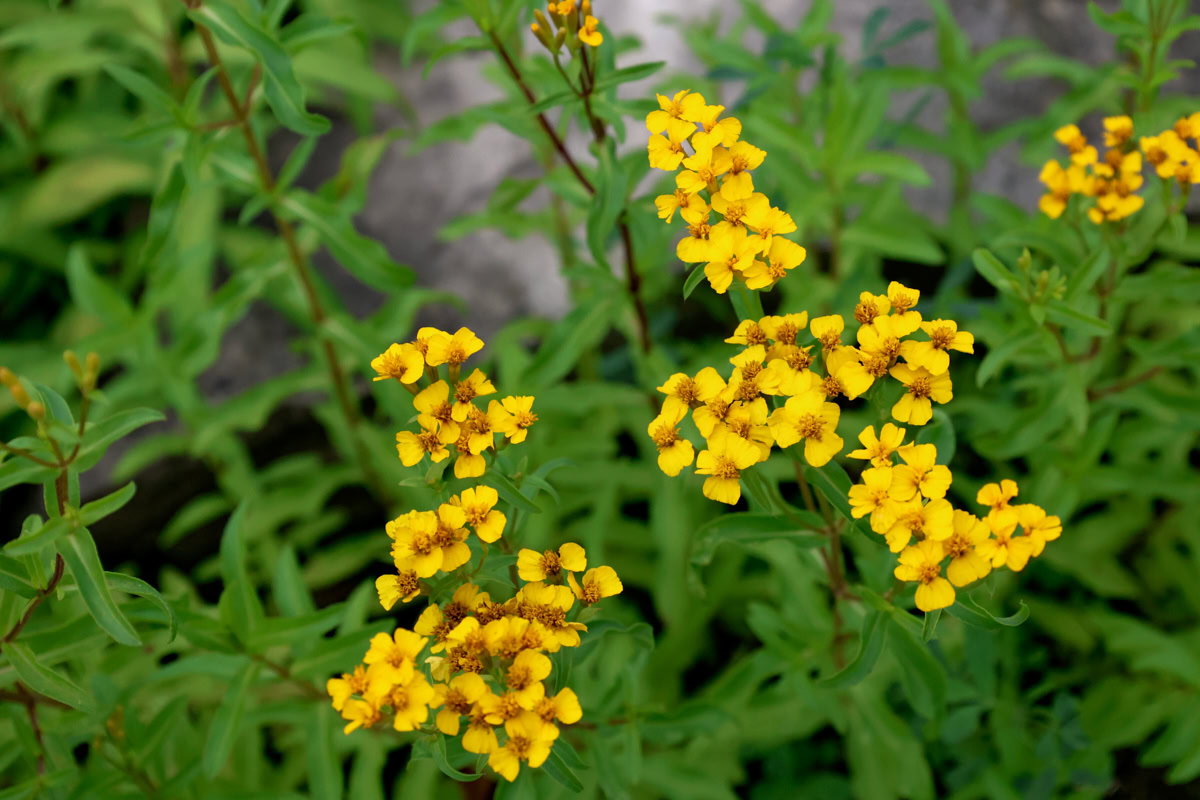
I'll be documenting the scents and flavors of these and a lot more of them in upcoming posts. And I'm both scouring my current herb books and adding more books to my collection in the endless search for the next edible herbs to be fortunate enough to grow. I'll keep you posted!
🍃Scented geraniums (pelargoniums)
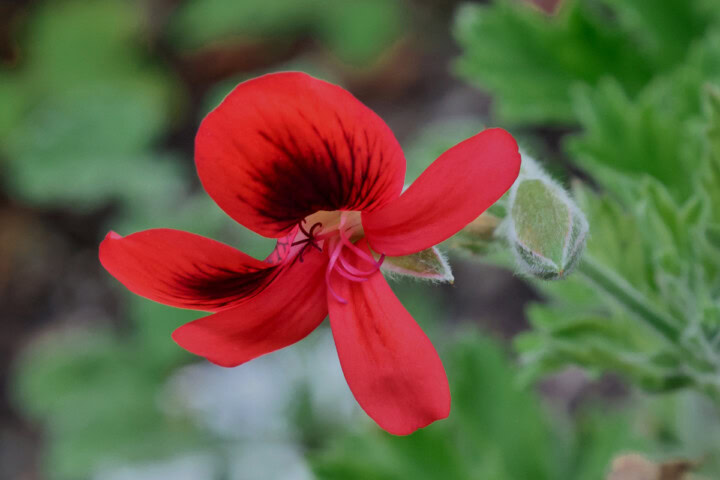
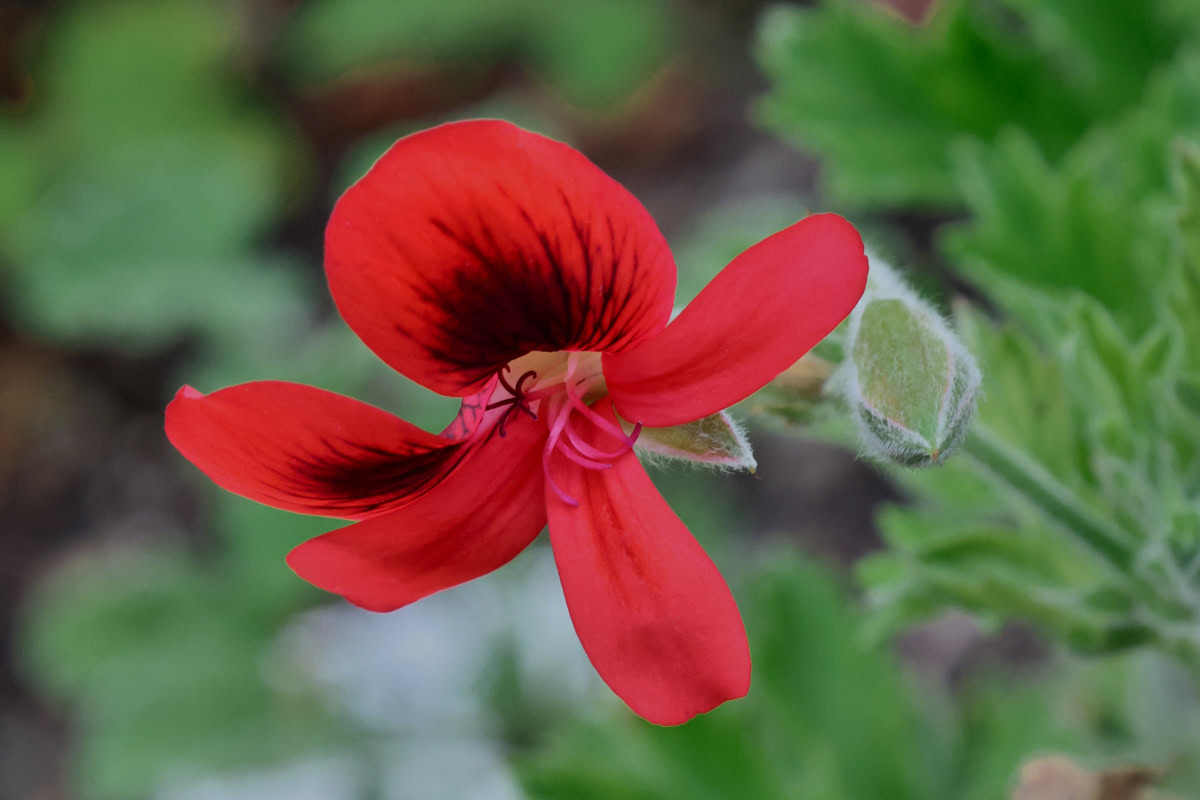
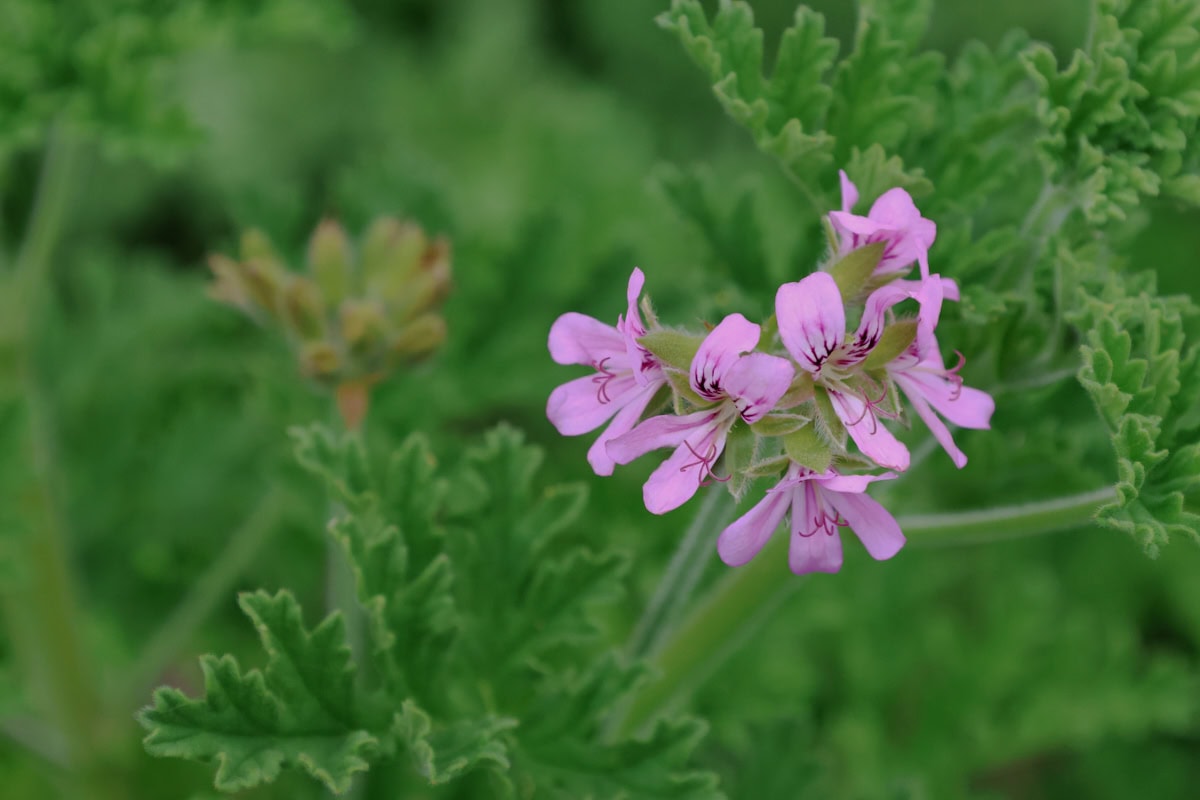
This year, I'm growing 26 varieties of scented geraniums. They're among the most deliciously-fragrant plants I've ever experienced. And they make one hell of a simple syrup for cocktails. I'm excited to compare and share them all with you in 26 Scented Geranium Varieties to Grow: Culinary Scents and Cuttings. This post includes each of their wonderful scents and uses in the kitchen, how to grow them, and how to take cuttings.
Here are two of them that have graced me with their blooms this week: scarlet unique and true rose. Truly captivating plants!
🫘"Two Sisters" happy accidental planting with amaranth and beans
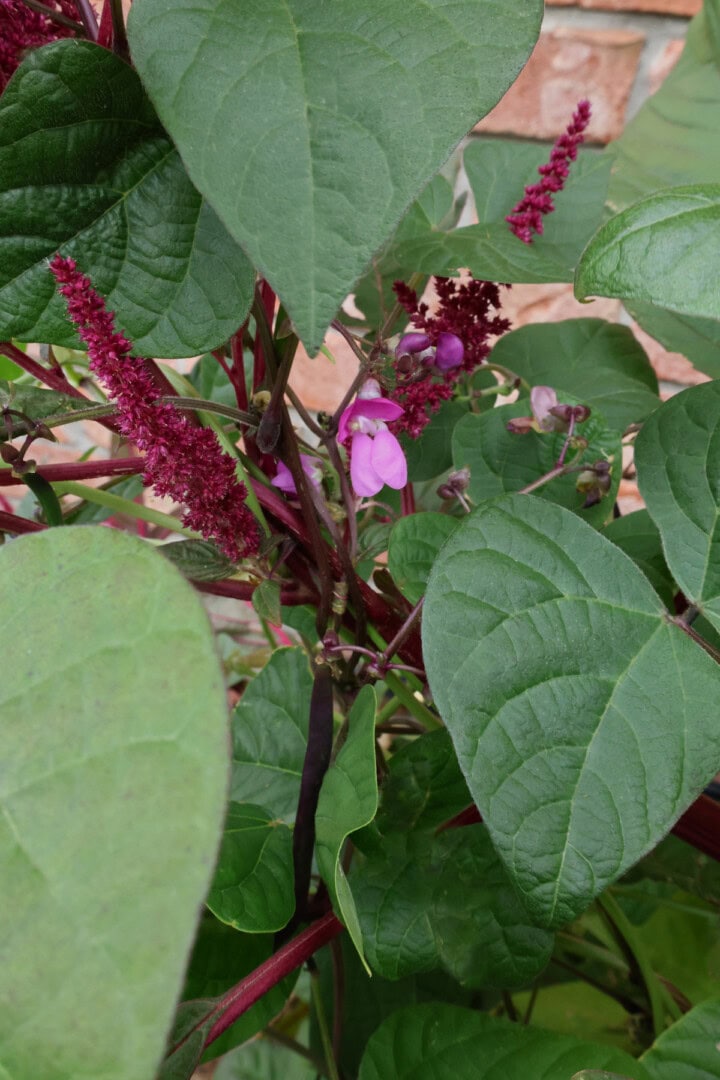
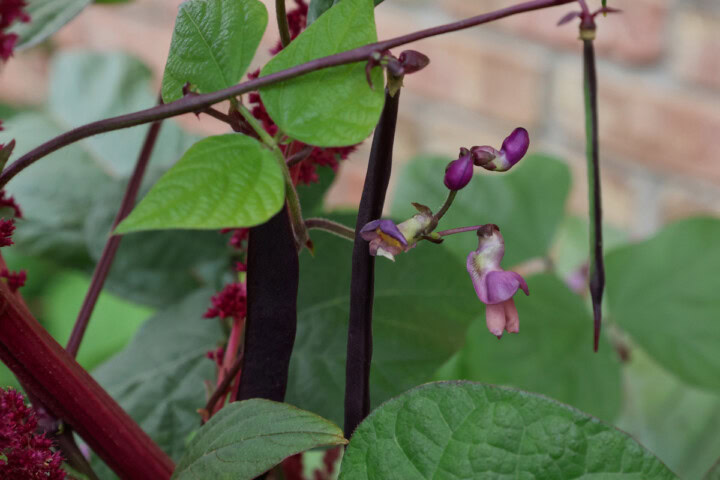
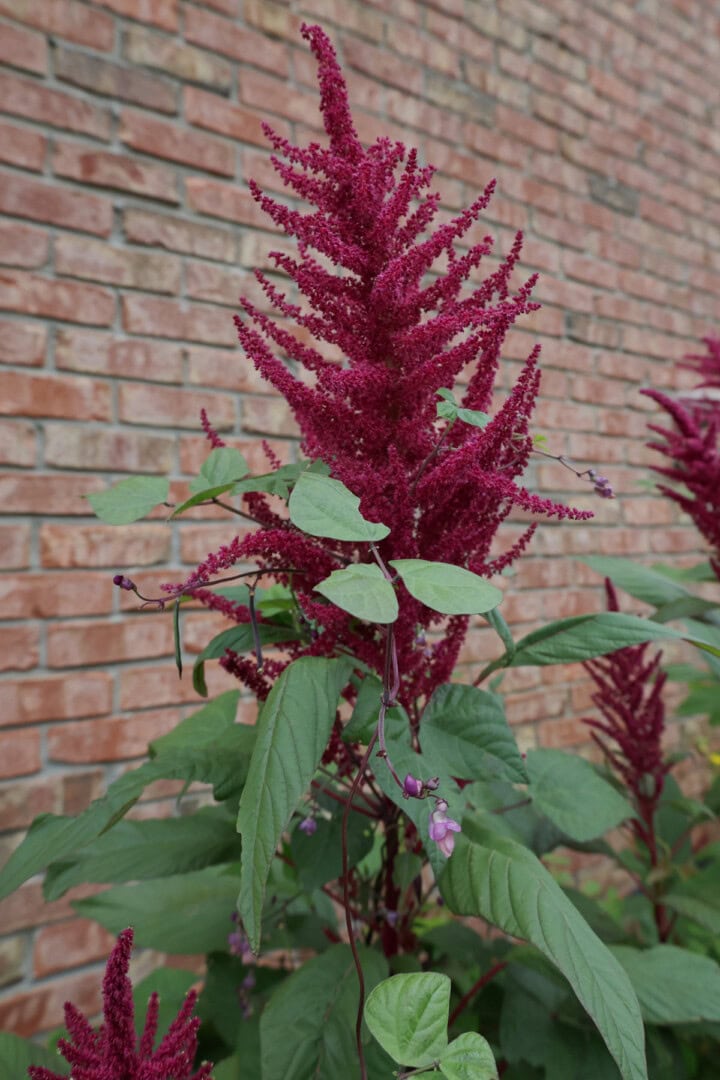
Here are my symbiotically-intertwined hopi red dye amaranth and blauhilde pole beans that I'm calling "two sisters."
They're a nod to the traditional Native American agricultural tradition of planting squash, corn, and beans together in a mutually beneficial arrangement known as the "three sisters."
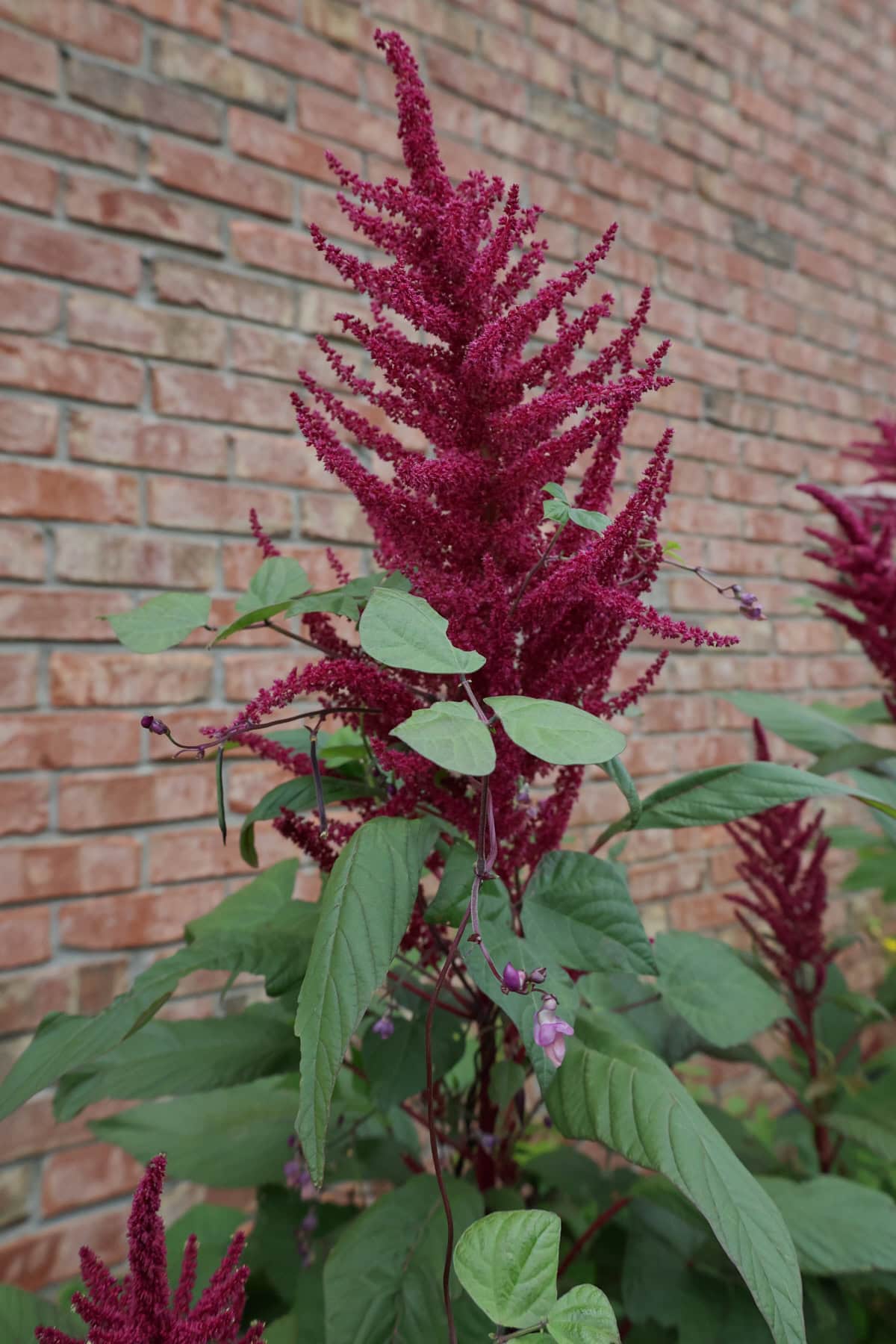
This arrangement of mine is, like so many things in the garden, a happy accident. I didn't manage to harvest my amaranth last year before the seeds fell to the ground.
And this is despite all of the warnings I'd heard that once you plant amaranth (and don't prune or harvest the seed heads in time), you'll ALWAYS have amaranth.
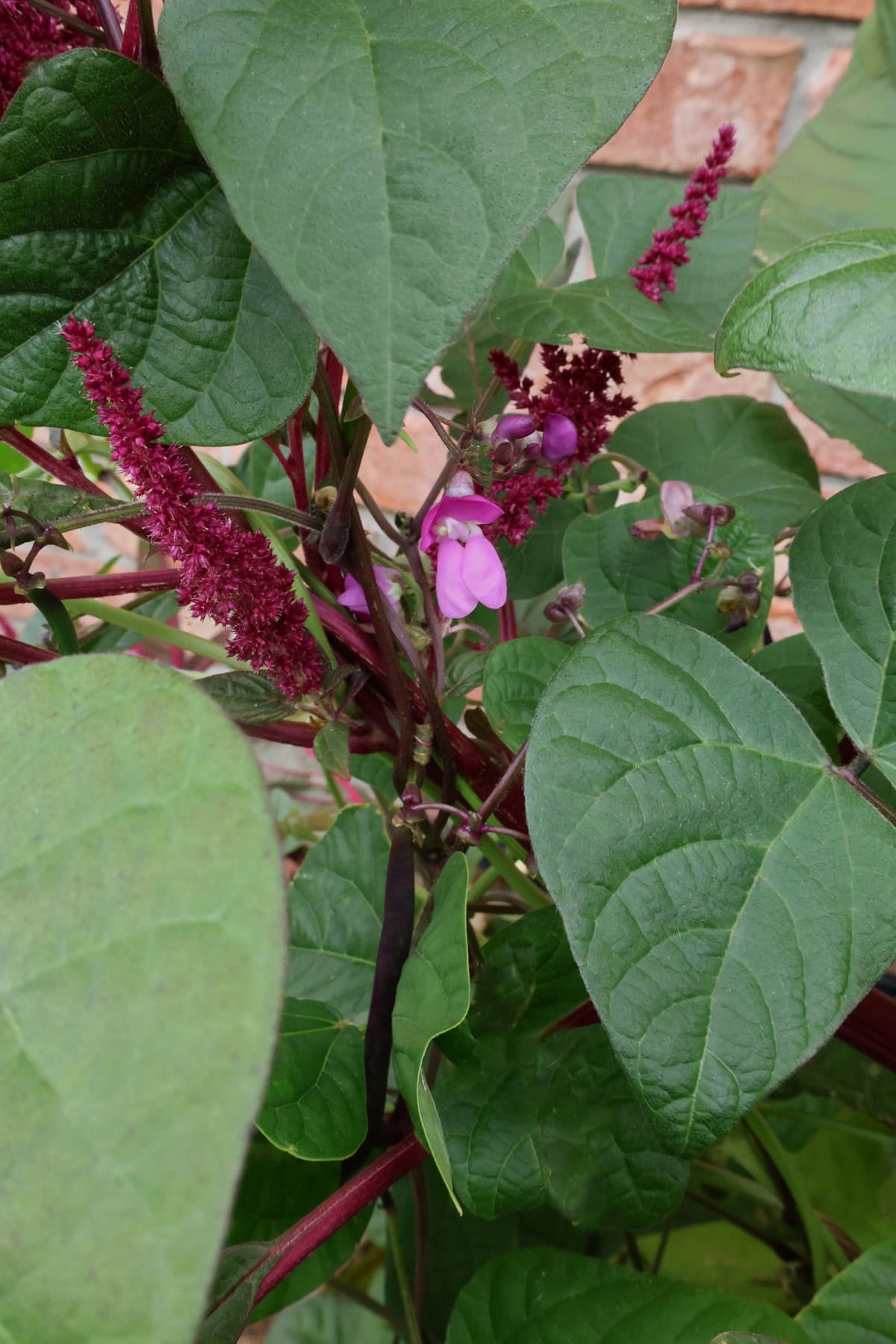
I was really fortunate that among the spots the amaranth reseeded this year with a vengeance, one of them was among my pole beans that I hadn't yet trellised. And the rest is history.
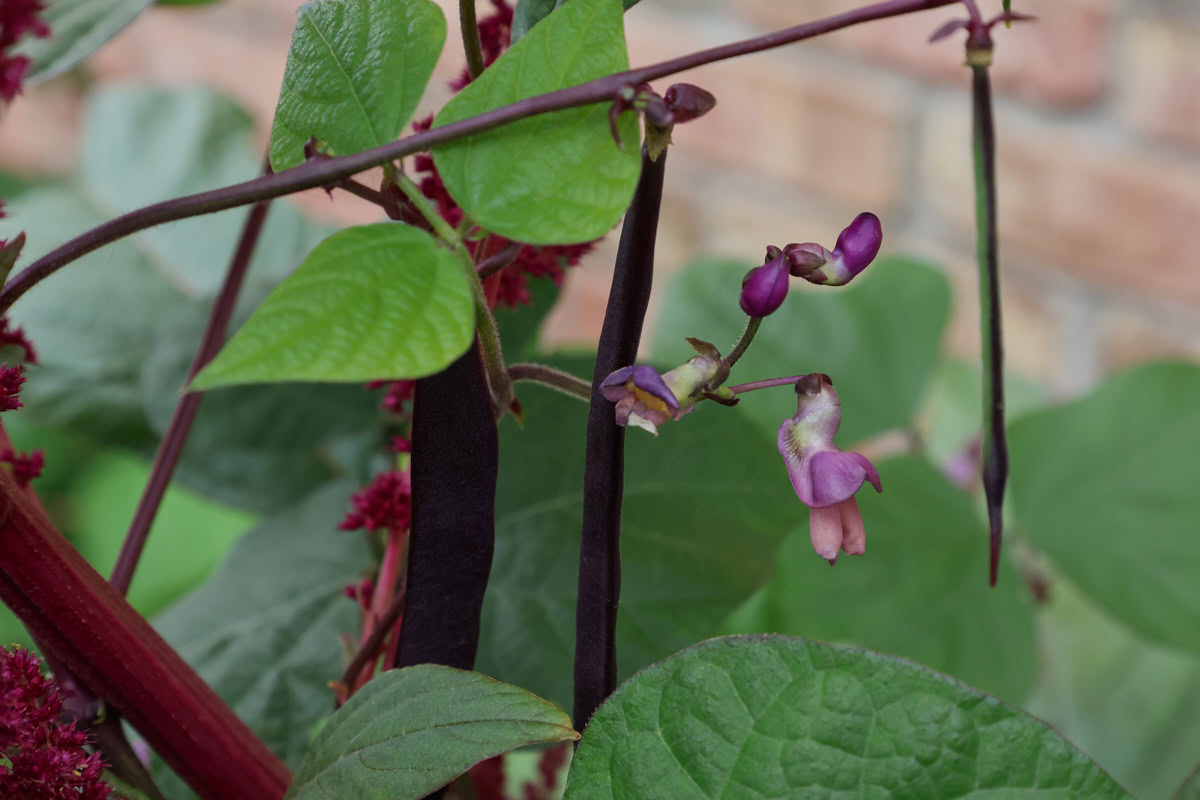
The strong, tall, and stately amaranth stems are the perfect climbing scaffold for some rambunctious pole beans on a mission. It really warms my heart (while simultaneously assuaging my guilty late-trellising conscience) to see this!
Phil the rutabaga: challenge and triumph
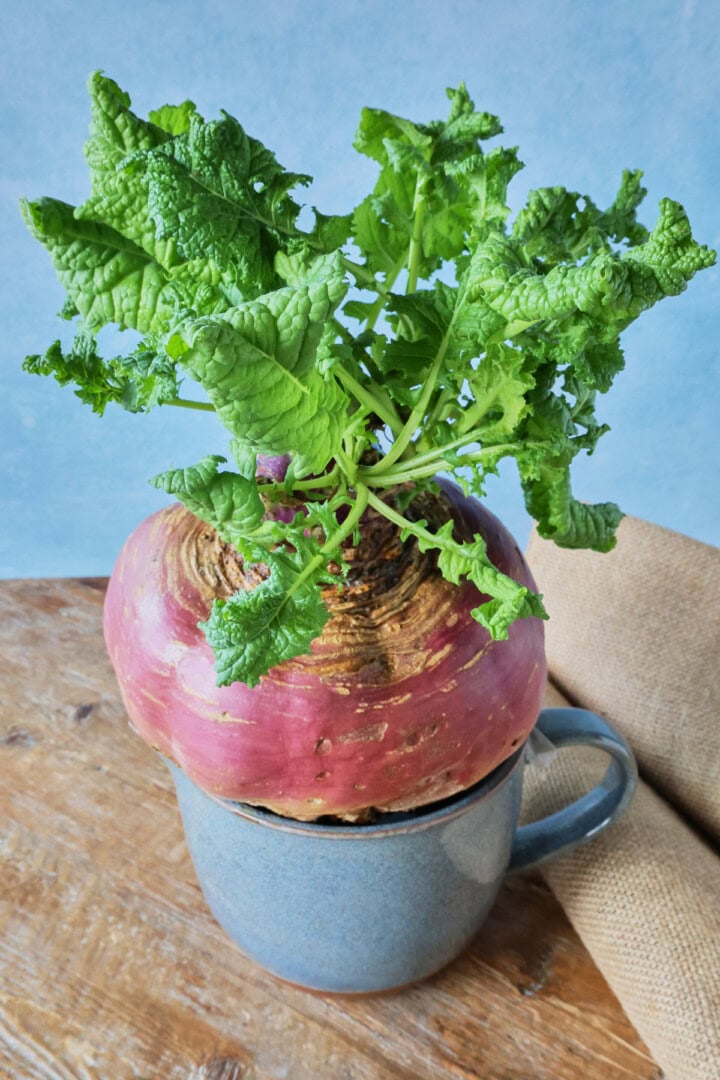
In my previous post, 🌱Summer Garden Harvest: Vegetables, Herbs, and Flowers, I wrote about the adventures of Phil, the husky and adorable marian rutabaga that I had brought in recently from the garden.
I just knew Phil had more stories to tell. So I gave him some water in a mixing bowl, added a sprinkling of fertilizer, and he settled his roots right in for a hearty drink. He immediately sprouted more leaves, and was bathing luxuriously in his new indoor life.
And now, an update:
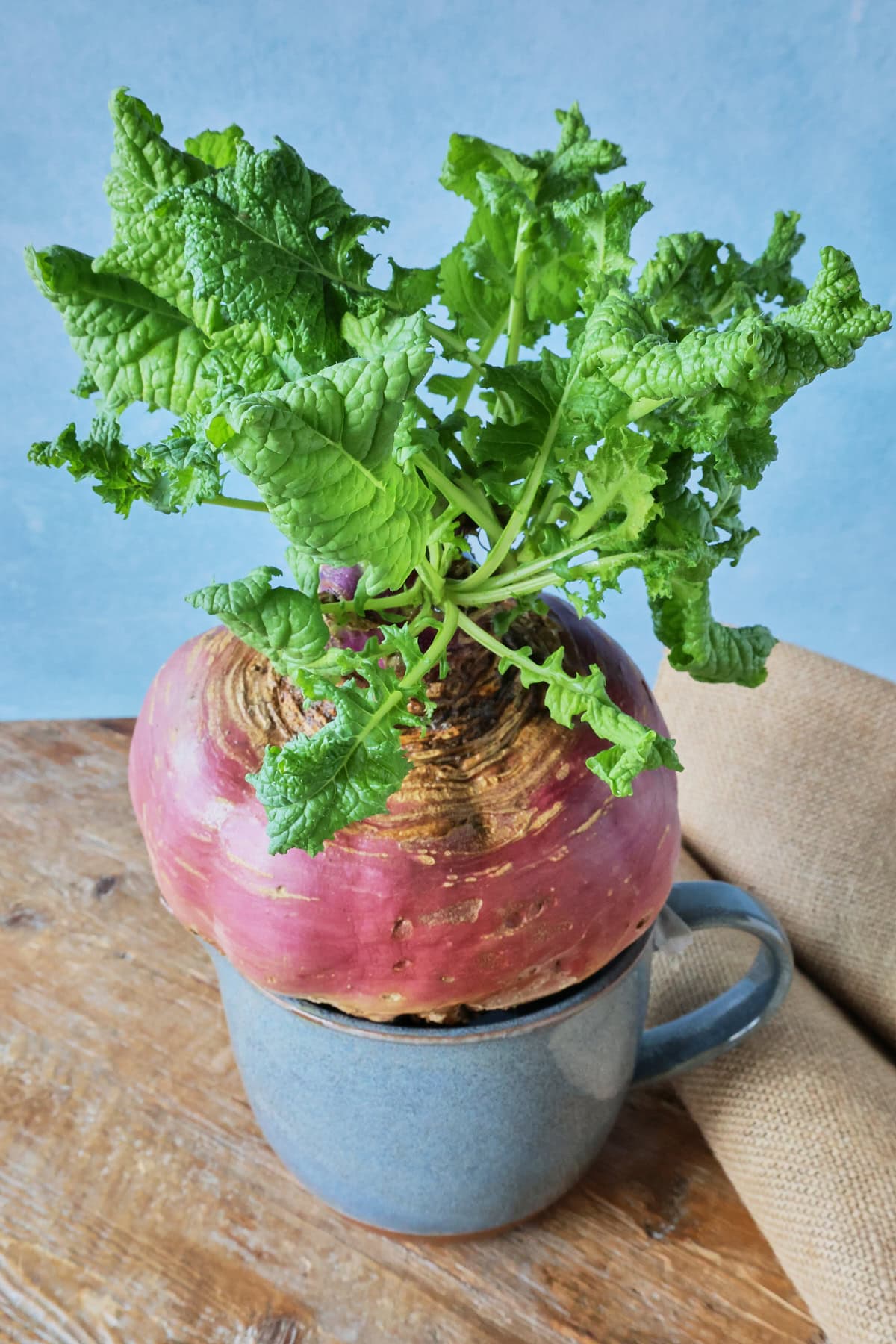
Poor Phil. I went to change his water today and found his leaves and stems absolutely COATED in aphids. Thousands of them! His leaves had been growing so well that I was shocked to discover this!
I immediately sprang into action. I blasted the aphids off with the kitchen faucet sprayer, and then sprayed his leaves and stems with neem oil. I'm going to be so vigilant from now on that this may be an ongoing struggle for him.
And yet, at the same time, Phil is thriving! I just adore him. I changed his water, and added a bit more plant-based organic amendments, which Phil has been absolutely loving. My mints are thriving on it too this week.
And he's bouncing right back, with strong and springy bright green leaves and stems. I'm so proud of him! I'll keep you posted about his upcoming adventures.
As always, I'm so very grateful to have you here with me.
✨More from the garden and kitchen
Looking for more heirloom gardening posts and plant-based recipes with the harvest? Try these:
✏️How is your garden growing?
I'd love to hear. Please let me know in the comments below!
Leave a Reply