
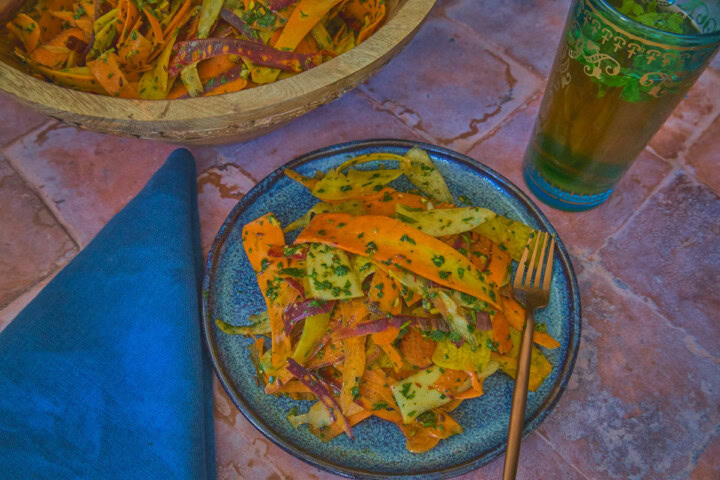


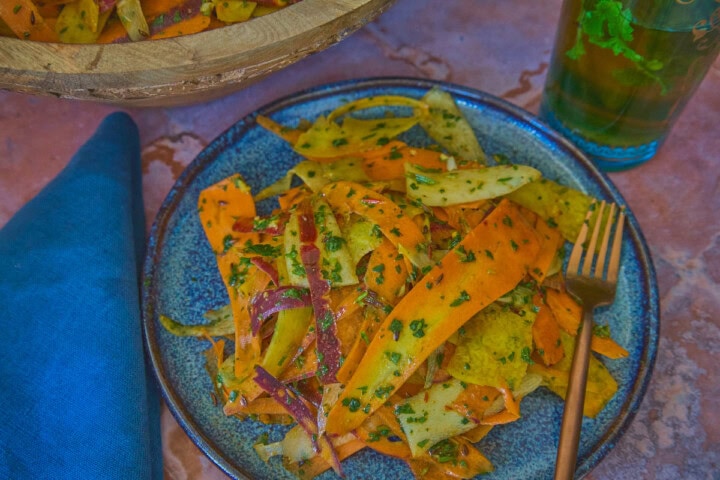



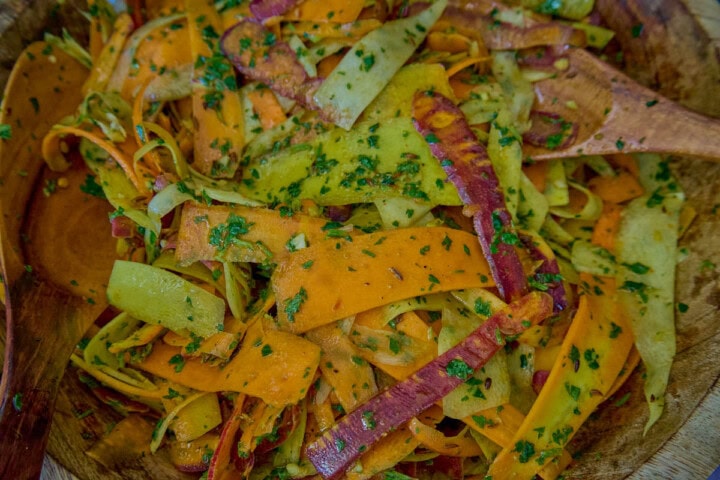

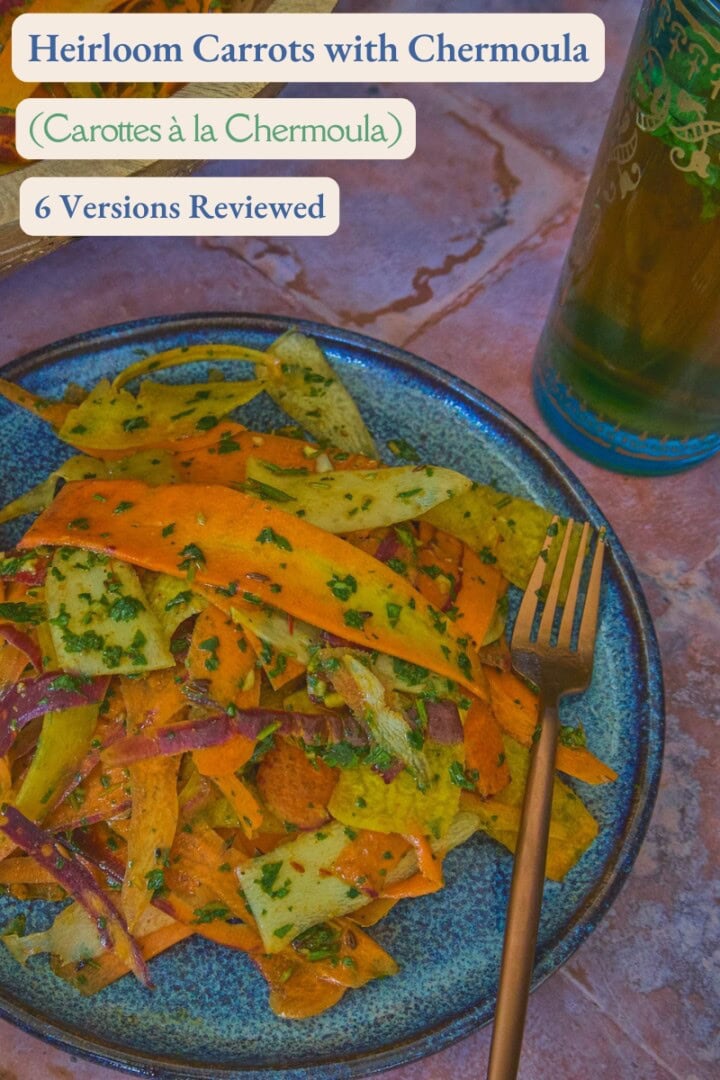
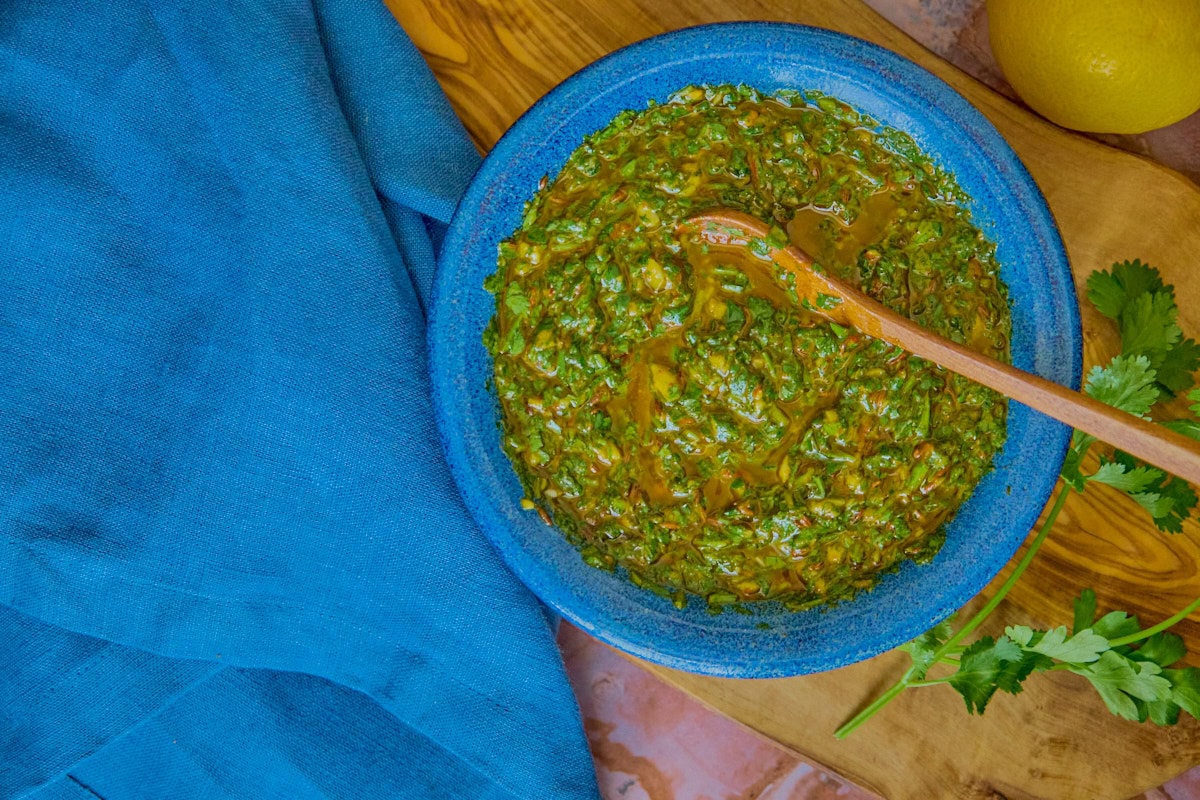
Here's an easy, zesty, and impossibly fresh vegan and gluten-free salad or side dish. It has a vibrant and simple homemade North African chermoula sauce, which you can use on raw, roasted, boiled, or sautéed carrots.
And while store-bought carrots work fine, you can also make these Heirloom Carrots with Chermoula (Carottes à la Chermoula) with stunning, brightly-colored heirloom carrots from your own garden! This is a beautiful example of real farm to table cooking.
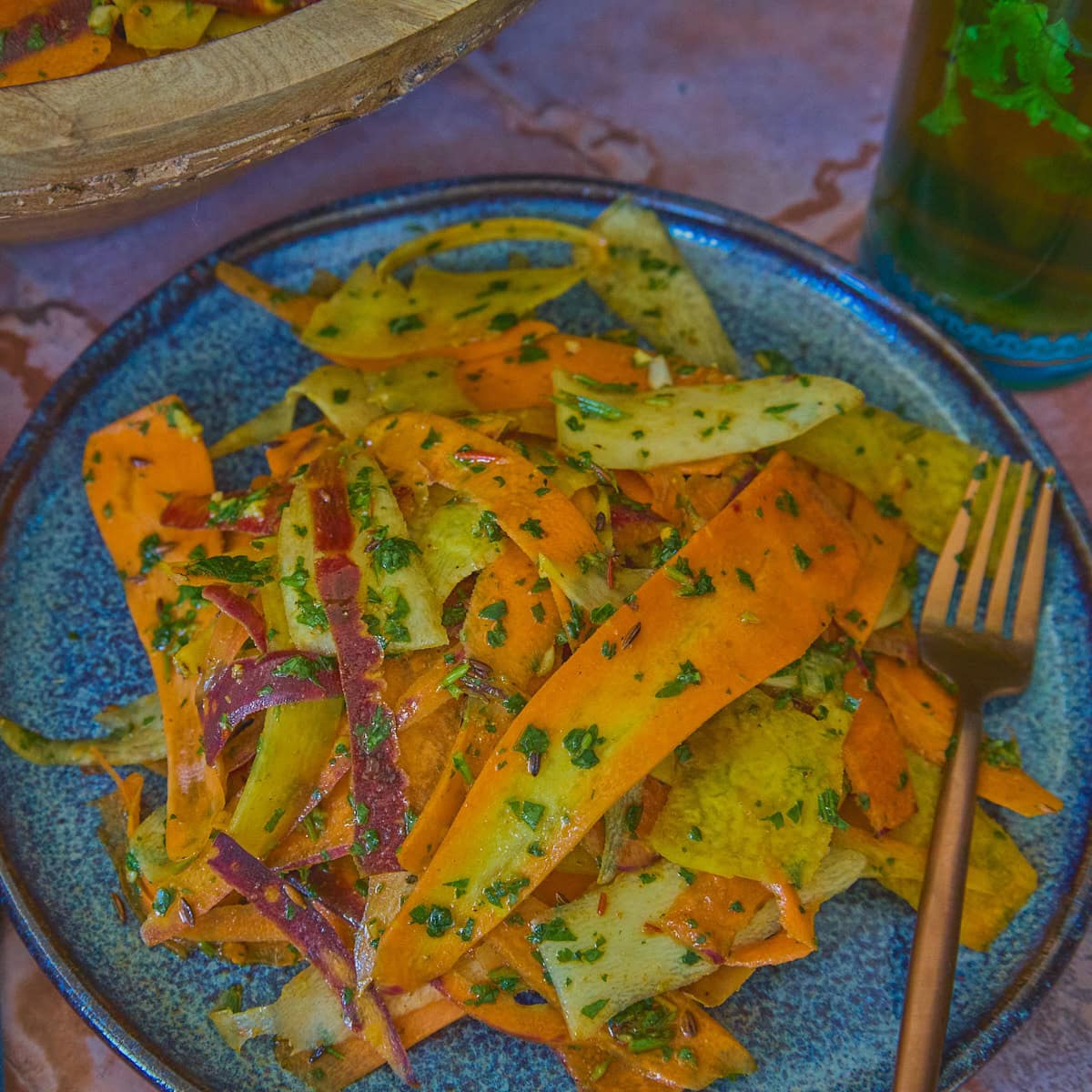
Chermoula, also known as charmoula, is an herbaceous, zesty sauce that originated in Morocco, and is also used in Algeria, Libya, and Tunisia, each area having its own variation. It's not to be confused with chimichurri sauce from South America, which shares parsley in common, but is otherwise milder. Chermoula is deep, smoky, and complex from the spices, with earthy and tangy citrus notes.
North African food expert Paula Wolfert writes in her epic cookbook The Food of Morocco that "The charmoula marinade is quite miraculous...There is no one best recipe for charmoula. In Marrakech, a cook might add some ginger to the spice mix. In Agadir, creamed onions are often added;...in Tetouan, a little hot red pepper oil; and in Tangier, our housekeeper always added a little thyme.
This vibrant and flavorful sauce is very flexible and forgiving. This makes it fun to customize it for your tastes! I've tested many versions, trying out the additions of Moroccan preserved lemon, different variations and spice levels of harissa paste, and various spices, both toasted and untoasted.
Read on for a recipe that worked really well for me, and know that you can customize it however it tastes best for you!
Jump to:
💕Why this recipe is special
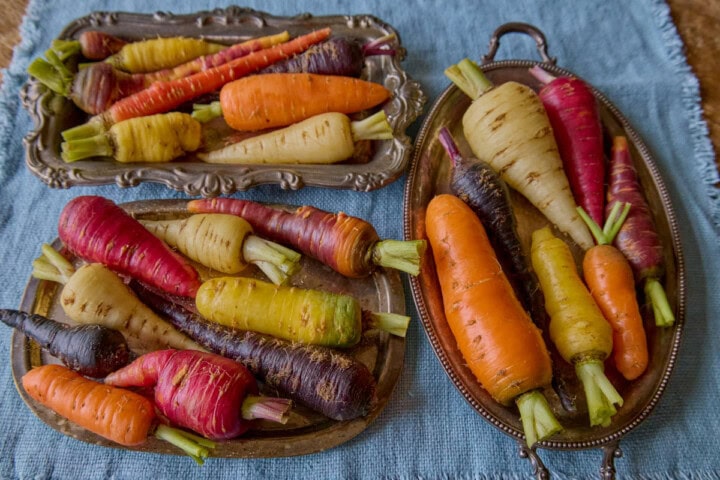
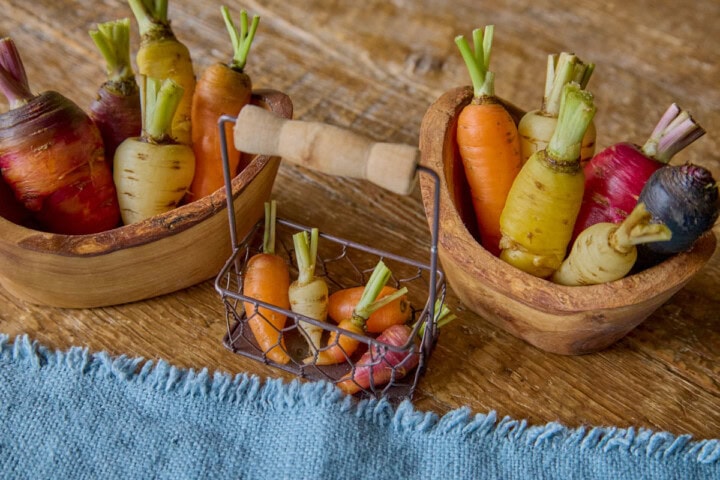
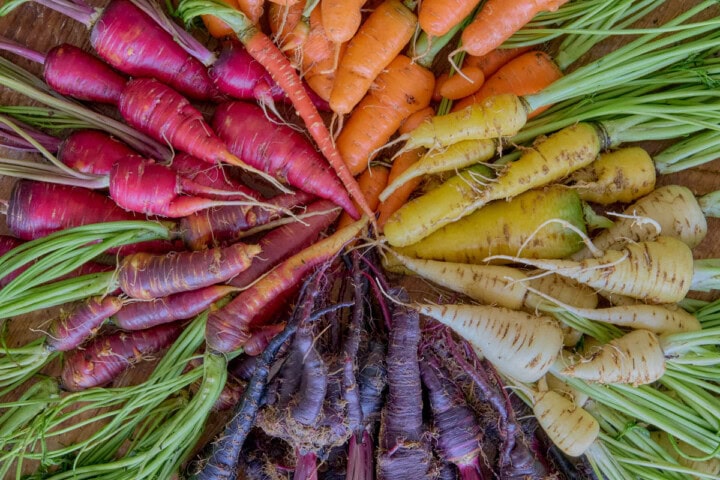
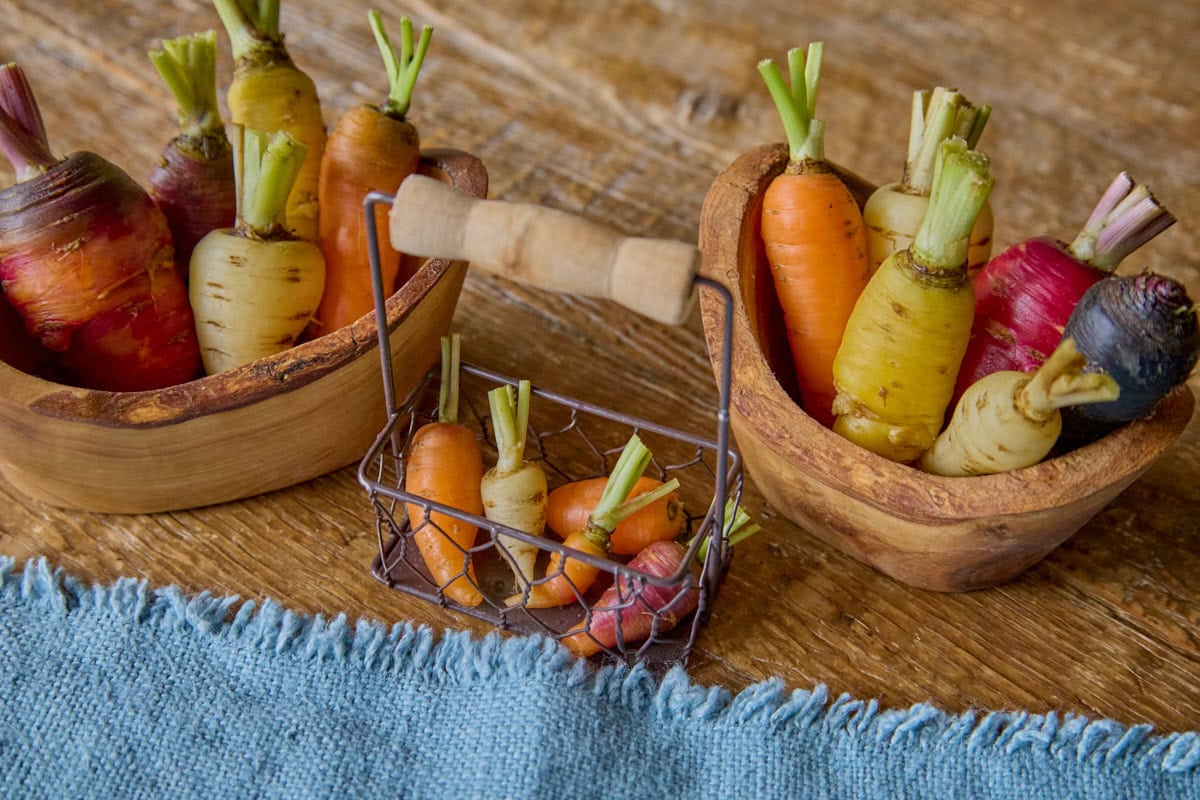
We'll be making our own chermoula today and adding it to beautifully-colored, textured, and flavored heirloom carrots from around the world in the garden. The photos below are from my own spring garden carrots.
The seeds for these special varieties are readily available, they're ridiculously easy to grow. My carrots this year have come from Baker Creek Seeds (Please see my Resources page for a description) and Inherited Seeds. There are so many unique and special varieties out there, just waiting for us to grow them!
And if I can even plant a second succession round of carrots in mid-summer for fall harvest in my cold climate, you can too. You can absolutely do this!
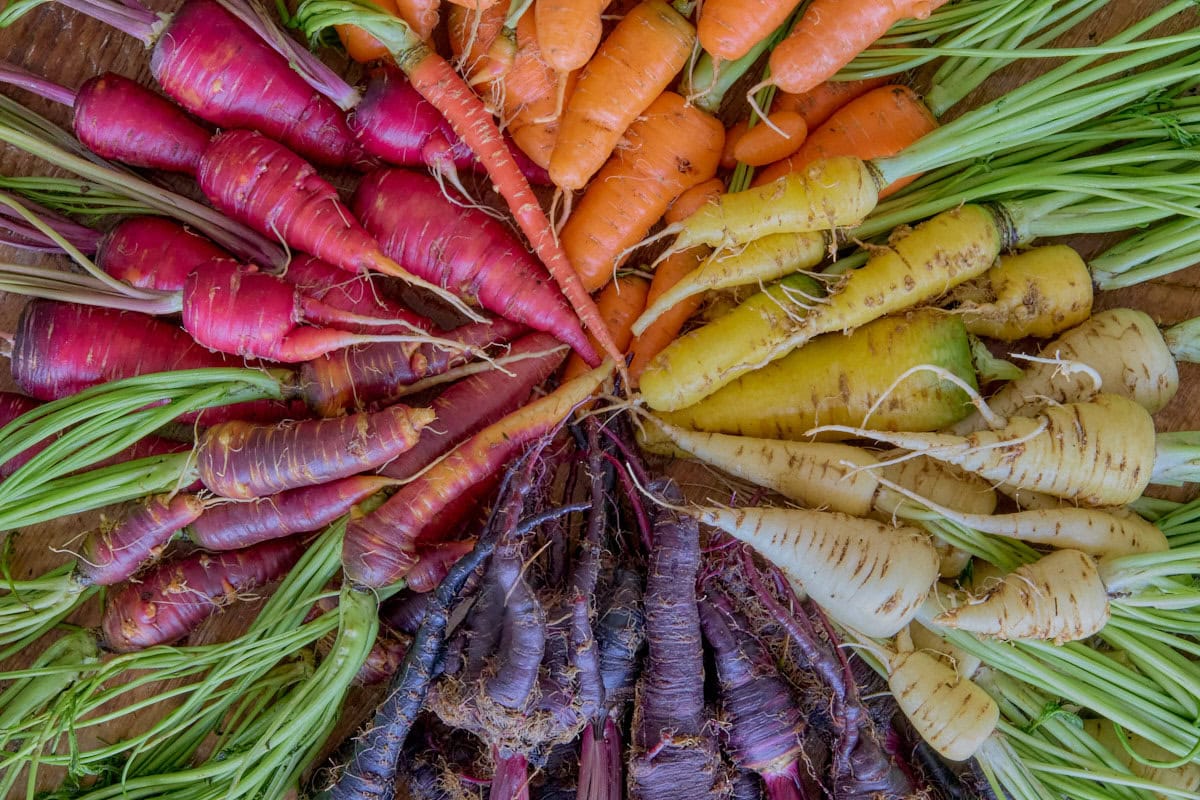
Not only are these carrots a gorgeous, healthy, and exciting focus of this dish, but they're luscious and delightful however you choose to include them in the chermoula sauce.
The carrots can be raw and ribboned, as I'm showing you here, tender-roasted and caramelized in large pieces in the oven, or as adorable jeweled coins that are sautéed in a skillet or boiled and blanched in ice water. And all are delicious!
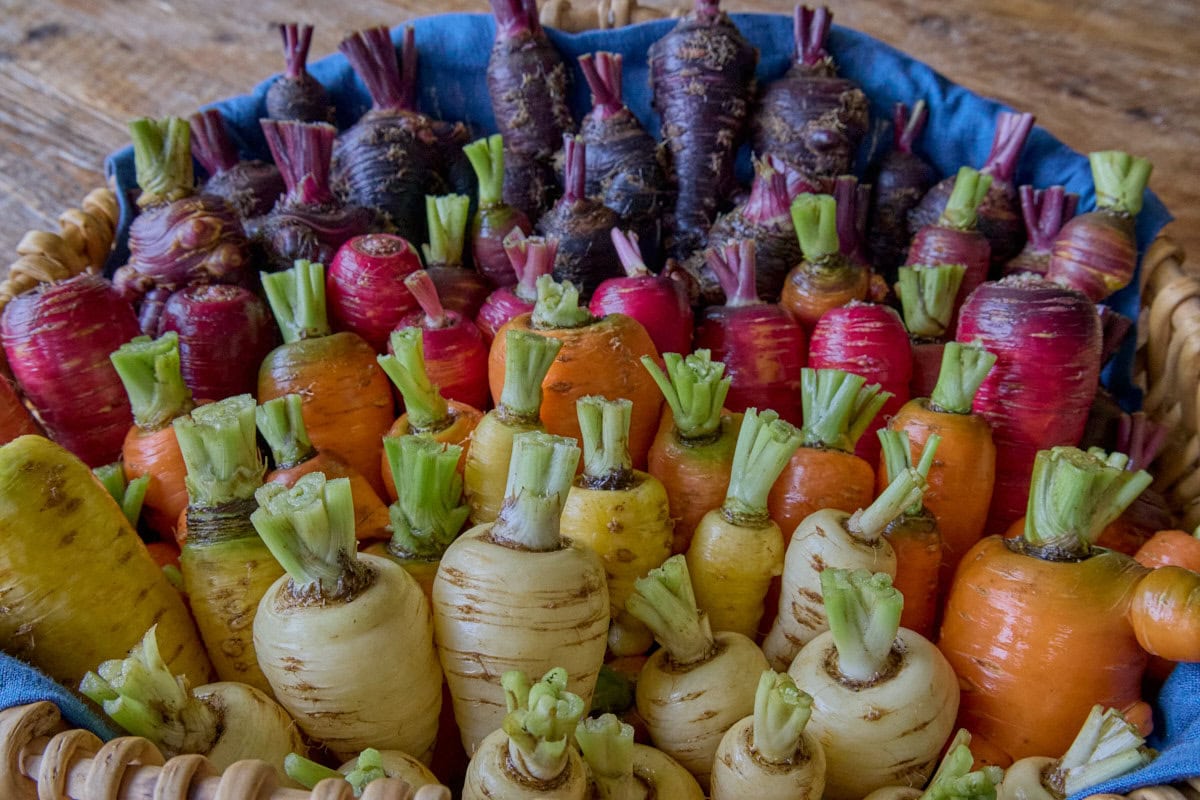
The choices are endless, and any of them will stun your friends and family with their beauty and flavor. See the recipe notes for details on various cooking options.
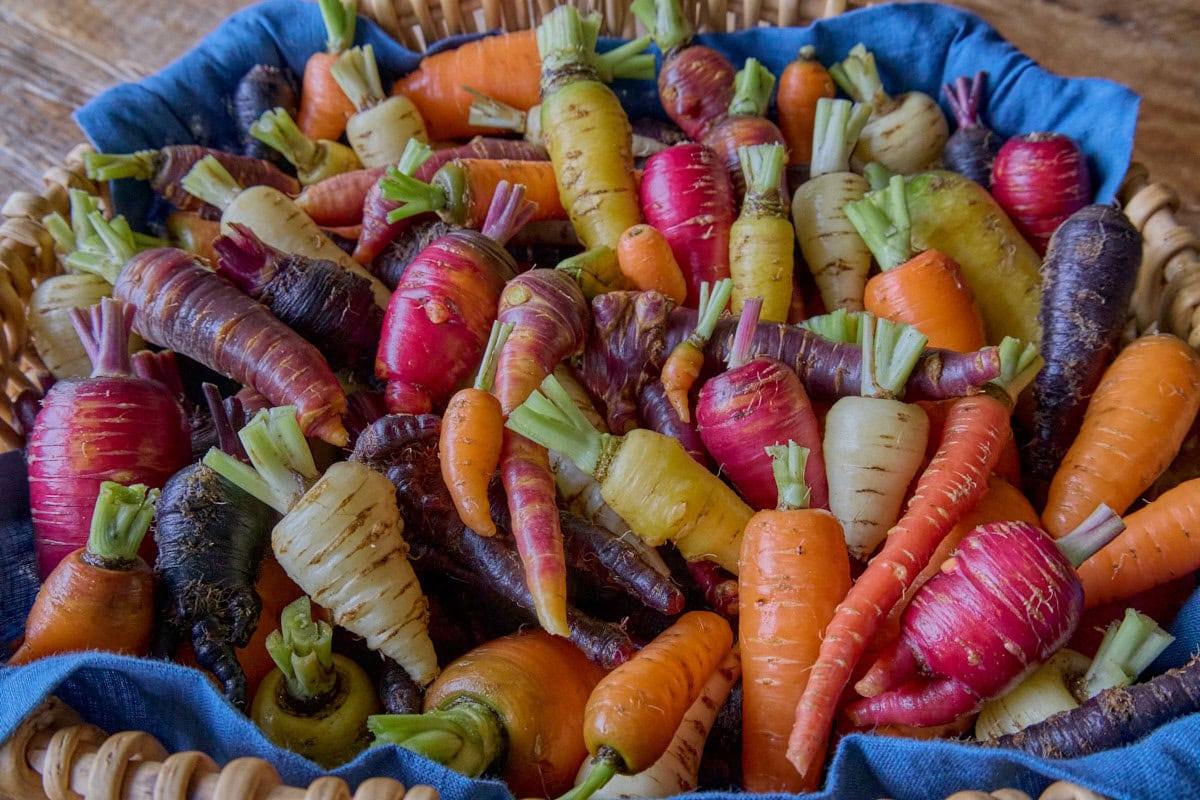
I'd love to hear if any of you grow your own heirloom carrots! It's so easy to just plant the seeds in a sunny spot, directly into the well-amended soil, and to wait for them to be ready.
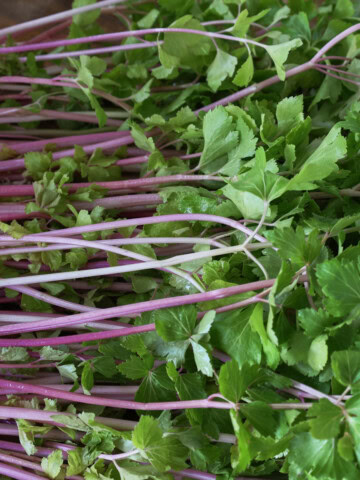
And you can even cook with the carrot tops as well! Please share in the comments if you take on this healthy and thrilling gardening endeavor. I can't wait to hear from you!
📓Ingredient notes

I'm really excited to share the results of my many trials of this recipe to find the most delicious ingredient combination. And remember that you can tinker with this to your heart's content to find a variation that's your own personal favorite!
- Saffron: This is the world's most expensive spice for a reason. These beautiful earthy and warm-flavored, deep orange threads are the stigmas of a saffron crocus. And each blossom yields just a few of them. So you can imagine the work to grow and pick them at a sellable scale! We'll be using just an economical pinch of them in this recipe, where the deep floral flavor permeates the sauce in a unique and subtle way.
- Caraway seeds: This spice is used less often in chermoula than the other ingredients. It seems more common in the variations from Tunisia. And I find it adds a very distinctive nutty, smoky, and buttery flavor to the chermoula. And I always toast the seeds whole first! This really brings out the deep aroma and flavor. But you can also use it ground and/or untoasted if you'd like.
- Cumin seeds: Cumin is an essential spice in North African cooking. I adore it! Its flavor reminds me of warm soil and the edges of caramelized and deeply-roasted vegetables. In this recipe, I toast the whole cumin seeds along with the caraway until fragrant, darkened, and so deeply flavorful.
- Ground paprika: This mild and sweet ground pepper adds some fruity warmth to the sauce.
- Ground coriander: This mild and grounding spice lends more balance of nutty complexity to the sauce along with the caraway and cumin.
- Garlic: Of course we need some garlic for its pungent tang in this sauce. This list is making me hungry already!
- Black pepper: This adds the best flavor when freshly-ground.
- Lemon juice: Please add this from a freshly-squeezed lemon. It'll make all the difference.
- Harissa paste: This is a great ingredient to keep on hand. It's a traditional North African paste made from dried red peppers, garlic, and spices. It can be spicy or mild. I've tried several variations in this recipe, and I've found that even using a spicy one still yields a mild chermoula. Please experiment and have fun with this!
- Granulated sugar: My earlier trials of chermoula didn't include sugar, and I'd felt that something was missing. When I added just a hint of sweetness, this made all the difference in heightening and brightening the whole sauce.
- Salt: Use any salt here that works best for you. I've used fine table salt, but sea salt would work fine too.
- Olive oil: Use a good quality oil here that will really help to balance and carry the flavors of the chermoula.
- Cilantro (aka coriander) leaves: These fresh leaves (and stems are fine too) add such a wonderful grassy and herbaceous note to the sauce. You may have cilantro haters in your family (like I have one). Too bad for them that you're leaving it in!!! They can eat the boring snacks while you indulge in this amazing sauce. Or you can omit this if you want to let them have their way. Sigh.
- Parsley: Remember that you can grow both your own cilantro and parsley for this dish like the carrots! They're each a little more fiddly than other herbs to grow, cilantro because it's an annual and bolts (goes to seed) quickly, so it helps to keep planting more seeds every couple of weeks throughout the summer to keep it going. And parsley is fiddly because it's a biennial, so you need to plant more every other year. But they're both so worth it! It brings me unparalleled joy to go out in the herb garden to harvest my own herbs. Which is how I've ended up with over 200 different kinds, and I'm always looking to add more. All of them are an absolute thrill to enjoy straight out of the garden!
- Carrots: It makes such a difference to have your own fresh carrots straight from the garden. And it feels like a treasure hunt to pick them and see how beautiful and bright they are coming out of the ground. My kids absolutely adored planting and picking veggies like these when they were little. And I wholeheartedly believe this is why all 5 of them are such adventurous eaters today. It's so special and rewarding to really connect to where your food comes from. And if you haven't grown your own (yet), no worries! It's becoming easier to find heirloom multicolored carrots at the grocery store. So you can still have multicolor ones for this dish to make it just a little more special. Or even the orange ones alone will still be special.
See the recipe card for quantities.

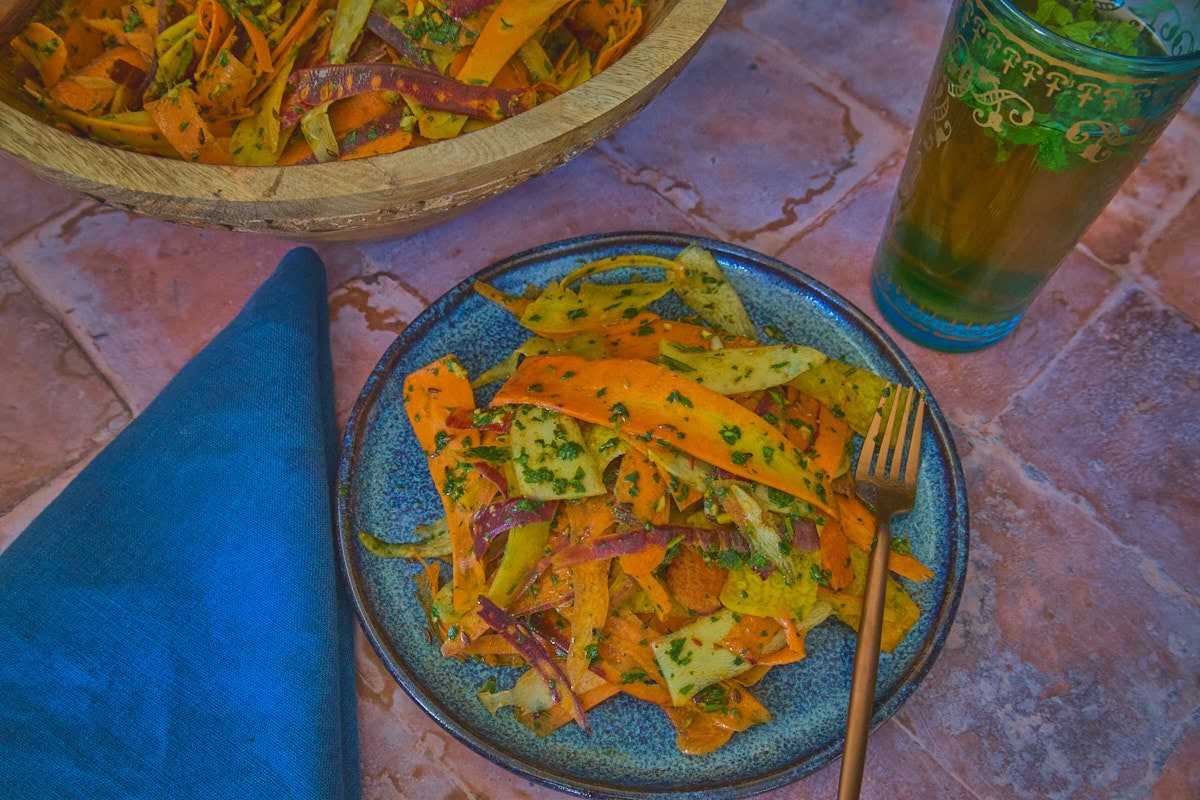
📒Step by step instructions & photos
This is how I make this dish, and I want to encourage you to experiment! Just use this as a reference to figure out you want to make it. This version is vivacious and fresh, and your friends and family will love it.
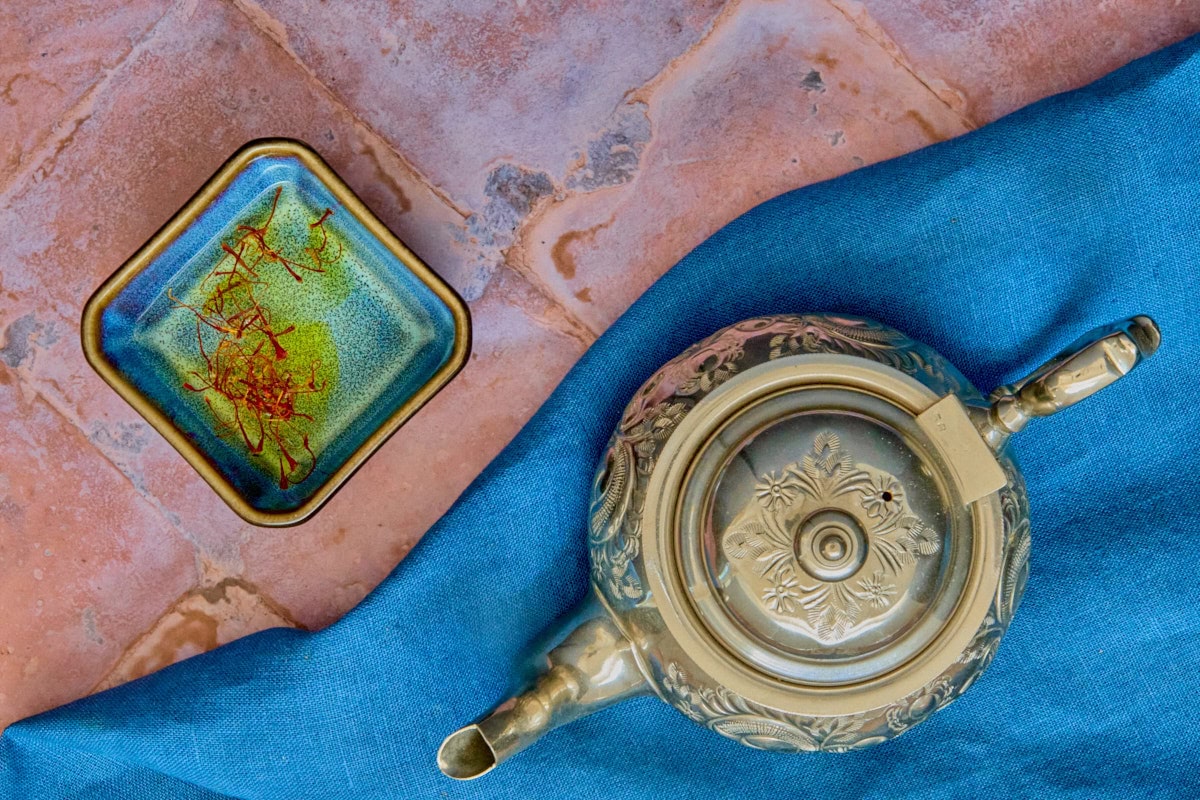
- Soak the saffron and toast the spices: Add water to the saffron threads and set aside to soften. Meanwhile, toast the caraway and cumin seeds in a skillet over low heat for a few minutes until fragrant and slightly darkened.
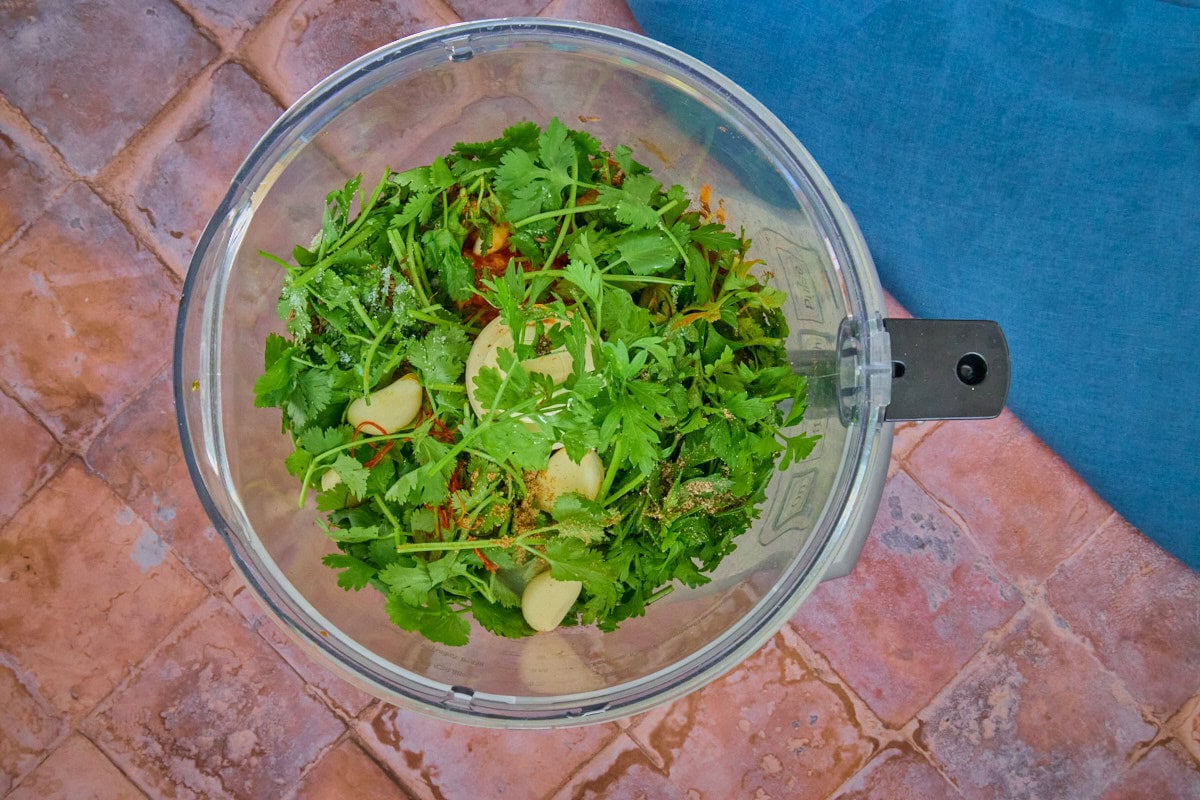
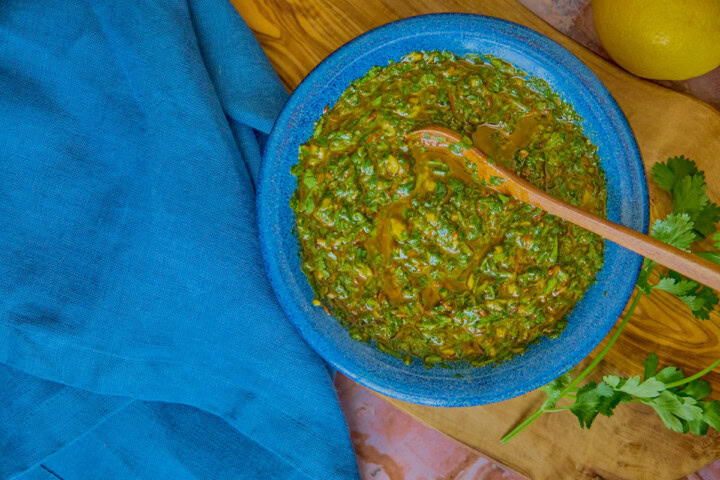
- Assemble the ingredients: Add the ingredients to a food processor or blender.
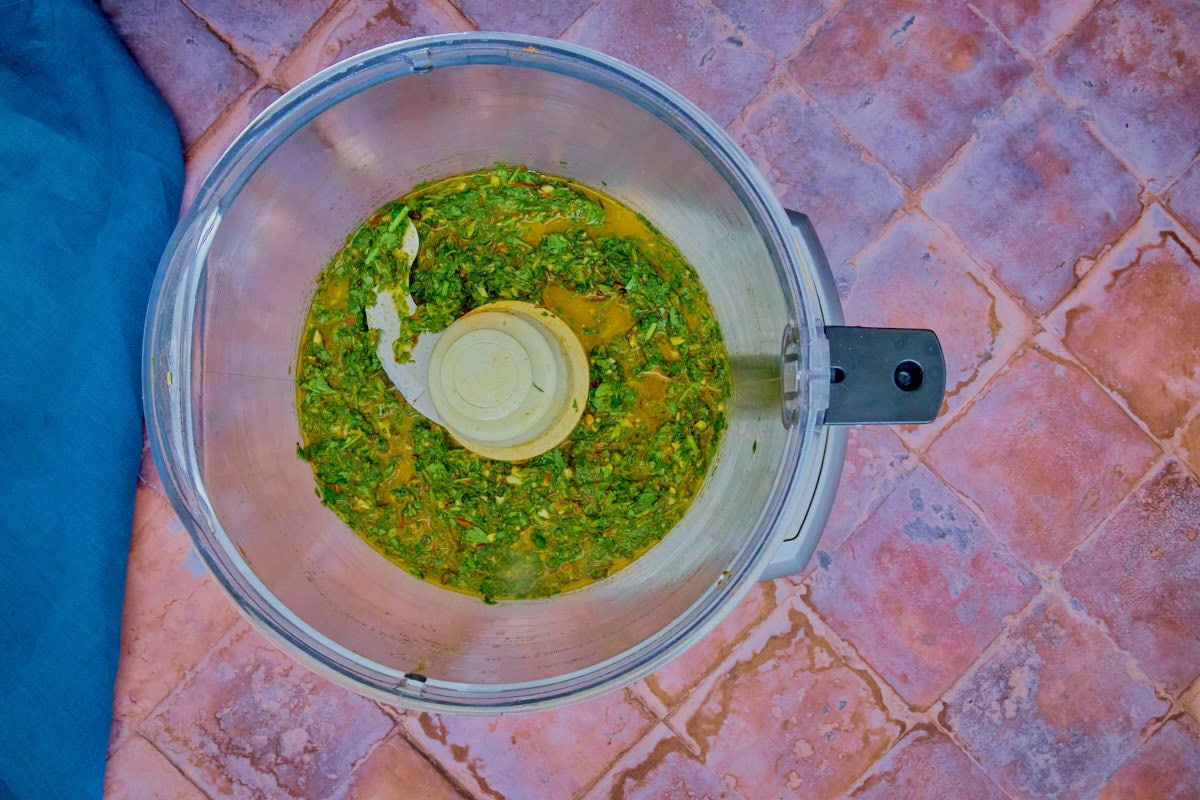
- Blend the sauce: Blend the ingredients until to your desired level of smoothness.
- Taste the sauce and adjust if needed: Check the seasonings to taste. If too thick, add a small quantity of water or olive oil.

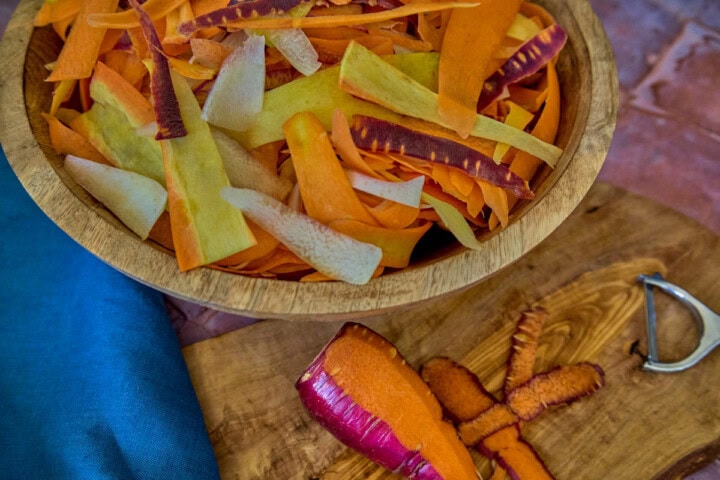
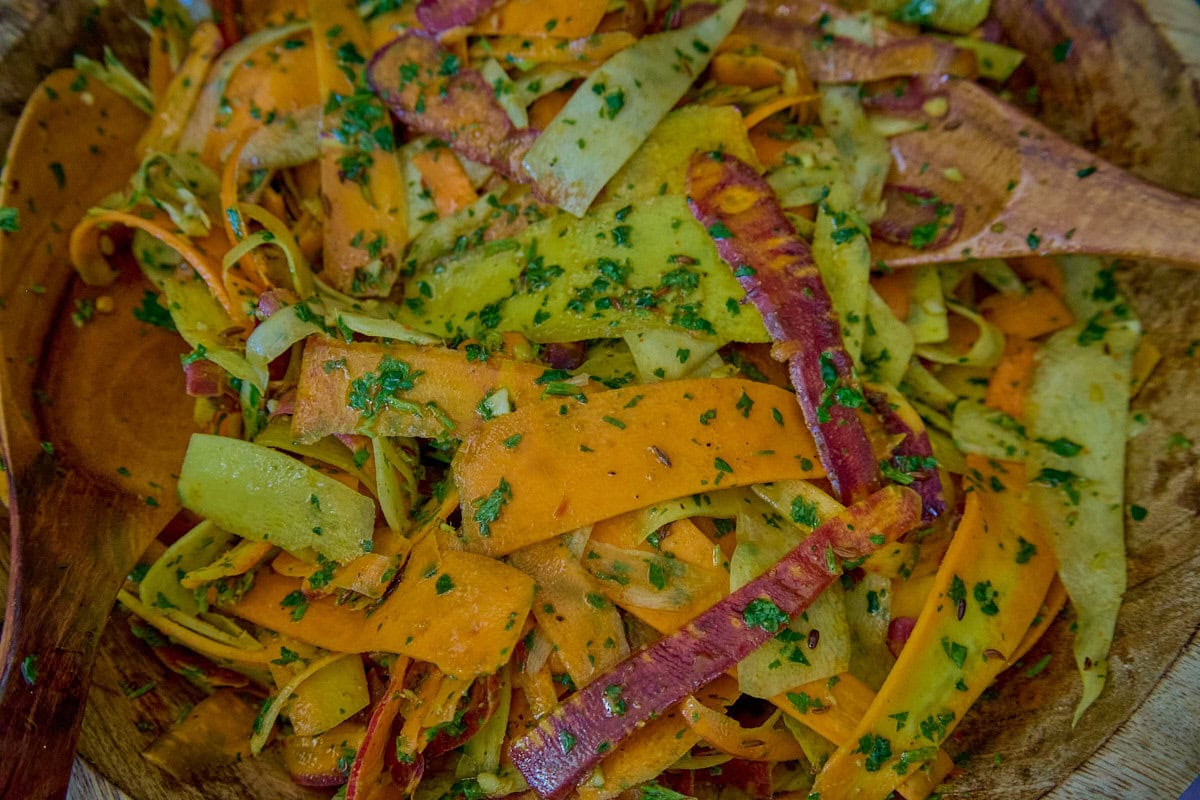
- Peel the carrots: Use a y-peeler to make carrot ribbons to your desired thickness and width.
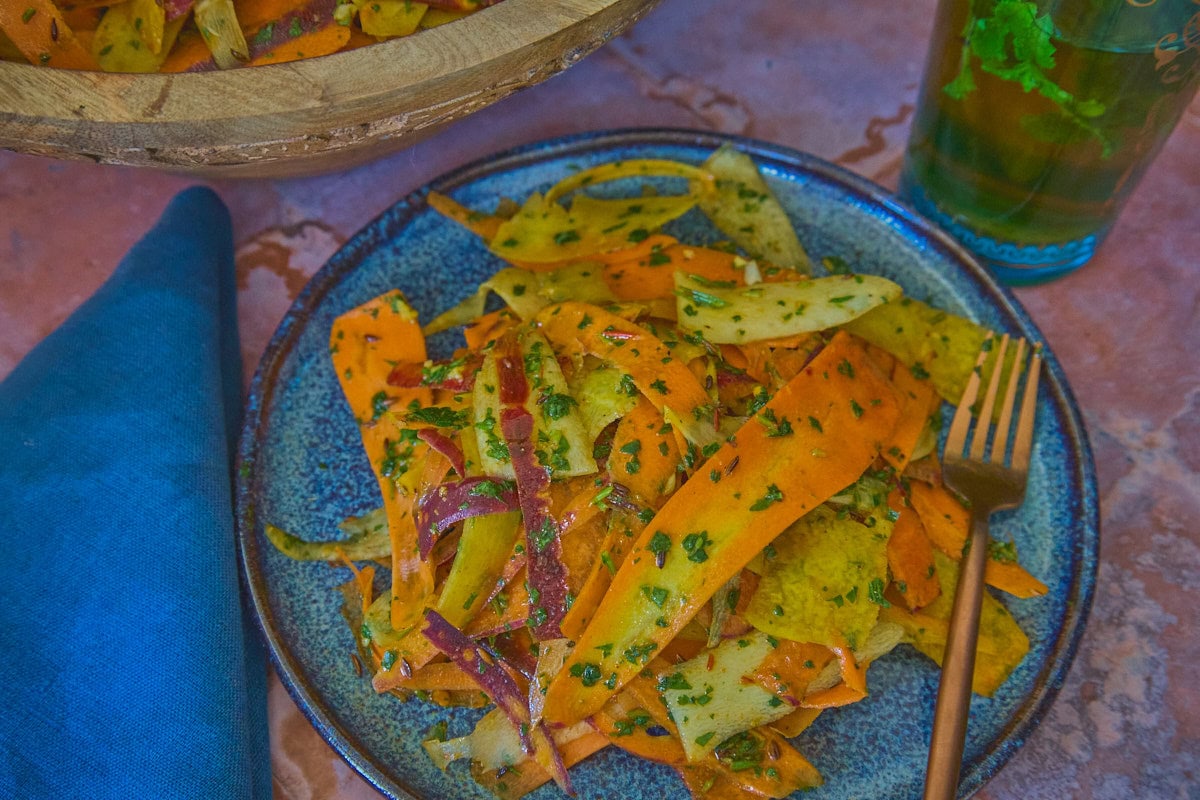
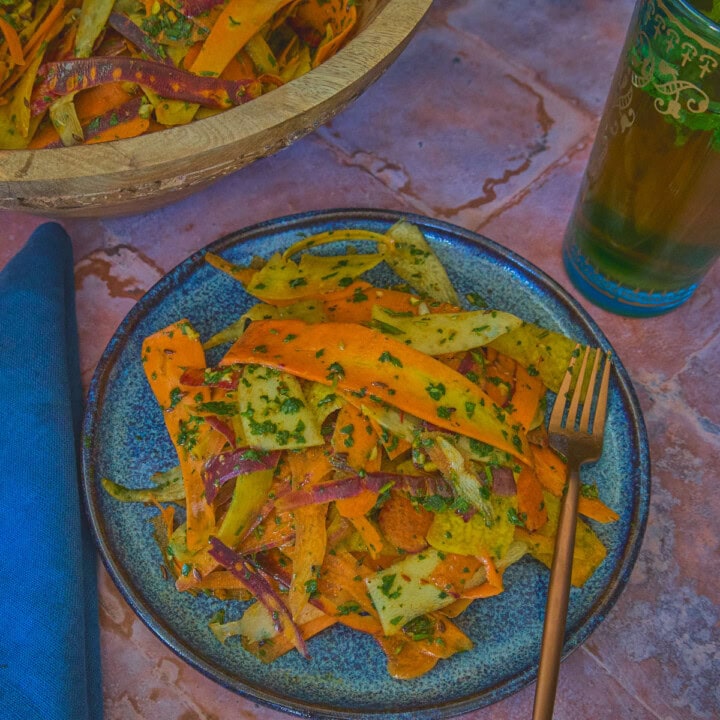
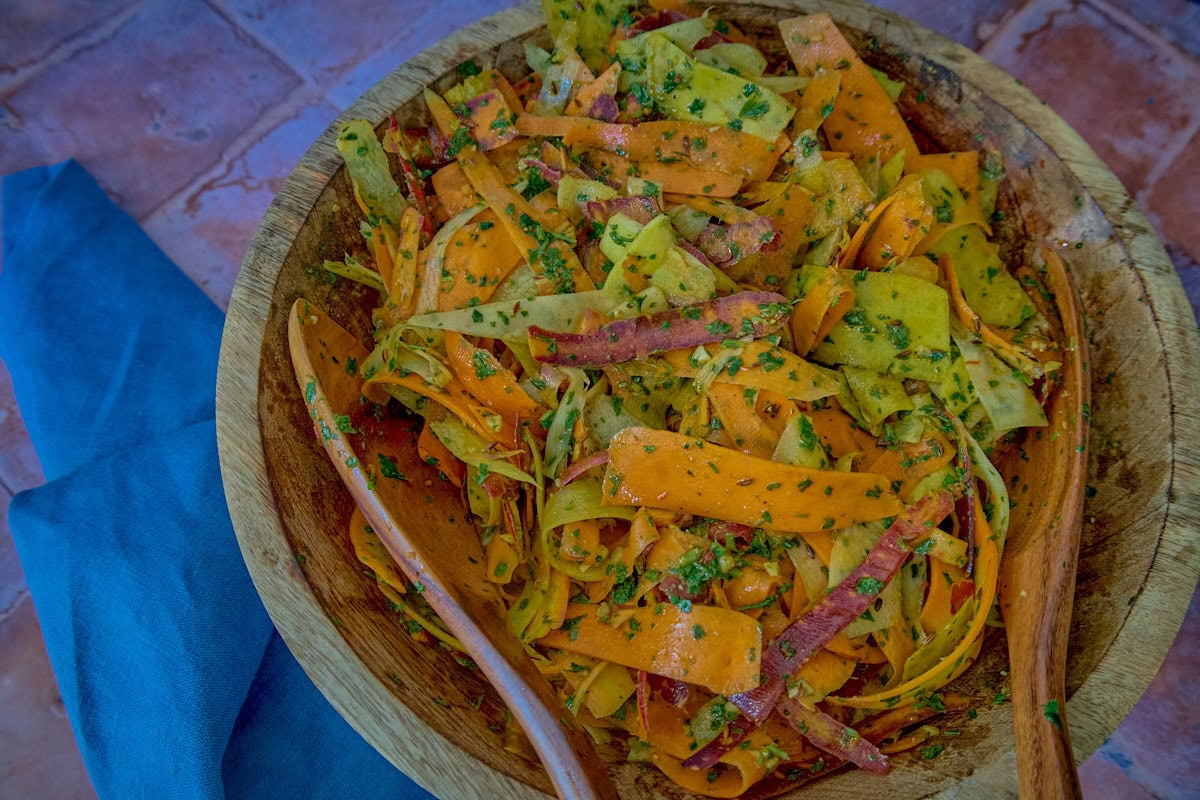
- Assemble and serve: Toss the carrots with the chermoula sauce and enjoy!
💡Tips for success
You may be tempted to leave the caraway and cumin seeds raw, or to just use the spices in ground form. While you can do this, you'd be missing out. If you try toasting the whole spices in a skillet just once, you'll realize there's a world of difference in flavor that comes from the nutty and aromatic toasted seeds.
🔀Substitutions
- Carrot ribbons: If you don't have a y-peeler, or if you need to make this dish quickly, you can use shredded carrots instead.
- Harissa paste: If you don't have this, you can use sriracha or another type of chili paste.
- Olive oil: You can use another neutral oil like grapeseed for a neutral flavor.
🍶Variations
This recipe is so flexible! In addition to serving it with raw carrot ribbons as a salad, you can also serve the carrots:
- Sautéed - For this, you can still use carrots in ribbons, or slice them into coins. I like to slice them thinly on an angle to have beautiful elongated disks.
- Boiled and blanched: Slices or chunks will work well for this. Transferring the boiled carrots to an ice water bath will allow them to retain their texture exactly as you like it.
- Roasted: If you've never had roasted carrots, you're in for a treat! I like to leave the skins on to keep them rustic, and to cut them into whole or halved logs depending on thickness. And roasting at high heat makes the carrots softened and caramelized, with tantalizing blackened edges. So delicious!
See the notes section at the bottom of the recipe card for instructions on using any of these methods. They're all wonderful!
🥣Equipment
- Small dish: to soak the saffron threads in water
- Skillet: to toast the caraway and cumin seeds
- Food processor or blender: to combine the ingredients into a smooth or chunky sauce; alternatively, you can chop everything, or use a mortar and pestle
- Y-peeler: to peel the carrots into thick or thin ribbons
- Large mixing bowl: to toss the carrot ribbons with the chermoula sauce
- Measuring spoons: to measure the herbs and spices
- Digital scale: if you'd like to measure your cilantro, parsley, and carrots by weight; I highly recommend this easy method!
- Measuring cups: to measure ingredients like olive oil
- Sharp knife: to cut the lemon
- Citrus press: to juice the lemon, or you can do this by hand
- Cutting board: to prepare the cilantro and parsley
⏲Make ahead and storage
Sauce: You can make the chermoula sauce up to 3 days in advance and store it in an airtight container in the fridge.
Carrots: If you'd like to prepare the carrot ribbons in advance, you can keep them in an airtight bowl of fresh water to keep them crisp. Make sure to drain them well and pat dry before adding them to the chermoula sauce.
Sauce and carrots: The prepared carrots mixed with chermoula sauce can be kept in the fridge in an airtight container for up to 3 days.
🍲Serving suggestions
Cold salad: This dish can be served as a salad course along with mezze (small dishes or light appetizers).
Warm side dish: Or you can serve it as a warm side dish with couscous and a rustic and hearty main course.
This dish is so flexible, and will go well however you serve it!
❓FAQ
Chermoula is a lively, vivacious sauce and marinade made from herbs, spices, citrus, and peppers from North Africa, where it's used to flavor various dishes.
Chermoula (sometimes called charmoula) originates in Morocco, and is also served in Tunisia, Libya, and Algeria. It can include variations such as preserved lemon, ras el hanout spice blend, turmeric, ginger, and various peppers. It's exciting to try out different combinations!
You can use any carrots here with great success. If you have access to heirloom multicolored, textured, and flavored carrots, these will really shine in this dish. But any type of carrots you have will be delicious.
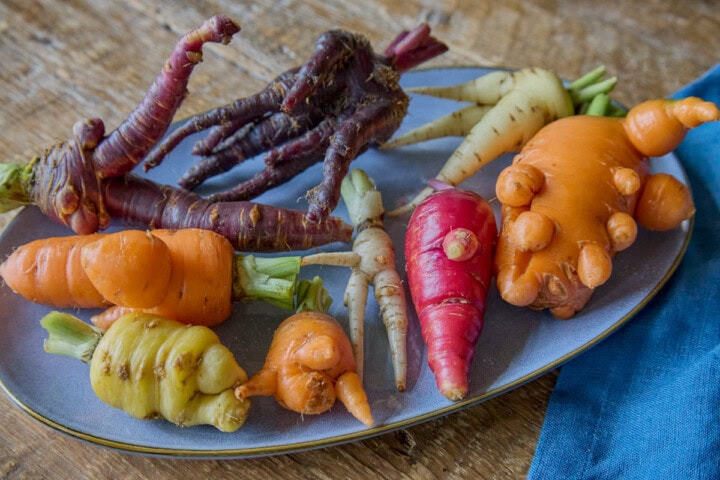
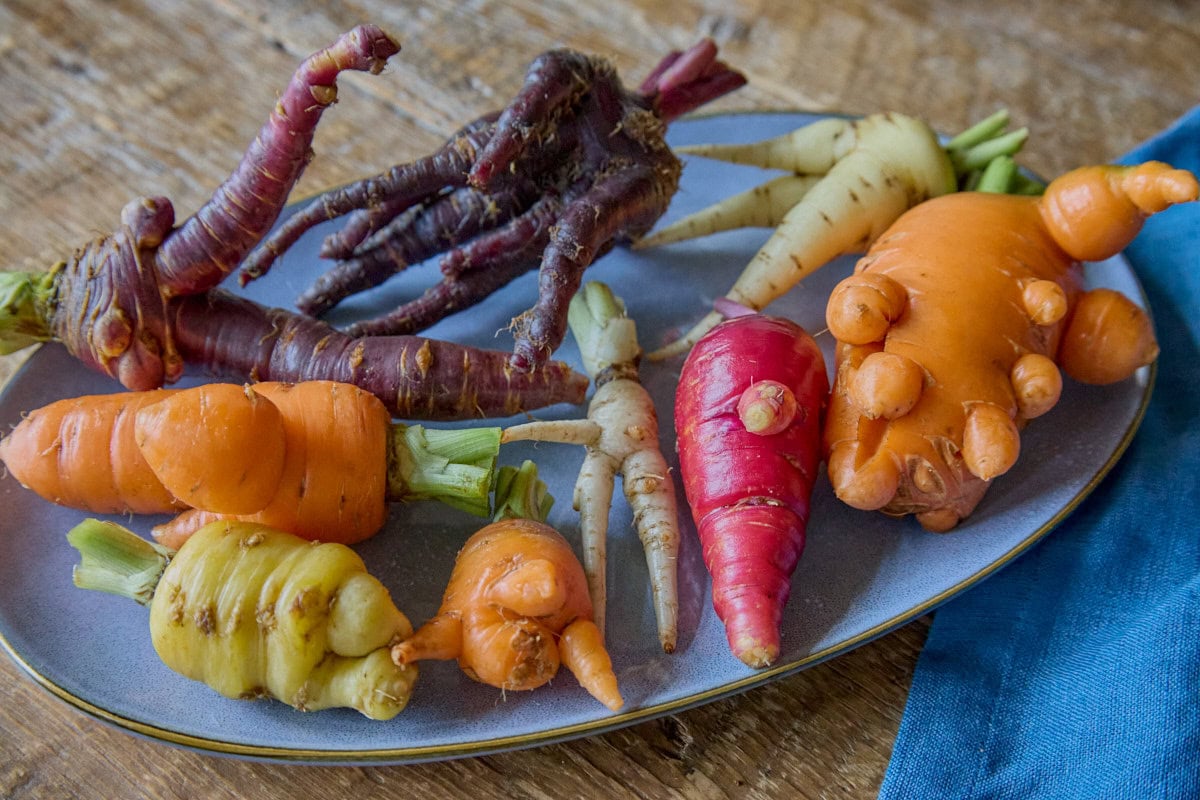
Here's a photo of some "monster carrots" from the garden. These are especially fun and exciting for the kids when you discover these special ones while harvesting!
✨More recipes you'll love
Looking for other recipes like this? Try these:
✏️Did you make this recipe for Heirloom Carrots with Chermoula (Carottes à la Chermoula)?
Please let me know in the reviews and comments below!

Heirloom Carrots with Chermoula (Carottes à la Chermoula)
Ingredients
For the chermoula sauce:
- ¼ teaspoon saffron threads, about 10-15 threads
- 2 teaspoons caraway seeds
- 2 teaspoons cumin seeds
- 2 tablespoons fresh-squeezed lemon juice
- 1 teaspoon freshly-ground black pepper
- ¾ teaspoon granulated sugar
- ½ teaspoon salt, adjust to taste
- 4-6 garlic cloves
- 2 teaspoons ground paprika
- 1 teaspoon ground coriander
- ½ cup (120 ml) extra virgin olive oil
- 1 cup (50 g) fresh cilantro leaves and smaller stems, roughly chopped
- 1 cup (50 g) fresh parsley leaves and smaller stems, roughly chopped
For the heirloom carrots:
- 2 pounds (900 g) heirloom carrots
Instructions
Make the chermoula sauce:
- Soak the saffron: Place the saffron threads in a small dish. Add 2 tablespoons of warm water and allow to soak while preparing the sauce.
- Toast the spices: In a small skillet over low heat, toast the caraway and cumin seeds for about 1-3 minutes until fragrant and slightly darkened. Remove from heat and let cool slightly while assembling the remaining ingredients.
- Blend the sauce: Using a food processor or blender, combine the soaked saffron and water, toasted caraway and cumin seeds, lemon juice, harissa, black pepper, granulated sugar, sea salt, garlic, paprika, coriander, olive oil, cilantro, and parsley. Blend until the sauce reaches your desired texture, from chunky to smooth. If too thick, thin it with a small amount of water or olive oil.
Peel the carrot ribbons:
- Use a y-peeler to peel the carrots into wide, thin ribbons.
Toss the carrots with the chermoula:
- In a large mixing bowl, gently toss the carrot ribbons with the prepared chermoula sauce until the ribbons are evenly coated.
Serve:
- Serve immediately as a refreshing raw side dish or chilled for a cold salad. Garnish with extra fresh parsley or cilantro if desired.
Notes
- Sautéed Carrots: Sauté carrot ribbons or coins over medium heat for 3-5 minutes or until al dente.
- Boiling: Boil carrot ribbons, coins, or chunks for 2-3 minutes, or until desired texture, then immediately transfer to ice water to stop cooking.
- Roasting: Preheat the oven to 425°F (220°C). Lightly coat carrots in olive oil and roast for 10-15 minutes until softened and browned.
Leave a Reply